



Executive Overview
For decades, the Caribbean snorkeling experience has followed a familiar, highly regimented script. Travelers book a spot on a crowded morning boat excursion, gather at a designated dock at an ungodly hour, endure a choppy ride out to a heavily trafficked reef, and submerge themselves on a strict, predetermined timeline. When the captain blows the horn, the excursion ends, regardless of whether you have finished tracking a school of blue tang or simply want to drift a bit longer in the warm turquoise water.
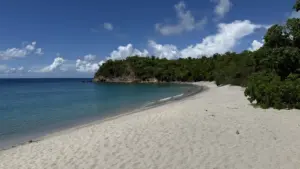
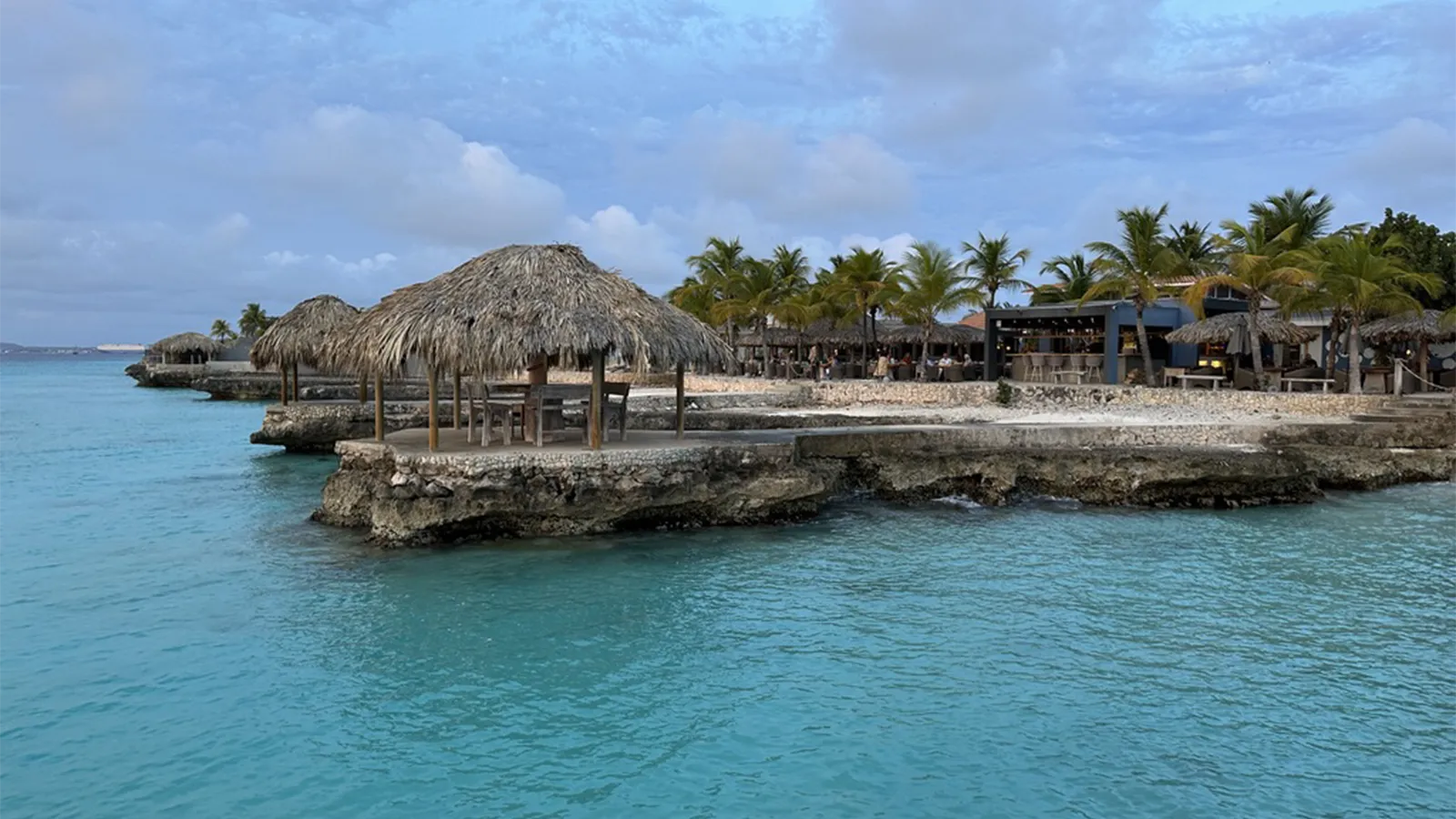
Enter Bonaire. Tucked away in the southern Caribbean just north of South America, this arid, flamingo-dotted island offers a radically different paradigm. Here, snorkeling is not an isolated morning activity slotted between breakfast and a beach nap; it is a coastal road trip. Supported by a uniquely accessible geography, the Bonaire National Marine Park, and a legendary infrastructure built around independent exploration, Bonaire allows travelers to throw their mask and fins into the back of a rental car, drive along the island’s dramatic western coastline, pull over at a yellow-stoned marker, and walk directly from the sun-warmed shore into a world-class coral reef.
While scuba divers have long heralded Bonaire as the shore-diving capital of the world, snorkelers are increasingly discovering that this same independent ethos delivers an unmatched aquatic vacation. Paired with iconic legacy properties like Buddy Dive Resort and Captain Don’s Habitat—both of which feature vibrant, 24/7-accessible house reefs—Bonaire strips away the logistical friction of marine exploration. The result is a deeply liberating style of travel where the sea is the itinerary, the coastline is your playground, and the traditional boat schedule becomes a relic of the past.
Detailed Chronology: The Evolution of Bonaire’s Independent Aquatic Culture
To understand how Bonaire became the premier destination for shore-based marine exploration, one must trace the island’s conservation and tourism history, which began to take root in the late 1960s and 1970s.
The Pioneers and the Protection (1960s–1980s)
Long before "ecotourism" became a global buzzword, visionaries recognized the fragile beauty of Bonaire’s marine ecosystems. In 1968, the first accommodations were laid at the site that would eventually become Captain Don’s Habitat, founded in 1976 by the legendary Captain Don Stewart. Stewart was a fierce protector of the island’s reefs, pioneering concepts of sustainable tourism that predated modern marine conservation frameworks.
In 1979, a monumental shift occurred with the establishment of the Bonaire National Marine Park (STINAPA). Spanning the entire coastline from the high-water mark down to a depth of 60 meters (200 feet)—including the uninhabited islet of Klein Bonaire—the park was created to protect the island’s barrier and fringing reefs. Crucially, the management model relied on anchoring bans, mooring buoys, and user fees rather than restricting access, inadvertently laying the groundwork for a culture where snorkelers and divers could interact directly with the environment responsibly.
Resort Expansion and the "Drive-and-Dive" Blueprint (2000s–Present)
As the island’s reputation grew, local resorts began tailoring their properties to maximize this coastal freedom. Buddy Dive Resort, which opened its doors on August 19, 1980, underwent a transformative expansion after Martien van der Valk and his wife took over the property in 2002. At the time, the resort operated with just 46 apartments. Under their leadership, Buddy Dive evolved into a 73-room powerhouse of independent adventure, strategically acquiring a fleet of more than 100 rental vehicles and introducing streamlined drive-through tank operations.
While these innovations were initially engineered for the scuba diving community, they inadvertently created the ultimate ecosystem for snorkelers. Visitors could secure a room, pick up a vehicle outfitted for coastal navigation, and map out their own itineraries. Over the last two decades, this drive-and-snorkel model has matured, shifting the island’s tourism identity from a niche diving enclave into a premier, accessible destination for travelers of all aquatic skill levels.
Supporting Context & Metrics: The Anatomy of a Bonaire Snorkeling Trip
Navigating Bonaire requires understanding the metrics and physical layout that make its marine geography so unique.
The Numbers Behind the Reefs
According to STINAPA (Stichting Nationale Parken Bonaire), the protected coastal waters boast more than 100 distinct dive and snorkel sites. A significant majority of these are situated along the sheltered western and southwestern coasts, where calm, crystal-clear conditions prevail year-round.
- Coastal Accessibility: Over 60 marked shore-entry sites dot the western coast, traditionally demarcated by painted yellow stones bearing the site names.
- Flight Connectivity: Located near Aruba and Curaçao, Bonaire feels remote yet is surprisingly accessible. Nonstop flight routes—such as American Airlines’ service from Miami—cover roughly 1,225 miles in approximately 3 hours and 13 minutes.
- Accommodations & Value: Pricing across the island’s premier eco-resorts remains competitive. Standard published room rates at historic properties like Captain Don’s Habitat hover around $227 per night, with specialized anniversary packages (such as their 50th-anniversary offering encompassing seven nights for two with specialized dive/snorkel components) priced near $1,976.
Iconic Spots: Decoding 1,000 Steps
No discussion of Bonaire’s shore-snorkeling culture is complete without examining its most famous geographical anomaly: 1,000 Steps. Located on the northwestern coast, the site’s imposing moniker is a playful exaggeration; a physical count of the limestone staircase reveals closer to 67 steps.
Carrying mask, snorkel, and fins down the cliffside staircase reveals a raw, uncommercialized slice of the Caribbean. There are no sprawling beach clubs, gift shops, or attendants. Instead, snorkelers step directly into pristine, glass-like water characterized by vibrant hard and soft coral formations. Marine surveys of the area frequently record sightings of stoplight parrotfish, slender trumpetfish, hawksbill turtles, and energetic schools of grunts hovering just feet from the rocky shoreline.
The Klein Bonaire Exception
While shore-snorkeling forms the backbone of the Bonaire experience, the island offers one essential maritime detour: Klein Bonaire. Situated a short water taxi ride off the western coast, this flat, uninhabited offshore island is home to pristine, protected environments like No Name Beach. Here, snorkelers can wade straight off the sand into shallow coral gardens teeming with marine life, bridging the gap between independent shore exploration and a classic island boat excursion.
Official Statements & Industry Insights
Industry leaders and hospitality veterans emphasize that Bonaire’s distinct appeal lies in its rejection of manufactured resort bubbles in favor of authentic exploration.
Martien van der Valk, head of Buddy Dive Resort, reflected on the evolution of the island’s hospitality landscape during a retrospective interview:
"When we took over the property in 2002, the resort only had 46 apartments. Today, it has expanded to 73, along with more than 100 rental cars and six dive boats. The rental cars are the linchpin. This is an island where having your own vehicle gives you access to a completely different kind of vacation—one where you aren’t bound to a timetable, but rather to your own sense of curiosity."
Tourism and marine park officials continually stress that this unprecedented freedom comes hand-in-hand with strict environmental stewardship. A spokesperson for STINAPA notes:
"The reason Bonaire remains one of the premier underwater sanctuaries in the world is because our visitors respect the boundary between appreciation and impact. Following marine park regulations—such as zero-contact policies with coral, proper buoyancy control, and the use of reef-safe sunscreens—ensures that the next traveler stepping off the shore at 1,000 Steps or Buddy Dive house reef experiences the exact same pristine ecosystem."
Future Outlook: The Sustainable Future of Independent Exploration
As global tourism trends shift away from mass-market cruise tourism and hyper-scheduled group excursions toward experiential, independent travel, Bonaire is uniquely positioned for continued prominence.
However, growth brings challenges. Balancing increased visitor numbers with the delicate carrying capacity of the Bonaire National Marine Park remains a top priority for local authorities. Future infrastructure developments across the island are expected to lean heavily into sustainable building practices, advanced wastewater management, and mandatory eco-briefings for all arriving visitors.
For the modern traveler, Bonaire represents the ultimate antidote to vacation burnout. By transforming the rental car into an essential piece of snorkeling gear and erasing the barrier between where you sleep and where you swim, the island has rewritten the rules of Caribbean travel. Whether you choose the residential convenience of Buddy Dive Resort, the storied conservation legacy of Captain Don’s Habitat, or simply pick a yellow stone along the coastal highway at random, Bonaire proves that the most memorable aquatic adventures are the ones you chart for yourself.
Bring your mask, rent the car, and let the coastline be your guide.