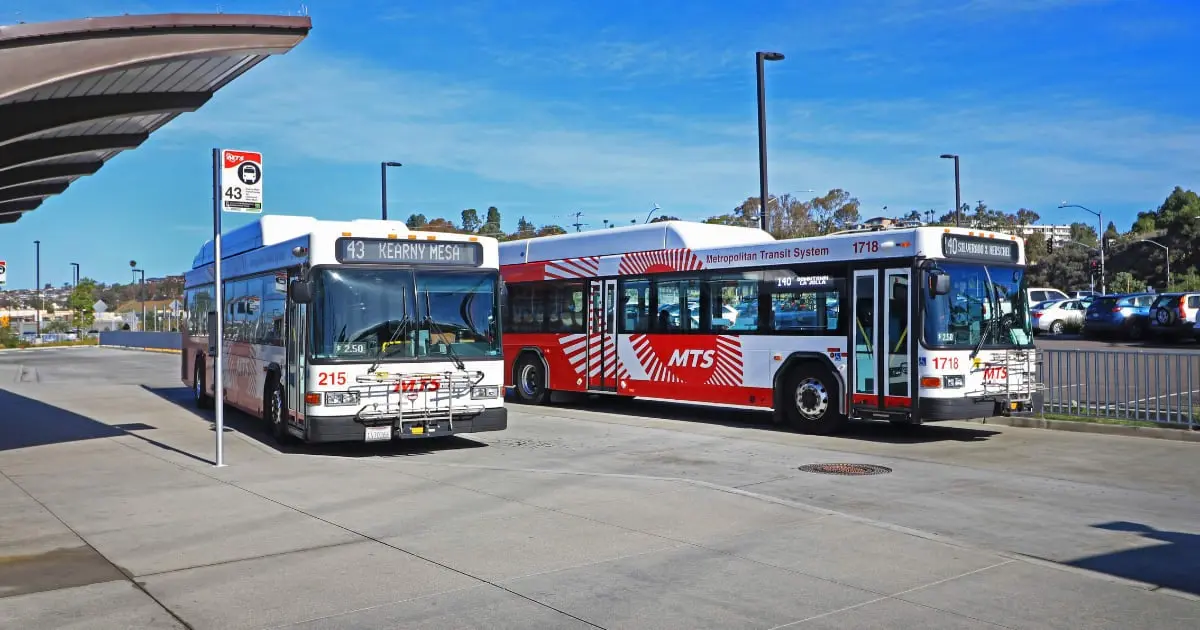
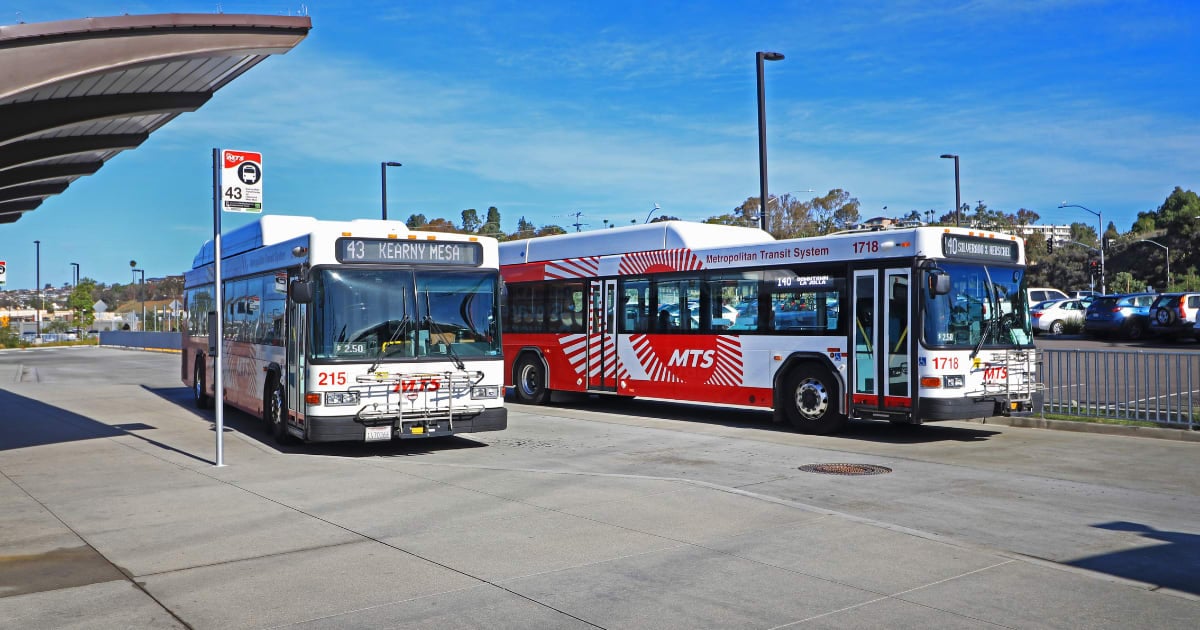
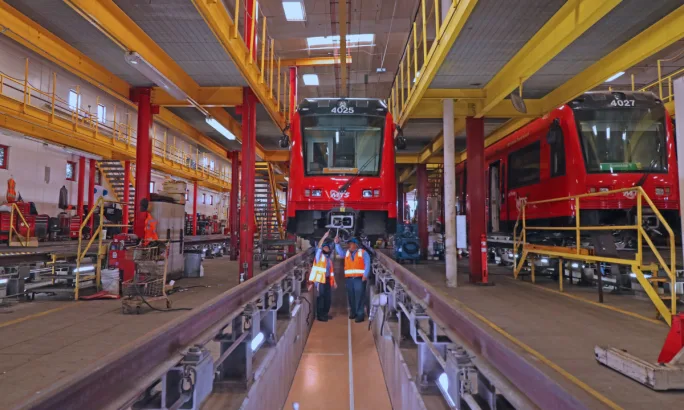
In the landscape of American public transit, few agencies have navigated the turbulent post-pandemic era with as much strategic precision, resilience, and operational success as the San Diego Metropolitan Transit System (MTS). Named the 2026 Outstanding Public Transportation System by the American Public Transportation Association (APTA) in the category for agencies generating 50 million or more annual passenger trips, MTS has emerged as a national benchmark for urban mobility.
Earning this prestigious accolade requires more than merely returning to pre-pandemic routines. For MTS, the honor represents the culmination of a multi-year, holistic transformation touching every facet of the passenger and employee experience. By aggressively rebuilding rider confidence, deploying cutting-edge safety frameworks, introducing seamless contactless payment technologies, and maintaining rigorous financial stewardship, the San Diego agency has rewritten the playbook for large-scale public transportation systems.
Carrying more than 81 million passenger trips in fiscal year 2025 and recovering over 95% of its pre-pandemic ridership, MTS proves that public transit can thrive amidst changing travel patterns, evolving workforce dynamics, and persistent budgetary headwinds. This comprehensive report explores the foundational strategies, operational milestones, safety innovations, and leadership visions that propelled the San Diego Metropolitan Transit System to the pinnacle of the American transit industry in 2026.
Detailed Chronology: The Road to National Recognition
The journey to claiming APTA’s highest honor did not happen overnight. It was forged through a deliberate, multi-year campaign to modernize service delivery, restore public trust, and address the systemic vulnerabilities exposed by global health and economic disruptions.
Navigating the Post-Pandemic Reality
Like urban transit systems across North America, MTS faced unprecedented challenges following the COVID-19 pandemic. Shifting commuting patterns, remote work proliferation, inflationary pressures on fuel and labor, and heightened public safety concerns threatened to permanently erode public transit ridership. Rather than accepting a diminished baseline of service, MTS leadership and the Board of Directors recognized that incremental adjustments would be insufficient. A comprehensive, system-wide overhaul was required.
The "Now Better Transit" Campaign and Strategic Pivot
To signal its commitment to positive change, MTS launched the "Now Better Transit" campaign. This initiative served as a public-facing anchor for dozens of operational enhancements, facility upgrades, and security expansions. The campaign communicated a clear message to the San Diego community: the transit system was not just restoring old routes, but actively building a cleaner, safer, and more reliable network.
By coupling aggressive promotional outreach with tangible, visible improvements—such as enhanced station cleaning, accelerated infrastructure maintenance, and upgraded security patrols—MTS began to reverse the outward migration of riders. By fiscal year 2025, these efforts paid massive dividends, pushing annual passenger trips past 81 million and achieving a remarkable 95%+ recovery of pre-pandemic ridership volumes.
A cornerstone of MTS’s recent operational evolution has been its disciplined approach to financial and network efficiency. The agency realized that long-term sustainability required doing more with smarter resource allocation.
A prime example of this philosophy is the development and optimization of the Copper Line. By redesigning this light rail service, MTS succeeded in simultaneously boosting schedule reliability and reducing vehicle operating miles. This strategic adjustment is projected to save the agency millions of dollars in operational costs annually. These savings are immediately funneled back into capital improvements, rail infrastructure maintenance, and system expansion projects designed to minimize delays and future-proof San Diego’s transit corridors.
Supporting Context & Metrics: Safety, Technology, and Financial Stewardship
MTS’s rise to national prominence is underscored by quantifiable metrics and data-driven initiatives. The agency’s success is built upon three foundational pillars: uncompromising safety enhancements, frictionless technological integration, and prudent financial management.
Expanding Safety Onboard and Behind the Wheel
Public safety concerns have been one of the primary deterrents for transit riders nationwide over the past five years. MTS addressed this challenge head-on by scaling up its security and community outreach infrastructure.
The agency significantly expanded its Homeless Outreach Team, Bus Enforcement Team, Code Compliance staffing, and the deployment of plainclothes officers. By increasing the physical and visible presence of trained security and support personnel across buses, trolleys, and transit stations, MTS fostered an environment of accountability and deterrence.
The results speak for themselves. Internal operating data tracking a nine-month period in 2025 revealed a 24% decrease in reported crime across the system. Concurrently, regular passenger surveys reflected a steady, upward trajectory in rider-reported feelings of safety and security.
The "Hot Spots" Bus Safety Program
MTS’s safety commitment extends far beyond passenger environments to encompass its frontline workforce. Recognizing this, APTA awarded MTS a second major honor in 2026: the Gold Award for Bus Safety in the category for systems providing over 50 million annual passenger trips.
This recognition was earned through the implementation of the "Hot Spots" Bus Safety Program. The initiative systematically identifies recurring accident locations across the agency’s vast service area. By leveraging advanced analytical tools—including drone imagery, video training modules, and operator-perspective camera footage—MTS safety engineers and instructors analyze the physical and operational conditions contributing to incidents at these targeted locations.
The program has yielded dual benefits: a measurable reduction in collisions at historically problematic intersections and stops, and the creation of proactive training materials that help bus operators anticipate and prevent similar hazards system-wide.
Removing Friction: Contactless Fares and Data-Driven Operations
Technological modernization at MTS has been guided by a singular philosophy: technology must remove barriers, not create them.
For everyday passengers, the most visible technological leap has been the deployment of what the agency proudly describes as California’s first regional contactless fare payment system. Integrated with the PRONTO fare collection platform (powered by INIT), riders can now tap and ride effortlessly using credit cards, smartphones, or smartwatches. Furthermore, MTS streamlined online enrollment for reduced-fare programs, ensuring that equity and accessibility remained central to its technological upgrades.
Behind the scenes, MTS has embraced big data analytics to optimize routing, analyze customer feedback trends, and refine maintenance schedules. By moving away from rigid, calendar-based maintenance and toward predictive, condition-based servicing, the agency ensures maximum fleet availability while controlling overhead costs.
Official Statements and Leadership Vision
The accolades received in 2026 are widely viewed within the organization as a collective validation of frontline dedication, strategic governance, and cross-functional teamwork.
"This award reflects the tremendous progress MTS has made in delivering better service and greater value to the communities we serve," stated Stephen Whitburn, MTS Board Chair and San Diego City Councilmember. "From strengthening safety and security to improving accessibility, embracing innovation, and enhancing the customer experience, our focus has been on making MTS better for the people who rely on us every day."
Whitburn was quick to emphasize that the agency’s triumphs are rooted in the daily efforts of its workforce—from bus operators and trolley drivers to mechanics, support staff, and executive leadership.
Sharon Cooney, Chief Executive Officer of MTS, echoed these sentiments, highlighting the cultural shift that allowed the agency to weather recent industry-wide storms.
"Receiving APTA’s Outstanding Public Transportation System Award is an incredible honor and a testament to the dedication of our employees and the trust our riders place in us every day," Cooney said. "Over the past several years, MTS has remained focused on delivering safe, reliable, and innovative transit services. This recognition reflects the hard work of our entire organization, and it proves that when you prioritize the rider experience, the community responds."
MTS leadership credits a corporate culture built around accountability, public service, cross-departmental collaboration, and continuous innovation as the secret ingredient behind their success. Whether navigating funding uncertainties or deploying new fare technologies, the agency’s leadership team has fostered an environment where creative, non-traditional solutions are encouraged and implemented.
Future Outlook: What Comes After 81 Million Passenger Trips?
For the San Diego Metropolitan Transit System, winning the 2026 APTA Outstanding Public Transportation System Award is not viewed as a finishing line, but rather as a launchpad for the next era of urban mobility in Southern California.
As the agency looks toward the horizon, its strategic priorities are clear:
Sustaining Scaled Growth: Maintaining high levels of service reliability and safety as passenger volumes continue to climb past the 81-million-trip threshold.
Infrastructure Modernization: Continuing long-term capital investments in rail renewal, station enhancements, and zero-emission fleet transitions to meet regional environmental targets.
Deepening Community Integration: Expanding partnerships with local community organizations, social services, and educational institutions to ensure transit equity reaches every corner of the San Diego region.
Adaptive Financial Management: Utilizing predictive data analytics and alternative funding strategies to insulate daily operations from macroeconomic uncertainties and policy shifts at the state and federal levels.
Conclusion
The transformation of the San Diego Metropolitan Transit System offers a masterclass for transit agencies across the globe. By refusing to compromise on safety, aggressively modernizing the passenger interface through contactless technology, rebuilding public trust via targeted community campaigns, and honoring the tireless work of its frontline employees, MTS has proven that the future of public transportation is bright.
As urban centers grapple with congestion, environmental pressures, and changing commuter habits, San Diego stands out as a shining example of how a transit system can adapt, excel, and ultimately transform the quality of life for millions of residents. The 2026 APTA award honors where MTS has been, but the agency’s unwavering commitment to progress dictates an even more promising road ahead.