





Executive Overview
For decades, the standard gospel of the modern conservation movement has been simple, elegant, and absolute: Get people outside. The foundational logic dictated that if you introduce citizens to the pristine majesty of alpine lakes, winding rivers, and dense old-growth forests, they will naturally fall in love with them. In turn, that profound, visceral affection would cultivate a fierce, generational desire to protect these fragile ecosystems from industrial encroachment, climate degradation, and political apathy.
Today, that foundational experiment has yielded results beyond the wildest projections of early environmental advocates—and it is proving to be a double-edged sword.
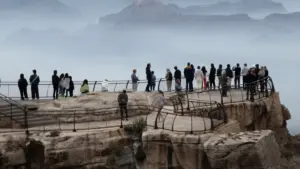
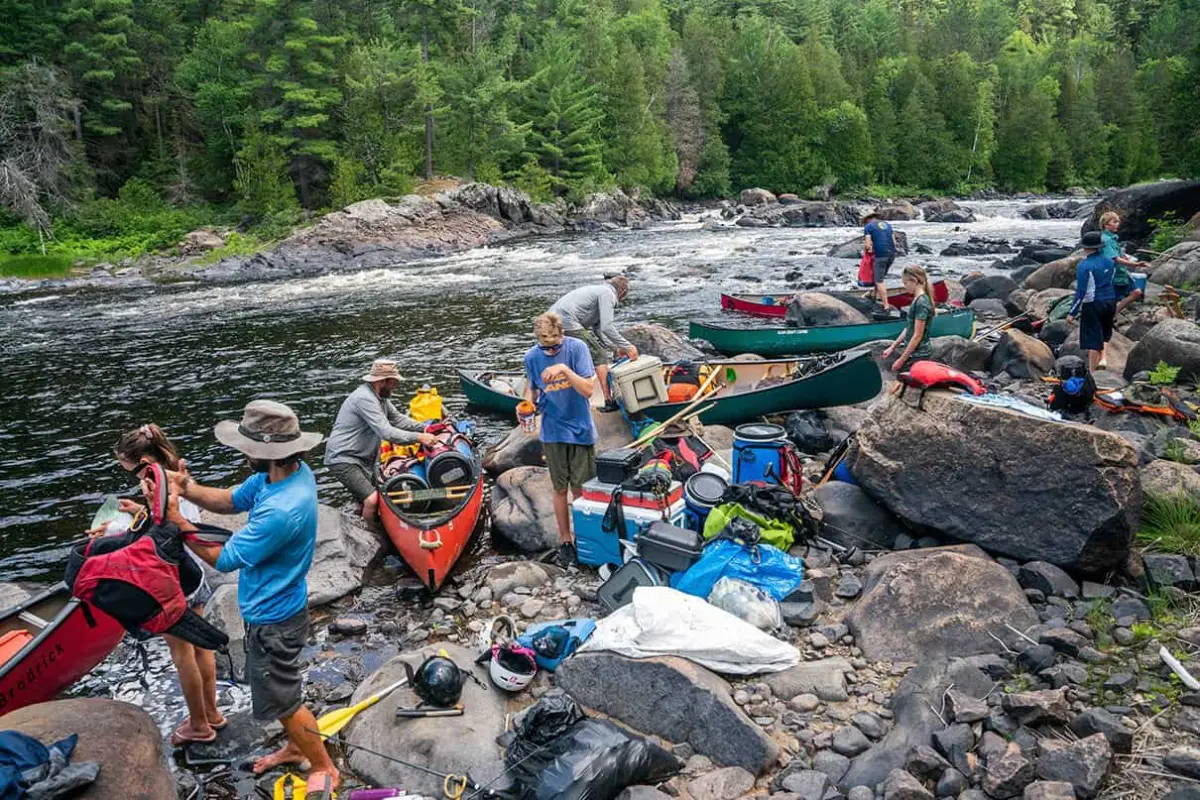
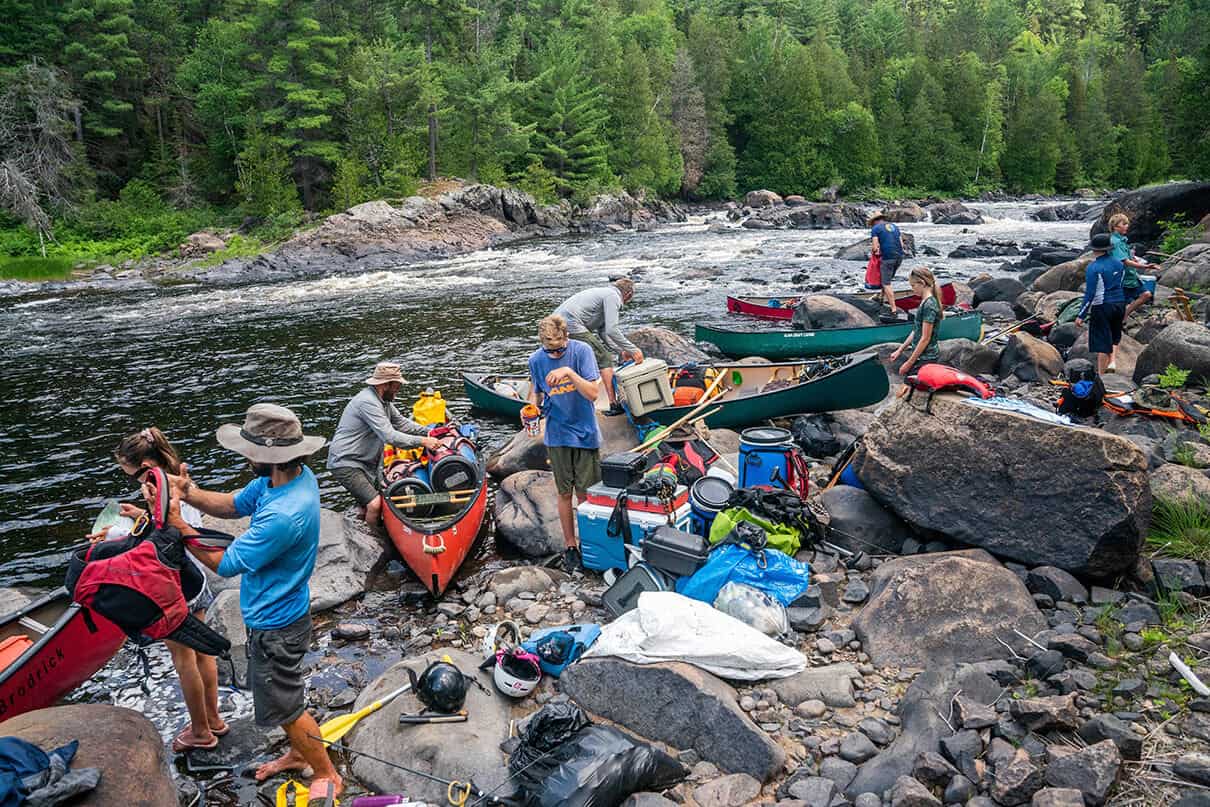
Across North America, the backcountry is experiencing an unprecedented cultural and demographic boom. From the tranquil labyrinth of the Boundary Waters to the rugged provincial parks of Ontario and the sprawling expanses of the U.S. National Park system, wild spaces are facing a wave of human traffic unlike anything seen in modern history. Months-long reservation windows, hyper-competitive lottery systems for permits, and bumper-to-bumper congestion at remote put-ins have become the frustrating new normal for outdoor enthusiasts.
For veteran outdoorsmen, authors, and long-time guides, this shift triggers a complex mixture of pride and existential dread. Chief among them is veteran canoeist, prolific author, and columnist Kevin Callan. Finding himself bottlenecked at a bustling portage—waiting patiently behind six separate canoes on a route he once navigated in absolute solitude—Callan faced a sobering, self-reflective question: Should I have written all those canoe guidebooks?
This article examines the profound paradox of contemporary outdoor recreation. By evaluating statistical metrics, shifting cultural norms, environmental impacts, and the philosophical dilemmas of outdoor media, we explore whether the democratization of the backcountry is an unmitigated triumph for conservation or a slow-motion catastrophe for wilderness preservation.
Detailed Chronology: The Evolution of Access and Overcrowding
To understand how North America’s backcountry transformed from a solitary sanctuary into a high-demand commodity, it is necessary to trace the historical trajectory of outdoor advocacy and cultural shifts over the last half-century.
Phase 1: The Era of Isolation (1970s–1990s)
Thirty years ago, entering the backcountry required specialized knowledge, heavy and rudimentary gear, and a high degree of self-reliance. Parks were largely under-visited, and guidebooks were niche publications passed quietly between dedicated subcultures. Put-ins were quiet, maps were hand-drawn or topographic sheets purchased at specialized outfitters, and encountering another party on a multi-day route was often a notable event. During this era, the primary mission of outdoor writers, outfitters, and early environmentalists was advocacy: fighting to keep parks open, preventing logging concessions within park boundaries, and actively convincing a largely indoor-dwelling public to step outside.
Phase 2: The Digital Shift and the Gear Revolution (2000s–2010s)
As the internet matured, information democratization accelerated. Specialized forums, blogs, and early digital mapping tools made route-planning vastly easier. Concurrently, outdoor equipment underwent a massive technological revolution; gear became lighter, more durable, and significantly more accessible to the average consumer. Parks departments began implementing reservation systems, but demand still largely matched infrastructure capacity.
Phase 3: The Pandemic Catalyst and Post-COVID Surge (2020–Present)
The COVID-19 pandemic acted as an unprecedented accelerant for outdoor recreation. Confined indoors and seeking safe, socially distanced avenues for mental and physical health, millions of citizens flooded local, state, and national parks. Unlike previous gradual increases, this surge arrived overnight—and it never receded. Parks visitation hit historic, record-shattering highs that have persisted year after year, fundamentally altering the logistics, ecology, and social contract of wilderness travel.
Supporting Context & Metrics: The Numbers Behind the Boom
The sensation of crowded campsites and gridlocked portages is not merely anecdotal; it is empirically backed by staggering national data from both sides of the Canada-U.S. border.
United States Visitation Metrics
The U.S. National Park Service (NPS) reported a monumental 331.9 million recreational visits in recent tracking years, showcasing a sustained demand that continues to test the limits of federal land management agencies.
According to comprehensive industry reports, 82.4 million Americans went camping last year—representing an astounding one-quarter of the total U.S. population. Perhaps most indicative of the cultural shift is the onboarding of new participants: 2.6 million individuals went camping for the very first time within that same period.
Canadian Park Metrics
North of the border, the trend mirrors the American experience with equal intensity. Parks Canada sites recorded more than 23 million visitors in recent multi-year tracking cycles, marking a massive leap upward from the 16 million visitors recorded during the 2018–2019 pre-pandemic baseline.
The Ecological Toll of Success
While these metrics validate decades of educational advocacy, they translate directly to physical wear and tear on fragile ecosystems. The symptoms of hyper-visitation are visible across popular backcountry corridors:
- Compacted Soils: Tent pads are worn thin down to bedrock or hardpan clay, preventing natural root regeneration and accelerating soil erosion during heavy rains.
- Resource Depletion: Deadfall timber is rapidly cleared away for campfires far exceeding the regenerative capacity of the surrounding forest, leaving firewood exceedingly scarce.
- Sanitation Pressures: Fire rings are frequently littered with micro-trash, tinfoil, and food waste, while improper human waste disposal strains the delicate microbial balance of remote watersheds.
Official Statements & Perspectives: Balancing Access with Preservation
The tension between accessibility and conservation has ignited fierce debates among land managers, conservationists, and cultural figures who shape how the public interacts with nature.
The Author’s Dilemma: Kevin Callan’s Reflection
Kevin Callan, author of 20 books including The Happy Camper and Wilderness Pleasures, reflects deeply on his role in fueling the very crowds that now challenge his peace of mind. For decades, Callan’s guidebooks invited thousands of readers to explore hidden Canadian waterways.
"Am I partly to blame?" Callan asks. "Writing canoeing guidebooks seemed innocent enough at the time. I figured if you get more people out into wilderness areas, then they’ll fall in love with it and want to protect it when it comes into peril."
Despite the frustrations of crowded portages, Callan refuses to repent for opening the door to others. He argues that crowded parks do not automatically translate to broken parks:
"Busy parks don’t have to be broken parks. I look at crowded canoe country as an inconvenience that comes with the success of getting more people outside and in love with wild places. We asked more people to care about wild places. Hopefully, now they do."
The Evolution of Backcountry Ethics
Optimists within the outdoor community point out that today’s surging crowds are fundamentally different from the casual recreationists of past decades. Modern educational campaigns—spearheaded by organizations promoting Leave No Trace principles—have fundamentally reshaped visitor behavior.
Thirty years ago, practices like proper bear bagging, mandatory fire bans compliance, deep cathole sanitation, and strict prohibitions against feeding wildlife were frequently ignored or entirely unknown to casual campers. Today, the vast majority of backcountry paddlers arrive equipped with:
- Waterproof maps, permits, and proper navigation tools.
- Personal Flotation Devices (PFDs) and safety gear.
- A baseline cultural understanding of wilderness etiquette.
When infractions occur, they are increasingly met with peer accountability. Outfitters, magazines, social media influencers, and park wardens now form a decentralized web of behavioral reinforcement, ensuring that newcomers are rapidly socialized into conservation-minded practices.
Future Outlook: Managing the Wilderness Paradox
As North America looks toward the future of outdoor recreation, park agencies and conservationists face a definitive fork in the road. The core challenge is no longer about attracting people to nature, but rather managing that presence sustainably so that the wilderness is not loved to death.
1. Technological Solutions and Dynamic Permitting
To prevent ecological collapse, park authorities are increasingly leaning toward restrictive management tools. Timed-entry systems, advanced lottery quotas, and dynamic backcountry permit allocations are becoming standard practice. While these measures often draw criticism from spontaneous travelers, they are vital administrative firewalls protecting fragile watersheds and wildlife corridors from hyper-concentration.
2. Infrastructure Investment and Geographic Dispersion
A key strategy for mitigating backcountry crowding involves developing alternative recreational corridors and upgrading infrastructure. By investing in lesser-known regional parks, developing secondary trail networks, and promoting lesser-traveled provincial and state lands, agencies can successfully diffuse the concentration of visitors currently overwhelming iconic flagship parks.
3. Deepening Conservation Education
As first-time campers continue to enter the ecosystem in historic numbers, institutionalizing outdoor ethics must remain a top priority. Educational touchpoints must occur at every stage of the consumer journey—from the moment a tent is purchased online, to the point of permit issuance, to signage at the trailhead.
Conclusion
The crowded canoe country conundrum is, at its heart, a success story burdened by its own momentum. The tens of millions of citizens currently pitching tents, paddling rivers, and hiking forest trails represent the ultimate realization of the conservation movement’s foundational dream: a public that deeply cares about the wild earth.
While the pristine solitude of an empty portage may be harder to find today, the alternative—a society indifferent to nature, sitting quietly indoors—is infinitely more dangerous to the future of the planet. The growing pains of modern outdoor recreation are real, but they are a price worth paying for a world that has finally learned to love the wild.