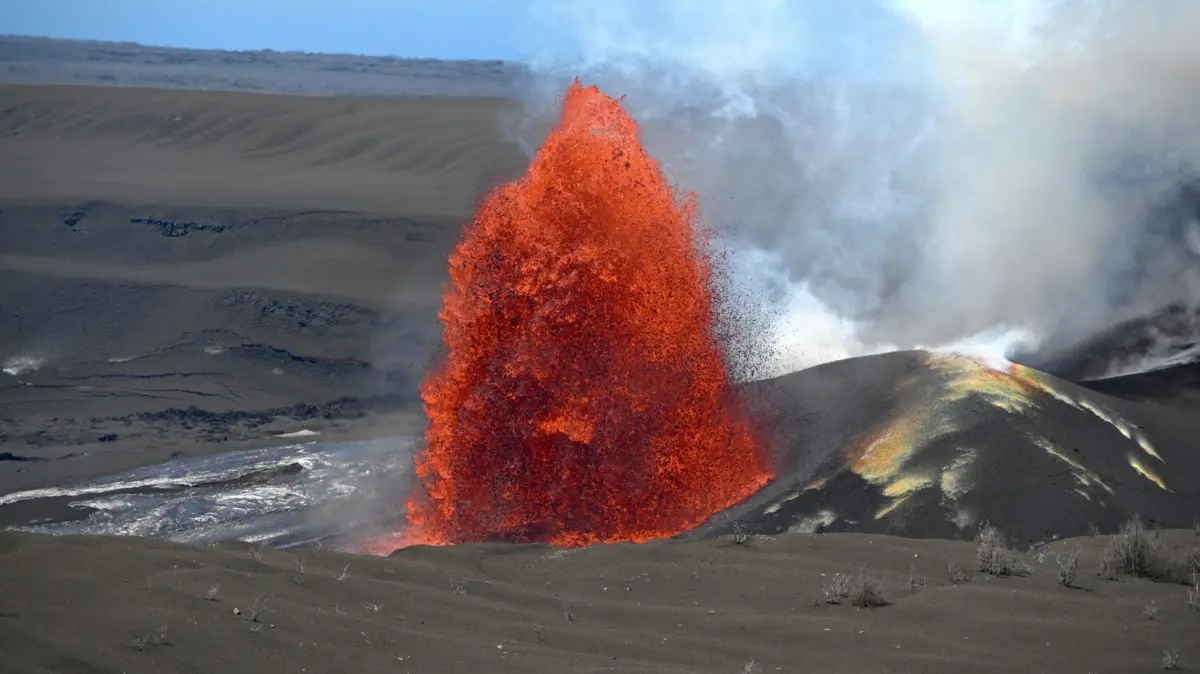
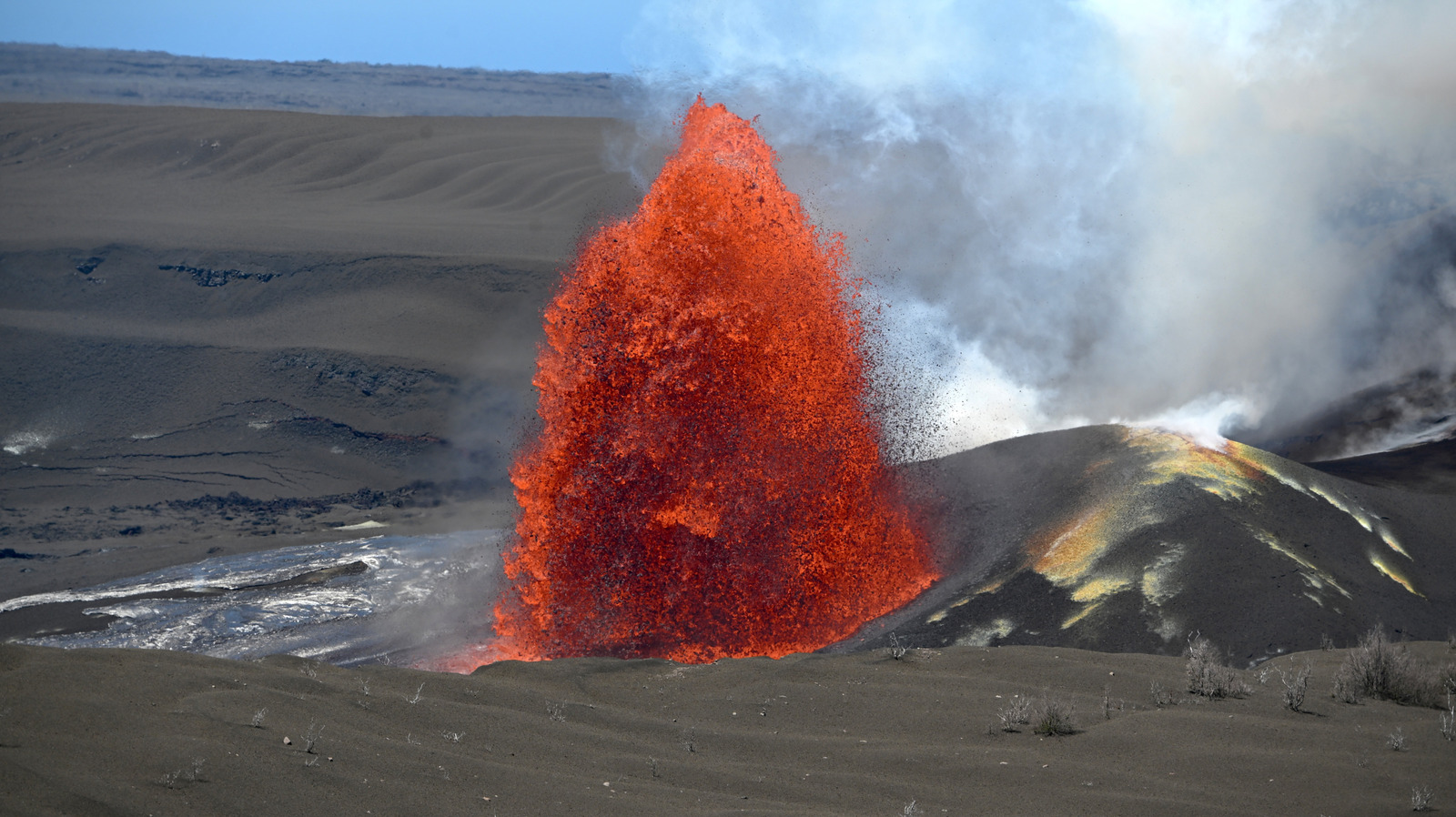
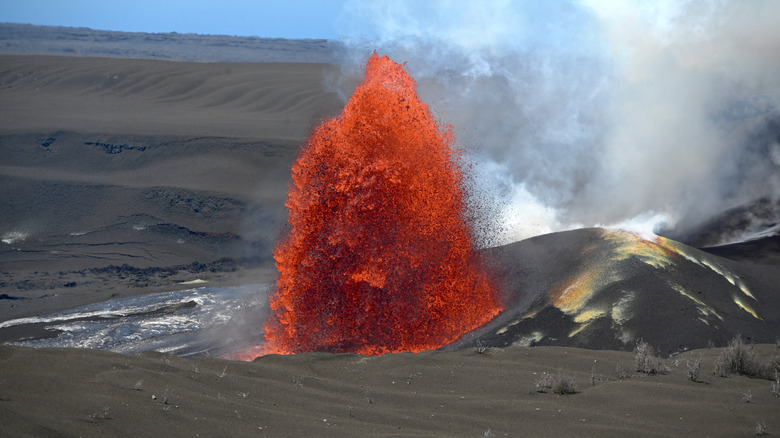
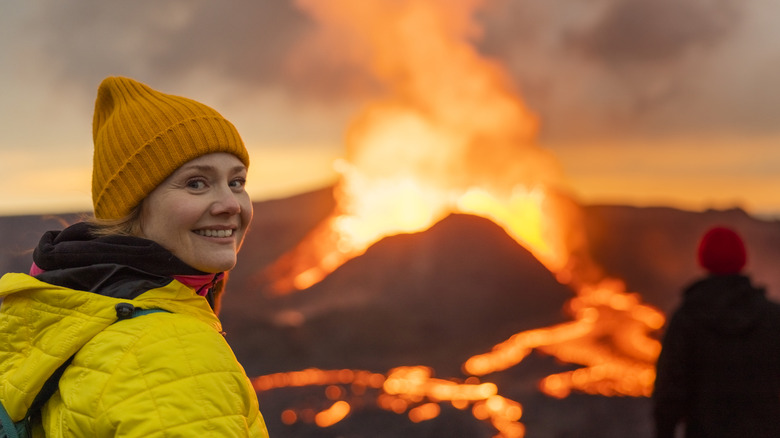
The United States mainland and its territories harbor approximately 169 active volcanoes, testing the boundary between awe-inspiring natural wonder and volatile geological hazard. From the perpetually active basaltic flows of Kīlauea in Hawaiʻi to the snow-capped, geologically complex peaks of Mount Rainier, Mount St. Helens, and Lassen Volcanic National Park, millions of visitors flock annually to the National Park System to witness the Earth’s formative processes firsthand.
However, this proximity to raw geodynamic power introduces significant risks. Active volcanic zones are characterized by invisible and lethal hazards: concentrated toxic gases, superheated pyroclastic material, abrasive ash plumes, treacherous hydrothermal crusts, and rapid mudflows known as lahars. While federal monitoring networks—operated in tandem with U.S. Geological Survey (USGS) volcano observatories—provide sophisticated early warning systems, the ultimate responsibility for survival falls upon the individual traveler. Drawing from decades of search-and-rescue data, federal directives, and direct insights from seasoned park rangers, this report outlines the nine non-negotiable protocols required to safely explore active volcanic landscapes.
The dynamic nature of volcanic environments means that environmental conditions can shift from benign to catastrophic in a matter of minutes. Unlike traditional wilderness hiking, where hazards are typically static (such as rugged terrain or wildlife encounters), volcanic activity introduces fluid, systemic threats that demand continuous situational awareness.
[Normal Baseline Conditions]
       │
       ▼ (Subtle seismic shift or subterranean pressure change)
[Rapid Environmental Degradation (< 10 minutes)]
       │
       ├──► Release of invisible, dense CO2 or SO2 gas pockets
       ├──► Sudden microclimate shift (hypothermal winds, ash-induced lightning)
       └──► Localized structural failure (thin hydrothermal crust / unstable caldera edge)
1. Carry Comprehensive Emergency Supplies
The unyielding rule of the backcountry is to prepare for the worst while hoping for the best. John Tillison, a former Washington State Parks ranger and founder of Park Ranger John, emphasizes that visitors must cover as many survival vectors as possible. "We always suggest having the 10 essentials with you when hiking," Tillison notes.
For volcanic environments, standard survival gear must be augmented:
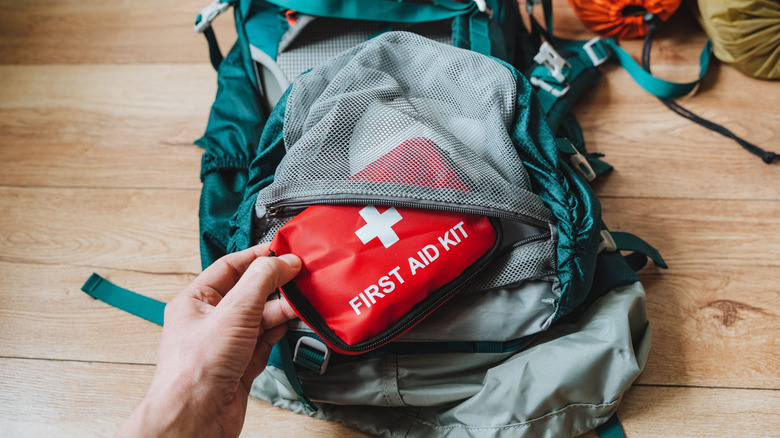
The Classic Ten: Water (at least one gallon per person, per day), high-energy food (such as trail mix), warm insulating layers, a reliable first aid kit, a knife, matches/fire-starters, sunscreen, and a high-lumens flashlight with extra batteries.
Volcano-Specific Additions: Given the prevalence of abrasive particulate matter, specialized eye protection (goggles) and N95-grade face coverings are strongly recommended by the National Park Service (NPS) to protect against respiratory and ocular damage during ash releases or high-wind sulfur dioxide events.
2. Strict Adherence to Perimeter Closures
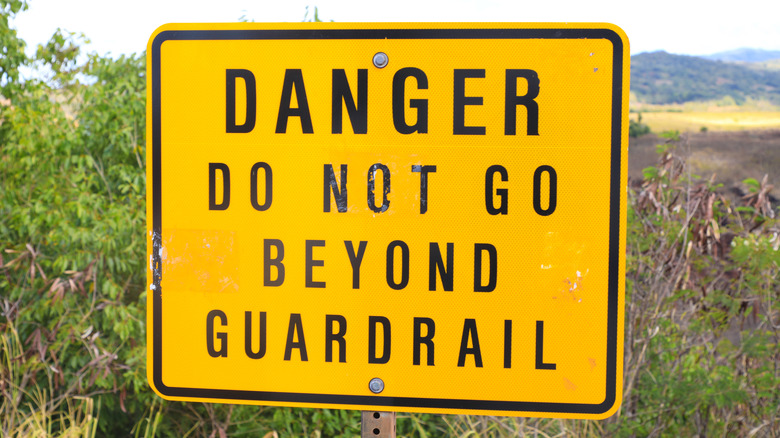
Venturing beyond designated boundaries in a volcanic park is not merely a rule infraction; it is frequently a fatal miscalculation. Hydrothermal areas often conceal catastrophically thin crusts over boiling subterranean water, while low-lying depressions can trap odorless, invisible carbon dioxide ($CO_2$) gas that displaces oxygen instantaneously.
Jack Corrao, chief ranger at Hawaiʻi Volcanoes National Park, issued a stark warning following repeated unauthorized intrusions: "All it takes is a slight change in wind direction, and offenders could inhale a fatal dose of volcanic gas. One misstep or a crumbling cliff edge and they could plunge into the vast pit of molten rock or to the crater floor."
The deadly reality of these warnings was underscored in February 2026, when emergency search and rescue teams labored overnight to locate a 33-year-old individual who breached restricted boundaries on the east side of the Kīlauea caldera. The hiker was recovered the following day and pronounced dead at a regional hospital, highlighting how unauthorized wandering strains emergency resources and virtually guarantees a tragic outcome.
3. Anticipating Volcanic Microclimates and Weather Volatility
Visitors frequently fixate on extreme ambient heat, surface radiation, and thermal burns from lava. However, veteran park rangers emphasize that environmental exposure and sudden weather shifts present an equally lethal danger. Scott Berkenfield, a former park ranger, notes that hypothermia remains the single greatest threat to lost or stranded visitors, even during warm summer months at high-altitude calderas.
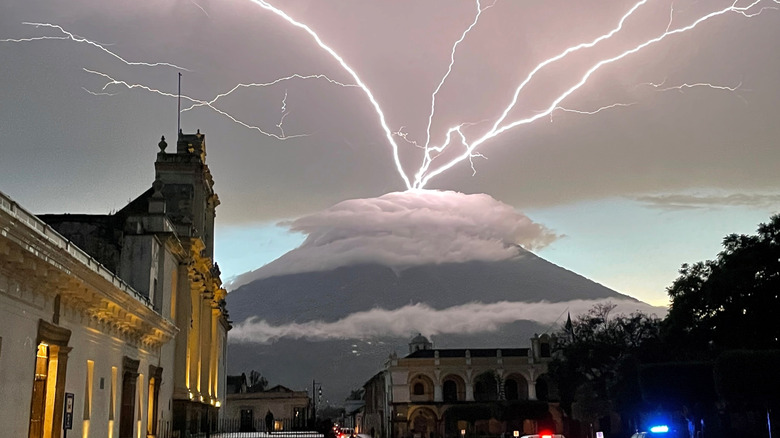
Furthermore, volcanic plumes generate their own localized meteorology. Particulate friction within rising ash clouds frequently triggers violent dry lightning storms. Greg Purifoy, a ranger at Lassen Volcanic National Park, advises: "The best thing to do in a thunder and lightning storm is to go indoors. The next best thing is to go inside a vehicle with the windows rolled up. If you are stuck outside, move to a low point."
Day-hikers are statistically the most vulnerable demographic in volcanic wilderness areas. Unlike well-equipped backpackers carrying multi-day shelters, day-trippers rarely pack emergency bivouac gear.
Andrew Herington, an experienced wildlife ranger and survival instructor, explains the psychological trap to National Geographic: "When you’re out there, and you don’t have a sleeping bag and tent, or extra clothing for the overnight experience, you’re much more vulnerable, and that tends to be where most people get in trouble."
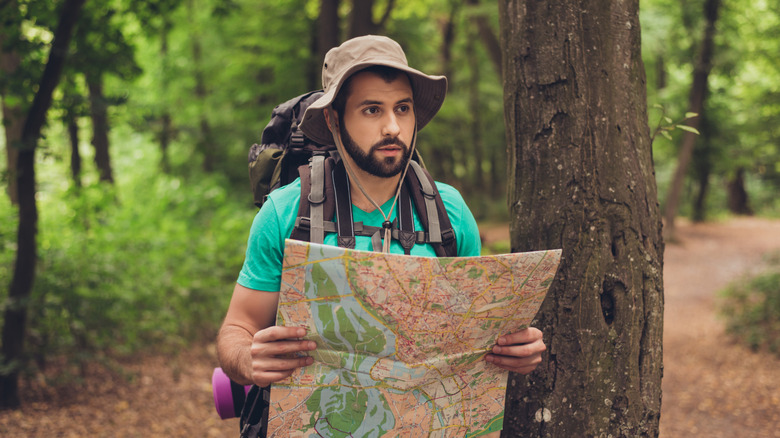
To mitigate this, travelers must rely on redundant navigation tools: downloading official National Park Service mobile applications, packing physical topographic maps and a magnetic compass, and carrying a reliable GPS beacon. In the event of disorientation, utilizing frameworks like the S.T.O.P. method—Stop, Think, Observe, and Plan—prevents panicked wandering deeper into hazardous volcanic terrain.
5. Technical Apparel and Footwear Selection
Dressing for a volcanic excursion requires deliberate attention to material science. Open-toed shoes, sandals, and skirts are strictly prohibited by safety boards for good reason.
Capulin Volcano and Hawaiʻi Volcanoes safety guidance mandates:
Full-Coverage Clothing: Long trousers and long-sleeved shirts constructed from tightly woven, natural or fire-retardant fibers to protect against intense solar radiation, abrasive brush, and drifting ash.
Specialized Footwear: Sturdy, ankle-supporting hiking boots with thick rubber soles. Volcanic glass and newly cooled basalt formations possess razor-sharp edges capable of slicing through standard footwear and lacerating human tissue instantly.
Accessories: Heavy-duty leather or work gloves are essential for gripping or steadying oneself near active lava viewing zones where sharp rock edges predominate.
6. Absolute Compliance with Ranger Directives
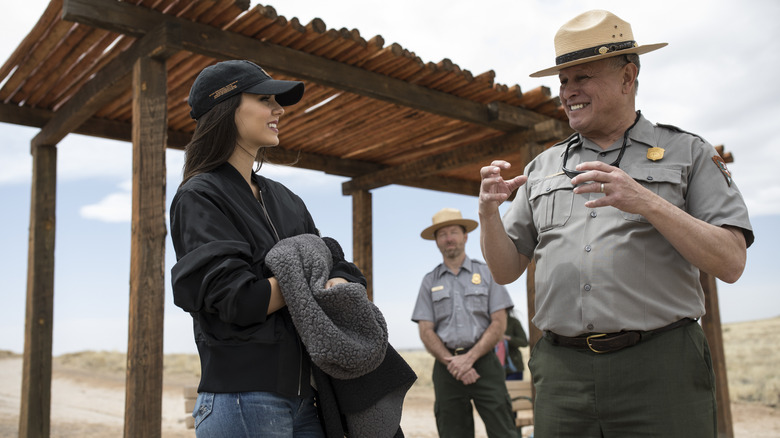
While park rangers provide baseline educational material, their primary operational function during an evolving geological event is immediate hazard mitigation. Whether delivered in person or via automated emergency alerts, instructions from rangers must be followed implicitly.
This absolute compliance extends to self-rescue protocols. The National Park Service explicitly advises visitors not to independently search for missing companions in volcanic terrain. As Stephen T. Mather, the first director of the National Park Service, famously observed: "If a trail is to be blazed, it is ‘send a ranger.’ If an animal is floundering in the snow, a ranger is sent to pull him out… if someone is to be saved, it is ‘send a ranger.’" Amateur search efforts routinely result in multiple casualties.
7. Vehicular Safety in Geothermal Corridors
While many volcanic sites require arduous foot travel, several destinations—such as the Summit Drive at Kīlauea, Iceland’s rugged interior routes toward Lake Askja, and the paved ascent of Capulin Volcano—allow vehicular transit.
Driving in active volcanic zones introduces unique mechanical vulnerabilities:
Ash Hazards: Volcanic ash acts as an aggressive abrasive. It strips vehicle paint, clogs air and oil filters, ruins mechanical bearings, and renders asphalt roads as slick as ice when mixed with minimal precipitation.
Evacuation Protocol: The Centers for Disease Control and Prevention (CDC) advises motorists caught in an eruption to keep vehicle windows fully rolled up, air conditioning systems completely turned off (to prevent drawing in toxic ash and gases), and to strictly follow designated evacuation corridors away from the directional path of plumes and mudflows.
8. Fluid and Rapid Evacuation Protocols
The public perception that volcanic eruptions provide comfortable, hours-long advance notice is largely a myth. While USGS observatories achieve remarkable monitoring accuracy, subsurface dynamics can shift with terrifying speed.
When an evacuation order is issued:
Evacuate immediately along pre-identified regional routes.
Move strictly crosswind relative to active ash or gas plumes to avoid asphyxiation.
Avoid deep valleys, ravines, and river gullies, which act as natural funnels for pyroclastic flows and catastrophic mudflows (lahars). Seek immediate high ground and shelter in place if trapped.
9. Itinerary Registration and Satellite Communication Gear
The fundamental axiom of wilderness survival is simple: inform a trusted third party of your precise itinerary and expected return time. Relying solely on cellular devices is perilous; national parks frequently feature dead zones, and sub-zero or high-altitude temperatures drain lithium-ion phone batteries within hours.
Investing in a dedicated, ruggedized satellite GPS messenger (such as an inReach or PLB) provides a reliable lifeline when terrestrial cell towers fail. However, park officials caution against over-reliance on digital wayfinding. As an official advisory from the Delaware Water Gap National Recreation Area notes: "Blindly listening to your GPS can get you very lost and, without another form of navigation, very stuck."
Supporting Context & Metrics
Volcanic Hazard
Primary Mechanism
Recommended Mitigation
Volcanic Gases ($CO_2$, $SO_2$)
Displacement of oxygen; respiratory failure.
Obey perimeter closures; carry N95 respirators.
Pyroclastic Surges & Flows
Superheated gas, ash, and rock fragments moving at 100+ mph.
Immediate evacuation crosswind and to high ground.
Lahars (Mudflows)
Melted snow/ice mixed with ash cascading down river valleys.
Ascend immediately out of valleys and drainage basins.
Wear heavy boots, long trousers, and durable gloves.
Hypothermia
Rapid drop in core body temperature due to high-altitude winds and storms.
Pack multi-layer thermal insulation and emergency shelter.
Official Statements
"All it takes is a slight change in wind direction, and offenders could inhale a fatal dose of volcanic gas. One misstep or a crumbling cliff edge and they could plunge into the vast pit of molten rock or to the crater floor."
— Jack Corrao, Chief Ranger, Hawaiʻi Volcanoes National Park
"If a trail is to be blazed, it is ‘send a ranger.’ If an animal is floundering in the snow, a ranger is sent to pull him out; if a bear is in the hotel, if a fire threatens a forest, if someone is to be saved, it is ‘send a ranger.’"
— Stephen T. Mather, First Director of the National Park Service
Future Outlook
As geoscientists and federal agencies integrate machine learning models and real-time seismic sensor arrays into national park monitoring networks, volcanic eruption prediction rates continue to improve—hovering near 90% accuracy in intensely monitored zones like the Cascade Range and Kīlauea. However, technological advancement cannot replace human discipline.
As visitation numbers across the National Park System continue to shatter historical records, park management agencies are shifting toward stricter permitting models, mandatory digital safety check-ins at trailheads, and zero-tolerance enforcement for perimeter violations. For the modern eco-tourist and adventurer, respecting the sovereign power of an active volcano requires humility, rigorous preparation, and absolute deference to the expertise of park rangers on the front lines of geological safety.