






Executive Overview
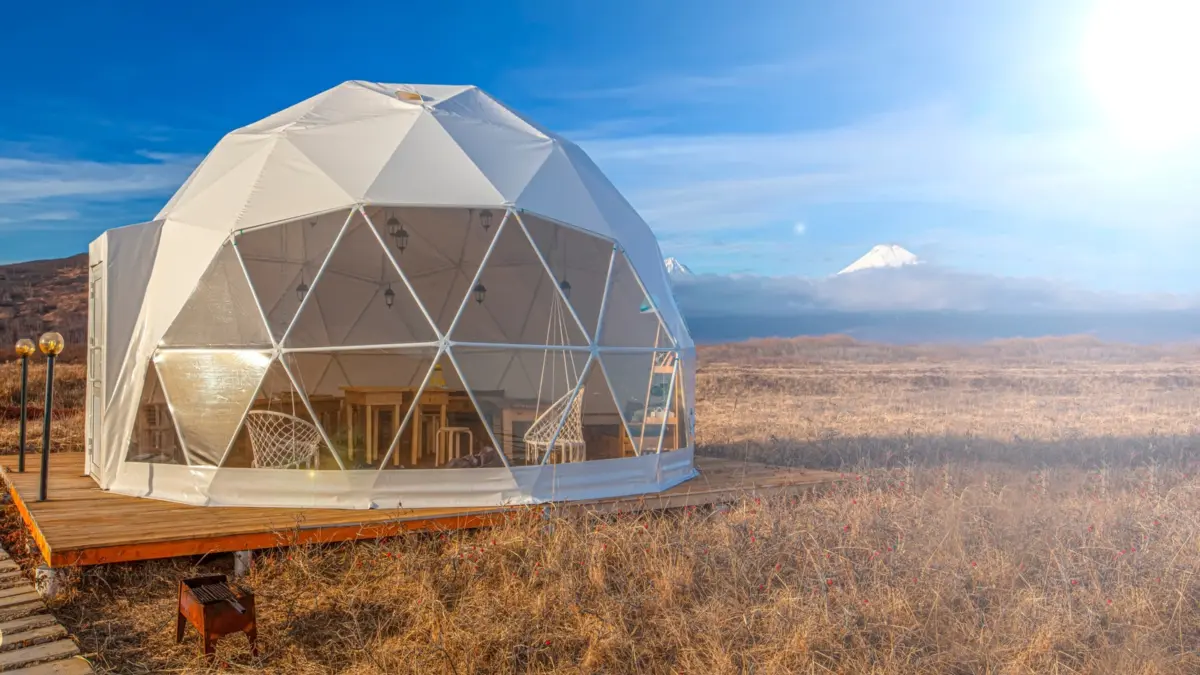
In an era dominated by relentless digital connectivity, algorithmic noise, and urban density, a quiet revolution is taking root in the American travel landscape. Traditional hospitality models centered around four-walled hotel rooms and urban high-rises are increasingly yielding to a transformative way of experiencing the great outdoors: the geodome.
Characterized by their sweeping, aerodynamic frames and expansive glass walls and ceilings, geodomes offer travelers an immersive gateway into nature without requiring them to sacrifice modern luxuries. From the snow-laden peaks of Alaska to the sun-baked expanses of the Chihuahuan Desert, these dome-shaped architectural wonders place stargazing at the absolute forefront of the travel experience.
Coupled with the explosive growth of dark sky tourism—a movement driven by travelers seeking certified light-pollution-free zones to reconnect with the night sky—geodomes have swiftly transitioned from experimental glamping novelties to high-demand, premier accommodations. This comprehensive report explores 11 breathtaking geodome destinations across the United States, examining their unique architectural features, localized amenities, regional attractions, and the shifting travel psychographics fueling this outdoor hospitality boom.
Detailed Chronology of the Geodome Phenomenon
The architectural lineage of the geodesic dome traces back to early 20th-century engineering, most notably popularized by visionary designer Buckminster Fuller in the late 1940s. Fuller engineered the dome as an exceptionally strong, lightweight, and resource-efficient structure capable of enclosing vast spaces without interior supports. For decades, however, these structures remained relegated to military applications, scientific outposts (such as radar stations in the Arctic), and experimental counter-culture housing.
It was not until the late 2010s and early 2020s that hospitality innovators recognized the commercial and experiential potential of merging geodesic engineering with high-end hospitality.
- Phase I: The Glamping Genesis (2018–2020): Early adopters in remote desert and mountain enclaves began erecting canvas-and-pvc geodesic frames. These initial setups served as an upscale alternative to traditional tent camping, offering hard flooring and basic insulation, primarily targeting rugged outdoor enthusiasts.
- Phase II: The Glass-Wall Evolution (2021–2023): As manufacturing capabilities evolved, developers introduced rigid polycarbonate and tempered glass panels. This technological leap allowed for 360-degree panoramic views and climate-control integration. Resorts began outfitting these spaces with king-sized beds, private en-suite bathrooms, and high-efficiency HVAC systems capable of withstanding extreme thermal shifts.
- Phase III: The Immersive Stargazing Era (2024–Present): Today’s geodome market represents a sophisticated segment of experiential travel. Outfitted with smart telescopes, automated blackout curtains, private hot tubs, and localized audio guides, contemporary geodomes cater to wellness-seekers, astrophotographers, and luxury travelers looking to completely unplug in certified International Dark Sky reserves.
The Premier Geodome Destinations in the United States
1. Clear Sky Resorts: Grand Canyon, Arizona & Bryce Canyon, Utah
Positioned near two of America’s most iconic natural geological wonders, Clear Sky Resorts delivers a high-end glamping experience designed to blend whimsical design with serious stargazing.
- Grand Canyon Location: Situated a 25-minute drive south of the South Rim entrance, this resort features domes with distinct thematic decors—ranging from ’80s video games and British secret agents to space galaxies and pink unicorns—alongside standard non-themed units.
- Bryce Canyon Location: Located roughly 20 minutes from the world-class dark skies of Bryce Canyon National Park, this property features rates starting at approximately $296.25 per night. Domes comfortably host two to four guests.
- Amenities & Activities: Outfitted with climate control, private patios, mini-fridges, microwaves, and Wi-Fi. Deluxe units boast private fireplaces and specialized sound systems. Central hub domes at both sites host live music, yoga sessions, and communal evening campfire gatherings complete with complimentary s’mores and guided telescope tours.
2. Borealis Basecamp: Fairbanks, Alaska
For travelers pursuing the ultimate Arctic phenomenon, Borealis Basecamp offers an unmatched front-row seat to the Northern Lights. Located less than an hour outside Fairbanks, the property leverages Alaska’s pristine winter dark skies.
- Accommodations: While the resort features cubes and cube suites with floor-to-ceiling windows, its signature accommodations are the 12-foot-ceiling igloo geodomes, providing 360-degree overhead views of the auroral oval.
- Unique Features: Guests can enroll in an automated aurora wake-up service, ensuring they never miss a late-night light display.
- Adventures: The resort curates an extensive roster of bucket-list excursions, including sled dog rides, reindeer walks, snowcoach tours, helicopter flights, and Arctic Circle driving expeditions.
3. StarStruck Glamping: Big Bend, Texas
Set deep within the world’s largest Dark Sky Certified region, StarStruck Glamping provides an ultra-remote escape spread across 80 private acres near Big Bend National Park.
- Infrastructure: Located three miles off the main road to eliminate light pollution, the solar-powered domes include climate control, full bathrooms, Wi-Fi, and outdoor kitchen setups.
- Stargazing Tools: Every dome is equipped with a dedicated telescope and a 30-minute immersive stargazing audio guide. Nightly rates range from $250 to $600.
4. Quail Wash Retreat: Joshua Tree, California
Blending desert bohemian aesthetics with high-tech astronomy, Quail Wash Retreat sits on 25 private acres approximately one hour outside Palm Springs, right on the doorstep of Joshua Tree National Park—a certified International Dark Sky Park.
- The Geodesic Star Dome: Featuring soaring 20-foot ceilings, a king-sized bed, and full climate control, the dome is paired with elite wellness amenities including a sauna, hot tub, cold plunge, and outdoor shower.
- Astrophotography Integration: The property supplies a Vespera 3 smart telescope, allowing guests to leverage mobile applications to target celestial bodies, auto-focus, and live-stack astrophotographs in real time. Rates range from $600 to $960 per night.
5. The Glamping Collective: Asheville, North Carolina
Elevating the geodome concept to the lush summits of the Blue Ridge Mountains, the Glamping Collective features Ultra Luxe Domes that span 400 square feet of interior space.
- Interior & Exterior Balance: Each dome features a king-sized bed, kitchenette, and private bathroom. Outside, private hot tubs and fire tables overlook 40-mile panoramic mountain views.
- Recreation: Guests have access to 5 miles of private hiking trails directly on the property, including a route ascending to a 4,334-foot summit. Nightly rates exceed $600.
6. The Kosmic Tortoise: Twentynine Palms, California
Offering an intimate, budget-conscious desert escape, The Kosmic Tortoise is situated just 10 minutes from the Twentynine Palms entrance of Joshua Tree National Park.
- Design & Capacity: Comprising just two solar-powered, air-conditioned domes on a private residential property, each unit accommodates two guests on a queen bed (with optional twin rollaways).
- Convenience: Ranging from $165 to $239 per night, the retreat balances remote seclusion with immediate access to the artsy dining and retail attractions of Twentynine Palms.
7. White Camel: Kanab, Utah
Positioned at the geographical epicenter of the American Southwest’s canyon country, White Camel in Kanab places guests within striking distance of Zion, Bryce Canyon, and the Grand Canyon.
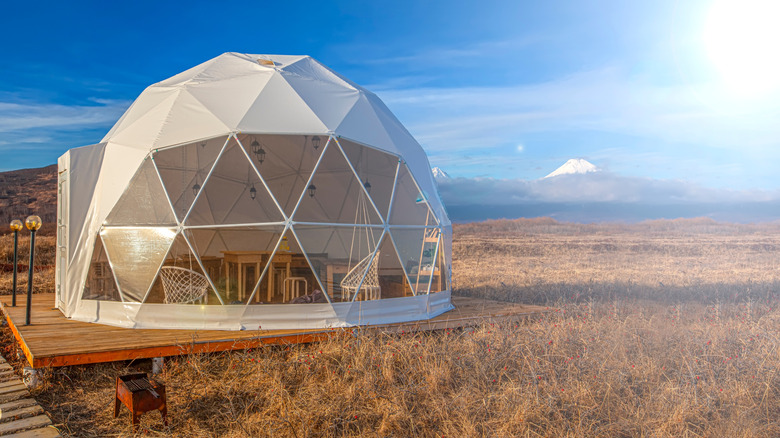
- Amenities: These fully equipped geodomes feature full kitchens, private outdoor dining spaces, climate control, fire pits, and high-powered telescopes.
- Guest Experience: Highly rated for its pristine modern bath facilities and lunar-viewing clarity, nightly rates average $573.
8. Pagosa River Domes: Pagosa Springs, Colorado
As Colorado’s pioneering geodesic dome resort, Pagosa River Domes lines the banks of the San Juan River in Pagosa Springs.
- Local Attractions: Located just minutes from the world-famous Springs Resort and the International Dark Sky Park at Chimney Rock National Monument, these domes offer a mix of aquatic wellness and high-altitude stargazing. Nightly rates range from $249 to $279.
9. Two Capes Lookout: Pacific City, Oregon
Bridging rugged coastal cliffs and temperate rainforests, Two Capes Lookout sits on 58 private acres along the Oregon coast between Cape Kiwanda and Cape Lookout.
- Coastal Stargazing: Featuring both mirror cabins and geodomes, the property rewards visitors with rare coastal breaks in the clouds, opening up sweeping oceanic horizons and starry night skies visible through operable ceiling portals above the bed. Nightly rates range from $350 to $400.
10. The Summit at Big Bend: Terlingua, Texas
Sprawled across 1,000 private acres near Big Bend National Park, The Summit offers an extensive selection of Stargazing Domes, Super Stargazing Domes, and Stargazer Deluxe Suites.
- Tiered Offerings: Ranging from $199 to $375 per night, options scale from intimate two-person units utilizing pristine communal bathhouses to sprawling multi-room deluxe suites featuring private indoor plumbing and loft spaces.
11. The Domes Nature Retreat: High Rolls, New Mexico
Designed for ultimate group privacy, The Domes Nature Retreat rents its entire 34-acre New Mexico property to a single party at a time. Accommodating up to 15 guests, the retreat provides two geodomes, an in-house art gallery, wrap-around decks, and easy access to White Sands National Park for $212.50 per night.
Supporting Context & Metrics
The rapid expansion of the geodome hospitality sector is underscored by shifting consumer behavior metrics across the global travel industry:
- The Rise of Dark Sky Tourism: According to international travel boards, searches for "Dark Sky Parks" and "stargazing hotels" have increased by over 140% since 2021. Travelers are actively prioritizing acoustic and visual quietude over traditional nightlife-centric destinations.
- Capitalizing on Remote Land: Geodomes offer property developers a high-ROI alternative to traditional real estate construction. Because they utilize modular geodesic framing and often operate on decentralized solar and water setups, landowners can monetize ecologically sensitive terrain with minimal environmental footprint.
- The Glamping Market Valuation: The global glamping market—within which geodomes represent the highest-growth luxury tier—is projected to surpass $5 billion by the end of the decade, driven largely by millennial and Gen Z demographic cohorts favoring experiential, photogenic accommodations.
Official Statements and Industry Insights
Hospitality analysts and environmental advocates have noted a profound psychological shift in how modern tourists define luxury.
Dr. Elena Vance, a hospitality trend researcher, notes:
"Luxury used to mean marble lobbies, valet parking, and excessive square footage in urban centers. Today, true luxury is defined by access to unpolluted sensory inputs—silence, clean air, and an unobstructed view of the night sky. Geodomes democratize this experience by placing the cosmos directly above the pillow while maintaining five-star interior comforts."
Furthermore, park authorities within certified Dark Sky regions emphasize the educational value of these immersive stays. Representatives from DarkSky International highlight that commercial ventures incorporating high-powered smart telescopes directly into their guest packages actively foster public engagement with astronomy and nocturnal conservation efforts.
Future Outlook
As manufacturing techniques advance and consumer demand for unplugged, wellness-oriented travel intensifies, the geodome landscape is poised for continued evolution.
In the near future, industry experts anticipate several key developments:
- Enhanced Off-Grid Autonomy: Future geodome installations will increasingly integrate advanced photovoltaic glass, greywater recycling loops, and wind-turbine micro-generation, allowing luxury resorts to operate with net-zero carbon footprints in hyper-remote wilderness zones.
- Smart Astrophotography Integration: Building on the success of smart telescopes like the Vespera series, upcoming dome properties will likely feature built-in observatory domes and automated recording systems that capture and email guests’ customized astrophotography files upon checkout.
- Regulatory and Zoning Adaptations: As municipalities near national parks and wilderness preserves establish clearer zoning frameworks for temporary and semi-permanent structures, expect stricter environmental guidelines balanced with streamlined approval processes for eco-conscious developers.
Ultimately, geodomes represent more than a passing architectural trend in hospitality. They serve as a vital bridge between human habitation and the natural world, proving that travelers no longer need to choose between modern comfort and the primordial wonder of sleeping under the stars.