





Executive Overview
While Seattle is globally renowned for its pioneering coffee culture, towering tech campuses, and the iconic silhouette of the Space Needle, the Pacific Northwest seaport also stands as a critical maritime juggernaut. As the premier embarkation and disembarkation hub for voyages heading north, the Port of Seattle serves as the ultimate gateway to the untamed, glacier-carved coastlines of Alaska.
Whether you are a seasoned cruiser preparing for a quintessential Inside Passage itinerary or a first-time traveler embarking on a Pacific coastal repositioning route, understanding the logistics of Seattle’s maritime infrastructure is paramount. The city operates two distinct, highly active cruise ship terminals: the Bell Street Cruise Terminal at Pier 66 and the Smith Cove Cruise Terminal at Pier 91.
Because these two major facilities sit miles apart along the downtown and northern waterfronts, verifying your specific ship’s departure point is a critical first step in preventing pre-cruise panic. This comprehensive guide provides an authoritative, deep-dive analysis of Seattle’s cruise ecosystem, detailing terminal locations, ground transportation options, parking facilities, luggage management, accessibility features, and the vibrant local attractions that make the Emerald City a world-class pre- and post-cruise destination.
Detailed Chronology & Operational Evolution of Seattle’s Cruise Ports
The ascension of Seattle as a preeminent North American cruise port did not happen overnight; it is the result of a deliberate, multi-decade strategic investment by the Port of Seattle to capture the burgeoning Pacific Northwest and Alaskan tourism markets.

A Quarter-Century of Maritime Growth
For the past 25 years, the Port of Seattle has steadily cemented its reputation as a vital lifeline for the Alaska cruise industry. In an era when travelers increasingly seek immersive, bucket-list expeditions into the wilderness, Seattle positioned itself as a seamless, accessible alternative to other West Coast departure points like San Francisco and Vancouver, British Columbia.
The economic trajectory of this sector is staggering. In the 2023 cruise season alone, a record-breaking 251 cruise ships departed from Seattle terminals bound for Alaska. Industry forecasts and port authorities anticipated this momentum to accelerate further, projecting upward of 275 vessel departures in subsequent seasons. Hundreds of thousands of passengers funnel through the city’s waterfront facilities annually, transforming the local hospitality, culinary, and transportation sectors.
Pier 66: The Downtown Pioneer
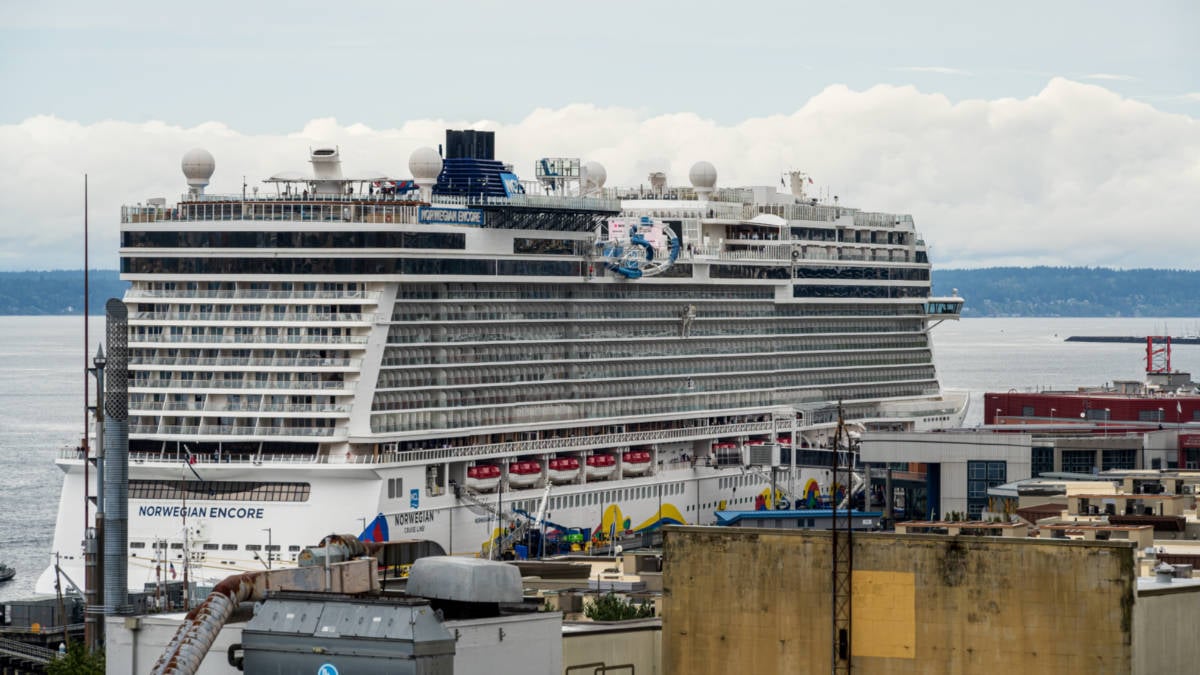
The Bell Street Cruise Terminal at Pier 66 opened its doors as part of a master-planned, 11-acre multi-use waterfront complex designed to integrate maritime commerce with public recreation. Located at 2225 Alaskan Way South, Seattle, WA 98121, Pier 66 sits comfortably in the heart of downtown, mere blocks away from cultural touchstones like Pike Place Market and the Seattle Aquarium. Capable of hosting two cruise ships simultaneously, Pier 66 historically serves as the primary home for premium and luxury lines, most notably Norwegian Cruise Line, offering a downtown-centric embarkation experience that places passengers right in the middle of the urban action.
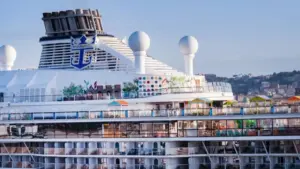
Pier 91: The Heavyweight Hub
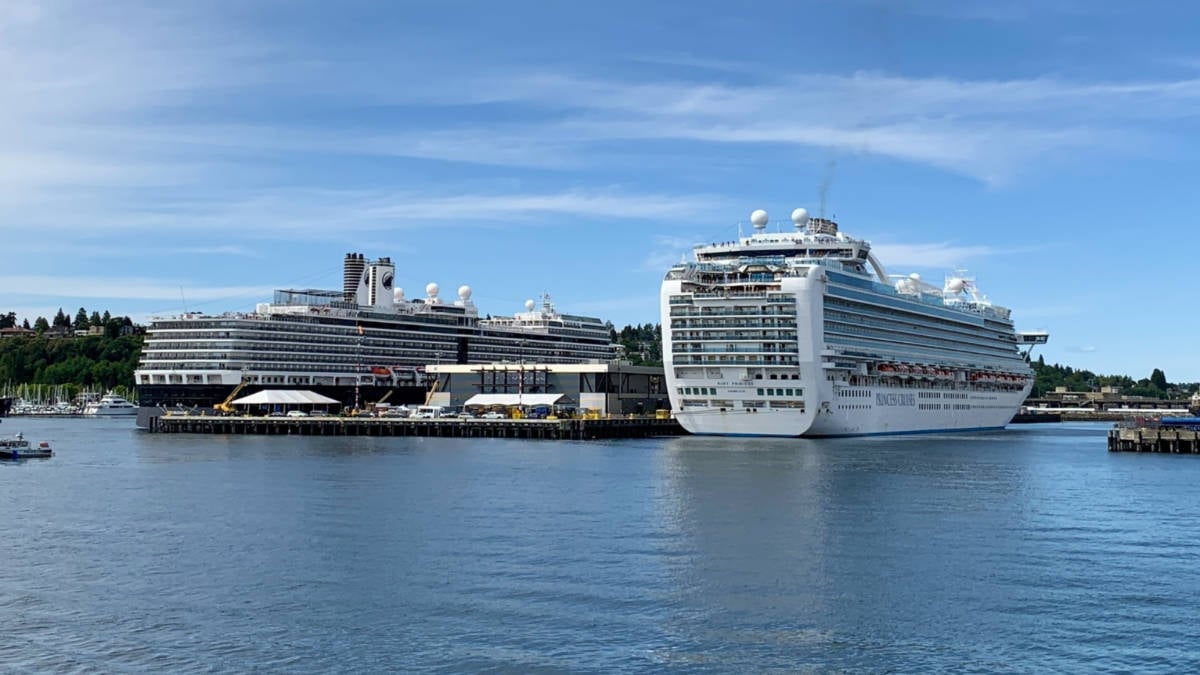
Recognizing the rapid expansion of mega-ships and the growing roster of cruise lines seeking a Seattle footprint, the Port of Seattle developed the Smith Cove Cruise Terminal at Pier 91. Located at the northern end of the city’s waterfront at 2001 West Garfield Street, Seattle, WA 98119, this facility is situated roughly three miles northwest of the downtown core, near the historic Magnolia neighborhood. Pier 91 features two expansive berths and serves as the primary home port for a diverse fleet of major international cruise brands, including Carnival Cruise Line, Celebrity Cruises, Holland America Line, Princess Cruises, Royal Caribbean, and Virgin Voyages.

Supporting Context & Metrics: Terminal Comparison and Logistics
Navigating the nuances between Pier 66 and Pier 91 can make the difference between a tranquil embarkation day and a stressful scramble. Below is a detailed breakdown of the infrastructure, passenger services, and logistical metrics for both facilities.
Pier 91 (Smith Cove Terminal) Breakdown
- Address: 2001 West Garfield Street, Seattle, WA 98119
- Location: Approximately 3 miles north of downtown Seattle.
- Serving Lines: Carnival Cruise Line, Celebrity Cruises, Holland America Line, Princess Cruises, Royal Caribbean, and Virgin Voyages.
- Check-In Infrastructure: Pier 91 processes all passengers through a single general check-in hall. Unlike Pier 66, there is no dedicated, separate entrance or line specifically designated for suite-level guests during the initial queue.
- Passenger Amenities: While there are no sit-down cafes directly inside the secure terminal footprint, arriving passengers are frequently greeted with complimentary soft drinks. The terminal boasts ample seating overlooking sweeping waterfront vistas, clean restrooms, and an on-site ATM.
- Luggage & Ground Services: Red-cap porters are stationed prominently to assist with baggage handling. The facility offers secure pre- and post-cruise baggage storage, an on-site car rental kiosk, and a robust ground transportation hub servicing taxis, app-based rideshares, and dedicated motorcoaches.
- Parking Logistics: On-site parking is available at $29 per day, though passengers can secure a $2 discount per day by booking their parking spaces online in advance. A complimentary shuttle service operates continuously between the parking lot and the terminal entrance to assist travelers with heavy bags.
Pier 66 (Bell Street Pier Cruise Terminal) Breakdown
- Address: 2225 Alaskan Way South, Seattle, WA 98121
- Location: Directly integrated into the downtown waterfront, roughly 15 miles north of Seattle-Tacoma International Airport (Sea-Tac).
- Serving Lines: Primarily Norwegian Cruise Line and select seasonal visitors.
- Check-In & VIP Infrastructure: Pier 66 features a dedicated VIP and suite passenger waiting area, providing an elevated, expedited experience for high-tier loyalty members and travelers booked in upper-tier accommodations.
- Passenger Amenities: Similar to Pier 91, the terminal offers sweeping waterfront views, comfortable seating arrangements, restrooms, and complimentary soft drinks upon arrival. No full-service cafes operate within the terminal building itself.
- Luggage & Baggage Storage: Red-cap porters are readily available for luggage drop-off. Secure baggage storage services are available on-site for travelers looking to explore the city prior to boarding or after disembarkation; however, all stored bags must be reclaimed by 3:30 PM on the same day.
- Parking Logistics: Covered parking is located directly across the street from the terminal and is connected via a convenient pedestrian skybridge. Overnight parking is priced at $23 per day, and advance online reservations are strongly encouraged due to high demand.
Ground Transportation and Accessibility Metrics
Getting from your point of arrival—whether by air, rail, or highway—to your designated cruise pier requires strategic timing. Seattle-Tacoma International Airport (SEA) serves as the primary arrival nexus for the vast majority of cruise passengers.

Airport Commute Times and Distance
- To Pier 66 (Bell Street): Approximately 14.1 miles north of Sea-Tac. Under normal traffic conditions, the drive takes roughly 25 minutes.
- To Pier 91 (Smith Cove): Approximately 19 miles north of Sea-Tac. Expect a 30- to 35-minute commute under standard conditions.
Traffic Warning: Seattle’s highway network is notoriously congested during peak commuting hours. Travelers arriving via air should exercise extreme caution if their transit window falls between 6:00 AM and 9:00 AM or between 4:00 PM and 6:00 PM on weekdays. Commute times can easily double during rush hour, risking delayed arrivals at the port.
Transportation Modes from Sea-Tac Airport
- Taxis: Readily accessible outside the airport ground transportation terminal. Major Seattle taxi operators utilize flat-rate pricing structures between Sea-Tac and the cruise piers, offering price predictability.
- Rideshares (Uber & Lyft): Plentifully available, given Seattle’s status as a premier tech capital. In fact, routes to the ports pass directly past major corporate engineering offices. While convenient, passengers should monitor surge pricing during high-volume cruise turnaround days.
- Shuttle Services: Various low-cost shared shuttle services connect Sea-Tac directly to the Port of Seattle terminals, featuring well-marked pick-up zones.
- Amtrak Rail Service: For travelers arriving via scenic cross-country train routes, the King Street Amtrak Station sits in downtown Seattle. From the station, a short 10-minute taxi ride takes you to Pier 66, while Pier 91 is roughly 20 minutes away.
Accessibility Standards
Both terminal facilities are engineered to meet rigorous modern accessibility guidelines, featuring extensive wheelchair ramps, wide automatic doors, and ADA-compliant restrooms. While individual cruise lines provide wheelchairs and dedicated attendants for embarkation assistance, passengers requiring mobility support are strongly advised to coordinate directly with their cruise line prior to arrival to guarantee equipment availability.

Future Outlook: The Strategic Horizon of Seattle Cruising
As the maritime tourism sector looks toward the future, the Port of Seattle is actively investing in sustainable port operations, shore power electrification, and terminal modernization. With environmental stewardship becoming a core mandate for modern cruise lines, both Pier 66 and Pier 91 are expanding their shore-power capabilities, allowing docked vessels to plug into local hydroelectric grids rather than running heavy diesel auxiliary engines. This technological leap significantly reduces carbon emissions and air pollution along the Seattle waterfront.
Furthermore, with passenger volumes projected to break previous historical ceilings, port officials are collaborating with regional transit authorities to optimize traffic flow, reduce curb congestion, and enhance multimodal connectivity between downtown hotels, light rail stations, and the cruise berths. The synergy between Seattle’s robust tech economy, thriving culinary scene, and maritime infrastructure ensures that the city will remain North America’s premier gateway to the Last Frontier for decades to come.

Pre- and Post-Cruise Tourism: Exploring the Emerald City
Because Seattle is a world-class travel destination in its own right, a vast percentage of cruise passengers intentionally schedule two to three buffer days before or after their sailing to explore the Pacific Northwest culture.
Downtown Icons and the Space Needle
While walking from downtown to Pier 66 is a manageable 25-minute stroll (just over a mile), traveling from the northern Pier 91 requires vehicular transport due to industrial routing. Once in the urban core, visitors should prioritize a trip up the Space Needle for panoramic, 360-degree views of the city, Elliott Bay, and the distant Cascade Mountains on a clear day. Nearby, the Seattle Great Wheel at Pier 57 offers breathtaking waterfront vistas for a modest ticket price.

Culinary Explorations at Pike Place Market
No trip to Seattle is complete without wandering through Pike Place Market. Operating continuously for over a century, this historic farmers’ market serves as the pulsing heartbeat of downtown culture. From the famous fishmongers tossing fresh catch to artisanal cheese shops, bakeries, and the original Starbucks storefront, it is a culinary playground for hungry travelers.
The Seattle Aquarium
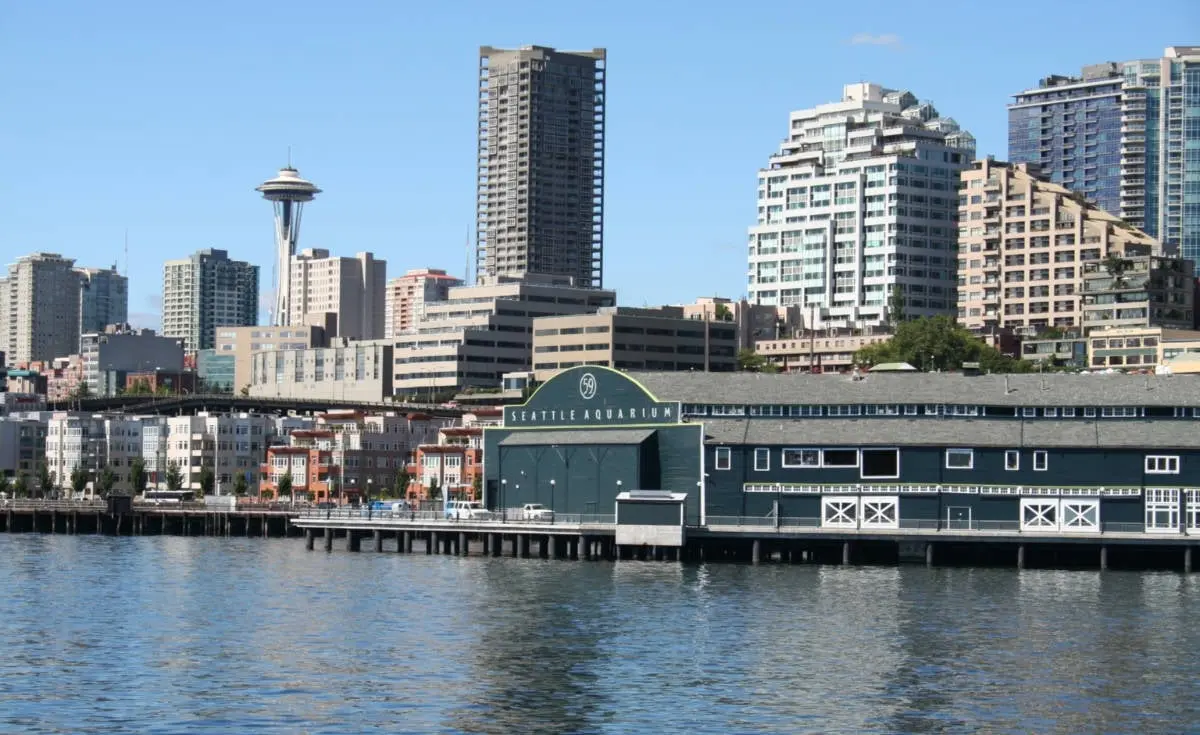
Situated along the waterfront at Pier 59—approximately half a mile south of Pier 66—the Seattle Aquarium offers immersive, family-friendly exhibits showcasing the marine biodiversity native to Washington State’s coastal waters, alongside global marine conservation displays.

By mapping out your terminal logistics, understanding ground transportation nuances, and carving out time to experience the local culture, your journey through the Port of Seattle will serve as a seamless, memorable prelude to an unforgettable cruise adventure.