








Executive Overview
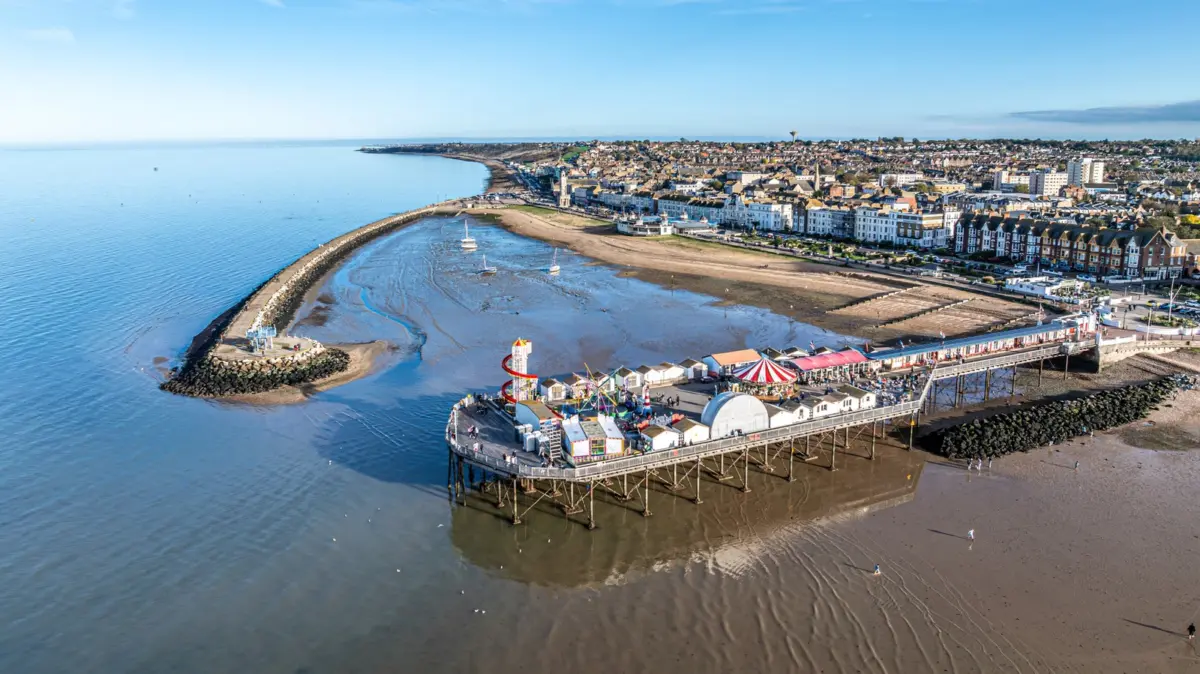
Nestled along the picturesque Thames Estuary on the vibrant Kent coastline—situated strategically between the bustling creative hub of Margate and the historic market town of Sittingbourne—lies Herne Bay. Once a flourishing Victorian tourist hotspot, this dynamic seaside town has successfully reinvented itself for the modern traveler without sacrificing an ounce of its nostalgic charm. Boasting sweeping pebble and sand beaches, an eclectic array of quirky local storefronts, and a nationally celebrated pleasure pier, Herne Bay offers a masterclass in British seaside heritage.
Recent accolades underscore the town’s surging popularity. Most notably, the iconic Herne Bay Pier secured a prestigious second-place ranking in the National Piers Society’s fiercely contested 2026 Pier of the Year awards. Combining old-school carnival amusements, vibrant culinary pop-ups, and seamless accessibility just ninety minutes by train from central London, Herne Bay is rapidly transitioning from a well-kept local secret into one of the United Kingdom’s most compelling coastal getaways.
Detailed Chronology: The Evolution of Herne Bay’s Coastline
The story of Herne Bay is inextricably linked to the grand tradition of the English pleasure pier—an architectural phenomenon born of the Victorian era that sought to combine promenading, leisure, and maritime adventure. While the town began attracting leisure seekers in the early 19th century, its infrastructural identity has undergone several distinct chapters.
The 19th Century: The Rise of the Seaside Resort
In the early 1830s, Herne Bay inaugurated its very first pier, cementing the town’s status as a burgeoning destination for wealthy Londoners seeking therapeutic sea air. However, changing maritime dynamics and engineering challenges led to the closure of this initial structure by the 1860s. Undeterred, local civic leaders commissioned a second pier in the 1870s to accommodate the relentless influx of steamship passengers and holidaymakers.
As tourism peaked toward the close of the century, a third, grander pier was constructed in the 1890s. According to historical records maintained by the National Piers Society, the surviving sections of the structure standing today date directly to this late-Victorian boom. Although subsequent decades brought storms, structural modifications, and shifting national holiday trends that saw British seaside resorts fall temporarily out of fashion, the resilient spirit of Herne Bay’s maritime architecture survived.
The 20th to 21st Century: Modern Renaissance
Throughout the mid-to-late 20th century, Herne Bay weathered economic shifts common to coastal towns across the UK. Yet, the turn of the millennium sparked a profound cultural and economic revitalization. Independent artisans, vintage collectors, and community-led initiatives breathed new life into the historic waterfront. Today, the town bridges its aristocratic Victorian past with a vibrant, family-friendly present, offering visitors a living timeline of British coastal recreation.
Supporting Context & Metrics: Attractions, Geography, and Logistics
Herne Bay’s appeal extends far beyond its famous pier, encompassing a diverse geography of rich historical sites, natural beauty, and bustling commercial spaces.

Coastal Landscapes and Historical Landmarks
The town’s coastline is a study in contrasting atmospheres, providing everything from high-octane family fun to profound historical contemplation:
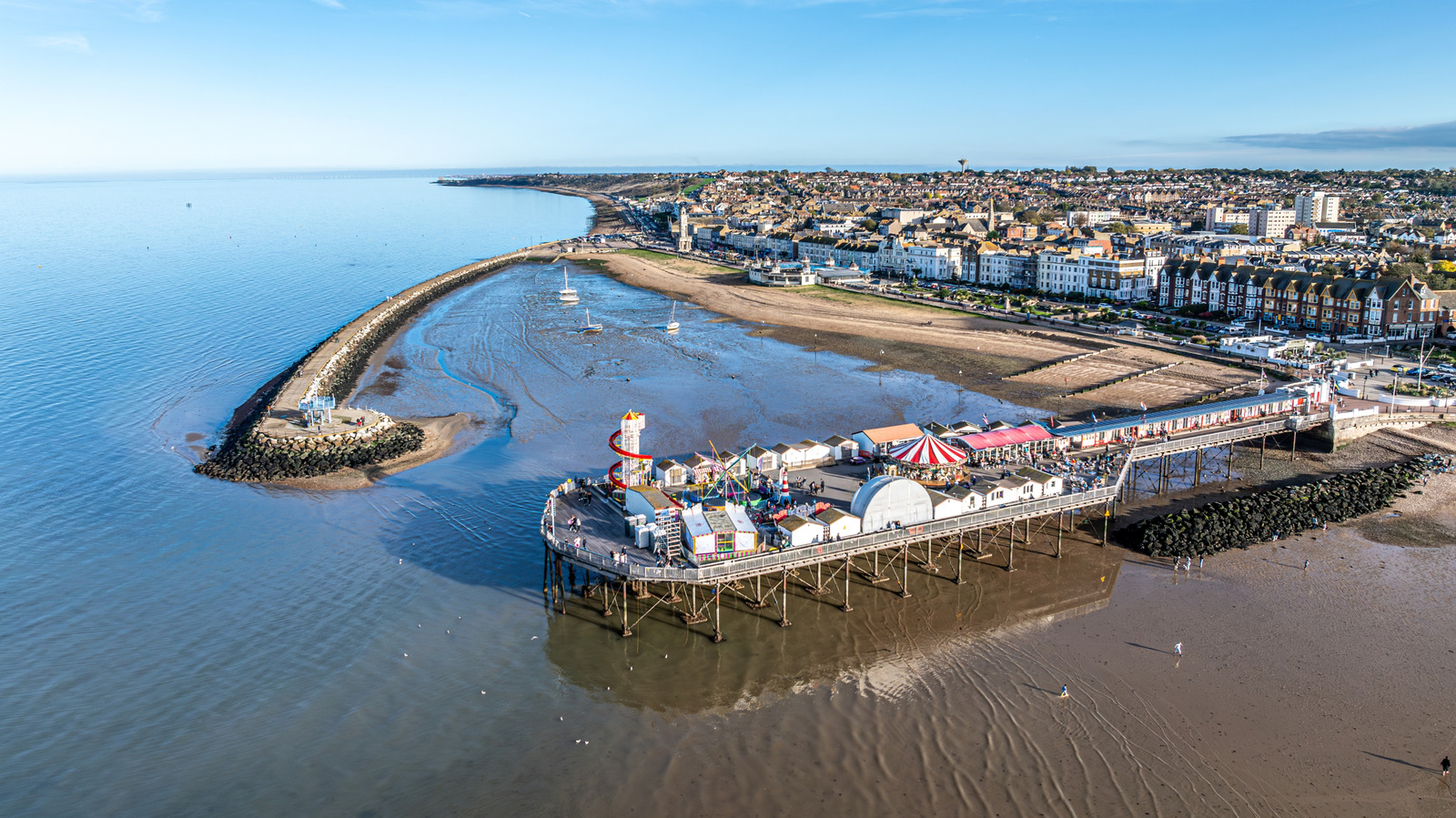
- Herne Bay Central Beach: Positioned immediately adjacent to the pier, this vibrant stretch of shoreline is the heartbeat of the town’s summer activity, offering safe swimming zones and tranquil relaxation spots.
- Reculver Beach and Historic Towers: Located a short distance away, this rugged, picturesque shore offers visitors a direct encounter with antiquity. Rising dramatically from the landscape are the 12th-century Reculver Towers alongside the preserved foundations of a Roman fort dating back to the early third century. The North Tower’s interior is open for guided exploration on select days between April and October, while the sweeping exterior remains accessible during daylight hours year-round.
- Hampton Beach and Pier: Famed among local anglers and families, Hampton Beach provides an ideal environment for crabbing, paddling, and swimming. A fully equipped playground sits mere steps from the water, ensuring endless entertainment for younger visitors.
Retail and Nostalgia Outposts
Herne Bay’s commercial landscape thrives on the unique and the unexpected.
- Briggsy’s Emporium: Housed within a magnificent historic building dating back to 1895, this three-story, 30,000-square-foot behemoth stands as an antique lover’s paradise. Filled to the brim with vintage records, cinematic memorabilia, and eclectic curiosities, it also features a retro diner-themed on-site cafe.
- Ram Collectible Toys: Boasting an extraordinary 4.9-star rating on Google, this treasure trove transports visitors back to their childhoods with shelves stocked with everything from classic Game Boys to pristine Barbie dolls.
- Saul’s Sandcastle: Located directly on the pier, this interactive craft hub allows children and creative spirits to design custom T-shirts and intricate sand art to commemorate their seaside excursion.
Accessibility and Travel Metrics
- Travel Time: Herne Bay is exceptionally accessible, requiring only approximately 1 hour and 30 minutes by direct train from central London. For those arriving by car, it sits roughly a 20-minute drive from the medieval splendors of Canterbury.
- Accommodations: Waterfront lodging options, such as the highly rated Aqua Bay Guest House (maintaining a stellar 4.6-star rating), offer competitive nightly rates often starting under $200, inclusive of a traditional full English breakfast.
- The Oyster Bay Trail: For outdoor enthusiasts, this scenic, bike-friendly waterfront path links Herne Bay Pier directly to the neighboring coastal gem of Whitstable, while also facilitating easy cycling excursions out toward Reculver and Hampton beaches.
Official Statements and Community Perspectives
The cultural renaissance of Herne Bay has not gone unnoticed by architectural preservationists, travel critics, and everyday visitors alike.
Reflecting on the sensory experience of the town’s primary landmark, patrons frequently highlight its authentic atmosphere. "The whole place has a cheerful, old-school charm that just makes you smile," noted one recent visitor via Google reviews, capturing the ethos of the pier’s classic Helter Skelter rides, traditional merry-go-rounds, and retro carnival games.
Regarding the quieter, more contemplative stretches of the coastline, online traveler forums emphasize the town’s balanced nature. A widely cited review for Reculver Beach observes: "It’s quiet, clean, and not crowded at all, which makes it perfect for a peaceful walk or just sitting by the water."
The National Piers Society’s recognition of Herne Bay Pier in their 2026 rankings further validates the tireless local efforts to preserve maritime heritage. Preservation advocates emphasize that piers like Herne Bay’s are not merely tourist gimmicks, but vital civic anchors that tell the story of Britain’s deep-rooted relationship with the sea.
Future Outlook: The Next Chapter for Kent’s Coast
As domestic tourism trends increasingly favor sustainable, accessible, and heritage-rich destinations, Herne Bay is uniquely positioned for continued growth. Local municipal planners and community stakeholders are actively investing in the preservation of the town’s historical assets—ranging from structural reinforcements for the 1890s pier to ecological preservation along the Thames Estuary.
Furthermore, Herne Bay serves as an ideal base camp for exploring the wider treasures of the Kent Coast. Travelers frequently combine a weekend in Herne Bay with day trips to nearby Margate—celebrated for its sandy expanses, contemporary art galleries, and mysterious underground shell grottoes—or Deal, a neighboring historic town renowned for its imposing Tudor beachside castle and sophisticated antique shops.
With its harmonious blend of Victorian architecture, independent retail ingenuity, and peaceful natural retreats, Herne Bay proves that the quintessential British seaside holiday is not merely surviving, but brilliantly evolving for a new generation of explorers.