




Executive Overview
Savannah, Georgia, renowned as the Peach State’s oldest municipality, enchants visitors with its labyrinth of moss-draped historic squares, striking Victorian architecture, and world-class Southern cuisine. Yet, for all its historic charm and walkable elegance, a summer afternoon in Georgia’s coastal plain can test even the most dedicated traveler’s stamina. When the oppressive humidity and soaring temperatures settle over the historic district, escaping the urban heat island becomes an urgent priority. Fortunately, Savannah’s geography provides an idyllic remedy.
Situated near a dynamic network of tidal rivers, sprawling salt marshes, and the expansive Atlantic Ocean, the area offers diverse aquatic escapes just a short drive from downtown. Whether you are looking to glide past historic downtown skylines on a classic paddlewheeler, cast a line into the surf from a bustling ocean pier, or find a hidden riverside breeze at a local swimming hole, Savannah’s surrounding waters deliver. This comprehensive guide explores three premier aquatic destinations near Georgia’s Hostess City—the Savannah River, Tybee Island, and the Skidaway River—detailing how locals and visitors alike navigate, enjoy, and preserve these vital coastal waterways.
Detailed Chronology & Geographical Evolution
To understand the modern recreational landscape of Savannah’s waterways, one must look at how these aquatic arteries evolved from vital commercial channels and indigenous trade routes into prized leisure destinations.
The Early Maritime Era
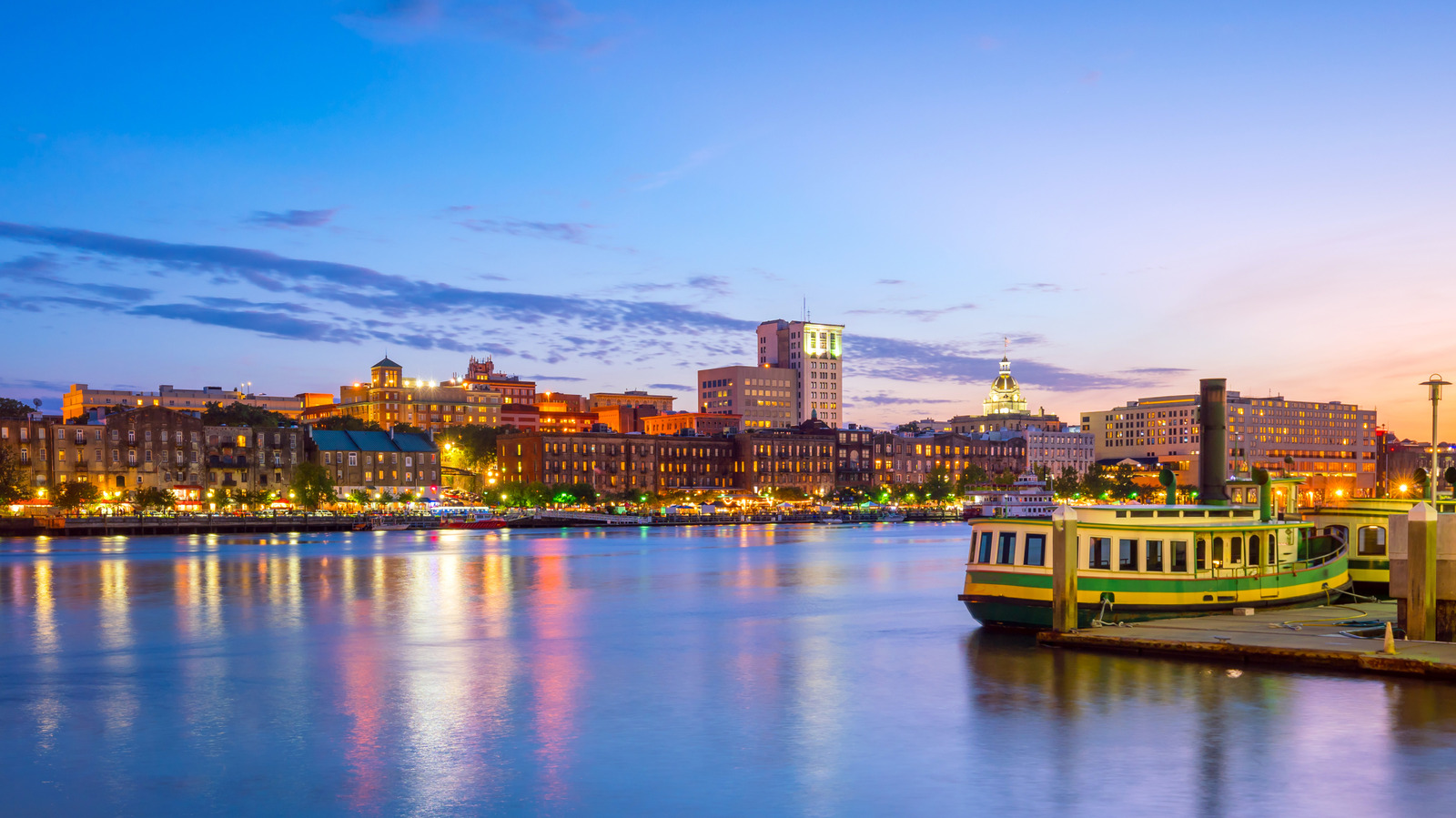
Long before the advent of leisure boating and tourism, the Savannah River and surrounding tidal estuaries served as the lifeblood of southeastern Georgia. Established in 1733 by General James Oglethorpe upon the bluff of Yamacraw Bluff, Savannah was intentionally designed as a port city. The Savannah River provided a deep-water highway essential for the export of cotton, rice, and naval stores, transforming the riverfront into a bustling crucible of international trade.
The Rise of Coastal Leisure
As infrastructure improved through the 19th and 20th centuries, the barrier islands and surrounding rivers transitioned from isolated agrarian and military outposts into accessible retreats. Tybee Island, historically a strategic military defense point (housing historic Fort Screven), gradually transformed into Savannah’s primary beach resort. Similarly, the labyrinth of inland waterways, including the Skidaway Narrows and the Skidaway River, evolved from remote fishing grounds into protected ecological zones and sought-after residential enclaves. Today, these bodies of water represent a seamless fusion of working maritime history and modern recreational paradise.
Supporting Context & Metrics: Exploring Savannah’s Aquatic Trifecta
1. Boating and Sightseeing on the Savannah River
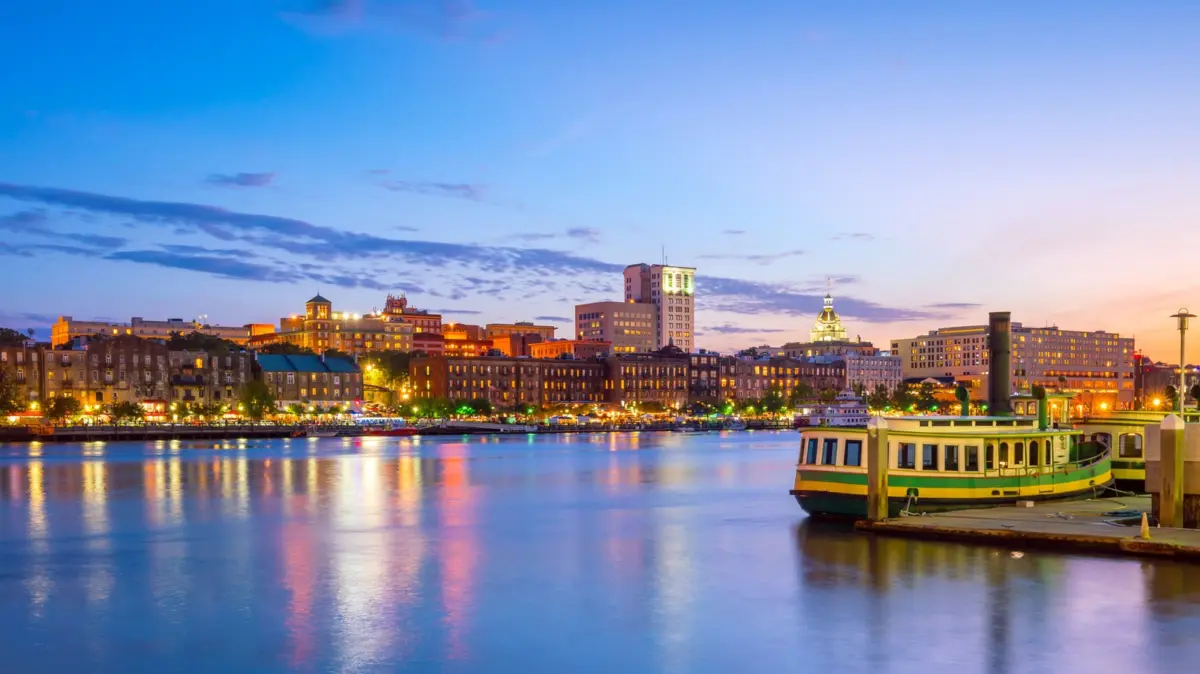
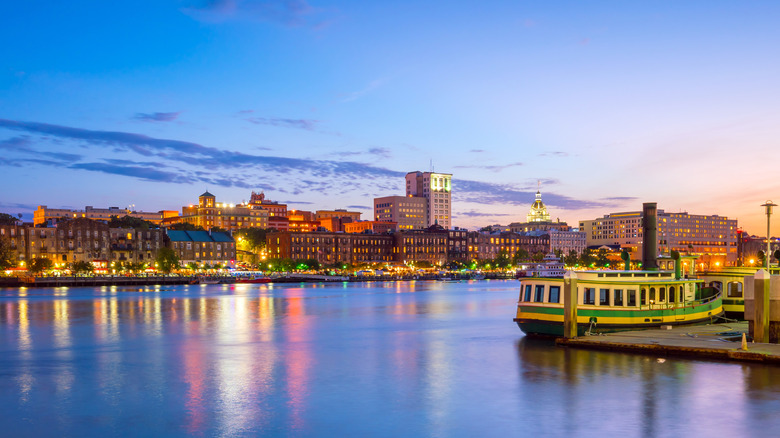
Flowing along the northern border of Savannah’s historic downtown, the Savannah River is the city’s most prominent and visually striking body of water. Famed River Street traces its curving path, offering travelers a vibrant waterfront experience framed by historic cotton warehouses converted into contemporary boutiques, restaurants, and hotels.
However, urban river navigation comes with strict regulatory boundaries. Within the Savannah city limits, swimming in the Savannah River is strictly illegal due to swift currents, heavy commercial vessel traffic, and changing industrial dynamics. Despite this swimming restriction, the river remains a premier destination for boating enthusiasts.

- Private Boating and Infrastructure: Mariners traversing the area will find world-class facilities right in the downtown district. The IGY Savannah Harbor Marina and River Street Landing offer comprehensive marine services capable of accommodating everything from modest runabouts to luxury mega-yachts.
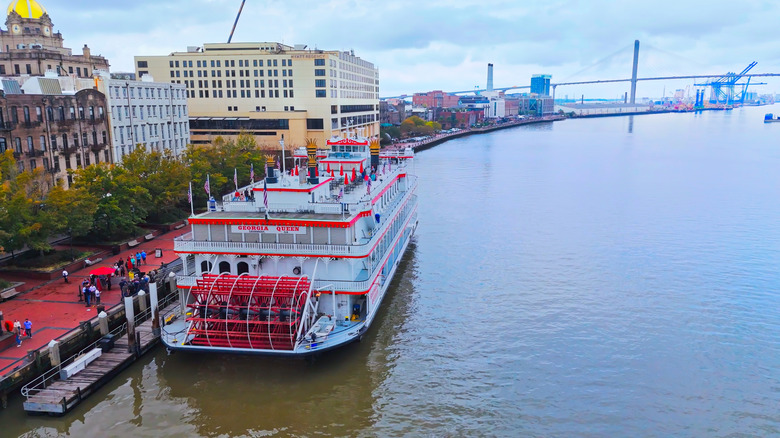
- Commercial Cruises: For travelers without a personal watercraft, the historic waterfront serves as the departure point for iconic riverboat excursions. Operating classic paddlewheelers like the Georgia Queen, these vessels offer narrated historical sightseeing tours, sunset dinner cruises, and themed entertainment. Reviews consistently highlight the magic of watching the sun dip below the city’s historic skyline from the tranquil vantage point of the river’s main channel.
2. Swimming and Surf-Fishing at Tybee Island
When visitors seek to trade the city pavement for sandy shores and saltwater waves, they head roughly 30 minutes east along the Harry S. Truman Parkway to Tybee Island. Known as Savannah’s beach, this barrier island offers a distinctively laid-back coastal vibe characterized by casual seafood shacks, active sea turtle nesting habitats, and wide Atlantic expanses.
- Beach Safety and Swimming Regulations: Swimming is permitted along Tybee Island’s shoreline within 50 yards of the beach, provided local warning flags indicate safe conditions. The municipality enforces a strict double-red flag policy that prohibits entering the water during severe rip current risks or dangerous surf. To ensure public safety, professional lifeguards operate during peak season—running annually from May 1 through October 31—between the hours of 10:00 a.m. and 5:30 p.m.
- Angling Culture at Tybee Pier: Beyond swimming, the coastline attracts anglers eager to drop a line into the Atlantic. The Tybee Pier and Pavilion serves as a social hub for local and visiting fishermen. Equipped with an on-site bait and tackle shop, the pier provides prime access to deep-channel fish species. Visitors frequently report thrilling wildlife encounters, ranging from routine catches of local sea trout and flounder to unexpected spectacles, such as juvenile sharks navigating the coastal surf.
3. Serene Escapes on the Skidaway River and Butter Bean Beach
For those seeking a more secluded, local-centric aquatic experience away from the bustling tourist corridors, the Skidaway River—located south of the historic district—provides an exceptional alternative.
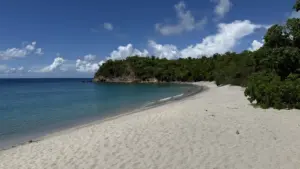
- Butter Bean Beach: Situated roughly a 25-minute drive from downtown Savannah, Butter Bean Beach is a beloved local swimming hole along the Skidaway River. While swimming is permitted here, visitors should note that this is an unsupervised natural area with no active lifeguards on duty. Despite the lack of amenities, it remains a favorite retreat during peak summer heatwaves, praised by locals for its reliable river breezes and serene atmosphere. Marine wildlife sightings, including playful pods of bottlenose dolphins navigating the tidal currents, are a common and breathtaking occurrence.
- Paddling and Angling Access: Butter Bean Beach features a functional boat ramp, making it a favored launch site for kayakers, paddleboarders, and small-boat operators. From this point, watercraft can access the Skidaway Narrows—a picturesque section of Georgia’s Intracoastal Waterway bordering the renowned Skidaway Island State Park. Characterized by moss-draped live oaks, salt marshes, and diverse terrestrial wildlife including white-tailed deer, the state park system complements the aquatic experience with campgrounds and rustic cabins for extended stays. For anglers, Bandy’s Bait & Tackle operates near the area, providing live and frozen bait for bank and boat fishers alike.
Official Statements and Local Guidelines
Navigating Georgia’s coastal waterways requires an understanding of municipal codes, environmental preservation guidelines, and safety protocols established by local authorities.
- Municipal Waterway Safety: The City of Savannah emphasizes compliance with marine zoning laws. City ordinances strictly prohibit swimming within the commercial shipping channels of the Savannah River due to the high volume of container ships and unpredictable undertows. Boaters are required to maintain strict adherence to U.S. Coast Guard navigational aids and local speed limits, particularly within narrow channels and near crowded downtown docks.
- Tybee Island Environmental Protection: The Tybee Island Marine Science Center and local municipal authorities actively enforce environmental protection laws, particularly during sea turtle nesting season (May through October). Beachgoers are mandated to remove all personal equipment, such as chairs and umbrellas, by nightfall and to minimize artificial lighting visible from the beach to prevent disorienting nesting females and hatchlings.
- State Park and Wildlife Conservation: The Georgia Department of Natural Resources (DNR) oversees the preservation of the salt marsh ecosystems surrounding Skidaway Island. Officials regularly remind boaters and anglers to practice "Leave No Trace" ethics, properly dispose of monofilament fishing lines to protect local avian and marine life, and respect designated wildlife buffer zones.
Future Outlook: Sustainable Tourism and Waterway Preservation
As Savannah continues to experience unprecedented tourism growth and residential expansion, the long-term health of its surrounding water bodies remains a critical priority for city planners, environmentalists, and local businesses.
Infrastructure and Climate Resilience
Coastal Georgia faces ongoing challenges related to sea-level rise, tidal flooding, and storm surge management. Recent municipal initiatives have focused on fortifying Savannah’s riverfront infrastructure while protecting the delicate estuarine environment of the surrounding salt marshes. Investments in sustainable marina operations, stormwater management systems, and eco-friendly shoreline stabilization projects are crucial to ensuring that the Savannah River, Skidaway River, and Atlantic coastal beaches remain pristine for future generations.
Balancing Recreation and Conservation
The future of recreation in Savannah relies on striking a delicate balance between public access and environmental stewardship. Educational campaigns targeted at tourists and new residents aim to promote responsible boating practices, ethical fishing, and waste reduction. By respecting the natural boundaries of these aquatic ecosystems—heeding swimming restrictions on the Savannah River, respecting safety flags at Tybee Island, and protecting the fragile habitats of Skidaway Island—travelers can continue to enjoy the refreshing, scenic waters that make coastal Georgia an enduring Southern treasure.