








Executive Overview
The global transportation sector is undergoing a profound transformation. Driven by stringent environmental mandates, rising passenger expectations for on-demand convenience, and the imperative to modernize aging infrastructure, agencies and private operators are accelerating investments across the board. From municipal bus fleets transitioning to zero-emission technology to advanced paratransit platforms and rigorous rail compliance measures, the scope of contemporary transit innovation is both broad and deep.
This report offers a granular look at the latest strategic partnerships, technological integrations, and equipment deployments shaping the future of mobility. Drawing on recent developments from manufacturers, suppliers, transit authorities, and regional coalitions, we examine how key players are addressing the multi-faceted challenges of modern transportation.
Key developments detailed in this review include:
- Santa Monica’s Zero-Emission Transition: A high-profile collaboration between ChargePoint, Eaton, and the Santa Monica Department of Transportation backed by a $56 million infrastructure investment.
- Campus Mobility Enhancements: The Routing Company’s expansion of its Pingo platform to Virginia Commonwealth University (VCU) via the newly launched RamsLink service.
- Rail Safety and Compliance: A $10 million contract awarded by the Port Authority of New York and New Jersey to Wi-Tronix to upgrade the PATH commuter rail fleet with advanced onboard data systems.
- Cooperative Bus Procurement: ENC’s inclusion in a major five-year transit bus contract led by North Carolina’s Piedmont Authority for Regional Transportation (PART).
- Fleet Refurbishment: Complete Coach Works’ delivery of fully overhauled Gillig buses to Roberts Hawaii.
- Regional Farebox Modernization: Scheidt & Bachmann’s selection by NEORide to supply cash farebox systems across multiple member agencies in a sprawling multi-state network.
Each of these initiatives illustrates a broader industry trend: the intersection of digital efficiency, environmental sustainability, and rigorous regulatory compliance. Below is an exhaustive breakdown of these pivotal developments.
Detailed Chronology of Industry Developments
1. Powering the Future: ChargePoint and Eaton Partner for Santa Monica’s Zero-Emission Fleet
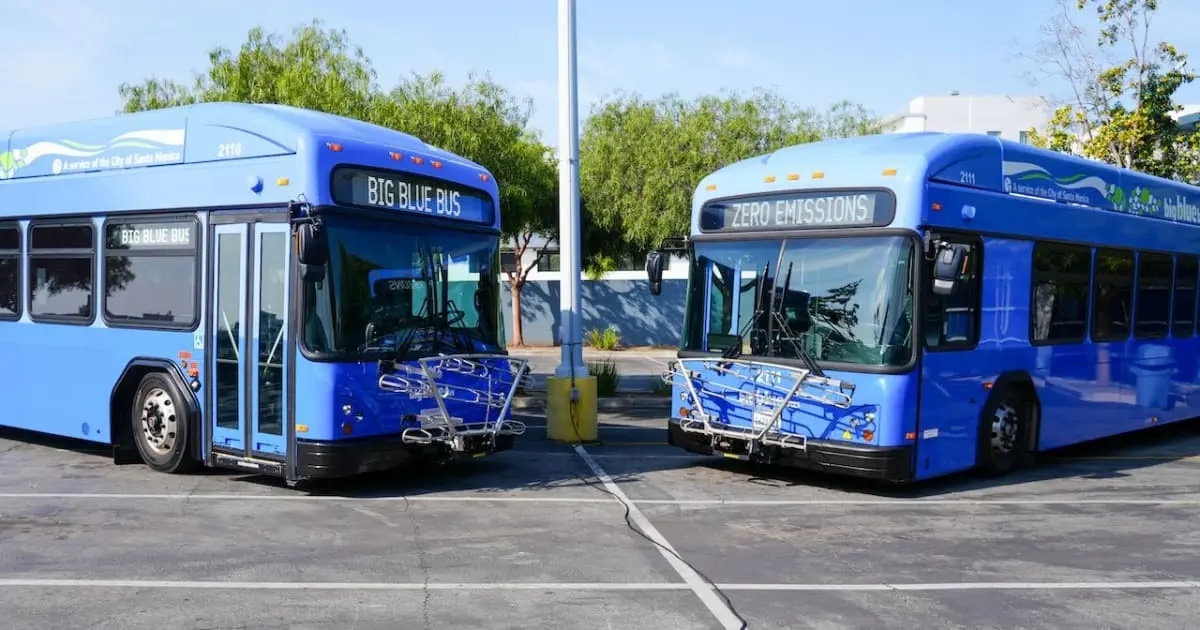
As cities across North America race to meet aggressive climate goals, the electrification of municipal transit fleets remains a primary focal point. The Santa Monica Department of Transportation (Big Blue Bus) has taken a monumental step toward its goal of transitioning to an all-electric fleet by 2032.
At the heart of this initiative is a robust partnership with industry leaders ChargePoint and Eaton. Supported by a sweeping $56 million investment in electric transit infrastructure, the project leverages the unique strengths of both technology providers. ChargePoint is supplying its advanced DC fast-charging equipment—specifically utilizing its high-performance Express Plus technology—alongside sophisticated fleet management software. Simultaneously, Eaton is delivering critical supporting electrical infrastructure, including medium-voltage switchgear, switchboards, panelboards, and specialized engineering services.
The operational backbone of this deployment is ChargePoint’s specialized fleet software. This platform gives transit operators real-time visibility over electric buses both while they are out on active routes and when they are parked at the depot. By centralizing charging operations and delivering granular performance reporting, the software ensures that Big Blue Bus can maintain high vehicle availability and optimize energy consumption during peak operating hours. Ultimately, the project sets a benchmark for how mid-sized transit agencies can successfully bridge the gap between heavy-duty electric vehicle (EV) procurement and grid capacity realities.
2. Expanding Campus Accessibility: The Routing Company and VCU Launch RamsLink
On-demand mobility is no longer confined to major metropolitan rideshare networks; it is rapidly transforming institutional transportation. The Routing Company (TRC) has officially launched RamsLink, a dedicated paratransit service designed to enhance accessibility across Virginia Commonwealth University’s (VCU) Monroe Park and MCV campuses.
Powered by TRC’s proprietary Pingo platform, RamsLink offers registered students, faculty, and staff reliable, point-to-point transportation tailored to both temporary and long-term mobility needs. Users can seamlessly schedule, track, and manage their trips using the intuitive Ride Pingo mobile application.
RamsLink is not operating in a vacuum; it integrates into VCU’s broader ecosystem of Pingo-powered transit options. This includes the late-night RamSafe transportation network and RamRide shuttles. Together, these services have logged an impressive milestone, providing nearly 2.5 million trips since 2024. The expansion underscores the growing demand for flexible, algorithm-driven microtransit solutions within complex university environments, where traditional fixed-route systems often struggle to meet fluctuating, localized demand.
3. Enhancing Rail Reliability: PANYNJ Awards $10M Contract to Wi-Technologies
Moving from rubber tires to steel rails, the modernization of commuter rail fleets continues to be a capital-intensive yet vital priority. The Port Authority of New York and New Jersey (PANYNJ) has awarded a $10 million contract to Wi-Tronix to deploy advanced onboard technology across the Port Authority Trans-Hudson (PATH) commuter rail fleet.
This investment serves a dual purpose: ensuring strict regulatory compliance and dramatically improving service reliability for millions of annual riders. Specifically, the Wi-Tronix technology directly supports PATH’s adherence to Federal Railroad Administration (FRA) mandates—most notably the FAST Act requirement for onboard image and audio recording.
Historically, retrieving and analyzing onboard data was a labor-intensive process. By modernizing data capture and remote access pathways, PATH engineers can now remotely diagnose mechanical issues, respond more efficiently to sudden breakdowns, and maximize car availability during service disruptions. According to rail officials, this proactive approach will significantly reduce commuter delays.
The scope of the project is substantial: PATH will install the Wi-Tronix technology across more than half of its 422-car fleet. Full installation and system implementation are scheduled to conclude ahead of the federal mandate deadline in October 2027. Notably, this contract is the direct result of a multi-year incubation through the Transit Tech Lab program (run by the Partnership Fund for New York City), which allowed PATH to rigorously test the technology in a live environment over a 30-month pilot.
4. Streamlining Procurement: ENC Appointed to North Carolina’s PART Consortium
In the realm of heavy-duty bus manufacturing, cooperative purchasing models are proving indispensable for regional agencies looking to bypass cumbersome procurement cycles. ElDorado National – California (ENC) has been named an approved manufacturer on a major five-year cooperative transit bus contract led by the Piedmont Authority for Regional Transportation (PART) in North Carolina.
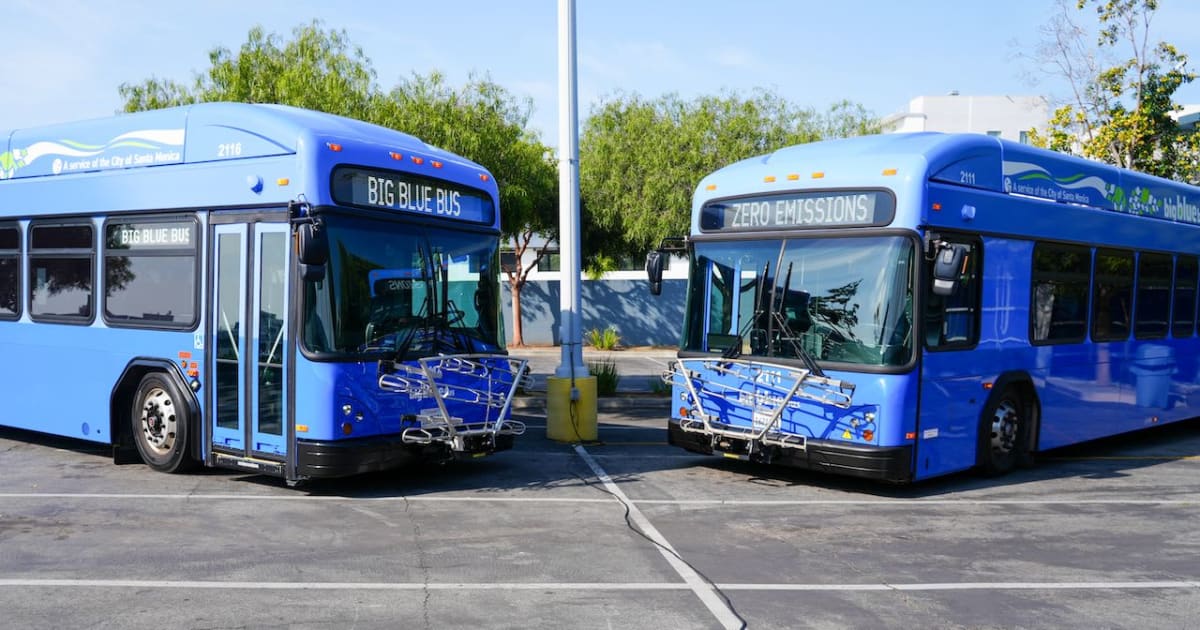
The cooperative agreement establishes a baseline quantity of 49 buses, with options for up to 50 additional vehicles, representing a total potential procurement of 99 buses over the five-year term. The consortium spans multiple jurisdictions, including PART, the City of Winston-Salem’s Winston-Salem Transit Authority (WSTA), and the City of Burlington’s Link Transit. Under the terms of the agreement, participating agencies can procure vehicles directly from either ENC or New Flyer.
This cooperative structure eliminates the need for individual agencies to conduct independent, time-consuming competitive solicitations. For smaller transit systems operating with constrained administrative resources, this model dramatically shortens acquisition timelines and allows staff to redirect focus toward service delivery and the passenger experience.
Furthermore, the contract offers a high degree of configuration flexibility. PART may procure 30-foot E-Z Rider II and 40-foot AXESS diesel buses, alongside various 30-, 35-, and 40-foot configurations. WSTA is positioned to order 33-foot AXESS and E-Z Rider II diesel buses, as well as 35-foot AXESS diesel-electric hybrids, while Link Transit can acquire 33-foot AXESS diesel-electric hybrid buses. This award builds directly upon an existing relationship established in 2022, when PART first selected ENC to supply E-Z Rider II diesel buses.
5. Sustainable Fleet Extension: CCW Delivers Refurbished Gillig Buses to Roberts Hawaii
While new zero-emission vehicle acquisitions dominate headlines, heavy-duty bus refurbishment remains a crucial, cost-effective strategy for fleet longevity and sustainability. Complete Coach Works (CCW) has successfully completed and delivered two fully refurbished 2007 35-foot Gillig Low Floor diesel buses to Roberts Hawaii. The extensive overhaul work was executed at CCW’s primary headquarters in Riverside, California.
This delivery reinforces a decades-long partnership between CCW and Roberts Hawaii, forged through numerous collaborative fleet modernization initiatives across the Hawaiian Islands. By choosing to refurbish existing assets rather than purchase entirely new vehicles, Roberts Hawaii has extended the operational life of proven equipment while minimizing capital expenditures.
The meticulous refurbishment process involved several major engineering and aesthetic milestones:
- Application of a full interior and exterior repaint to restore structural protection and visual appeal.
- Replacement of critical service components, including all vehicle fluids, filters, belts, and batteries.
- Rigorous testing and verification of HVAC, electrical, and wheelchair accessibility systems to guarantee full functionality.
- Comprehensive mechanical inspections and system overhauls covering the engine, transmission, braking, and steering assemblies.
These revitalized buses will immediately support Roberts Hawaii’s mission to maintain a reliable, flexible fleet capable of safely transporting both local residents and tourists across demanding island terrains.
6. Regional Fare Collection: Scheidt & Bachmann Selected by NEORide
As public transit agencies increasingly seek regional integration, unified fare collection systems have become a top priority. Scheidt & Bachmann USA Inc. has been selected through a rigorous, competitive procurement process by NEORide to provide cash farebox systems to its expansive network of member agencies.
NEORide operates as a powerful regional council of governments representing 45 public transit agencies spread across 13 states. This vast collaborative network requires farebox technology that is not only robust and secure but also adaptable to diverse local operating environments.
Commenting on the selection, Katherine Conrad, executive director of NEORide, emphasized the value of the competitive procurement process in securing reliable, future-proof solutions for member systems. Representatives from Scheidt & Bachmann echoed this sentiment, expressing pride in combining their industry-standard farebox architecture with NEORide’s collaborative governance model to drive measurable operational value.
Supporting Context & Industry Metrics
To fully appreciate the weight of these individual updates, it is necessary to examine the macroeconomic and regulatory pressures currently steering the transportation industry:
- Capital Allocation for Electrification: Federal grants, such as the Federal Transit Administration’s Low-No Emission Vehicle Program, continue to inject billions of dollars into local markets. Santa Monica’s $56 million investment is part of a nationwide wave where mid-sized agencies are committing upwards of 40% to 60% of their long-term capital budgets strictly to charging infrastructure and depot redesign.
- Regulatory Compliance Windows: Mandates like the FRA’s FAST Act requirements are forcing rail operators to accelerate technology adoption. The October 2027 deadline for onboard image and audio recording compliance has created a steady pipeline of multi-million-dollar technology contracts for firms specializing in transit telematics and onboard diagnostics.
- The Rise of Cooperative Procurement: With administrative overhead costs rising, cooperative contracts—such as North Carolina’s PART consortium—are projected to account for an increasing share of regional bus procurements over the next decade. These structures reduce procurement cycle times by an estimated 35% to 50%, providing critical relief to resource-constrained transit departments.
- Circular Economy in Transit: Fleet refurbishment by providers like Complete Coach Works highlights a growing movement toward the circular economy in public transportation. Re-engineering a heavy-duty bus can save agencies up to 50% compared to the cost of a new procurement, while diverting tons of metal and hazardous materials from landfills.
Official Statements & Industry Perspectives
The convergence of technology providers, regional coalitions, and municipal leaders has yielded important insights regarding the future trajectory of mobility:
- On Cooperative Purchasing Benefits: ENC officials noted that cooperative agreements remove administrative bottlenecks, stating: "The structure reduces administrative burden and shortens acquisition timelines, an advantage particularly valuable to smaller agencies that can redirect constrained resources toward service delivery and the rider experience."
- On Regional Collaboration: Katherine Conrad, executive director of NEORide, highlighted the strategic value of unified procurement: "Selecting S&P through a competitive procurement ensures our agencies receive proven, dependable solutions that meet both current and future needs."
- On Long-Standing Partnerships: Representatives from Complete Coach Works emphasized the value of enduring industry relationships, noting that their work with Roberts Hawaii reflects a shared commitment to providing "dependable vehicles and tailored solutions that meet the company’s operational requirements" across challenging island environments.
Future Outlook
As the transportation sector looks toward the horizon, several clear themes emerge from this mosaic of industry developments. The boundaries between traditional transit hardware and advanced digital software are rapidly dissolving. Whether it is ChargePoint and Eaton managing heavy-duty electric bus depots through cloud-based analytics, The Routing Company orchestrating campus microtransit via algorithmic dispatch, or Wi-Tronix streaming real-time mechanical health data from commuter railcars, data is now the primary currency of transit efficiency.
Concurrently, cooperative models and refurbishment programs demonstrate that fiscal prudence and sustainability are not mutually exclusive. By leveraging multi-agency contracts (such as the PART consortium) and extending vehicle lifecycles (such as the CCW and Roberts Hawaii collaboration), transit operators are finding innovative ways to stretch capital dollars further than ever before.
In the coming years, the success of public and private transportation networks will depend heavily on their ability to integrate these disparate threads—balancing rigorous federal safety mandates, aggressive zero-emission timelines, and an unyielding commitment to passenger accessibility. The projects highlighted in this review offer a compelling blueprint for how the industry is successfully navigating that evolution today.