For decades, the cultural script for American retirement has pointed unswervingly toward the sun-bleached coasts of Florida, the manicured desert golf communities of Arizona, or the coastal sprawl of the Carolinas. Sandy beaches, endless sunshine, and sprawling retirement developments have long served as the default destination for those closing the chapter on their professional lives. However, a growing cohort of retirees is choosing to rewrite that script entirely.
They are bypassing the congested coastal highways and skyrocketing property taxes of the traditional sun-belt destinations to look inward—specifically, toward the vast, visually arresting expanse of the American heartland known to the U.S. Census Bureau as the West North Central region.
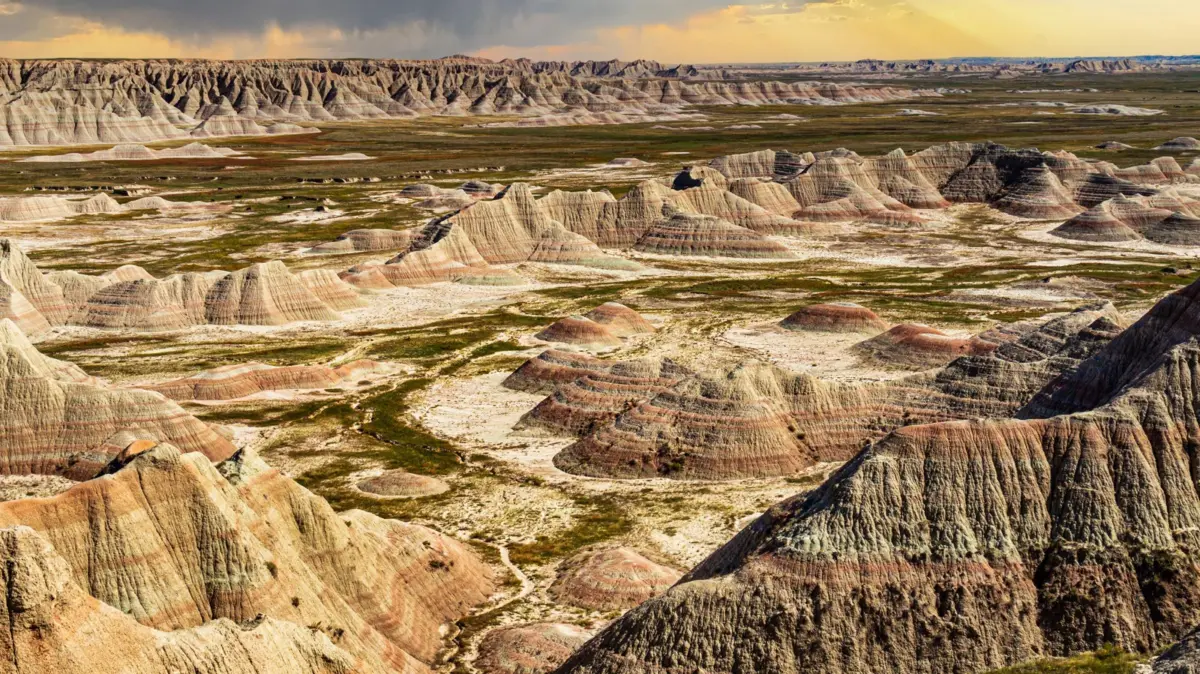
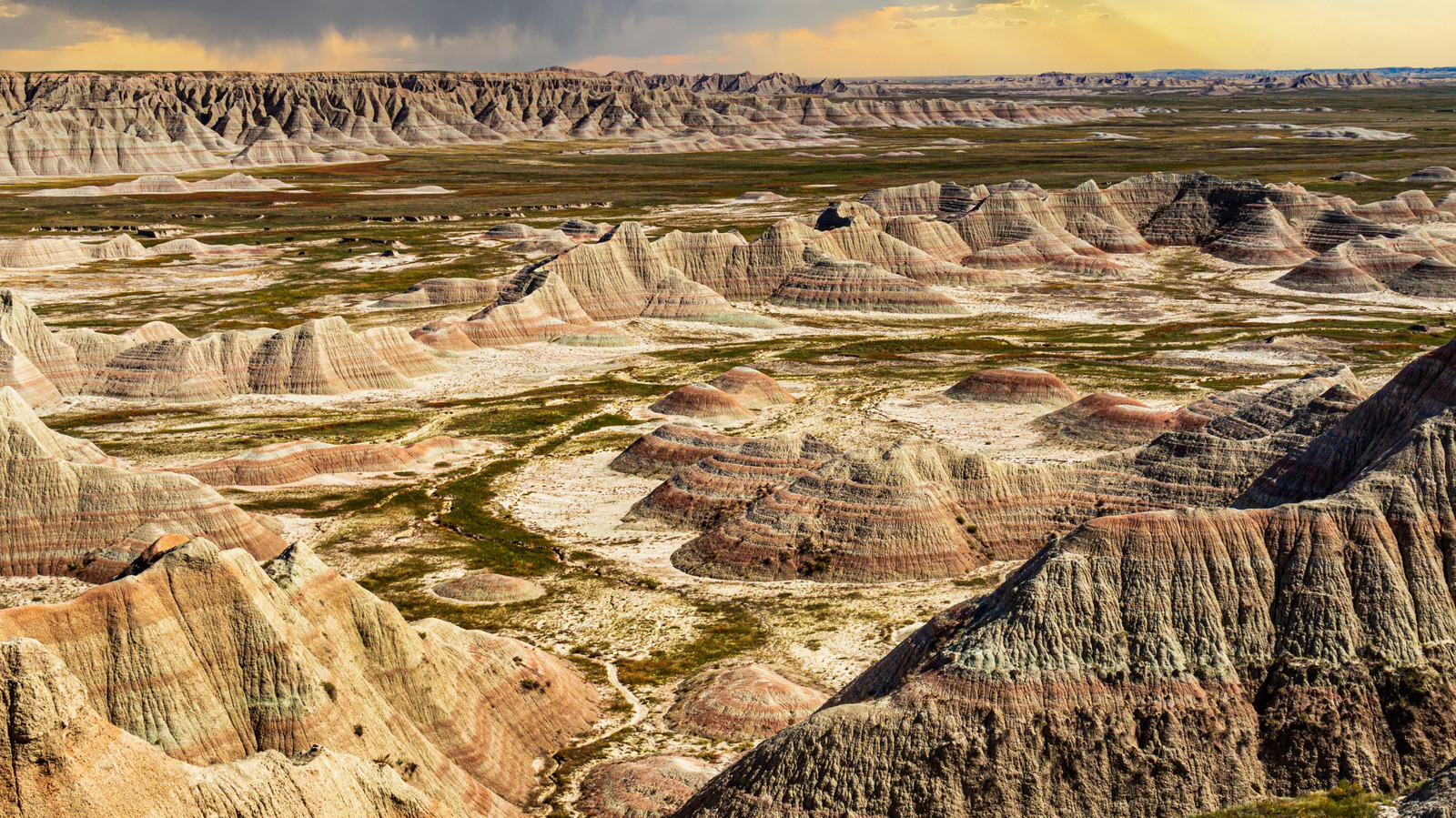
Encompassing nearly 508,000 square miles across Iowa, Kansas, Minnesota, Missouri, Nebraska, and both North and South Dakota, this territory is frequently dismissed by coastal travelers as mere "flyover country." Yet, for those willing to look past coastal biases, this region reveals itself as an extraordinarily rich, geographically diverse, and economically sensible playground for post-work life. From the dramatic, wind-sculpted spires of South Dakota’s Badlands to the more than 34,000 miles of picturesque shoreline threaded through Minnesota’s legendary lake country, the West North Central states offer a vibrant tapestry of outdoor recreation, cultural depth, and deep-rooted community ties.
Beyond its scenic beauty, the region presents a compelling financial argument. In an era marked by stubborn inflation and escalating cost-of-living pressures, the American heartland consistently ranks among the most affordable places to live in the United States. Furthermore, it blends the quiet charm of rural countryside living with the cultural sophistication of thriving metropolitan hubs like Minneapolis, St. Louis, Omaha, and Wichita.
While transitioning to the nation’s midsection does require navigating distinct seasonal realities—such as bracing winters and midwestern weather phenomena—the trade-off is a peaceful, community-oriented lifestyle that redefines what it means to age gracefully in America.
Detailed Chronology: The Evolution of Heartland Retirement
To understand the rising appeal of the West North Central region as a modern retirement destination, it is helpful to examine how demographic and economic trends have shifted over the past century.
Mid-20th Century: The Great Migration South
Following World War II and the subsequent rise of air conditioning and the interstate highway system, American retirement patterns underwent a dramatic shift. Prior to this era, aging workers largely remained in their hometowns or migrated to established regional cities.
However, the post-war economic boom gave birth to the dedicated "retirement community," and developers successfully marketed Florida and the Southwest as health-restoring havens for seniors. For decades, the cultural imperative was clear: head south when the snow flies. The industrial and agricultural heartland was viewed primarily as a place to build a career, not necessarily where one spent their twilight years.
Late 20th Century: The Rise of the Rust Belt Narrative
As the American economy transitioned from manufacturing and agriculture toward a service- and tech-oriented global framework in the late 20th century, many Midwestern and Great Plains communities experienced population stagnation or out-migration.
Media narratives frequently characterized the region as economically stagnant, leading to the colloquial dismissal of states stretching from the Mississippi River to the Rockies as "flyover country." During this period, retirees continued to pour into traditional coastal retirement corridors, leaving the interior largely overlooked by national real estate investors and lifestyle publications.
The 21st-Century Pivot: Affordability, Space, and Authenticity
The economic turbulence of the early 2000s—punctuated by the Great Recession and, more recently, the post-pandemic inflationary spike—fundamentally altered consumer calculus. As coastal housing markets became hyper-competitive and property taxes soared, older adults began reevaluating what they truly valued in their retirement years.
At the same time, regional revitalization efforts transformed mid-sized Midwestern cities. Urban centers like Wichita, Kansas, and Omaha, Nebraska, invested heavily in downtown revitalization, culinary arts, and healthcare infrastructure.
Concurrently, remote work flexibility and mobile technology allowed pre-retirees to scout unconventional locations years before officially stepping away from the workforce. Today, the West North Central region is experiencing a quiet renaissance, attracting practical-minded retirees seeking financial breathing room, uncrowded natural landscapes, and authentic community connections.
Supporting Context & Metrics: Landscapes, Lifestyles, and Economics
The true character of the West North Central region lies in its astonishing diversity of ecosystems, economic data points, and community structures. Far from being a uniform flatland, the territory encompasses everything from rugged badlands and expansive tallgrass prairies to pristine glacial lakes and bustling river valleys.
Outdoor Gems: From Roaming Bison to Pristine Shorelines
For retirees who measure the quality of life by their proximity to nature, the region delivers an embarrassment of riches.
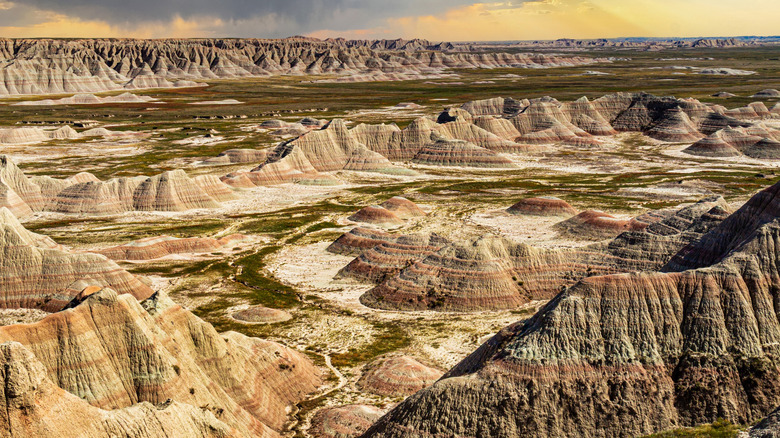
National Parks and Public Lands: The area is anchored by iconic federal and state parks. South Dakota’s Badlands National Park offers lunar-like landscapes, rich fossil beds, and sweeping overlooks that capture the raw geological history of the continent. Further north, Theodore Roosevelt National Park in North Dakota preserves the rugged badlands where the 26th president once ran cattle, featuring dramatic painted canyons and abundant wildlife.
The Bison Renaissance: Long before cattle dominated the Great Plains, massive herds of American bison shaped the ecosystem. Today, conservation initiatives have successfully re-established accessible bison populations across the region. The Broken Kettle Grasslands Preserve in Iowa allows visitors to hike through the state’s largest remaining native prairie while observing roaming bison against a backdrop of sweeping horizons. Both Theodore Roosevelt and Badlands national parks maintain thriving, protected herds, offering a majestic midwestern equivalent to Florida’s coastal manatees.
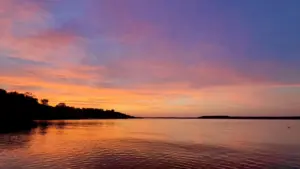
The Land of 10,000 (and More) Lakes: Minnesota’s moniker is no exaggeration. The state boasts roughly 4,600 square miles of surface water, creating more than 34,000 miles of freshwater shoreline—surpassing California, Florida, and Hawaii combined. State parks like Glendalough State Park provide serene settings for camping, catch-and-release fishing, and peaceful shoreline trail hiking. Meanwhile, Split Rock Lighthouse State Park perches dramatically atop a jagged cliff on Lake Superior, offering maritime history and hauntingly beautiful views of historic shipwrecks like the Madeira resting just offshore.
Economic Realities: Affordability by the Numbers
Perhaps the most persuasive argument for retiring in the West North Central region is its exceptional affordability. While coastal states frequently penalize fixed-income retirees through high income taxes, inflated housing costs, and soaring insurance premiums, the Midwest offers significant financial relief.
According to economic analyses, the region consistently dominates national affordability rankings. Notably, U.S. News & World Report’s state rankings highlight the exceptional fiscal health of the region’s heartland states, with Iowa, Kansas, and both North and South Dakota routinely placing within the top 10 most affordable states in the nation.
Furthermore, specific mid-sized hubs—such as Wichita, Kansas—frequently top national indices for having the lowest cost of living in America, allowing pension funds and 401(k) portfolios to stretch significantly further without sacrificing access to quality dining, arts, and cultural amenities.
The Social Fabric: Heartland Hospitality
Beyond economics and geography, the West North Central region is defined by its social cohesion. The cultural archetype of the helpful, community-focused neighbor remains a living reality across much of the territory.
Minnesota, for instance, frequently scores at or near the top of national surveys evaluating state friendliness—a cultural phenomenon colloquially celebrated as "Minnesota Nice." This deeply ingrained social fabric ensures that newcomers are quickly integrated into local civic organizations, volunteer groups, and community networks, mitigating the isolation that can sometimes accompany post-career life.
Official Statements and Expert Perspectives
Demographic experts, healthcare analysts, and regional planners have closely monitored the shifting preferences of American retirees. While the financial and environmental benefits of the heartland are clear, institutional experts urge a balanced, comprehensive approach to relocation.
Financial planners specializing in retirement localization emphasize the compounding power of geographic arbitrage.
"When clients look at relocating from high-tax coastal states to the West North Central region, the conversation immediately shifts from stress management to opportunity," notes Dr. Elena Vance, a senior demographic economist focusing on domestic migration trends.
"By dropping housing costs by thirty to forty percent and eliminating state tax penalties on certain retirement income streams, retirees aren’t just buying a house—they are purchasing decades of financial security. The math simply favors the interior of the country for fixed-income households."
However, public health analysts provide essential context regarding regional infrastructure. According to state health system performance scorecards compiled by organizations like The Commonwealth Fund, the West North Central states present a mixed landscape.
While states like Minnesota consistently rank in the upper tier nationwide for healthcare access, clinical quality, and preventative care outcomes (ranking 15th nationally in recent comprehensive assessments), other states in the subregion cluster closer to the national median or lower, with Missouri ranking 43rd in recent evaluations. Public health officials strongly advise prospective retirees to map out their proximity to specialized medical centers, regional trauma hospitals, and cardiology networks before committing to rural land purchases.
Future Outlook: Is Heartland Retirement Right For You?
As we look toward the future of American demographics, the West North Central region is uniquely positioned to absorb a new generation of retirees seeking authenticity, financial resilience, and uncrowded spaces.
The region is not without its challenges. Winters across Minnesota and the Dakotas are undeniably severe, demanding resilience, snow-clearing equipment, and a tolerance for sub-zero temperatures. Furthermore, portions of Kansas and Nebraska sit within the eastern boundaries of "Tornado Alley," requiring homeowners to factor severe weather preparedness and comprehensive property insurance into their long-term planning.
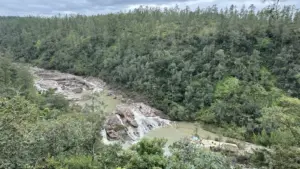
Yet, for the adventurous, pragmatic retiree willing to trade palm trees for pine forests, prairie winds, and pristine freshwater lakes, the rewards are immense. The West North Central states offer a rare combination of economic breathing room, awe-inspiring natural wonders, and genuine community warmth.
For those ready to look beyond the well-worn paths of Florida and the coasts, the heartland stands ready to welcome them home.