







Executive Overview
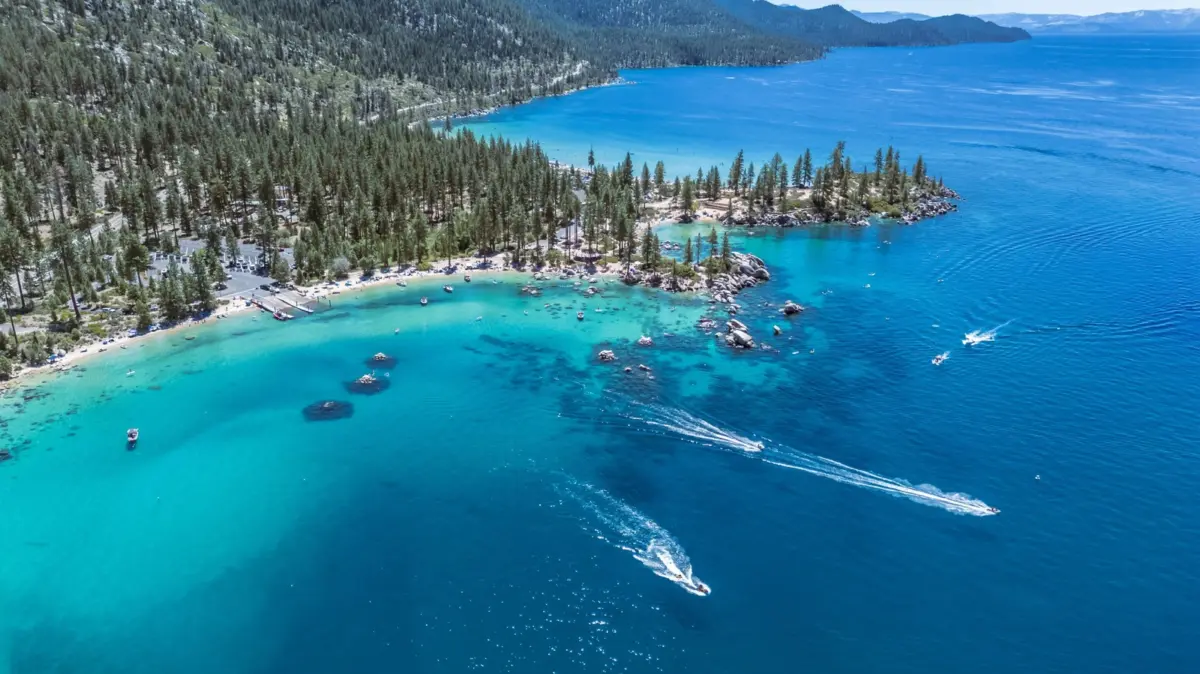
Lake Tahoe remains one of the crown jewels of North American natural geography. Straddling the border between California and Nevada, this alpine wonderland boasts a rare intersection of high-altitude ecosystems, crystal-clear azure waters, dense pine forests, rugged mountain peaks, and year-round recreational opportunities. Yet, this very success has become its greatest undoing. Every year, an estimated 15 million tourists descend upon the basin, overwhelming local infrastructure, clogging scenic byways, and turning what should be a peaceful wilderness escape into a high-density logistical hurdle.
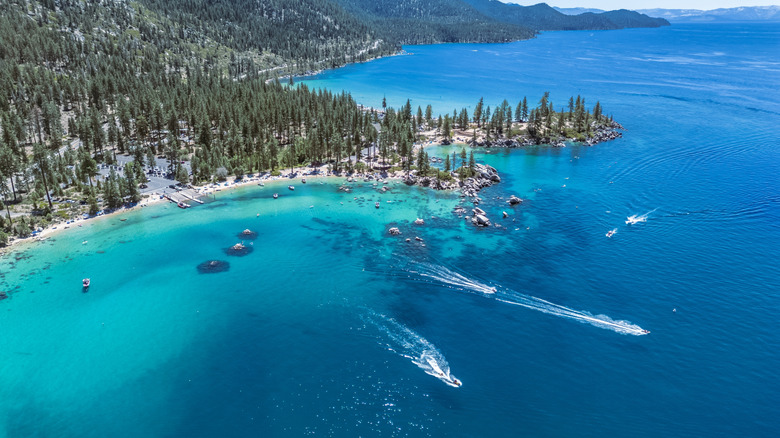
For travelers who love the signature aesthetic of Lake Tahoe—gleaming blue waters backed by imposing mountain ranges, flanked by beaches and framed by evergreen canopies—the constant battle for parking and accommodations can dampen the spirit of adventure. Fortunately, North America’s diverse landscape holds numerous alternatives. Across the United States, lesser-known nature destinations capture the spirit, microclimate, and visual splendor of Tahoe without the suffocating foot traffic.
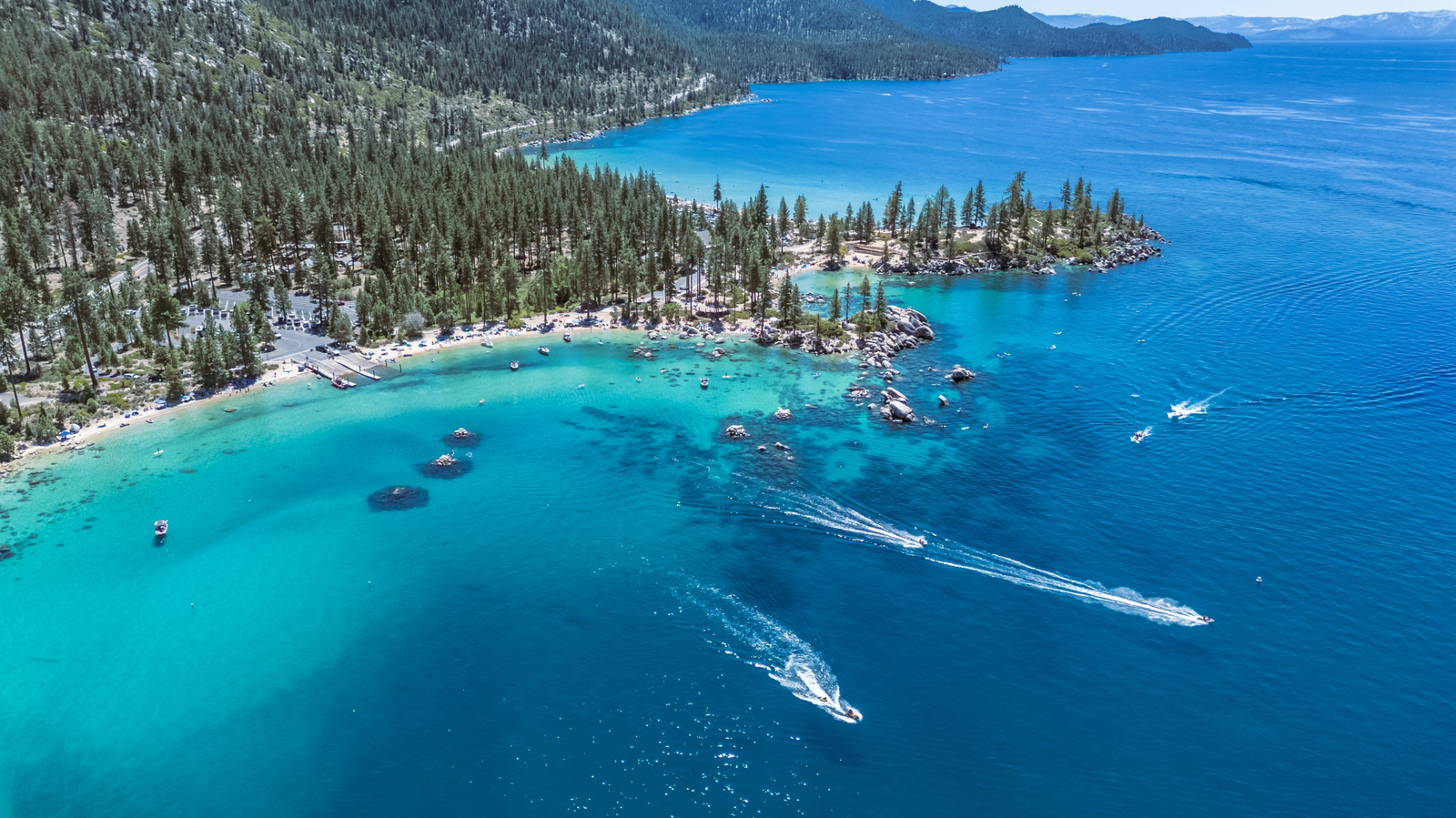
This report examines 10 hidden-gem lakes scattered from coast to coast, offering travelers viable alternatives that mirror Tahoe’s natural facets, aquatic recreation, and scenic majesty.
Detailed Chronology and Geographic Evolution of Tahoe Alternatives
To understand how these alternative destinations emerged as viable stand-ins for Lake Tahoe, one must look at the geological forces that shaped them and the historical development that kept them off the mainstream tourist radar. Many of these lakes share a similar Ice Age heritage with Tahoe, forged by glacial activity thousands of years ago, yet their geographic isolation preserved their tranquility.
The Western Frontiers
- Priest Lake, Idaho: Situated deep within the northern panhandle of Idaho, Priest Lake was historically utilized by Indigenous peoples before being logged and settled in the late 19th and early 20th centuries. Protected by the surrounding Selkirk Mountains, its rugged, heavily forested shoreline has resisted the rapid commercial development seen in other parts of the Pacific Northwest.
- Wallowa Lake, Oregon: Formed by ancient glaciers that carved out the Wallowa Valley, this deep alpine lake in northeastern Oregon remains a geological marvel. While local indigenous tribes revered the valley, modern tourism only gradually trickled in following the construction of the Wallowa Lake Tramway, which opened access to Mount Howard without spurring high-density urban sprawl.
- Lake Almanor, California: Located roughly three hours north of Lake Tahoe, Lake Almanor was created as a reservoir in the early 20th century by the Great Western Power Company. By flooding a large meadowland surrounded by volcanic peaks—including Lassen Peak—it inadvertently birthed a recreational haven that mimics Tahoe’s Sierra Nevada aesthetic while remaining blissfully under the radar.
The Eastern and New England Sanctuaries
- Lake Willoughby, Vermont: Carved by continental glaciers roughly 12,000 years ago, Lake Willoughby fills a dramatic, steep-walled trench in Vermont’s Northeast Kingdom. Because the surrounding land was rugged and difficult to farm, it escaped the heavy industrialization of the 19th century, leaving its glacial shores remarkably pristine.
- Newfound Lake, New Hampshire: Fed by eight subterranean springs, Newfound Lake in the Lakes Region of New Hampshire has historically prioritized watershed protection. Local conservation efforts throughout the 20th century successfully limited massive commercial builds along its 22-mile shoreline.
- Moosehead Lake, Maine: As the largest freshwater lake entirely within Maine, Moosehead Lake’s history is rooted in the logging industry. Massive timber drives once dominated its waters, but as the industry modernized, the region pivoted quietly toward outdoor recreation, protecting its iconic landscape, including the sheer granite walls of Mount Kineo.
The Southern and Mid-South Escapes
- Lake Glenville, North Carolina: Perched in the Blue Ridge Mountains of southwestern North Carolina, Lake Glenville was created in 1941 by the Nantahala Power and Light Company. As the highest-elevation lake east of the Mississippi River, it naturally developed an alpine microclimate reminiscent of western mountain ranges.
- Lake Ouachita, Arkansas: Formed in the mid-20th century following the completion of Blakely Mountain Dam by the U.S. Army Corps of Engineers, Lake Ouachita quickly became Arkansas’s largest lake. Surrounded by the Ouachita National Forest, it was intentionally kept free of commercial shoreline development, preserving its wild, island-studded horizon.
- Lake Jocassee, South Carolina: Created in the early 1970s by Duke Power, Lake Jocassee flooded a deeply carved river valley surrounded by the Blue Ridge escarpment. Because access points are strictly limited—primarily through Devil’s Fork State Park—the lake has maintained an air of secluded wilderness.
Supporting Context and Metrics
Evaluating how well these destinations can "pass" for Lake Tahoe requires looking at quantitative metrics, visitor densities, and ecological profiles.
| Destination | State | Surface Area (Approx.) | Annual Visitors | Defining Feature vs. Lake Tahoe |
|---|---|---|---|---|
| Lake Tahoe | CA / NV | 191,000 acres | ~15 Million | Iconic scale, heavy winter sports, severe overtourism |
| Priest Lake | Idaho | 23,000 acres | Low / Untracked | Selkirk Mountain backdrop, exceptional water clarity |
| Lake Glenville | North Carolina | 1,470 acres | Moderate | Highest-elevation lake east of the Mississippi, alpine feel |
| Wallowa Lake | Oregon | 1,500 acres | Low | Glacial valley flanked by 8,000-ft peaks and a scenic tram |
| Lake Willoughby | Vermont | 1,653 acres | Low / Moderate | Dramatic glacial fjord framed by Mounts Hor and Pisgah |
| Newfound Lake | New Hampshire | 4,100 acres | Moderate | Pristine spring-fed waters, 22 miles of shoreline |
| Moosehead Lake | Maine | 75,000 acres | Moderate | Expansive open water, dramatic cliffs (Mount Kineo) |
| Lake Ouachita | Arkansas | 40,000 acres | ~4 Million | Vast island-dotted waters, warm-weather water sports |
| Lake Jocassee | South Carolina | 7,500 acres | Low / Controlled | Mountain-fed chilly waters, pristine Blue Ridge setting |
| Lake Almanor | California | 28,000 acres | ~450,000 (Region) | Volcanic mountain backdrop near Lassen Volcanic National Park |
| Swan Lake | Montana | 3,200 acres | Extremely Low | Surrounded by Flathead National Forest, ultra-quiet retreat |
Deep-Dive Profiles: The 10 Tahoe Alternatives
1. Priest Lake, Idaho
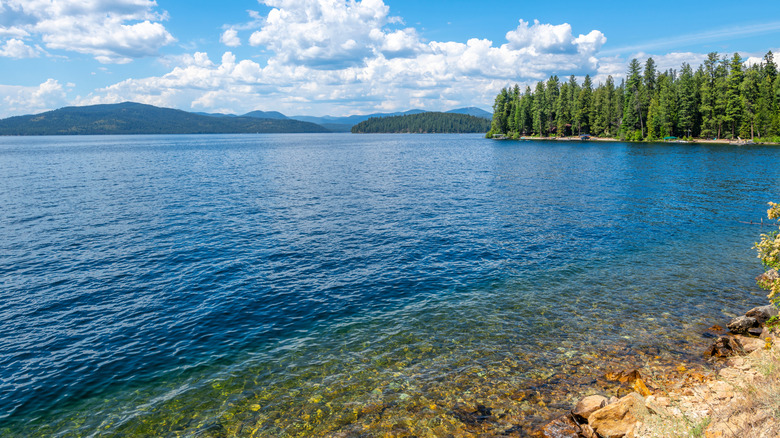
Located in the rugged northern panhandle of Idaho, Priest Lake offers a masterclass in wilderness serenity. Fed by the pristine runoff of the Selkirk Mountains, the lake boasts crystal-clear waters that rival Tahoe’s famous clarity. The surrounding flora—a dense canopy of cedar, fir, and tamarack—creates an aromatic, evergreen atmosphere very similar to the Sierra Nevada. While landlubbers can explore miles of quiet hiking and snowshoeing trails, adventurous visitors frequently spot local wildlife, including moose, white-tailed deer, and majestic bald eagles soaring above the tree line.
2. Lake Glenville, North Carolina
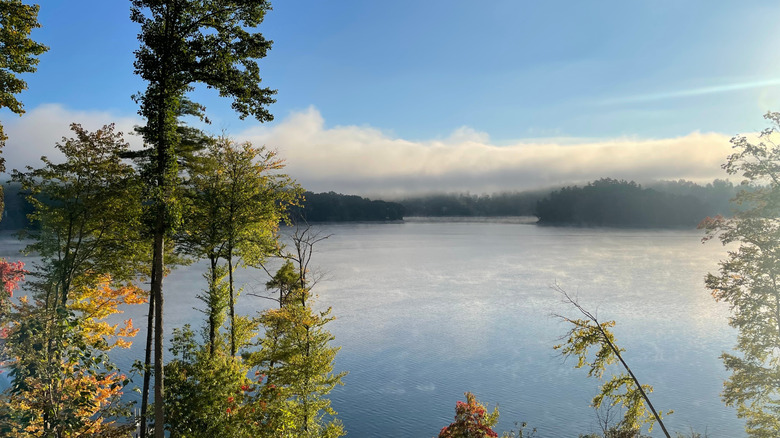
For travelers on the East Coast looking to bypass transcontinental flights without sacrificing alpine scenery, Lake Glenville is an exceptional choice. Resting in Jackson County, North Carolina, it holds the title of the highest-elevation lake east of the Mississippi River. Its turquoise and emerald waters are cradled by rolling blue-ridge peaks, offering 26 miles of shoreline dedicated to boating, tubing, paddleboarding, and swimming. Hidden waterfalls cascade into the surrounding forests, adding an extra layer of enchantment to the traditional lakeside weekend.
3. Wallowa Lake, Oregon
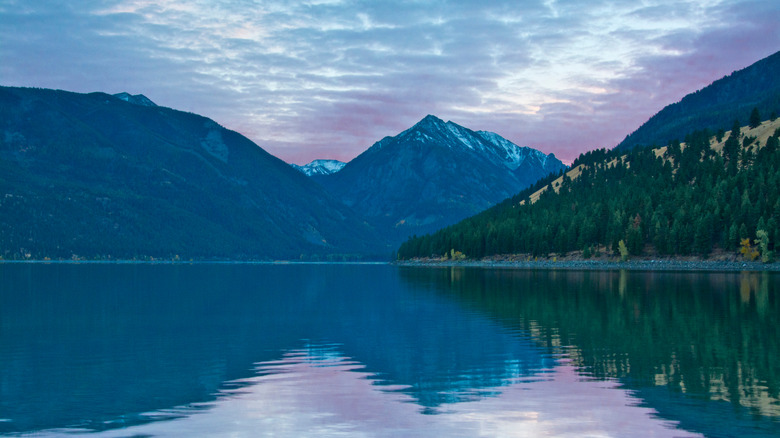
Tucked away in the extreme northeastern corner of Oregon, Wallowa Lake is a glacial ribbon lake framed by the dramatic, jagged peaks of the Wallowa Mountains. Often referred to as the "Switzerland of Oregon," it captures the steep alpine aesthetic of Lake Tahoe on a more intimate scale. Visitors can ride a dramatic tramway to the 8,200-foot summit of Mount Howard for sweeping panoramic views of the entire valley. Because of its remote location—roughly 650 miles northeast of Tahoe—it experiences a fraction of the visitor traffic, making it one of the most peaceful outdoor hubs in the Pacific Northwest.
4. Lake Willoughby, Vermont
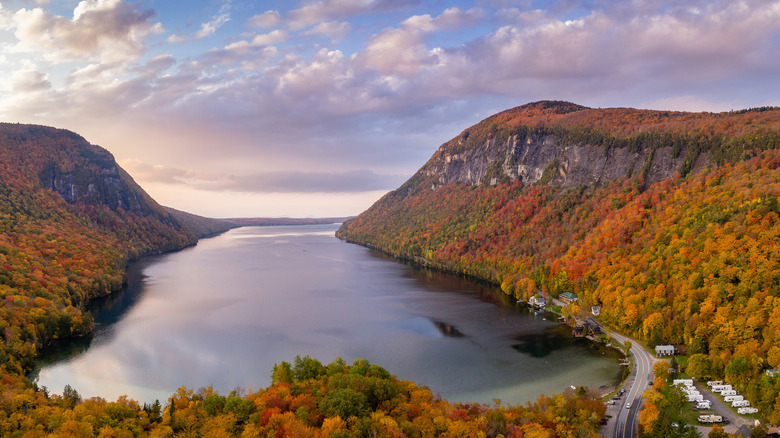
Carved deep into Vermont’s Northeast Kingdom, Lake Willoughby is an extraordinary glacial body of water bookended by the imposing stone walls of Mount Hor and Mount Pisgah. At 1,653 acres, it is significantly smaller than Tahoe, but its sheer aesthetic drama is remarkably similar. The deep, cold waters are ideal for summer swimming and boating, while the steep mountain trails challenge hikers with rewarding vistas of autumnal foliage or summer greenery. It remains an off-the-radar masterpiece for travelers seeking northeastern solitude.
5. Newfound Lake, New Hampshire
Newfound Lake spans 4,100 acres in the heart of New Hampshire and punches well above its weight class in water quality. Fed by eight distinct underground springs, its waters are remarkably clear and clean. A 22-mile shoreline invites kayakers, swimmers, and boaters to explore at their own pace. While Wellington State Park experiences busy parking lots on peak summer holidays, the congestion is mild and manageable compared to the relentless gridlock found around Lake Tahoe during peak season.
6. Moosehead Lake, Maine
For travelers seeking a true wilderness expanse that can match Lake Tahoe’s grand scale, Moosehead Lake in Maine is the definitive answer. Covering a staggering 75,000 acres, it is the largest freshwater lake in the region. The landscape features the 700-foot sheer cliffs of Mount Kineo rising abruptly from the water, mirroring Tahoe’s dramatic topography. Anglers flock to its cold waters to reel in landlocked salmon and trout, while autumn visitors are treated to explosive displays of crimson and gold foliage across the northern forests.
7. Lake Ouachita, Arkansas
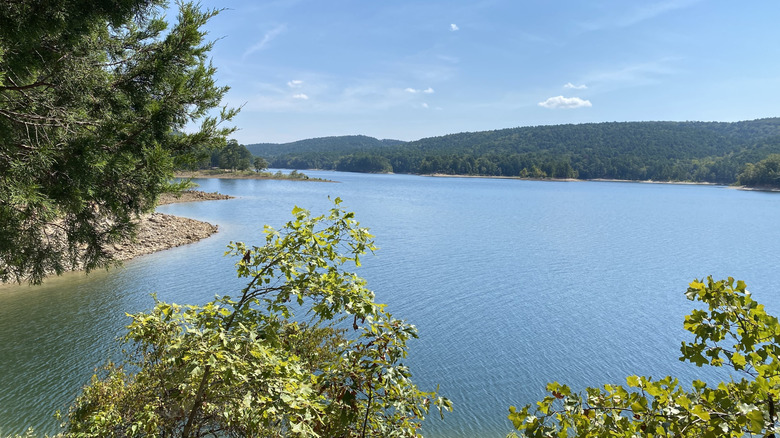
If your ideal mountain lake experience involves warm southern sunshine rather than freezing alpine snowpacks, Lake Ouachita in west-central Arkansas delivers. Spanning 40,000 acres near Hot Springs, this expansive lake offers all the aquatic activities of Tahoe—including swimming, boating, kayaking, and even scuba diving—within a temperate climate. Surrounded by the Ouachita National Forest, the lake features hundreds of uninhabited islands and crystal-clear cove waters that accommodate roughly 4 million annual visitors without ever feeling crowded.
8. Lake Jocassee, South Carolina
Hidden away in the Blue Ridge Mountains of South Carolina, Lake Jocassee is a 7,500-acre aquatic paradise fed by pristine mountain rivers and underground springs. The water remains refreshingly cool throughout the summer, thanks in part to several waterfalls that tumble directly into the lake or its immediate tributaries. Scuba divers enjoy exceptional underwater visibility, while anglers find thriving populations of trout. Surrounded by steep, forested mountain walls, it offers a dramatic visual backdrop for paddle sports and boating enthusiasts.
9. Lake Almanor, California
For those who want to stay within California but escape the overtourism of Tahoe, Lake Almanor offers an ideal alternative. Located three hours north of Tahoe, this 28,000-acre reservoir is framed by sweeping mountain views with a unique geological twist: Lassen Peak, an active volcano within the nearby Lassen Volcanic National Park, dominates the horizon. With a fraction of Tahoe’s annual foot traffic, Lake Almanor provides a quieter, more relaxed atmosphere for boating, fishing, and lakeside relaxation.
10. Swan Lake, Montana
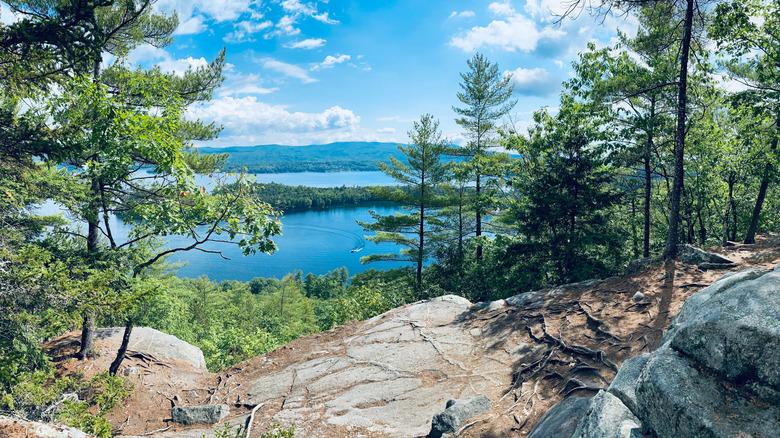
For travelers seeking the absolute antithesis of Tahoe’s high-traffic tourist hubs, Swan Lake in Western Montana is a sanctuary of peace. Tucked next to a sleepy community of just over 200 residents, this 8,2-mile-long lake is entirely framed by the pristine wilderness of the Flathead National Forest. It offers a modest, unpretentious retreat where visitors can fish, kayak, and hike in absolute tranquility, far removed from the commercialized hustle of major resort destinations.
Official Statements and Conservation Insights
Conservationists and state park officials across these regions emphasize a delicate balance between welcoming outdoor enthusiasts and preserving the fragile ecosystems of these water bodies.
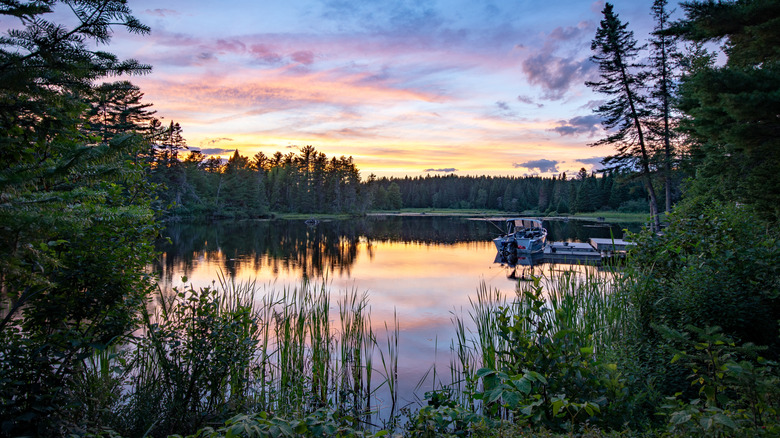
Representatives from the Idaho Department of Parks and Recreation note regarding northern destinations like Priest Lake: "While our natural assets compare favorably to major national landmarks, our primary objective remains the safeguarding of water quality and native wildlife corridors against unchecked commercial expansion."
Similarly, officials at New Hampshire State Parks highlight the importance of parking and visitor management: "Even on our busiest summer weekends, managing capacity at lakes like Newfound ensures that the natural shoreline remains protected from erosion and human degradation, preserving the pristine experience for future generations."
Future Outlook
As domestic travel trends continue to prioritize outdoor recreation, the pressure on iconic hubs like Lake Tahoe is projected to intensify. Consequently, travelers are increasingly looking toward secondary and tertiary nature destinations.
The future of sustainable travel lies in geographic diversification. By directing attention toward lesser-known alternatives—such as Priest Lake, Lake Glenville, Wallowa Lake, and others—tourists can enjoy world-class alpine and aquatic experiences while helping to mitigate the environmental strains of overtourism. These 10 destinations prove that the majestic union of mountains and crystal-clear water is not exclusive to a single famous basin, but is a diverse geographic gift scattered generously across the American landscape.