










Executive Overview
Japan consistently ranks among the most courteous nations in the world. In recent comprehensive global polling conducted by Remitly, which surveyed over 4,600 respondents across 26 countries, Japan claimed the top spot for global politeness, capturing an overwhelming 35% of the vote and outpacing every other nation by a wide margin. Conversely, the United States scored under 2% in the same survey.
This cultural divergence becomes painfully apparent within the first ten minutes of stepping into a traditional Japanese dining establishment, particularly a high-end sushi bar. When foreign tourists—accustomed to casual dining cultures and oversized portions—blunder into an authentic sushi bar, the resulting cultural friction can transform a multi-hundred-dollar culinary experience into an exercise in awkwardness.
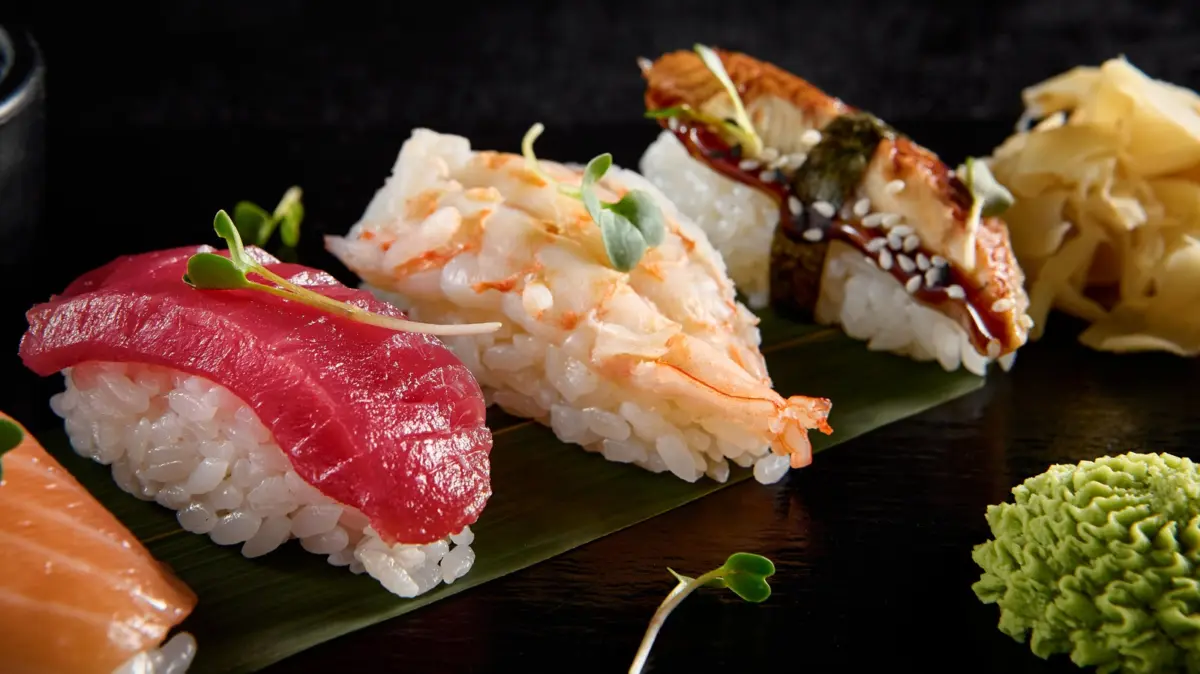
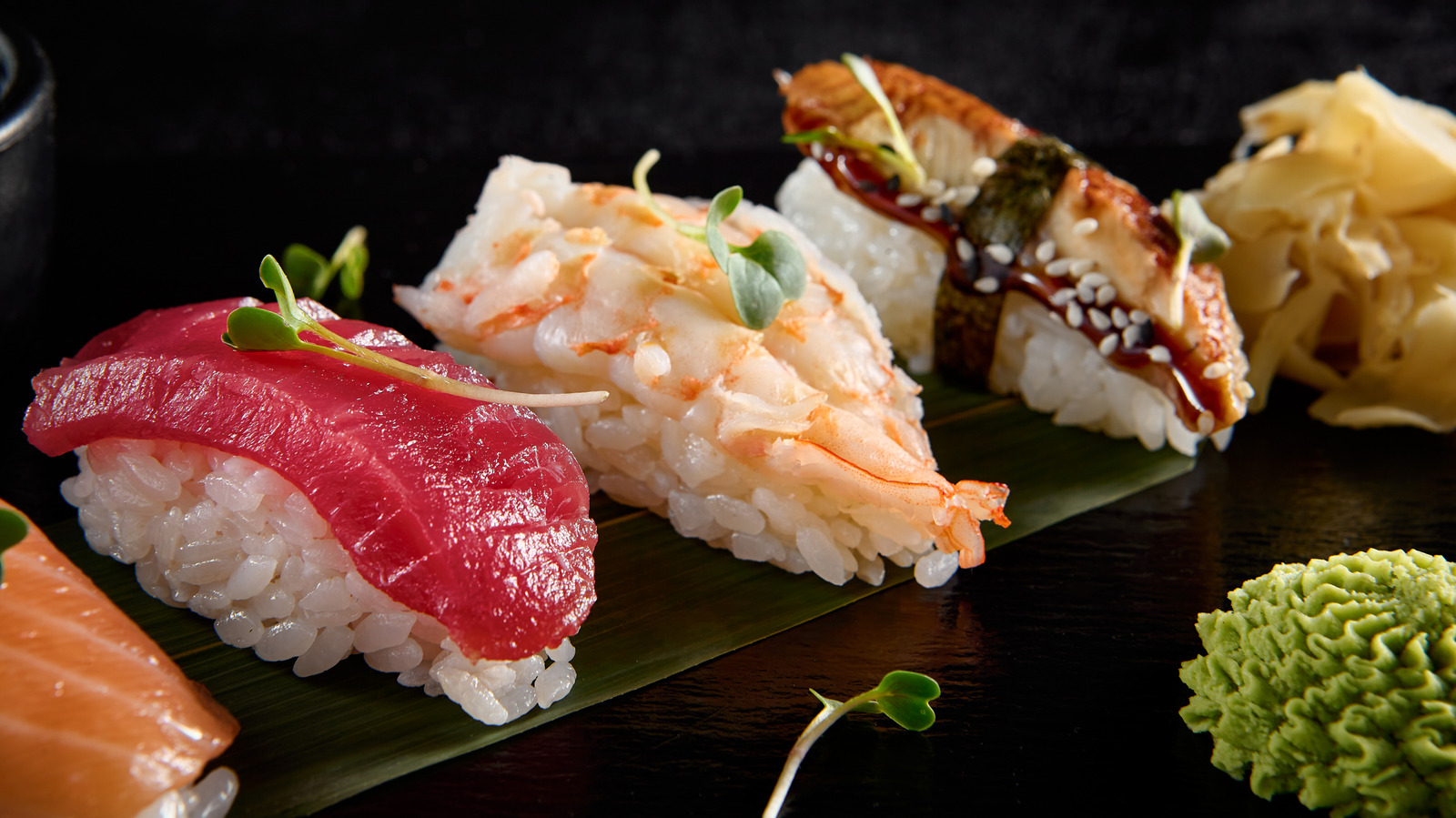
While the modern global perception of sushi is characterized by exquisite fine-dining experiences—most notably the multi-course omakase tasting menu, where the choice of ingredients is left entirely to the master chef—its roots are decidedly more humble. Originating as a street food, sushi evolved into a culinary art form deeply steeped in history, precision, and rigid social etiquette. Mastering this environment requires more than an appetite for raw fish; it demands an understanding of deeply ingrained traditions. From the way garnishes are handled to the sacred silence of the counter, here is a deep dive into the critical rules of sushi bar etiquette that diners frequently break, often within the first moments of their meal.
Detailed Chronology: From Street Food Staple to Sacred Counter Art
To understand why sushi culture demands such meticulous adherence to protocol, one must look at its fascinating historical evolution.
The 17th-Century Catalyst
According to Trevor Corson’s seminal work, The Story of Sushi: An Unlikely Saga of Raw Fish and Rice, the genesis of modern sushi was catalyzed by disaster. In the 17th century, a massive fire devastated Tokyo (then Edo), prompting citywide bans on indoor cooking stoves and cooked street food to prevent further conflagrations.
In response, street vendors began selling cold, fermented, and vinegar-cured seafood combined with rice as a fast, low-cost meal for the bustling working class. This grab-and-go street food required no elaborate ceremony; it was meant to be eaten quickly with the hands while standing or walking.
The 20th-Century Transformation
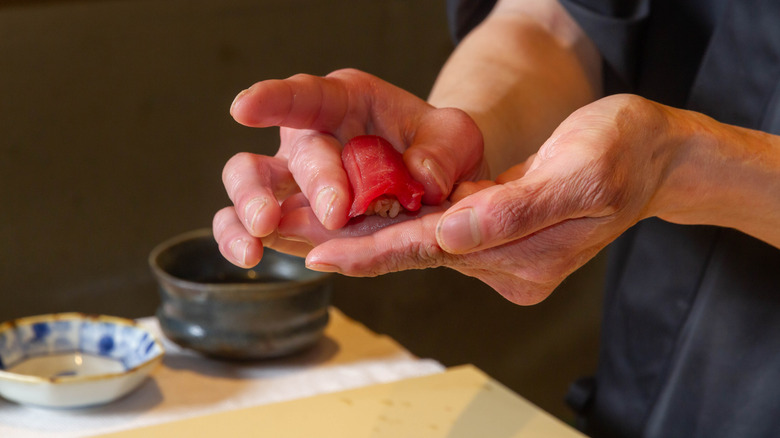
It was not until the 20th century that sushi transitioned from working-class fast food into haute cuisine. As refrigeration techniques improved and culinary standards rose, the interaction between diner and chef evolved. The sushi counter (ittamae) transformed into a stage, and the preparation of nigiri became an intricate performance.

This historical shift explains the dual nature of modern sushi culture: while casual, all-you-can-eat establishments prioritize volume and speed, high-end traditional counters demand reverence, silence, and precise timing. When tourists treat a high-end sushi bar like a casual American diner, they inadvertently clash with centuries of refined culinary heritage.
Supporting Context & Metrics: The 5 Major Rules Broken Within the First 10 Minutes
The friction between international diners and traditional sushi chefs typically manifests through specific, repeating missteps. Below are the five primary infractions committed within the opening moments of a sushi dining experience.
1. The Wasabi and Soy Sauce Misuse
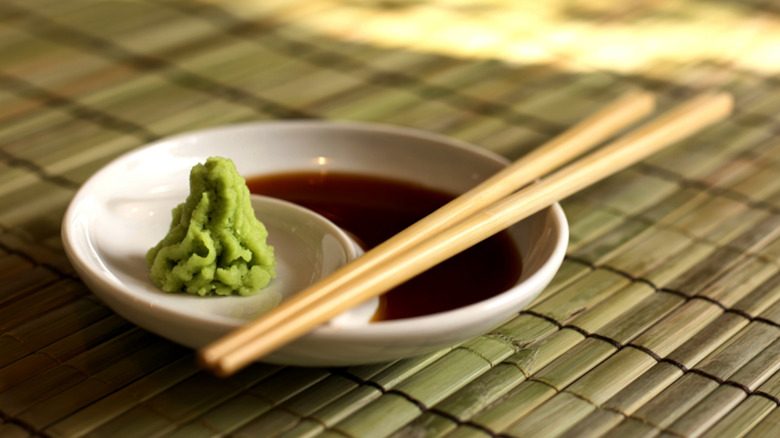
Perhaps the most ubiquitous faux pas occurs immediately upon seating. The "holy trinity" of sushi garnishes—soy sauce (shoyu), pickled ginger (gari), and wasabi—is set before the diner.
- The Mistake: Uninitiated diners routinely pour a pool of soy sauce into the small dipping dish (shoyu-zara) and dissolve a massive dollop of wasabi directly into it, creating a murky, muddy paste.
- The Reality: At an authentic sushi counter, the chef has meticulously calculated the exact amount of wasabi required for each specific piece of fish. Over-saturating the morsel in soy sauce and wasabi overpowers the delicate flavor profile of the seafood and signals to the chef that the diner does not trust their culinary judgment.
- The Correction: Dip nigiri fish-side down into a minimal amount of soy sauce. Furthermore, pickled ginger is not a topping to be layered over fish; it is a palate cleanser to be eaten in small bites between different courses. Alternatively, a small piece of ginger can be used as a brush to apply soy sauce to heavily sauced items.
2. Nibbling vs. Single-Bite Consumption
- The Mistake: Believing that nibbling away at a piece of nigiri demonstrates careful appreciation, foreign tourists frequently bite sushi in half.
- The Reality: Adept sushi chefs construct each piece of nigiri with exact proportions—balancing the temperature of the rice (shari), the weight and cut of the fish, and the hidden smear of wasabi. Biting a piece in half causes the delicate composition to collapse and ruins the flavor ratios.
- The Exception: While traditional nigiri must be consumed in one bite, the proliferation of Americanized, supersized sushi rolls has forced diners into multi-bite habits. Viral sensations, such as the colossal fist-sized salmon nigiri popularized by spots like Nehmo Bento & Sushi in Santa Ana, California, make single-bite consumption physically impossible. However, at a traditional counter, portions are intentionally calibrated for a single mouthful.
3. Smartphone and Counter Desecration
- The Mistake: Placing smartphones, cameras, keys, or bulky accessories directly onto the wooden sushi counter, followed by flash photography of every single course.
- The Reality: The sushi counter is treated as a sacred workspace, often carved from expensive, solid Hinoki cypress. Plunking down electronics or wearing dangling metal watches and heavy jewelry risks scratching the wood. Furthermore, many traditional Japanese sushi bars prohibit or heavily restrict photography to preserve the intimate, focused atmosphere of the dining room.
- The Correction: Keep mobile devices stowed in a pocket or bag. Always check the restaurant’s policy before attempting to photograph your meal.
4. Overstepping Lexicon and Terminology
- The Mistake: Attempting to sound like a culinary insider by adopting slang terms picked up from internet forums or pop culture—such as shouting the traditional chef greeting "irasshaimase" upon entry, or using industry jargon when ordering.
- The Reality: Pop culture representations, such as Larry David’s cringey greeting faux pas in Curb Your Enthusiasm, highlight how awkward amateur usage can be. According to Sushi University, customers using professional chef slang (murasaki for soy sauce, namida for wasabi, or agari for green tea) is considered off-putting. Additionally, asking for the check by calling it "oaiso" is a subtle linguistic trap; traditionally, it is a humble expression used by restaurant owners to apologize for potential unfriendliness, making its use by a customer sound presumptuous.
5. Disregarding Punctuality
- The Mistake: Arriving 5 to 10 minutes late for a reservation, viewing it with the casual flexibility common in Western dining culture.
- The Reality: In Japan, punctuality is absolute. Many high-end omakase counters operate on synchronized seating schedules, functioning identically to theatrical performances where all patrons are seated simultaneously. Arriving late disrupts the entire service flow and risks forfeiting courses that have already been prepared for the group. In Japanese cultural norms, being even a single minute late is viewed as a sign of disrespect, given that local patrons typically arrive ten minutes early.
Official Statements and Industry Perspectives
Culinary experts and master chefs have increasingly spoken out about the need to bridge the cultural gap between international tourists and traditional dining rooms.
Master sushi chefs emphasize that etiquette is not meant to intimidate diners, but rather to ensure the integrity of the food. "When a customer alters the dish before tasting it, or treats the counter as a photo studio, it disconnects them from the craft," notes a Tokyo-based master chef speaking on traditional counter practices. "We spend decades learning how to balance rice temperature and fish pressure. Respecting that process is part of the meal."
Hospitality analysts note that as global tourism rebounds toward pre-pandemic levels, educational campaigns by tourism boards and platforms like Remitly are vital. By understanding the cultural underpinnings of dining etiquette, international travelers can shift from being viewed as disruptive tourists to appreciated cultural participants.
Future Outlook
As culinary tourism continues to evolve, the tension between casual global dining trends and ultra-traditional dining rooms is expected to persist.
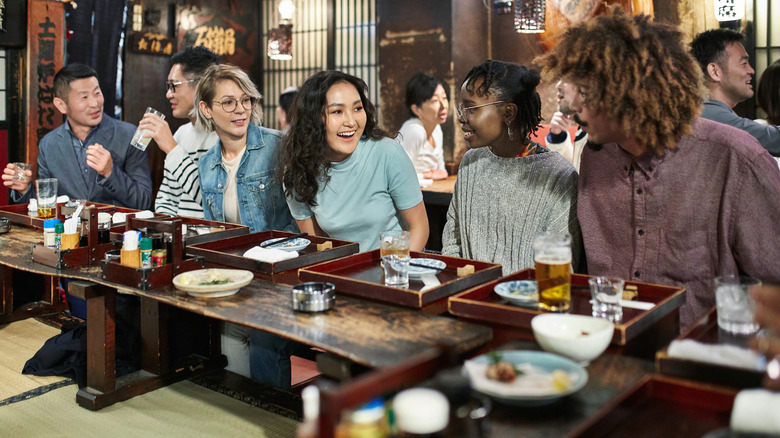
On one hand, the Westernization of sushi—characterized by all-you-can-eat buffets in Reno, massive novelty rolls in Southern California, and casual counter-service chains—will continue to cater to diners seeking comfort and volume over authenticity. These establishments will likely remain relaxed regarding rules, phone usage, and portion sizes.
On the other hand, high-end omakase venues, particularly in major culinary hubs globally, are adopting stricter reservation policies, explicit pre-dining guidelines, and digital educational prompts to prepare foreign diners before they arrive. Establishments are increasingly utilizing digital booking platforms to outline dress codes, photography policies, and cancellation penalties explicitly in English.
Ultimately, the future of cross-cultural sushi dining relies on mutual adaptation. While chefs at the highest tier continue to safeguard the sacred traditions of their craft, informed international travelers who take the time to learn basic etiquette will unlock a far more profound, authentic, and respectful culinary experience.