





Executive Overview
Tucked away in the rugged, undulating terrain of the Missouri Ozarks lies Warsaw, a community of fewer than 2,500 residents that defies its modest footprint with outsized natural splendor and authentic Midwestern charm. Often overlooked by travelers fixated on more commercialized destinations, Warsaw occupies a geographical sweet spot: it is cradled directly between two of the state’s most magnificent aquatic titans—the sprawling Truman Lake and the iconic Lake of the Ozarks.
Spanning an area of less than 2.5 square miles, this community offers a masterclass in balance. It seamlessly marries the untamed wilderness of hardwood forests, dramatic river bluffs, and crystal-clear waters with a tight-knit, community-oriented culture. Far from a sleepy dot on the map, Warsaw has quietly evolved into an elite outdoor recreation hub for anglers, boaters, hikers, and campers seeking respite from urban saturation. Paired with a surprisingly robust culinary scene defined by locally owned, home-style eateries, Warsaw presents an compelling case for travelers in search of genuine escape without sacrificing modern comforts.
Strategically positioned within comfortable driving distances from major metropolitan anchors—approximately 105 miles southeast of Kansas City and 214 miles west of St. Louis—the town remains remarkably accessible while retaining an aura of undisturbed seclusion. This comprehensive report explores the multifaceted appeal of Warsaw, Missouri, delving into its geographic assets, premier outdoor recreation, localized gastronomy, and the broader regional ecosystem that makes it one of the Midwest’s best-kept travel secrets.
Detailed Chronology & Geographic Evolution of the Gateway
The Historical Tapestry of Benton County
Long before Warsaw became celebrated as an anglers’ paradise and a haven for eco-tourists, the confluence of the Osage River and local tributaries served as fertile hunting grounds and settlement areas for indigenous peoples. Following the Louisiana Purchase and the subsequent westward expansion of the United States, European-American settlers recognized the strategic and agricultural potential of the region. Established in the 1830s and named after the heroic Polish city of Warsaw, the Benton County seat rapidly developed as a bustling river town.
Steamboats once navigated the winding waters of the Osage River, transporting goods and pioneers deeper into the American interior. However, the true geographic and economic transformation of Warsaw arrived in the 20th century with major hydrological engineering projects. The construction of Bagnell Dam downstream created the sprawling Lake of the Ozarks in the 1930s, and decades later, the U.S. Army Corps of Engineers completed the Harry S. Truman Dam and Reservoir project. These monumental waterworks permanently altered the landscape, turning Warsaw from a river-dependent trading post into a peninsula-like oasis surrounded by aquatic wealth.
The Modern Transformation Into an Outdoor Capital
Over the past three decades, Warsaw has undergone a deliberate yet organic evolution. Local municipal leaders and regional tourism boards recognized that the town’s greatest economic and cultural asset was its pristine natural environment. Rather than succumbing to aggressive, high-density commercialization—a fate that befell other sections of the Ozarks—Warsaw doubled down on conservation, infrastructure for eco-tourism, and downtown revitalization.
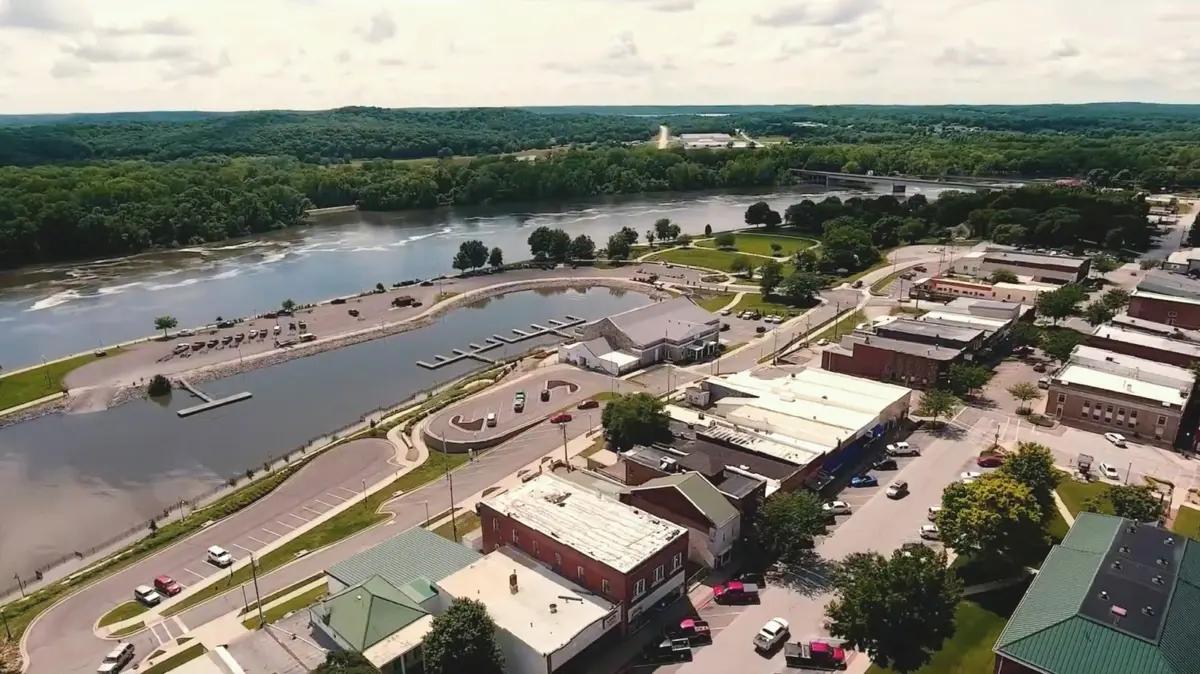
The extension of the Osage Arm of the Lake of the Ozarks directly into the town’s downtown corridor, culminating at Drake Harbor, established an immediate visual and functional link between urban commerce and wilderness recreation. Waterfront boardwalks, multi-use trails, and meticulously maintained public parks were systematically integrated into the town’s master plan. Today, Warsaw stands as a prime example of rural American resilience: a community that leverages its geographic isolation and environmental wealth to attract a discerning class of travelers seeking authenticity, quietude, and rigorous outdoor engagement.
Supporting Context & Metrics: The Anatomy of Warsaw
To truly understand Warsaw’s appeal, one must examine the quantitative and qualitative metrics that define its infrastructure, accessibility, and natural environment.
Demographic and Geographic Metrics
- Population: Fewer than 2,500 permanent residents, fostering an exceptionally high social cohesion index and low transient crime rates.
- Total Land Area: Less than 2.5 square miles, making the entirety of the town’s amenities, parks, and downtown district highly navigable by foot or bicycle.
- Proximity to Metropolitan Hubs:
- Kansas City, MO: ~105 miles northwest (approx. a 2-hour drive via US-71 S and US-65 S).
- St. Louis, MO: ~214 miles east (approx. a 3.5-hour drive via I-70 W).
- Springfield, MO: ~90 miles south to the nearest major regional aviation hub, Springfield-Branson National Airport (SGF).
Hydrological and Ecological Metrics
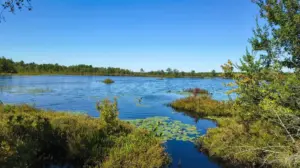
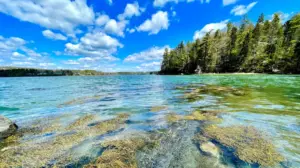
- Truman Lake (Truman Reservoir): Missouri’s largest artificial body of water. Spanning tens of thousands of acres of surface area, it functions as a less-congested, ecologically diverse alternative to downstream lakes. Its shoreline is characterized by rugged limestone bluffs, dense oak-hickory forests, and rolling hills.
- Lake of the Ozarks: Reaches its upper northern terminus right at Warsaw’s doorstep via the Osage Arm, providing direct access to deep-water navigation, water sports, and scenic shoreline vistas.
- Biodiversity: The surrounding Ozark ecosystem hosts a rich array of wildlife, including white-tailed deer, wild turkeys, bald eagles, American pelicans during seasonal migrations, and diverse freshwater fish species.
Outdoor Recreation: Waterways, Trails, and Campgrounds
Conquering Truman Lake and Harry S. Truman State Park
For outdoor enthusiasts, Truman Lake is the crown jewel of the region. Frequently cited by seasoned anglers for its exceptional populations of black bass, white bass, channel catfish, and trophy-sized crappie, the reservoir offers uncrowded waters that stand in stark contrast to the bustling recreation areas further east.
To maximize accessibility, Harry S. Truman State Park serves as the primary recreational portal to the lake. Situated on a wooded peninsula extending into the reservoir, the park features:
- Two concrete boat-launching ramps accommodating everything from high-powered bass boats to kayaks and canoes.
- A designated swimming beach with clear, sandy shores and safety buoys.
- A comprehensive network of hiking trails (such as the Bluff Trail and Turtle Hill Trail) that wind through thick hardwood forests, offering panoramic views of the water below.
- Expansive picnic areas equipped with pavilions, grills, and modern restroom facilities.
Exploring Drake Harbor and Waterfront Trails
Right in the heart of town, Drake Harbor acts as the central hub for community events, fishing tournaments, and casual strolls. The harbor connects directly to the Osage Arm of the Lake of the Ozarks, making it a favorite spot for boaters to dock and walk into town. A paved, multi-use waterfront trail system allows visitors to hike or cycle along the water’s edge, immersing themselves in the lush greenery and observing local waterfowl and aquatic life.
Premier Camping and Accommodations
For travelers wishing to sleep under the stars, Warsaw offers an array of top-tier camping options that cater to every style of outdoor living:
- Harry S. Truman State Park Campgrounds: Offering both basic and electric-hookup sites, these campgrounds are nestled deep within the tree canopy. Facilities include modern shower houses, fresh-water spigots, laundry services, a dump station, and a natural outdoor amphitheater for seasonal interpretive programs.
- Deer Rest Campground: Located just moments from the town center and operating from March through November, this facility offers full-hookup RV sites, basic tent pitching areas, and primitive camping. Known for its tranquil atmosphere, campers frequently report early-morning sightings of white-tailed deer grazing near the tree line and bald eagles soaring overhead.
Culinary Landscape: Small-Town Charm Meets Exceptional Dining
A common drawback of visiting ultra-small towns is a lack of culinary diversity or reliance on fast-food chains. Warsaw completely subverts this expectation. Its downtown and surrounding corridors are populated by independent, family-owned eateries that prioritize scratch-made comfort food, warm hospitality, and generous portions.
The Culinary Icons of Warsaw
- The Rusty Skillet: An old-fashioned local institution renowned for its unpretentious, family-friendly atmosphere. The restaurant has garnered a stellar regional reputation for its hearty portions, particularly its legendary hand-breaded pork tenderloin sandwiches that extend far beyond the edges of the bun.
- The Landing Bistro & Lounge: For those seeking a slightly elevated dining experience without losing that signature small-town warmth, The Landing delivers. Located near the water, it features innovative menu items such as the turkey apple crisp sandwich and lobster Benedict, alongside a curated selection of locally brewed Missouri craft beers. Diners can enjoy their meals on an expansive deck overlooking the water.
- Cow Patties: The quintessential mom-and-pop diner. Serving classic American comfort food—handmade half-pound hamburgers, crispy home-style fries, open-face hot roast beef sandwiches, and hearty breakfast platters—Cow Patties operates in a cozy, nostalgic environment. According to patron reviews, it is a place where "everyone feels like family," embodying the comforting essence of home cooking.
Future Outlook: Sustainable Tourism and Regional Synergy
As urban centers across the Midwest continue to expand and pace of life accelerates, destinations like Warsaw, Missouri, are poised for a significant surge in domestic eco-tourism. The future outlook for the town hinges on a delicate, intentional balance between economic growth and environmental preservation.
Sustainable Growth and Infrastructure Enhancement
Local municipal authorities, in collaboration with state conservation agencies, are actively investing in sustainable infrastructure. Plans are underway to expand the regional trail networks, connect Warsaw more seamlessly to the neighboring outdoor corridors of Clinton and Warrensburg, and upgrade water-treatment facilities to handle increasing seasonal tourism without straining local ecosystems.
Regional Tourism Integration
Warsaw is increasingly positioning itself as the anchor of an extended Ozark discovery route. By encouraging visitors to pair a weekend of boating and camping in Warsaw with day trips to historic Clinton—located just a 30-minute drive north—or the vibrant downtown and parks of Warrensburg, regional tourism boards are creating a synergistic travel ecosystem.
For the modern traveler seeking an authentic, unpretentious, and visually stunning escape, Warsaw proves that the most rewarding destinations are often those found off the beaten path. Whether you are casting a line into the glassy waters of Truman Lake at dawn, hiking a bluffs-edge trail amid autumn foliage, or sharing a table at a local diner where the owners know your name by the second visit, Warsaw offers an enduring reminder of the peace and community waiting at the water’s edge.