








Executive Overview
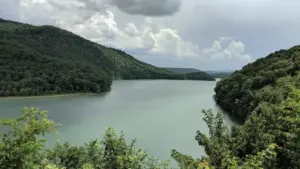
Nestled along the sprawling eastern shore of Lake Minnewaska, Glenwood, Minnesota, stands as a quintessential embodiment of the American Midwest’s rich cultural tapestry and natural splendor. Widely recognized as a haven for outdoor enthusiasts, anglers, and those seeking respite from high-density urban living, this tight-knit community bridges the gap between rural tranquility and accessible modern amenities. While the state of Minnesota is universally celebrated as the "Land of 10,000 Lakes"—a moniker reflecting its boundless aquatic landscapes—Glenwood distinguishes itself through a unique fusion of deep-rooted historical preservation, vibrant year-round community festivals, and an unwavering commitment to lakeside recreation.
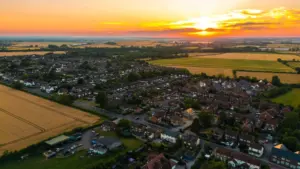
Strategically positioned roughly two hours northwest of the Minneapolis-Saint Paul metropolitan area and within easy driving distance of Fargo, North Dakota, Glenwood offers travelers an ideal geographic midpoint for a weekend getaway or an extended seasonal retreat. The municipality serves as the seat of Pope County, functioning not merely as a seasonal tourist trap, but as a living, breathing community where local heritage is fiercely protected and generously shared with visitors. From the bustling, community-driven excitement of the annual Waterama festival to the quieter, educational treasures housed within the Pope County Museum, Glenwood presents a multi-dimensional travel destination.
This comprehensive review explores the structural, cultural, and recreational dimensions of Glenwood, Minnesota. By analyzing its historical roots, seasonal event calendars, local culinary landscape, lodging infrastructure, and strategic regional positioning, this report aims to provide travelers, researchers, and regional planners with an authoritative guide to one of West-Central Minnesota’s most treasured municipal assets.
Detailed Chronology and Historical Evolution
The history of Glenwood and the broader Pope County region is deeply intertwined with the geography of the Glacial Ridge, a landscape shaped thousands of years ago by retreating ice sheets that left behind a fertile basin and the expansive, deep waters of Lake Minnewaska. Long before European settlers arrived, the region was inhabited by Indigenous peoples, including the Dakota bands, who utilized the abundant fisheries, forests, and wildlife of the surrounding countryside for sustenance and trade.
Settlement and Incorporation
European-American settlement in the area began in earnest during the mid-to-late 19th century, spurred by the Homestead Act and the promise of rich agricultural lands. The town of Glenwood was officially founded in 1866 and designated as the county seat of Pope County. Early pioneers were drawn to the picturesque bluffs overlooking Lake Minnewaska—a name derived from a Dakota phrase roughly translating to "good water."
As the railroad expanded across Minnesota in the late 1800s, Glenwood evolved from a remote agrarian outpost into a bustling regional hub. The introduction of rail transport allowed local farmers to ship grain and livestock to major markets while welcoming the first wave of leisure travelers. Entrepreneurs quickly recognized the aesthetic and recreational value of Lake Minnewaska, leading to the establishment of early lakeside resorts and steamboat operations that ferried tourists across the crystal-clear waters.
Twentieth-Century Transformation to Modern Heritage
Throughout the 20th century, Glenwood weathered the economic shifts of the Great Depression, the mechanization of agriculture, and the broader nationwide trend of urbanization. However, unlike many rural Midwestern towns that experienced severe population decline, Glenwood successfully leveraged its natural geography to sustain its economic vitality.
The establishment of civic institutions—most notably the Pope County Museum—ensured that the stories of early settlers, Native American heritage, and industrial pioneers would not be lost to time. Over the decades, the museum expanded from a modest collection of artifacts into an immersive historical campus featuring restored 19th-century buildings, offering contemporary visitors a tangible window into the past. Today, Glenwood honors its historical trajectory by blending preservationist initiatives with forward-thinking community development, ensuring that its rich heritage remains accessible to future generations.
Supporting Context & Metrics: Geography, Economy, and Tourism
Understanding the operational dynamics of Glenwood requires a detailed examination of its geographic footprint, demographic composition, and tourism metrics. Operating as a regional anchor in West-Central Minnesota, the city balances small-town charm with robust infrastructural support for seasonal visitors.
Geographic and Infrastructural Positioning
- Location: Situated on the eastern shore of Lake Minnewaska, positioned roughly equidistant between the larger urban nodes of Minneapolis-Saint Paul to the southeast and Fargo, North Dakota, to the northwest.
- Accessibility: Accessible primarily via major regional highways, including Minnesota State Highway 28 and Minnesota State Highway 55. The nearest major commercial aviation hub is Hector International Airport (FAR) in Fargo, North Dakota, located approximately two hours away by car, while Minneapolis-Saint Paul International Airport (MSP) provides a secondary international transit link of similar driving duration.
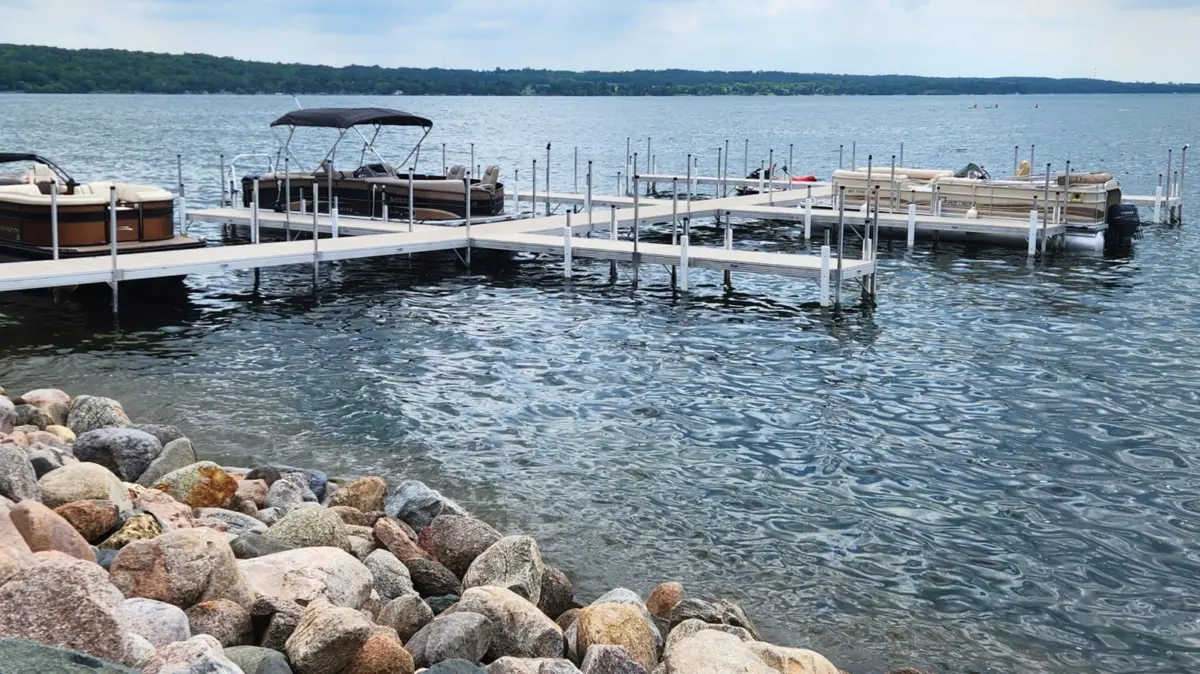
- Natural Assets: Lake Minnewaska spans thousands of acres, offering prime conditions for boating, sailing, water skiing, and sport fishing (notably yielding populations of walleye, northern pike, and panfish). Barsness Park, a municipal green space, provides miles of hiking and cross-country skiing trails directly adjacent to public waterfront access.
Tourism Metrics and Economic Impact
Tourism serves as a vital economic engine for Glenwood, supplementing the region’s strong agricultural foundation. During the peak summer months, the local population swells as seasonal homeowners and tourists occupy lakeside cabins, resorts, and municipal campgrounds.
- Lodging Infrastructure: Accommodations range from classic two- and three-star roadside hotels to historic family-owned lakeside resorts such as Peters Sunset Beach Resort, which offer private beaches and watercraft rentals. Campers find robust facilities at Barsness Park, blending rustic charm with modern convenience.
- Recreational Economy: The local economy benefits significantly from marine rentals, bait shops, local dining establishments, and specialty retail stores. Businesses like Theresa’s Turn Bakery and waterfront dining venues like Lakeside capitalize on the steady influx of visitors seeking authentic regional hospitality.
Official Statements and Civic Perspectives
Local municipal leaders, tourism directors, and community organizers consistently emphasize that Glenwood’s greatest asset is its sense of place and cooperative community spirit. In recent public addresses and civic planning documents, municipal authorities have articulated a clear vision for sustainable tourism and heritage preservation.
The Vision for Sustainable Lakeside Growth
According to community development briefings issued by Pope County officials, the overarching municipal strategy focuses on enhancing public recreational infrastructure without compromising the natural integrity of Lake Minnewaska.
"Glenwood occupies a unique position in Minnesota’s tourism landscape," notes municipal planning literature. "Our goal is not to industrialize our natural beauty, but to curate an environment where families can reconnect with nature, explore authentic local history, and experience genuine Midwestern hospitality. Every festival we host, from Waterama to Winterama, is designed to celebrate our collective identity while welcoming travelers into our extended community."
Cultural Preservation and Public Accessibility
Representatives of the Pope County Museum frequently underscore the importance of free public access to historical education. Operating under a community-funded and donation-supported model, the museum leadership has maintained an open-door policy that encourages multigenerational learning.
"History is not meant to be locked behind paywalls," local museum curators emphasize. "When a family walks through our doors—whether they are examining 19th-century genealogical records, stepping inside an authentic old schoolhouse, or admiring our vintage fire truck—they are participating in the living history of Pope County. Our mission is to ensure that every visitor leaves with a profound appreciation for the resilience and spirit of the people who built this region."
Future Outlook: Seasonal Evolution and Sustainable Development
As Glenwood looks toward the future, the municipality faces the dual challenge of accommodating increasing tourist demand while safeguarding its natural resources and small-town atmosphere. Strategic planning initiatives are currently underway to balance economic growth with environmental stewardship.
Expanding Year-Round Tourism
Historically, West-Central Minnesota experienced a pronounced economic slowdown during the transition from summer recreation to winter dormancy. However, municipal leaders and local business associations have successfully shifted the paradigm by aggressively promoting winter tourism.
- Winterama Integration: Building upon the immense success of the summer Waterama festival, the winter counterpart—Winterama—has expanded to offer high-engagement cold-weather activities. Events such as the polar plunge, competitive ice hockey tournaments, community chili cookoffs, and organized winter races draw regional visitors during the coldest months of the year.
- Four-Season Infrastructure: Future development plans include expanding cross-country skiing and snowmobiling trail networks, linking Barsness Park and Lake Minnewaska directly to broader regional trail systems, such as the famous Paul Bunyan Trail network located northeast toward Nisswa. Ice fishing infrastructure is also receiving modernization efforts to safely accommodate the growing number of anglers targeting Lake Minnewaska’s winter fisheries.
Environmental Conservation of Lake Minnewaska
Long-term sustainability relies heavily on the ecological health of Lake Minnewaska. Local watershed districts, in collaboration with state environmental agencies, have implemented rigorous monitoring programs to prevent invasive species introduction, manage shoreline erosion, and maintain water clarity. Public education campaigns targeting boaters and resort operators ensure that recreational enjoyment does not compromise aquatic ecosystems.
Conclusion
Glenwood, Minnesota, exemplifies the enduring appeal of the American heartland. By harmonizing the breathtaking natural attributes of Lake Minnewaska with a vibrant calendar of community events, robust historical preservation, and a welcoming local culture, the city transcends the definition of a typical vacation destination. Whether arriving for a high-energy summer weekend at Waterama, a peaceful autumn retreat amid the changing foliage, or an exhilarating winter excursion on the frozen lake, travelers to Glenwood discover a community deeply proud of its past and deliberately optimistic about its future.