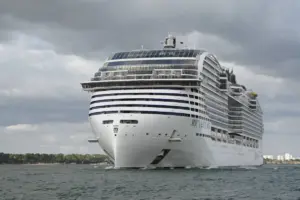
The global cruise industry is undergoing an unprecedented era of structural evolution, technological transformation, and massive fleet expansion. As major cruise operators look toward the horizon of 2027 through 2029, the emphasis has shifted toward redefining passenger expectations through sustainable propulsion systems, hyper-segmented neighborhood layouts, and record-shattering scale.
While many upcoming vessels represent continuations or refined iterations of highly successful contemporary ship classes, cruise lines are simultaneously introducing entirely new vessel classes. These next-generation ships are engineered to test the boundaries of naval architecture, onboard culinary excellence, and eco-friendly marine engineering—including the widespread adoption of liquefied natural gas (LNG), fuel cells, and hydrogen power initiatives.
This comprehensive industry index details the strategic rollout of upcoming cruise vessels scheduled for debut between 2027 and 2029, providing stakeholders, travel professionals, and maritime enthusiasts with an authoritative breakdown of fleet developments across the world’s leading cruise brands.
The year 2027 stands as a milestone period for high-capacity mega-ships and boutique luxury vessels alike. Virtually every major line has scheduled high-profile deliveries for this operational window.
Carnival Festivale (Carnival Cruise Line)
Marking the fourth Excel-class vessel for Carnival Cruise Line, Carnival Festivale pays homage to a classic company namesake from the 1970s. While the original Festivale accommodated roughly 1,400 passengers, the 2027 iteration will scale up massively to host approximately 6,400 guests.
Key Features: The ship introduces "Sunsation Point," a three-deck outdoor zone featuring a multi-slide water park designed to stay open during evening hours—a first for the fleet. Additional highlights include immersive music-themed multi-deck zones (Studio 724 and The Festival), alongside specialty eateries like Emeril’s Coastal Seafood, Fetcaccine, Uku Lei Lei, and Le Bistro Musicale.
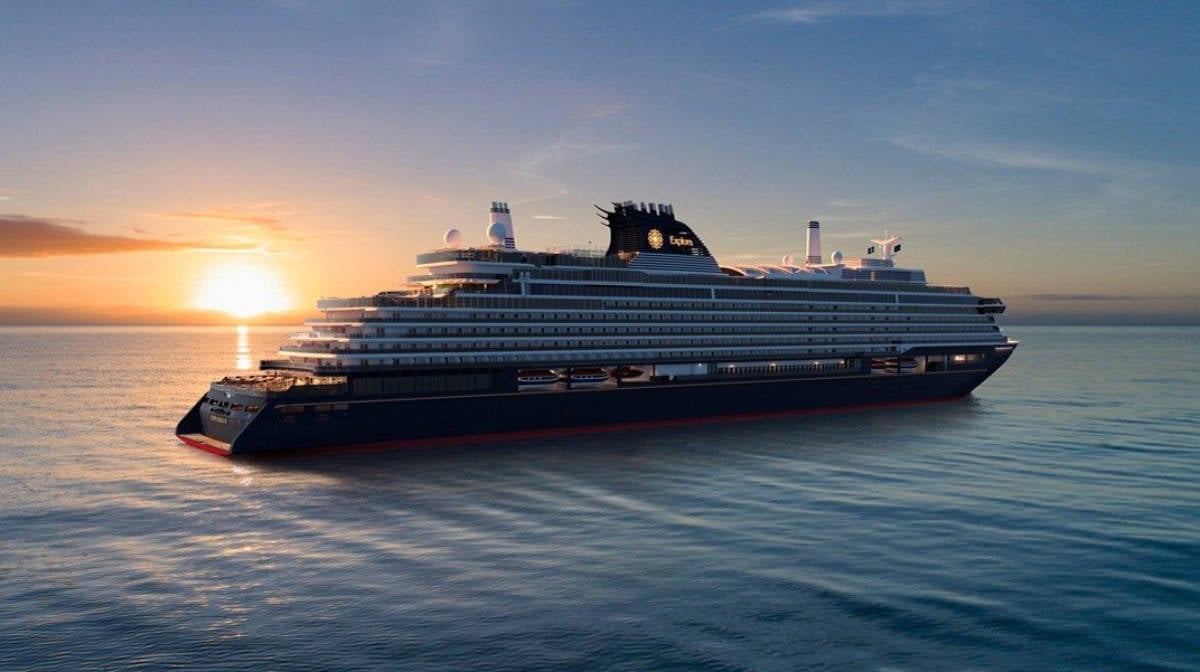
Explora IV & Explora V (Explora Journeys)
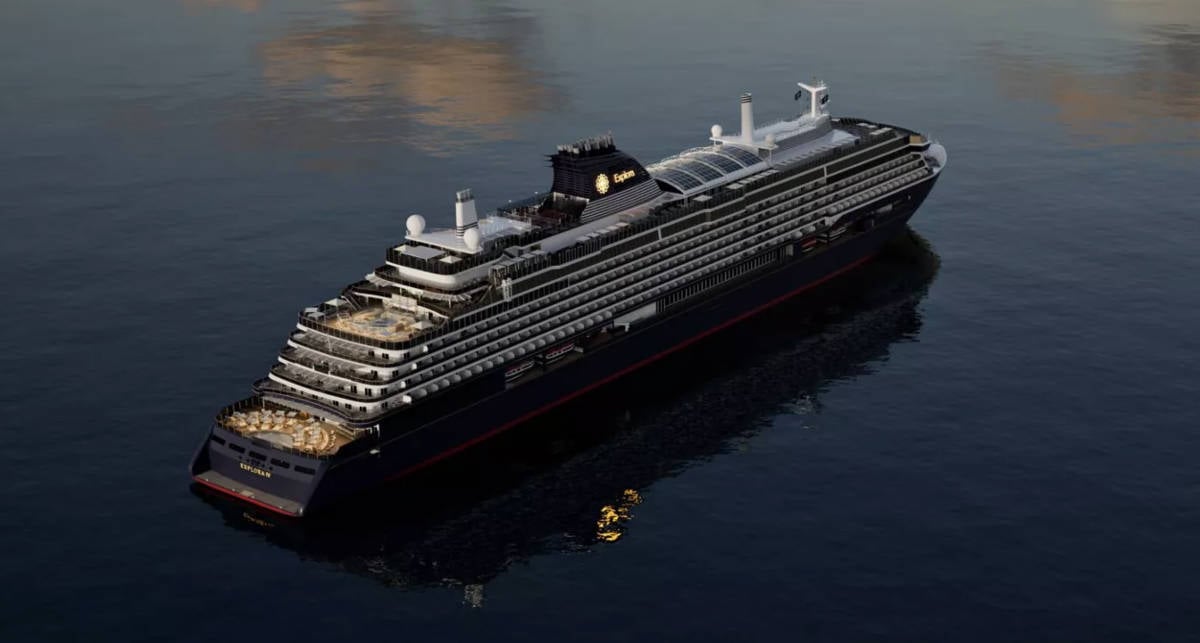
As part of an aggressive push into ultra-luxury cruising by the MSC Group subsidiary, Explora IV and Explora V represent the mid- and late-2027 chapters of an initial six-ship rollout.
Key Features: Powered by LNG and alternative sustainable marine fuels, these small, ultra-luxury vessels offer 461 and 457 ocean-front suites respectively. Guests benefit from a high 1.25:1 passenger-to-crew ratio, five heated pools, seven restaurants, and 12 distinct lounges.
Norwegian Aura (Norwegian Cruise Line)
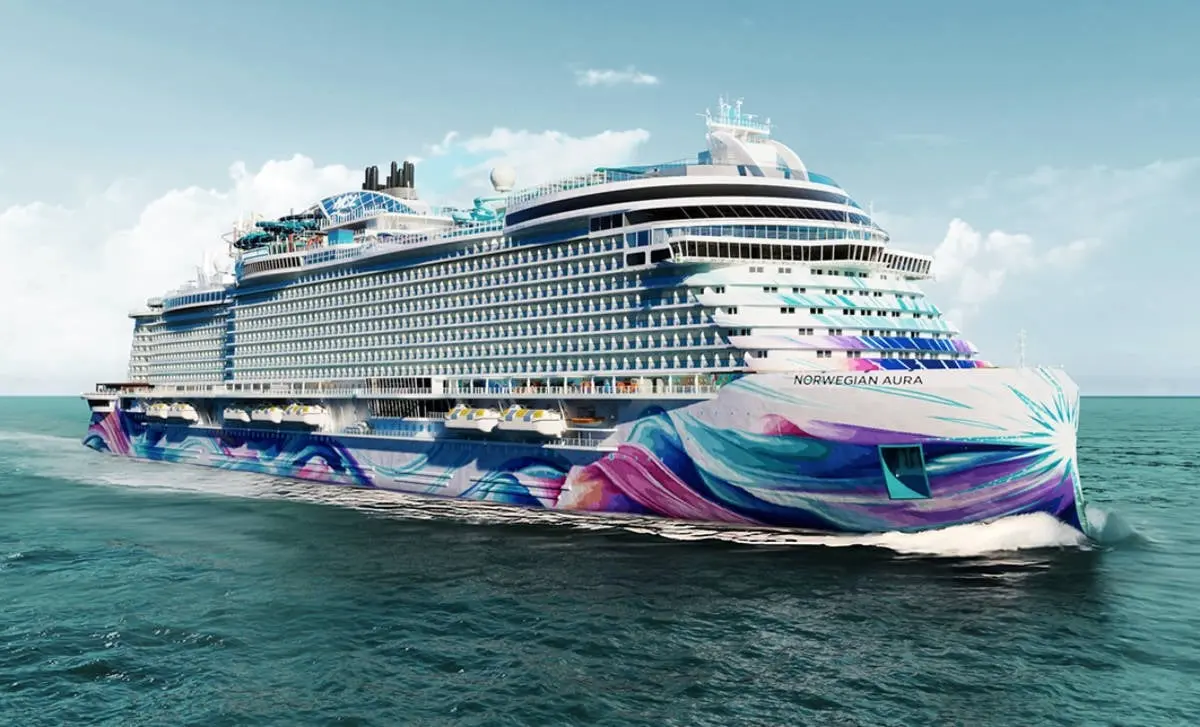
Slated for a May 2027 debut, Norwegian Aura will claim the title of Norwegian Cruise Line’s largest ship ever constructed, measuring roughly 10% larger in gross tonnage than its immediate predecessors, Norwegian Aqua and Norwegian Luna.
Key Features: Features include "Ocean Heights" (an open-air environment spanning decks 18 to 21), the dueling mat racer slide "Eclipse Racers," the "Aura Free Fall" drop slide, and an 82-foot ropes course. The ship also expands upon public footprints, offering a 20% larger pool deck and 30% more total suites.
Viking Astrea (Viking Cruises)
Viking Astrea continues the brand’s formula of adult-only, destination-focused cruising. Utilizing a hydrogen-powered small-ship framework, it accommodates just under 500 cabins across nine decks.
Key Features: Designed without a casino, the ship emphasizes classic Nordic interior styling, a comprehensive spa and fitness center, and traditional open-deck public areas optimized for intimate guest interactions.
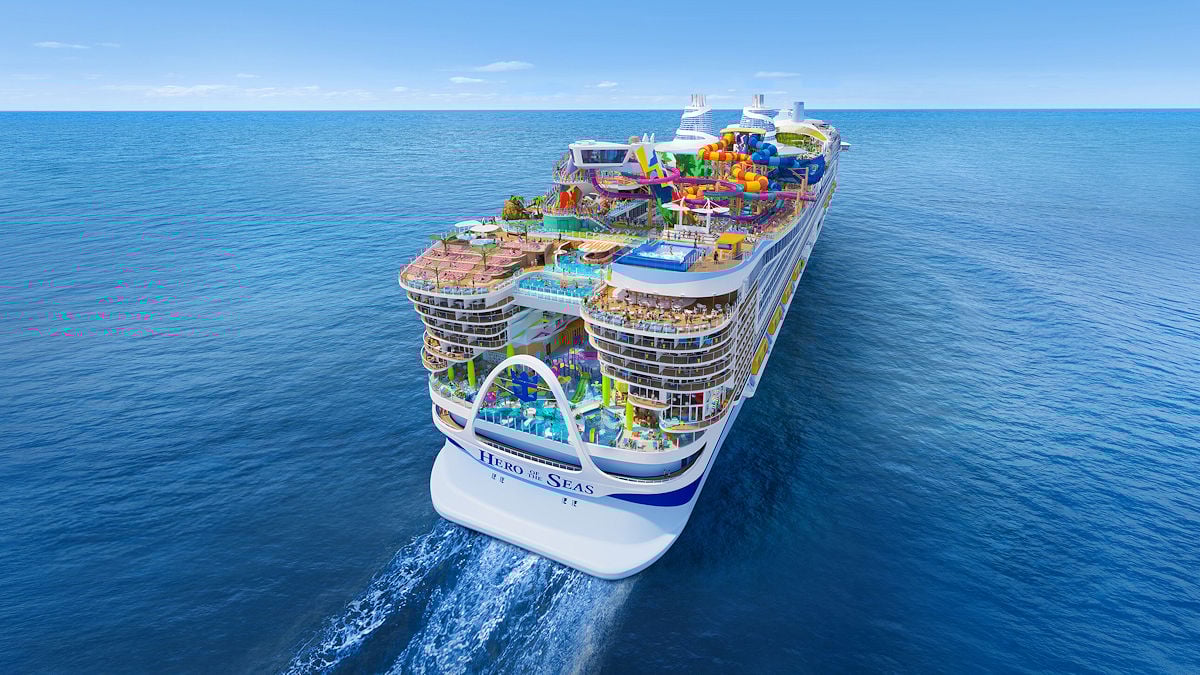
Hero of the Seas (Royal Caribbean International)
Continuing the runaway success of the Icon class, Hero of the Seas arrives as the fourth vessel in this revolutionary series.
Key Features: While retaining core architectural traits like eight distinct neighborhoods and 28 dining venues, Hero of the Seas debuts unique concepts such as "Coconut Cove," dual-pool layouts in The Hideaway, and the cruise industry’s first-ever funnel raft slide within Splashaway Bay. Dining additions include a French Quarter-themed early 20th-century supper club and four new concepts within the AquaDome Market.
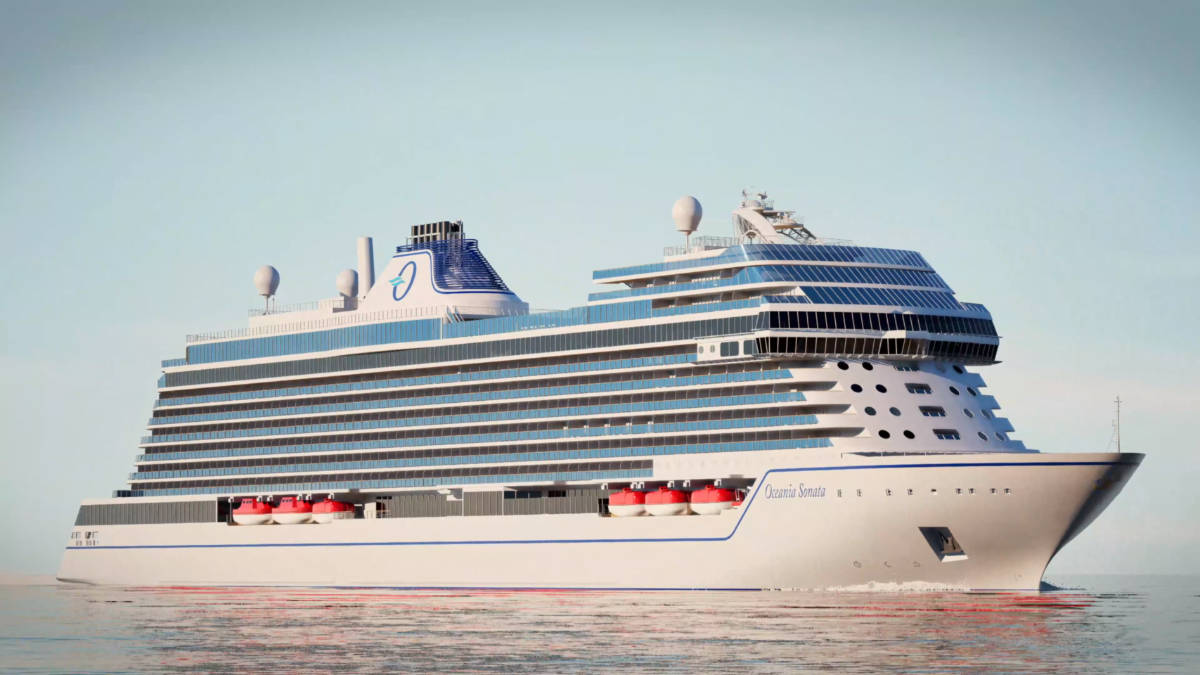
Oceania Sonata (Oceania Cruises)
Setting a new standard for luxury-line architecture, Oceania Sonata is the lead vessel of Oceania Cruises’ brand-new Sonata class.
Key Features: Engineered as the line’s most spacious ship to date, nearly a third of its inventory consists of suites. It features 600-plus-square-foot Horizon Suites and massive 2,500-square-foot Owner’s Suites located on the aft corners. On the culinary front, it debuts "La Table par Maîtres Cuisiniers de France"—an exclusive 18-seat fine-dining experience—alongside the Peruvian-Japanese fusion venue Nikkei Kitchen.
MSC World Atlantic (MSC Cruises)
As the fourth World-class vessel for MSC Cruises, MSC World Atlantic combines proven mega-ship attractions with fresh onboard environments.
Key Features: Spanning over 38,000 square meters of public space, the ship features over 40 bars and restaurants, returning fan favorites like The Clubhouse and Cliffhanger overwater swing, alongside the new Latin music and cocktail lounge, Viva La Musica.
Disney Believe (Disney Cruises)
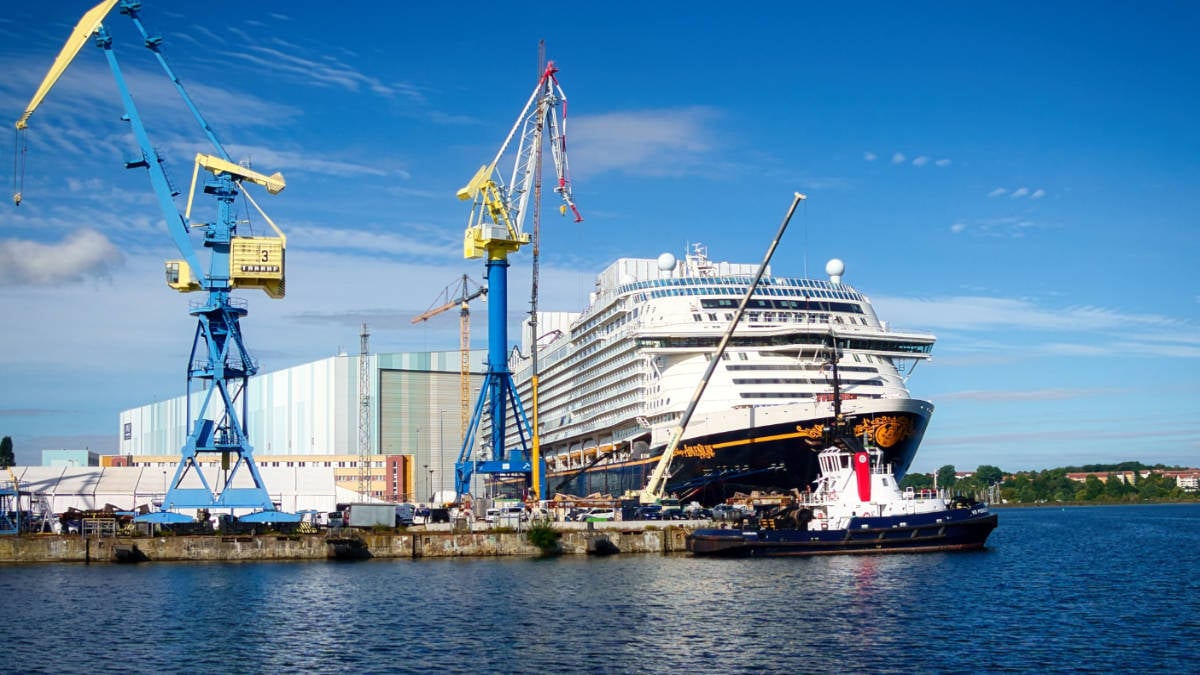
The fourth Wish-class ship in the Disney Cruise Line fleet, Disney Believe will integrate immersive cinematic themes inspired by classic franchises like Snow White, The Little Mermaid, Moana, Frozen, and Encanto. Built with LNG propulsion, full operational details are slated for release in late 2026.
New Cruise Ships Debuting in 2028
The 2028 operational calendar focuses heavily on class consolidation, mid-sized ultra-luxury entries, and the expansion of established mega-resort designs.
Viking Lyra (Viking Cruises)
Serving as the 17th ocean vessel in Viking’s fleet, Viking Lyra follows the tried-and-true formula of intimate scale, accommodating under 1,000 guests across 10 decks with all-veranda stateroom configurations.
Crystal Grace (Crystal Cruises)
Marking Crystal Cruises’ first newly constructed ocean ship in more than two decades, Crystal Grace targets the ultra-luxury segment with a capacity of roughly 650 guests.
Key Features: Boasting one of the highest guest-to-space ratios at sea, the ship will feature the only Nobu restaurant at sea, a dedicated Beefbar venue, pickleball courts, and a modernized pool deck layout.
Explora VI (Explora Journeys)
The sixth and final ship in Explora Journeys’ current expansion phase, Explora VI caps off the boutique brand’s initial fleet rollout with sustainable fuel systems, 450+ oceanfront suites, and a 1.25:1 staff-to-guest ratio.
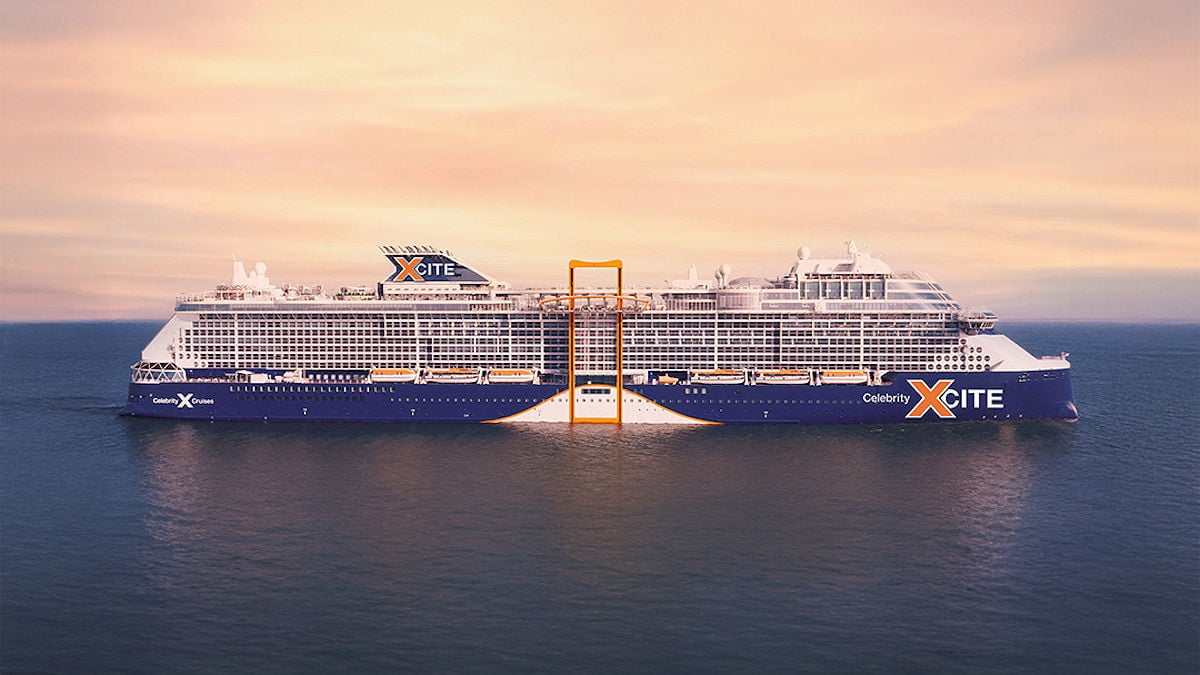
Celebrity Xcite (Celebrity Cruises)
As the sixth Edge-class ship for Celebrity Cruises, Celebrity Xcite will mirror the architectural innovations of its predecessors—such as the Magic Carpet and Infinite Veranda staterooms—while optimizing outward-facing public spaces.
Carnival Tropicale (Carnival Cruise Line)
Continuing Carnival’s Excel-class expansion, Carnival Tropicale (whose steel-cutting took place in late 2025) introduces features like the Turning Tides raft slide, The Vault Retrocade, and Fairway 66 mini-golf.
5th Icon Class & 7th Oasis Class (Royal Caribbean)
Royal Caribbean will introduce two massive bookends to its fleet in 2028: the fifth unnamed Icon-class ship and the seventh Oasis-class vessel, both designed to test the limits of onboard entertainment, neighborhood distribution, and capacity scaling.
4th Prima Plus Class (Norwegian Cruise Line)
Following the mammoth 2027 debut of Norwegian Aura, NCL will introduce a sister vessel in 2028, marking the conclusion of the Prima/Prima Plus evolution before the line pivots to its newly commissioned Fincantieri class.
New Cruise Ships Debuting in 2029
The year 2029 highlights a transformative transitional period characterized by entirely new ship classes, regional deployment strategies, and aggressive multi-ship delivery years.
Viking Leda & Viking Vega (Viking Cruises)
Viking continues its steady cadence of small-ship deliveries, launching Viking Leda in late 2028 followed closely by Viking Vega in June 2029, keeping the fleet’s architectural footprint consistent.
Oceania Arietta (Oceania Cruises)
The second ship in the groundbreaking Sonata class, Oceania Arietta follows the record-breaking booking momentum established by lead ship Oceania Sonata. Three additional sister ships are subsequently slated for 2032, 2035, and 2037.
Carnival Destiny (Carnival Cruise Line)
Shifting away from the Excel framework, Carnival Destiny launches the brand-new Ace class. Engineered in Italy, these vessels are designed to be the largest in Carnival’s history, focusing heavily on ocean-facing venues and balcony suite density.
The First Discovery-Class Ship (Royal Caribbean)
In a strategic shift from its colossal resort-style mega-ships, Royal Caribbean will debut the first Discovery-class vessel. Engineered with a smaller physical footprint specifically to navigate tight maritime bottlenecks like the Panama Canal, this class promises robust entertainment within a compact architecture.
New Disney Class & Regional Wish-Class Ships (Disney Cruises)
Disney Cruise Line is set to achieve a historic operational feat in 2029 by launching three ships within a single calendar year. This includes a specialized Wish-class vessel built in partnership with Oriental Land Co. for deployment in Japan, alongside two vessels belonging to an entirely new, smaller class (reducing gross tonnage by roughly 40,000 GT compared to the Wish class) designed to open up new global itineraries.
MSC World Class Expansion (MSC Cruises)
MSC Cruises will introduce the fifth vessel in its massive World class in 2029, with subsequent sister ships scheduled for 2030 and 2031, cementing the line’s status as a dominant global heavyweight.
Supporting Context & Metrics
To contextualize the scale of this three-year shipbuilding cycle, several key operational metrics underscore current industry trends:
Tonnage Escalation: Mega-ships from operators like Royal Caribbean and Carnival routinely surpass 200,000 Gross Tons (GT), housing upwards of 6,000 to 7,600 guests. Conversely, luxury and ultra-luxury segments (Explora, Viking, Crystal) intentionally cap their capacities between 450 and 900 guests to preserve an intimate guest-to-space ratio.
Environmental Compliance: Over 70% of newbuilds scheduled between 2027 and 2029 utilize LNG, fuel-cell technology, or hybrid hydrogen propulsion systems, aligning with corporate pledges toward carbon-neutral operations.
Class Diversification: Cruise lines are increasingly diversifying their offerings. While mega-resorts focus on multi-neighborhood layouts, water parks, and specialized dining, boutique lines are doubling down on culinary exclusivity (e.g., Nobu, Beefbar, and Michelin-star partnerships) and all-suite accommodations.
Official Statements & Industry Outlook
Maritime executives have repeatedly emphasized that passenger demand for modern, feature-rich cruise hardware remains robust despite broader economic fluctuations.
"The extraordinary response to our next-generation classes proves that modern cruisers are looking for dynamic, multi-dimensional vacation experiences," noted industry analysts tracking the record-breaking reservation openings for vessels like Oceania Sonata and Royal Caribbean’s Icon series.
Furthermore, the strategic shift toward smaller, versatile footprints—such as Royal Caribbean’s upcoming Discovery class and Disney’s new compact ship tier—demonstrates an acute awareness of port infrastructure limitations. By engineering ships capable of accessing restrictive global waterways, lines can expand destination offerings without sacrificing onboard amenity density.
Future Outlook (2030 and Beyond)
Looking past 2029, the global order book remains heavily congested well into the mid-2030s. Major shipyards in Italy, France, Finland, and Germany are locked into multi-billion-dollar construction schedules:
Carnival Corporation has secured framework agreements extending deep into the next decade, with the Ace class expanding through 2033.
Norwegian Cruise Line Holdings has secured a massive partnership with Fincantieri for over a dozen new vessels spanning through 2037.
Viking Cruises continues its disciplined expansion with orders confirmed up to 2032.
As sustainable marine technologies mature and passenger demographics continue to skew toward experiential, multi-generational, and ultra-luxury travel, the 2027–2029 shipbuilding window serves as the vital bridge toward the next golden age of international cruising.