







Executive Overview
In a move that signals a consolidation of maritime engineering expertise for extreme environments, Kongsberg Maritime has entered into a definitive agreement to acquire Steerprop, the highly regarded Finnish specialist in azimuth propulsion systems. The acquisition represents a deliberate, strategic step by the Norwegian technology giant to cement its dominance in the rapidly growing Arctic and high ice-class vessel markets.
By absorbing Steerprop’s specialized propulsion technology, Kongsberg Maritime—a subsidiary of the Oslo-listed Kongsberg Gruppen—is positioning itself to capture a larger share of the global polar shipping, scientific research, and offshore energy vessel sectors. Financial terms of the transaction have not been publicly disclosed, and the acquisition remains subject to customary regulatory clearances and closing conditions.
This acquisition arrives at a critical juncture for the global maritime industry. Climate change is rendering northern shipping routes, such as the Northeast Passage, increasingly navigable for longer periods of time, while simultaneously driving a surge in scientific expeditions, polar tourism, and resource exploration. At the same time, national governments are embarking on multi-billion-dollar fleet renewal programs to replace aging icebreakers and patrol vessels.
Through this transaction, Kongsberg Maritime aims to combine Steerprop’s high-torque, ice-class azimuth thrusters with its own sprawling global sales, distribution, and lifecycle maintenance network. The result is poised to be a turnkey maritime technology provider capable of offering integrated bridge-to-propeller solutions optimized for the world’s most hostile marine environments.
Detailed Chronology and Transaction Structure
The road to the acquisition reflects a carefully calculated alignment of two complementary engineering philosophies. While the official announcement marks the formalization of the transaction, the integration process is designed to minimize disruption to an active global order book.
[Agreement Signed] ➔ [Regulatory Review Period] ➔ [Transaction Closing] ➔ [Phased Post-Merger Integration]
        │                     │                                                   │
   Current Phase       Customary Approvals                                   Preserving Finnish
                      & Closing Conditions                                  Engineering & Scale
Phase 1: The Bilateral Agreement
Kongsberg Maritime and Steerprop’s ownership group concluded negotiations and signed the acquisition agreement, establishing the framework for the transfer of ownership. During this initial period, both entities continue to operate as strictly independent competitors. All existing projects, vessel deliveries, and contractual commitments remain unaffected, ensuring that Steerprop’s current commercial clients experience zero operational friction.
Phase 2: Regulatory Review and Closing Conditions
The transaction is currently undergoing scrutiny by relevant competition authorities and regulatory bodies. Given the specialized nature of ice-class propulsion systems and their frequent application in national security assets (such as coast guard vessels and research icebreakers), the regulatory review will assess market concentration in the azimuth propulsion sector. Upon receipt of these approvals and the satisfaction of standard closing conditions, the transaction will officially close.
Phase 3: Phased Integration and Knowledge Retention
Following the formal closing, Kongsberg Maritime plans to implement a phased, highly structured integration model. Recognizing that Steerprop’s primary value lies in its specialized human capital and localized engineering expertise, Kongsberg does not plan an immediate, disruptive overhaul.
Instead, the integration will focus on:
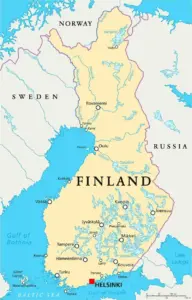
- Preserving Expertise: Maintaining Steerprop’s core design, engineering, and manufacturing capabilities in Rauma, Finland—a historic cradle of Finnish maritime technology.
- Systems Standardization: Gradually aligning Steerprop’s back-end operations, digital systems, and administrative processes with Kongsberg’s global operating model.
- Customer Continuity: Ensuring that legacy Steerprop clients retain direct access to the technical teams that designed their propulsion systems, while introducing them to Kongsberg’s broader support network.
Supporting Context & Metrics
To understand the strategic rationale behind this acquisition, one must examine the unique market dynamics of the polar maritime sector, the engineering specifications of azimuth propulsion, and the commercial footprints of both organizations.
The Dynamics of the Arctic and Ice-Class Vessel Market
The demand for high ice-class vessels is being driven by a convergence of environmental, economic, and geopolitical factors:
- Fleet Renewal Programs: Many of the world’s heavy icebreakers and polar patrol vessels were constructed during the late Cold War era and are reaching the end of their operational lifespans. Countries including the United States, Canada, Finland, and Sweden are currently engaged in extensive, multi-decade fleet modernization programs.
- Polar Research Investments: Climate change has accelerated the demand for sophisticated polar research vessels. These ships require highly specialized propulsion systems that can navigate thick pack ice while maintaining low underwater radiated noise (URN) levels to avoid disrupting marine ecosystems or scientific sensors.
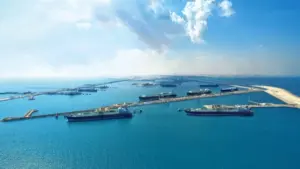
- Resource Extraction and Transit: Despite global decarbonization efforts, the Arctic remains a critical corridor for liquefied natural gas (LNG) transport and other resources. Ice-breaking LNG carriers require exceptionally robust propulsion systems to operate independently in remote, sub-zero waters without the constant assistance of dedicated icebreakers.
Steerprop’s Commercial and Technical Footprint
Founded in 2000 in Rauma, Finland, Steerprop has carved out a premium niche in the maritime industry. The company’s engineering philosophy centers on mechanical reliability, high hydrodynamic efficiency, and extreme structural integrity.
- Installed Base: Steerprop boasts an installed base of more than 400 vessels globally.
- Order Backlog: The company maintains a highly robust order backlog, with the vast majority of its upcoming deliveries designated for Arctic and ice-class projects.
- Product Specialization: Steerprop is renowned for its heavy-duty azimuth thrusters, particularly its Contra-Rotating Propellers (CRP) and push-pull configurations. These systems allow for $360^circ$ thrust vectoring, which provides icebreakers with the unparalleled maneuverability required to carve channels, free trapped vessels, and clear ice-clogged ports.
| Metric | Steerprop (Pre-Acquisition) | Kongsberg Maritime (Combined Potential) |
|---|---|---|
| Primary Focus | Heavy-duty Arctic & Ice-class azimuth propulsion | Integrated marine systems (automation, energy, propulsion) |
| Global Service Network | Regional service hubs & partners | 24/7 global network in over 30 countries |
| Core Engineering Hub | Rauma, Finland | Global (Norway, Finland, Sweden, UK, etc.) |
| Key Advantage | High-torque mechanical design for extreme ice loads | Massive scale, digital integration, lifecycle support |
The Engineering Challenge: Propeller-Ice Interaction
Operating in polar waters presents mechanical challenges that standard commercial marine propulsion systems cannot survive. When an azimuth thruster operates in ice, it does not merely push water; it actively collides with solid ice blocks. This interaction subjects the propeller blades, shaft, gears, and steering mechanism to extreme, transient shock loads.
Steerprop’s engineering solutions utilize high-strength alloys, specialized heavy-duty bearings, and advanced sealing technologies to prevent water ingress and oil leakage under extreme structural deflection. By acquiring this proprietary intellectual property, Kongsberg Maritime bypasses years of costly, high-risk research and development.
Official Statements and Strategic Insights
The leadership of Kongsberg Maritime has framed the acquisition not merely as a business expansion, but as a transformative integration of complementary capabilities.
In an official statement, Lisa Edvardsen Haugan, CEO of Kongsberg Maritime, emphasized the strategic synergy of the transaction:
"For Kongsberg Maritime, the acquisition represents a strategic step in strengthening our position in the growing Arctic and ice-class vessel segment. The combination brings together Steerprop’s specialized Arctic propulsion expertise with Kongsberg Maritime’s global organization, lifecycle services network, systems integration capabilities and scale."
Haugan’s commentary highlights a critical pain point for specialized maritime equipment manufacturers: scale. While a boutique engineering firm like Steerprop can design and build world-class propulsion systems, maintaining a global, round-the-clock maintenance and spare-parts network is incredibly capital-intensive.
By integrating Steerprop into Kongsberg’s global lifecycle services network, operators of Steerprop-equipped vessels will gain access to rapid servicing, remote diagnostics, and spare parts distribution in virtually any major port worldwide. This global reach is a powerful selling point for shipyards and shipowners deciding on propulsion suppliers for long-term projects.
Furthermore, the acquisition aligns with Kongsberg’s "Full Picture" strategy. Kongsberg aims to supply every major system on a vessel—from the bridge navigation systems (avionics) and automation software to the deck machinery, power management, and ultimately, the physical thrusters pushing the ship through the water. Adding Steerprop’s heavy ice-class thrusters to this portfolio allows Kongsberg to offer a fully integrated, single-vendor solution for the most complex vessels on the planet.
Future Outlook: Consolidation and Competitiveness
The acquisition of Steerprop by Kongsberg Maritime is highly indicative of a broader trend of consolidation within the marine engineering and propulsion sectors. As vessels become increasingly complex, digitized, and focused on decarbonization, the boundaries between mechanical propulsion, electrical power generation, and software automation are dissolving.
Competitive Landscape Implications
The combined entity will pose a formidable challenge to other dominant players in the high-power propulsion market, such as ABB (famous for its Azipod systems), Schottel, and Wärtsilä.
- ABB vs. Kongsberg-Steerprop: ABB’s Azipod system utilizes an electric motor housed inside a submerged pod. While highly efficient, mechanical azimuth systems like those designed by Steerprop offer distinct advantages in terms of sheer torque density, mechanical robustness, and ease of maintenance in certain heavy ice-breaking applications.
- The Hybridization Era: As the maritime industry moves toward hybridization and alternative fuels, the integration of Steerprop’s mechanical thrusters with Kongsberg’s advanced hybrid energy storage systems, permanent magnet shaft generators, and energy management software will allow for the development of highly efficient, low-emission ice-class vessels.
Navigating the Geopolitics of the Polar Regions
As ice-class vessels become strategic national assets, the concentration of propulsion technology in the Nordic region (specifically Norway and Finland) reinforces the geopolitical influence of these nations in Arctic maritime affairs. Finland has long been the global epicenter for icebreaker design, with Finnish-designed vessels accounting for a vast majority of the world’s operating icebreaker fleet.
By keeping Steerprop’s engineering base in Finland while leveraging Norway’s industrial and financial backing through Kongsberg, the Nordic maritime cluster secures its position as the undisputed technological guardian of polar transit.
Conclusion
Ultimately, the acquisition of Steerprop is a forward-looking transaction that capitalizes on the inevitable opening of the polar frontiers. For shipowners, the merger promises a seamless blend of Finnish engineering precision and Norwegian industrial scale. For Kongsberg Maritime, it secures a vital piece of the technological puzzle required to navigate, explore, and protect the world’s most demanding marine environments for decades to come.