






Executive Overview
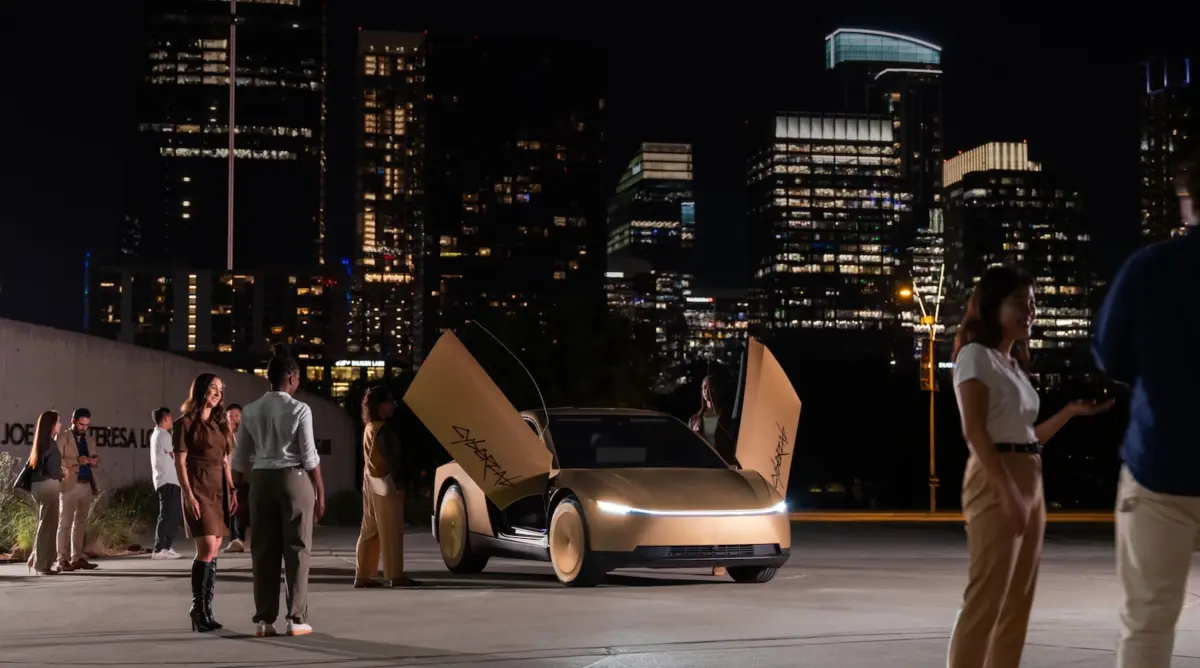
The long-awaited, highly scrutinized vision of autonomous urban transit has taken its next monumental—and fiercely debated—step forward. Tesla has officially rolled out its dedicated autonomous vehicle, the Cybercab, marking a pivotal milestone in the company’s decade-long pursuit of unsupervised Full Self-Driving (FSD) capability.
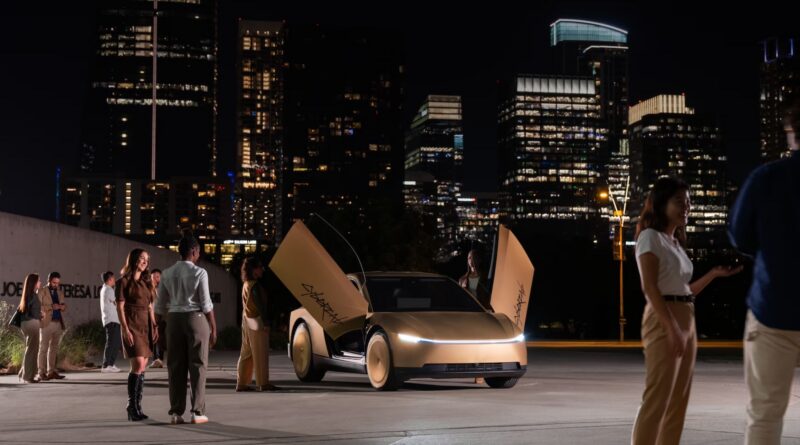
As of this week, a modest fleet of a few dozen Cybercabs has officially hit public roads in Austin, Texas. For an industry watching with a mixture of awe and skepticism, the arrival of the Cybercab represents either a revolutionary leap toward hyper-efficient, low-cost autonomous mobility or a premature deployment fraught with regulatory, technical, and logistical hurdles.
While the long-term ramifications of this rollout remain difficult to quantify, the immediate reality is undeniable: the Cybercab is no longer a concept rendering or a stage-bound prototype. It is a physical asset navigating real-world intersections, traffic lights, pedestrians, and unpredictable urban dynamics.

This in-depth report examines the current state of the Tesla Cybercab launch, analyzes the immediate facts on the ground in Austin, contextualizes the technological and market stakes, and explores what the coming months hold for Tesla’s burgeoning robotaxi network.
Detailed Chronology: From Concept to Asphalt
To understand the significance of the Austin rollout, one must trace the winding, often delayed timeline of Tesla’s autonomous ambitions.
The Roadmap of Promises
For years, CEO Elon Musk has teased a future where Tesla owners could add their vehicles to a shared autonomous fleet, earning passive income while parked. However, the hardware and software realities of achieving Level 4 and Level 5 autonomy proved exponentially more complex than initially projected.
- The Vision Takes Shape: Tesla shifted strategies from retrofitting consumer steering-wheel-equipped vehicles for ride-hailing to designing a dedicated, steering-wheel-and-pedal-free platform: the Cybercab.
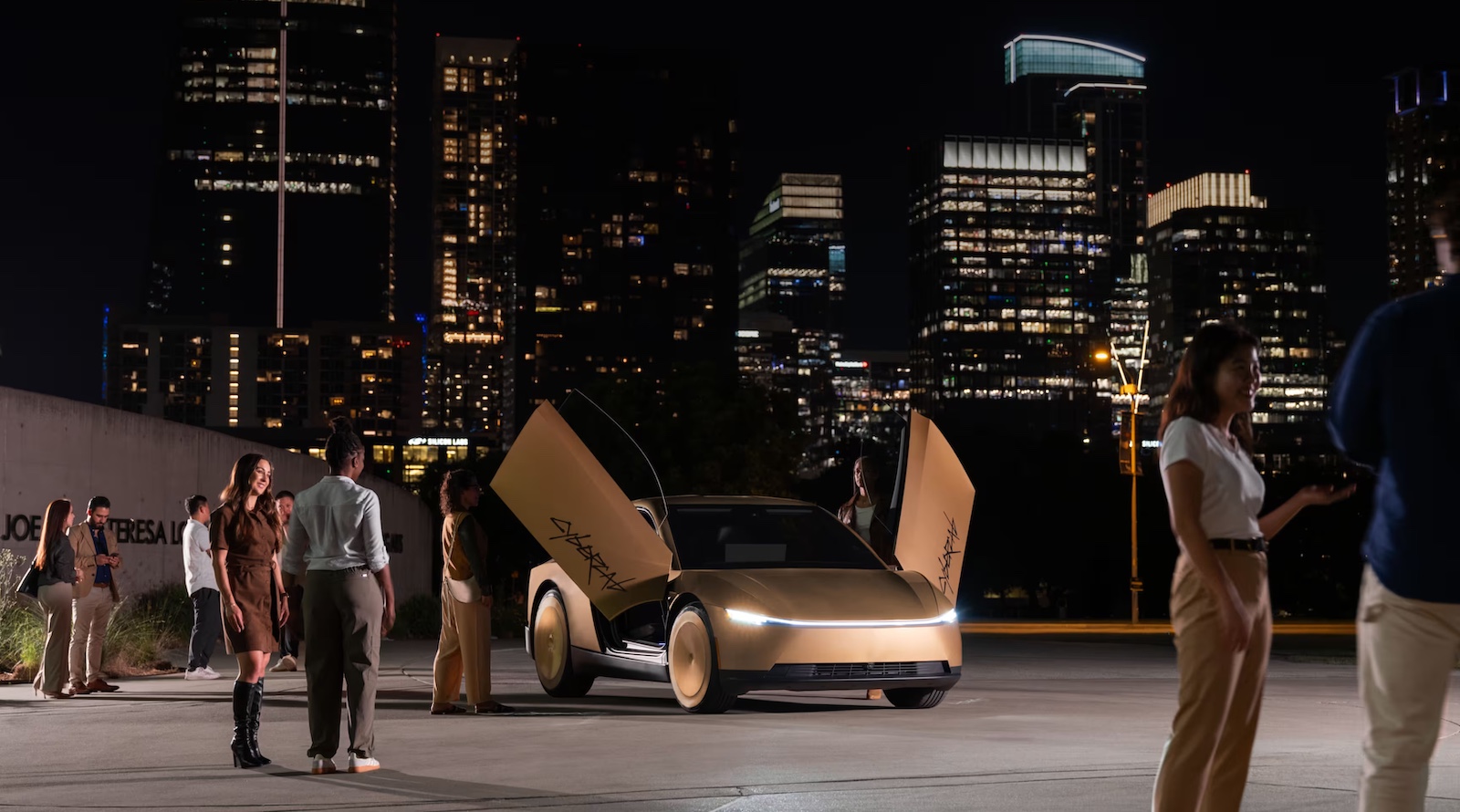
- The Unveiling Event: The vehicle was showcased to the public amid high-production-value spectacles, featuring a sleek, futuristic silhouette, butterfly doors, inductive charging capabilities, and a cabin completely devoid of traditional driver controls. Critics immediately pointed out the absence of LiDAR and the reliance solely on Tesla’s Vision-based camera suite, reigniting long-standing debates within the autonomous vehicle (AV) research community.
- Regulatory and Testing Phase: Following the unveiling, testing commenced quietly behind the scenes, subject to rigorous closed-course evaluations and compliance navigation with state and local authorities in Texas—a state widely recognized for its welcoming regulatory climate toward autonomous technology.
- The Commercial Deployment: Marking a sudden transition from closed testing to public reality, a localized fleet of Cybercabs materialized on the streets of Austin, initiating the first phase of public-facing operations.
Supporting Context & Metrics: The State of Play in Austin
At this juncture, a sober analysis of the deployment metrics reveals a cautious, highly controlled rollout rather than an overnight flood of automated transit.
Fleet Size and Geographical Scope
- Initial Footprint: Current data indicates that approximately a few dozen Cybercabs are operational within designated zones of Austin. This limited scale suggests that Tesla is prioritizing safety verification and real-world edge-case data gathering over mass-market saturation.
- Operational Design Domain (ODD): The vehicles are constrained to specific, mapped urban and suburban corridors. Navigating complex weather phenomena, unmarked construction zones, and dense downtown pedestrian bottlenecks remains an ongoing stress test for the neural networks powering the fleet.
The Technology Stack: Cameras vs. The Industry Standard
Unlike competitors in the autonomous space—such as Alphabet’s Waymo or Amazon’s Zoox—Tesla continues to eschew expensive sensor suites combining LiDAR, radar, and ultrasonic sensors. Instead, the Cybercab relies exclusively on high-definition optical cameras processed by Tesla’s custom neural net architecture and AI hardware chips.
- Cost Efficiency: By eliminating LiDAR and advanced radar systems, Tesla aims to drive down the bill of materials (BOM), potentially enabling a manufacturing cost per vehicle that undercuts traditional automotive and rival robotaxi competitors significantly.
- The Edge-Case Challenge: The central debate among autonomy engineers centers on whether pure vision can reliably match or exceed the safety margins provided by redundant sensor modalities, particularly in blinding sunlight, torrential downpours, or heavy snow (though snow is less of an immediate factor in Austin).
Official Statements and Industry Reactions
The launch has predictably polarized industry analysts, transportation economists, safety advocates, and tech enthusiasts.
Tesla’s Stance and Vision
Tesla leadership has consistently framed the Cybercab not merely as a car, but as the cornerstone of a transformative transportation ecosystem. The core economic thesis presented by the company rests on a dramatic reduction in the cost per mile of urban travel. By removing the driver from the equation and utilizing an electric powertrain designed for minimal maintenance, Tesla projects that ride-hailing fares could eventually drop to levels that make personal car ownership economically irrational for urban dwellers.
Regulatory and Public Safety Perspectives
Municipal authorities and transit agencies in Texas have maintained a watchful eye on the deployment. While Texas law provides a favorable framework for the testing and commercialization of autonomous vehicles without requiring human safety drivers, public safety officials emphasize accountability.
- The Accountability Question: In the event of a traffic infraction, unexpected stoppage, or collision, the lack of an onboard human operator shifts the burden entirely to remote telemetry operators and automated decision-making algorithms.
- First Responder Protocols: Local emergency services in Austin have been coordinating with autonomous vehicle developers to establish clear protocols for interacting with driverless vehicles—ranging from how to pull them over to how to safely override their systems during active emergency scenes.
Future Outlook: Where Does the Cybercab Go from Here?
As the initial dust settles over the Austin launch, the critical question remains: Where does the robotaxi service go from here? Several key indicators will dictate the trajectory of the Cybercab program over the next 12 to 36 months.
1. Scaling Beyond Austin
Replicating the Austin rollout in more complex, densely populated, and weather-volatile cities—such as San Francisco, New York, Seattle, or Chicago—will be the true litmus test for Tesla’s FSD software stack. Urban environments possess unique driving cultures, aggressive pedestrian behaviors, and intricate municipal layouts that will stress-test the vehicle’s generalized intelligence.
2. Regulatory Hurdles Nationwide
While Texas offers a streamlined path to deployment, other states maintain strict permit requirements, mandatory safety filings, and adversarial regulatory boards. Expanding the Cybercab footprint nationally will require navigating a fragmented patchwork of state and federal guidelines governing autonomous vehicle operations.
3. Economics of the Ride-Hailing Network
Launching a fleet of vehicles is one challenge; building a profitable, reliable, and user-friendly ride-hailing platform is another entirely. Tesla will need to scale its dispatch software, customer support infrastructure, cleaning and maintenance operations, and mobile app integration to compete effectively with established ride-share giants.

4. Consumer Trust and Acceptance
Ultimately, the commercial viability of the Cybercab hinges on public perception. Will everyday commuters readily embrace stepping into a vehicle with no steering wheel, no pedals, and no human safety driver? Building consumer trust will require an unblemished safety record free of catastrophic incidents during these foundational early months.
Conclusion
The official launch of the Tesla Cybercab in Austin is a watershed moment for the automotive and tech industries. It marks the transition of autonomous mobility from theoretical aspiration to concrete, rolling reality. Yet, this is merely chapter one of a long, unpredictable narrative.
As the initial fleet of Cybercabs navigates the streets of Austin, every mile driven will be scrutinized, analyzed, and debated by proponents and critics alike. Whether this launch becomes remembered as the dawn of mass autonomous transit or a bold first step in a protracted regulatory and technical marathon remains to be seen. For now, the vehicles are on the road, the data is flowing, and the future of urban mobility is unfolding in real time.