









Executive Overview
Autonomous vehicle technology is standing on the precipice of its most ambitious geographical transition yet. While driverless ride-hailing services have gradually morphed from speculative science fiction into everyday urban reality across major metropolitan areas in the United States—amassing hundreds of thousands of paid passenger trips on a weekly basis—the regulatory, cultural, and operational landscape of Europe presents an entirely different frontier.
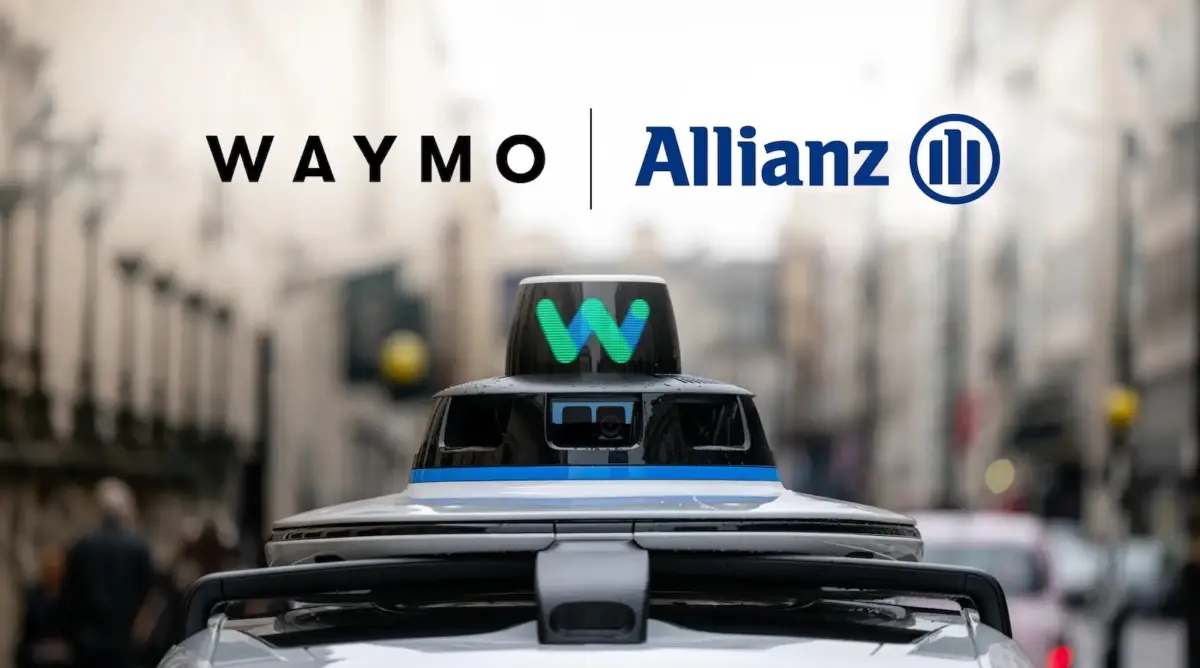
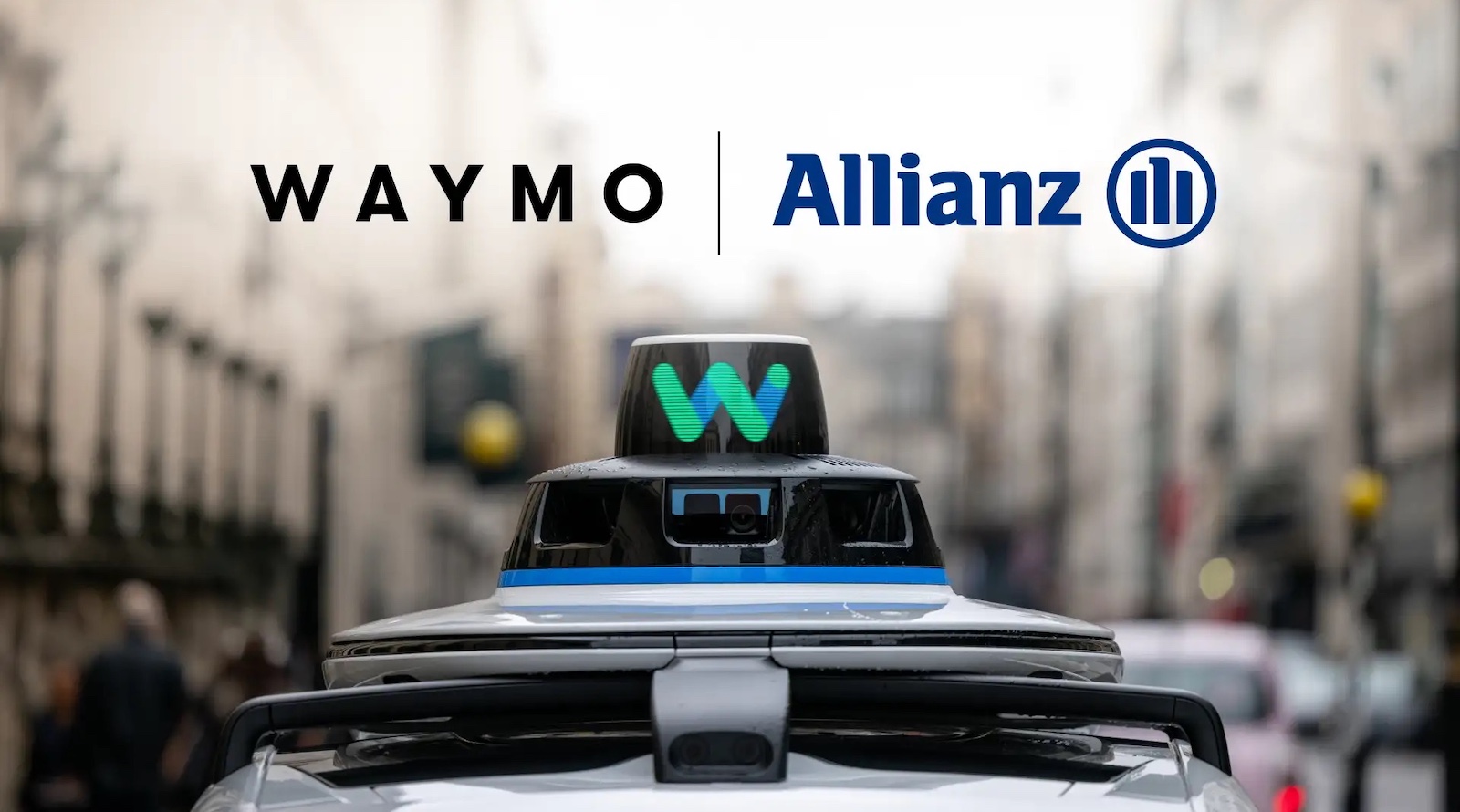
To bridge this monumental gap, Waymo, a pioneer and leader in the autonomous driving sector, has officially announced a strategic partnership with global insurance and financial services giant Allianz Partners. This landmark collaboration is designed to lay down the critical infrastructure required for Waymo’s commercial expansion into Europe, starting with initial deployment blueprints targeted at the bustling, complex metropolises of London and Munich.
Building a world-class autonomous vehicle (AV) fleet requires far more than sophisticated artificial intelligence, lidar arrays, and neural networks. As Waymo executives have frequently noted, the operational backbone—comprising comprehensive risk assessment, specialized insurance frameworks, localized digital claims handling, and safety research partnerships—is equally as critical to long-term success. By aligning with Allianz Partners, Waymo is combining its proven U.S. safety record and technological dominance with deep-seated European insurance expertise. The ultimate goal? Ensuring that the introduction of the Waymo Driver across European capitals is executed safely, reliably, and seamlessly from day one.

Detailed Chronology: The Road to Europe
The journey toward internationalizing autonomous ride-hailing is neither accidental nor rushed; it is the culmination of years of iterative scaling, regulatory navigation, and data accumulation within the United States.
The U.S. Foundation
Over years of operating commercial rider-only services across multiple dense U.S. markets—including San Francisco, Phoenix, Los Angeles, and Austin—Waymo has scaled its operations to handle more than half a million paid trips every single week. This extensive tenure has provided the company with an invaluable playbook on how to integrate autonomous fleets into the unpredictable rhythms of modern city life.
However, operating in domestic markets provided a localized crucible. Translating that success overseas requires navigating a completely fresh set of municipal regulations, driving cultures, road architectures, and legal frameworks. Recognizing that attempting to build an international insurance and operational ecosystem from scratch would slow its momentum, Waymo initiated strategic dialogues to find a partner possessing both continental scale and nuanced local market knowledge.
Targeting London and Munich
The selection of London and Munich as the initial launchpads for Waymo’s European deployment is a calculated strategic masterclass. Both cities represent contrasting yet equally challenging urban environments:
- London offers a notoriously complex grid of historic streets, heavy pedestrian traffic, aggressive commuter behavior, and left-hand traffic driving dynamics.
- Munich presents a structured yet highly regulated environment, characterized by strict German automotive standards, dense European traffic flows, and rigorous safety compliance requirements.
By teaming up with Allianz Partners ahead of these deployments, Waymo is establishing the necessary scaffolding to handle everything from regulatory approvals and risk modeling to localized incident response protocols. This foundational work ensures that when the first commercial Waymo vehicles pick up passengers in London and Munich, an invisible yet robust safety and financial net is already firmly in place.
Supporting Context & Metrics: Safety Data and Operational Synergy
The partnership between Waymo and Allianz Partners does not exist in a vacuum; it is heavily underpinned by hard, empirical safety data gathered over millions of autonomous miles driven in complex urban environments.
The Safety Argument
Skeptics of autonomous vehicle technology often point to high-profile edge cases or initial software hiccups to question the viability of driverless cars. However, Waymo’s real-world safety data tells a radically different story. According to comprehensive safety impact studies published by the company, vehicles powered by the Waymo Driver have demonstrated a 16x reduction in serious injury crashes compared to human drivers in the exact same urban operational domains.
This staggering reduction in severe accidents is the primary catalyst enabling insurance leaders like Allianz Partners to lean into the autonomous vehicle sector. Traditional auto insurance models rely heavily on human error, distracted driving, speeding, and fatigue—variables that are systematically eliminated by an autonomous system equipped with 360-degree sensor suites that never blink, grow tired, or check text messages.
The Anatomy of the Allianz-Waymo Partnership
Through this newly forged collaboration, Allianz Partners will provide a comprehensive suite of services tailored specifically to the unique operational demands of an autonomous fleet. The partnership focuses on several core pillars:
- Risk Infrastructure & Underwriting: Developing novel insurance models that account for the operational safety profiles of Level 4 autonomous vehicles, moving away from legacy human-centric driver insurance toward advanced liability frameworks.
- Digital Claims Management: Streamlining the claims reporting and processing pipeline using advanced telemetry data, ensuring that any minor fender-bender or operational anomaly is diagnosed and resolved with digital precision.
- Safety Research & Continuous Improvement: Leveraging Allianz’s extensive automotive safety research capabilities to continuously analyze fleet data, anticipate risk factors on European roadways, and proactively adapt mitigation strategies.
- Future Vehicle Recovery Solutions: The two companies have also committed to exploring long-term innovative operational solutions, including specialized vehicle recovery and roadside assistance tailored explicitly for driverless fleets that lack a steering wheel or traditional human driver.
Official Statements
The gravity of this partnership has drawn enthusiastic commentary from the executive leadership teams of both organizations, highlighting the intersection of fintech, insurance, and deep-tech mobility.
Tomas Kunzmann, CEO of Allianz Partners, emphasized the transformative nature of the collaboration:
"Autonomous mobility is one of the most significant shifts our industry will navigate in the years ahead. Waymo’s technology leadership, combined with Allianz’s global expertise in insurance, assistance, and vehicle safety, allows us to build a comprehensive ecosystem that gives operators and passengers confidence at every stage of the journey."
Echoing this sentiment, Tilia Gode, Head of Risk & Insurance at Waymo, highlighted the necessity of a solid operational backbone:

"As we advance our commercial rollout in Europe, building the right operational foundation is just as critical as the technology behind the Waymo Driver. Teaming up with Allianz Partners allows us to pair our proven U.S. safety record and commercial experience with world-class European risk and claims expertise, ensuring we scale reliably and responsibly from day one."
These statements underscore a shared philosophy: technological excellence alone is insufficient for mass adoption. Consumer trust, regulatory compliance, and financial backing must evolve in lockstep with the software.
Future Outlook: The Dawn of European Autonomous Mobility
As Waymo and Allianz Partners lay the groundwork in London and Munich, the ripple effects of this partnership will likely be felt across the entire European automotive and transit ecosystem.
For European commuters, the arrival of Waymo promises to reshape urban mobility, offering a safe, reliable, and potentially zero-emission alternative to traditional ridesharing and car ownership. For municipalities striving to meet ambitious climate and traffic-reduction goals, autonomous fleets integrated with public transit networks represent a vital tool in curbing urban congestion and lowering carbon footprints.
Looking ahead, the success of the London and Munich deployments will serve as the stress test for a broader continental rollout. If Waymo and Allianz can successfully navigate Europe’s fragmented regulatory landscape, establish airtight digital claims processes, and maintain their stellar safety records, the floodgates will open for wider commercial expansion into other major European capitals like Paris, Berlin, and beyond.
Ultimately, the Waymo-Allianz alliance signals a maturing of the autonomous vehicle industry. The wild-west era of speculative tech demonstrations is giving way to a structured, institutionalized reality where tech innovators and financial powerhouses join forces to redefine the future of movement.