





Executive Overview
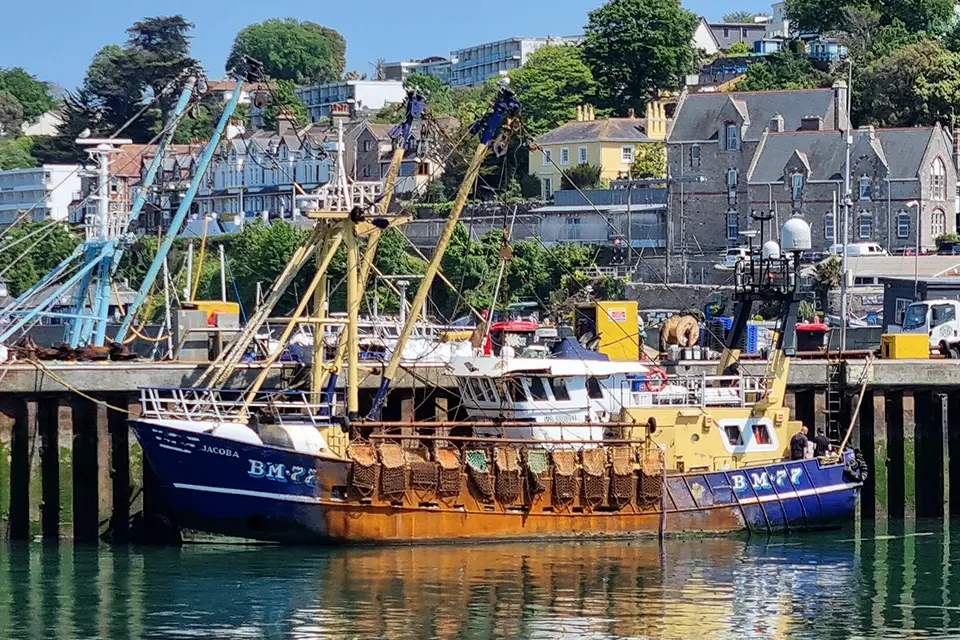
The Marine Accident Investigation Branch (MAIB) has officially released its comprehensive accident report detailing a severe, life-altering injury sustained by a crew member aboard the UK-registered scallop dredger Jacoba (BM77). The incident occurred on May 10, 2025, while the vessel was operating in open waters approximately 29 nautical miles south-south-east of Beachy Head, England.
Published on June 25, 2026, the investigative findings shed light on the systemic vulnerabilities, operational pressures, and onboard safety protocols characteristic of the modern commercial fishing sector—historically one of the most hazardous occupations globally. The newly released documentation outlines the precise sequence of events leading up to the trauma, evaluates the immediate emergency response measures executed by the ship’s master and crew, and puts forward critical safety recommendations aimed at preventing similar incidents across the broader maritime fleet.
Simultaneously, the MAIB has issued a targeted safety flyer directed at vessel owners, skippers, and deckhands throughout the commercial fishing industry. This advisory highlights the vital importance of comprehensive crew familiarization, hazard awareness, and the strict maintenance of safe working environments on commercial fishing vessels where heavy machinery, complex winching systems, and unpredictable sea states routinely intersect.
Detailed Chronology: The Events of May 10, 2025
While the full technical analysis and witness testimonies are cataloged within the official MAIB investigative dossier, the incident aboard the Jacoba highlights the unforgiving nature of industrial scallop dredging.
Pre-Incident Operations
On the morning of May 10, 2025, the Jacoba (BM77) was actively engaged in commercial fishing operations in the English Channel, positioned roughly 29 nautical miles south-south-east of Beachy Head. The vessel, designed for towing heavy steel dredges along the seabed to harvest scallops, was operating under standard commercial pressures. Weather conditions, sea states, and operational tempo dictated a fast-paced working environment on the open deck, where crew members regularly manage heavy towing warps, winches, tipping bars, and multi-tonne gear.
The Critical Incident
During the handling and retrieval of the fishing gear, an operational hazard materialized, culminating in a severe physical injury to a crew member. While commercial fishing deck operations inherently involve high-tension lines, moving mechanical components, and heavy suspended loads, the breakdown in hazard management during this specific sequence of operations placed the crew member directly in harm’s way.
The exact mechanics of the accident—documented thoroughly in the MAIB report—involved unexpected physical contact with operating machinery or heavy structural elements of the dredging gear under significant load. The kinetic energy involved in commercial scallop dredging operations means that even minor procedural lapses or momentary miscommunications on deck can result in catastrophic bodily trauma.

Emergency Response and Medical Evacuation
Immediately following the incident, the skipper and remaining crew members of the Jacoba initiated emergency protocols. Recognizing the gravity of the injuries sustained, the vessel’s leadership contacted maritime rescue coordination centers to request urgent medical assistance.
Given the vessel’s offshore position—nearly 30 nautical miles south-south-east of Beachy Head—coordination was established with search and rescue (SAR) authorities to facilitate a rapid medical evacuation (MEDEVAC). Emergency response assets, including coastguard helicopter units and maritime medical teams, were mobilized to intercept the vessel, stabilize the injured crew member, and transport them to a specialized trauma facility on the mainland for emergency surgical intervention.
Supporting Context & Metrics: Safety in the Commercial Fishing Sector
To fully understand the weight of the MAIB’s findings regarding the Jacoba, it is necessary to examine the broader safety landscape of the UK commercial fishing industry. Despite decades of regulatory oversight, technological advancements, and targeted safety campaigns, commercial fishing remains statistically the most dangerous civilian occupation in the United Kingdom.
The Hazards of Scallop Dredging
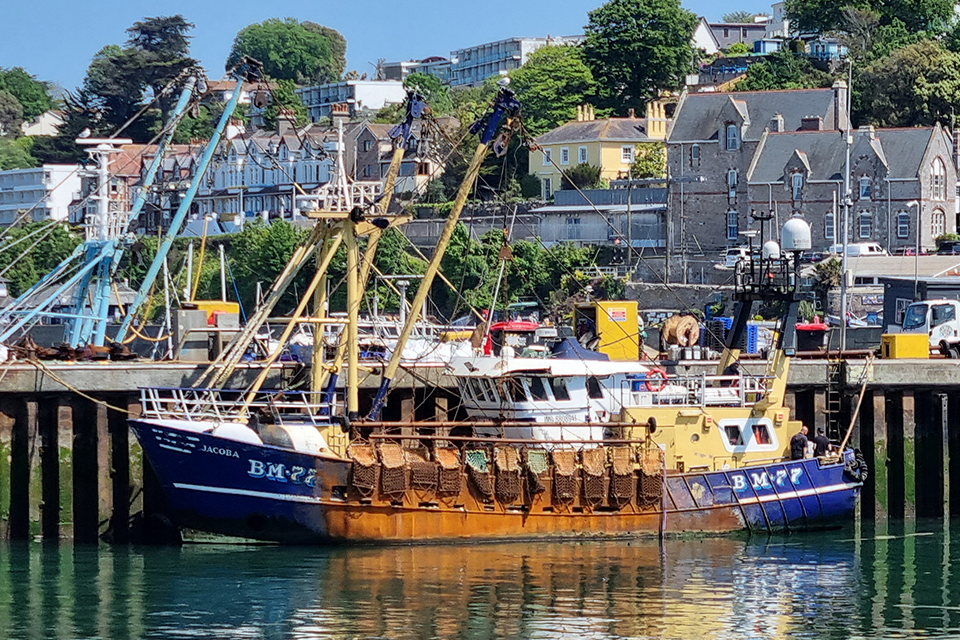
Scallop dredging is exceptionally labor-intensive and mechanically demanding. Unlike beam trawling or potting, scallop dredgers deploy heavy steel frames fitted with spring-loaded teeth and heavy chain bags that scrape the seabed. Operating this equipment requires:
- High-capacity hydraulic winches and heavy-duty steel wire warps operating under immense tension.
- Manual sorting, shucking, and handling of heavy catches on wet, moving decks.
- Constant exposure to heavy machinery operating in dynamic, unpredictable marine environments where fatigue and sleep deprivation are chronic risk factors.
MAIB Data and Industry Trends
Historical data compiled by the MAIB and the Maritime and Coastguard Agency (MCA) reveals that accidents involving machinery, winches, and heavy gear on fishing vessels frequently result in major trauma, limb amputations, or fatalities. Crew turnover in the sector remains high, often leading to situations where deckhands possess limited formal maritime training or inadequate vessel-specific familiarization.
When new or transient crew members are introduced to a vessel without undergoing rigorous safety inductions, their ability to recognize localized hazards—such as pinch points, snap-back zones around winches, and the unpredictable movement of heavy gear—is severely compromised. The accident aboard the Jacoba serves as a focal point for these systemic challenges, prompting the MAIB to emphasize that safety management systems (SMS) must move beyond paper compliance and translate into active, daily behavioral safeguards on deck.
Official Statements and Regulatory Guidance
The publication of the Jacoba investigation report is accompanied by formal guidance designed to educate the wider maritime community and enforce accountability across the commercial fishing fleet.
The MAIB Safety Flyer
In conjunction with the main report, the MAIB has released an industry-wide safety flyer titled: "Are your crew familiarised with the vessel and its hazards?"
This document directly addresses the foundational gaps identified during the investigation. Key themes emphasized in the flyer include:
- Mandatory Vessel Familiarization: Ensuring that every crew member—regardless of their experience level or the length of their contract—receives a comprehensive safety briefing and physical tour of the vessel before commencing work.
- Hazard Identification and Communication: Establishing clear communication protocols between the wheelhouse and the working deck, ensuring that all hands are fully aware of blind spots, winch operations, and the physical risks associated with gear deployment and retrieval.
- Supervision of Inexperienced Personnel: Implementing mentorship models where seasoned skippers and senior crew actively monitor new deckhands to prevent dangerous shortcuts and ensure adherence to established safe working procedures.
Accessing the Report
Maritime professionals, vessel owners, and safety officers can access the full investigative document via the official government portal:
- Report Link: MAIB Investigation Report – Serious injury on board the scallop dredger Jacoba (BM77)
- Safety Flyer: Are your crew familiarised with the vessel and its hazards?
Future Outlook: Driving Cultural Change in Maritime Safety
The release of the Jacoba report is not merely a retrospective analysis of a single unfortunate afternoon in May 2025; it is a catalyst for ongoing safety reforms within the UK fishing fleet.
Shifting the Culture from Compliance to Safety
For generations, commercial fishing has operated under a culture of rugged individualism and reactive risk management. However, regulatory bodies, safety charities, and progressive vessel owners are increasingly recognizing that sustainable fisheries depend fundamentally on the wellbeing and safety of their workforce.
The lessons drawn from the Jacoba incident underscore several critical imperatives for the future:
- Technological Safeguards: Greater integration of emergency stop systems, remote winch controls, and physical guarding around dangerous machinery to minimize human error.
- Enhanced Training Standards: Stricter enforcement of mandatory safety training certification for all commercial fishermen before they step onto a working deck.
- Open Reporting and Just Culture: Encouraging crew members to voice safety concerns, halt operations when unsafe conditions arise, and report near-misses without fear of financial reprisal or social ostracization.
Media and Public Inquiries
For journalists, maritime stakeholders, and researchers seeking further information regarding the MAIB’s ongoing investigations or safety campaigns, official media channels remain active during standard business hours:
- Office Hours Media Enquiries: 01932 440015
- Out of Hours Media Enquiries: 0300 7777878
As the commercial fishing industry continues to navigate economic pressures, regulatory updates, and technological shifts, the findings from the Jacoba inquiry will stand as an enduring reminder of the human cost associated with harvesting the sea—and the collective responsibility shared by all maritime operators to bring every crew member home safely.