





Executive Overview
For decades, Lake Tahoe has reigned supreme as the crown jewel of California’s alpine retreats. Straddling the high Sierra Nevada along the border of California and Nevada, its breathtaking cobalt-blue waters, world-class ski resorts, and vibrant nightlife have drawn millions of travelers year after year. Yet, this very renown has triggered a severe modern paradox: over-tourism.
Today, visitors planning a tranquil getaway to Tahoe frequently find themselves trapped in endless gridlock on Highway 50, battling for limited parking spaces at pristine beaches, and struggling to secure reservations at overcrowded restaurants. The quintessential mountain escape has, in many ways, devolved into a commercialized tourist hub.
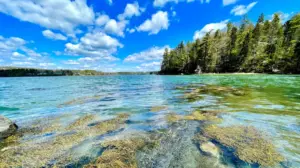
For travelers seeking solitude, raw nature, and an authentic lakeside adventure without the congestion, a compelling alternative exists over 150 miles to the north. Nestled deep within the volcanic high desert of northeastern California sits the Big Sage Reservoir. Offering an atmosphere that is the absolute polar opposite of Lake Tahoe, this secluded artificial lake delivers sprawling vistas, pristine waters, exceptional warm-water fishing, and rustic camping.
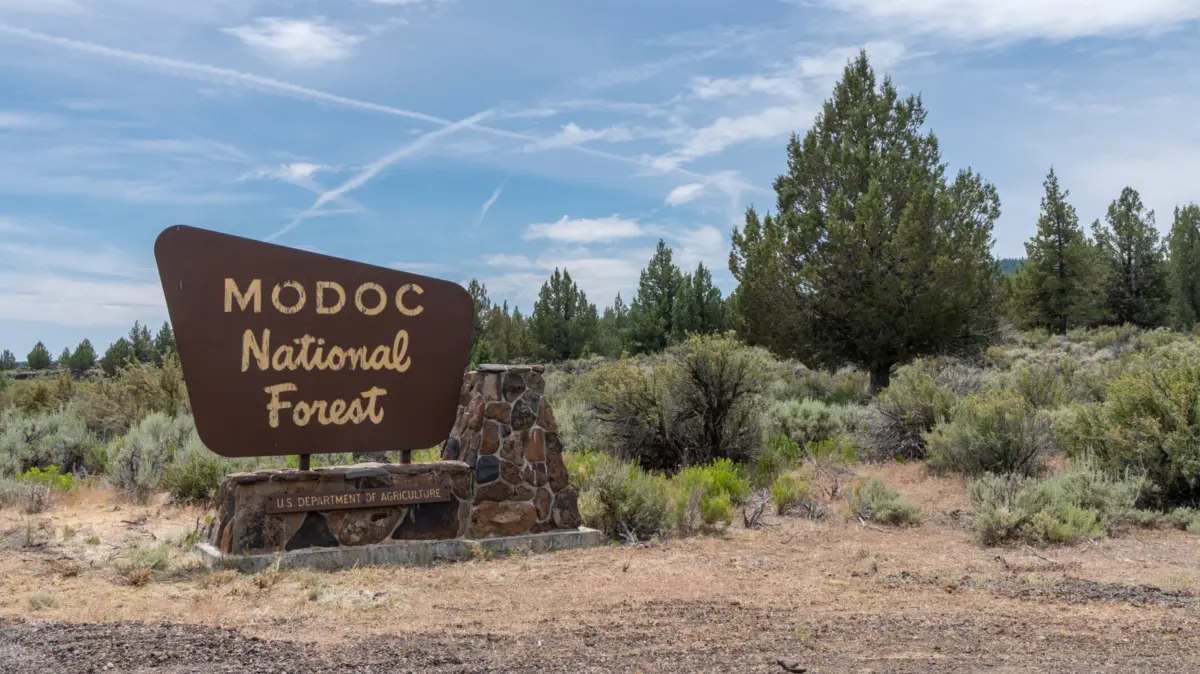
Encompassing over 5,200 acres within the vast reaches of the Modoc National Forest, Big Sage Reservoir is a sanctuary of quietude. While it demands a greater degree of self-reliance, physical preparation, and travel logistics than its famous Sierra counterpart, the reward is an increasingly rare commodity in modern travel: untouched wilderness, profound quiet, and a lake practically all to yourself.
Detailed Chronology and Historical Context
The landscape surrounding Big Sage Reservoir is shaped by a unique blend of geological history and early 20th-century water engineering. Located at an elevation of 4,898 feet, the reservoir sits in a high desert ecosystem characterized by rolling sagebrush flats, western juniper woodlands, and dramatic volcanic basalt outcroppings. This region of northeastern California—often referred to as the Intermountain Region—is far removed from the Mediterranean climate of coastal California and the alpine grandeur of the central Sierra.
The Engineering of Rattlesnake Creek
Before the early 1900s, the area that now comprises the expansive basin of Big Sage Reservoir was a dynamic riparian network fed by seasonal snowmelt and local spring systems, chief among them Rattlesnake Creek. As agricultural expansion pushed further into Modoc County, local homesteaders, cattle ranchers, and farming cooperatives recognized an urgent need for reliable water management and irrigation systems to sustain crops during the arid summer months.
The turning point arrived in 1921, when engineers and local laborers dammed Rattlesnake Creek, inundating the natural basin to create the Big Sage Reservoir. Designed primarily for agricultural water storage and regional hydrological management, the reservoir fundamentally altered the local ecology, transforming a seasonal creek bed into a permanent, 5,270-acre aquatic ecosystem.

Unlike natural alpine lakes like Tahoe—which was carved by massive glacial movements over millions of years—Big Sage is an artificial impoundment. Its water levels fluctuate seasonally based on agricultural drawdowns and winter snowpack accumulation, shaping a dynamic shoreline that attracts diverse wildlife, migratory waterfowl, and thriving populations of warm-water game fish.
The Rise of the Modern Modoc National Forest
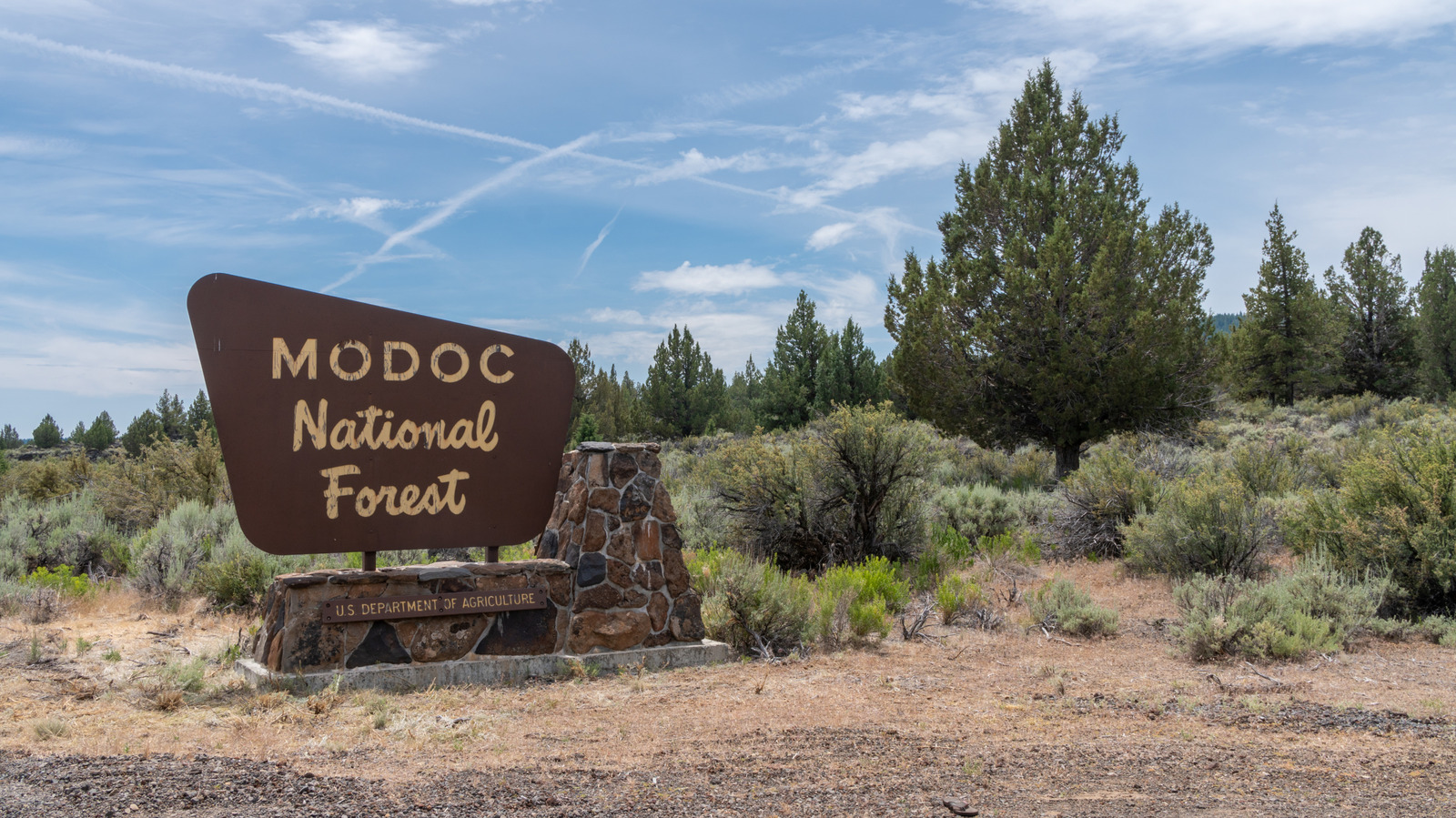
To fully understand the isolation of Big Sage Reservoir, one must examine the staggering scale of the federal land surrounding it. The reservoir lies squarely within the Modoc National Forest, a protected expanse covering approximately 1.65 million acres. Established through a series of executive orders in the early 20th century to protect timber resources and grazing lands, the forest spans from the volcanic Medicine Lake highlands in the west to the high desert plateaus of the Warner Mountains in the east.
For decades, the Modoc National Forest has remained one of the least-visited national forests in California. While Yosemite, Sequoia, and Lake Tahoe absorb millions of annual recreational visitors, Modoc operates at a quiet whisper. Big Sage Reservoir shares this cloak of obscurity, serving primarily as a localized secret for dedicated anglers, backcountry hunters, and off-grid campers who prefer starlit isolation over resort amenities.
Supporting Context, Logistics, and Metrics
Visiting Big Sage Reservoir requires a paradigm shift from traditional resort-style vacations. Because the area prioritizes wilderness preservation over commercial development, visitors must be entirely self-sufficient. Understanding the logistical metrics, geographic realities, and local infrastructure is essential for a successful journey.
Geographic Isolation and Access Routes
The primary hurdle—and chief benefit—of Big Sage Reservoir is its profound isolation. Situated just 50 miles south of the Oregon border, the reservoir demands a deliberate road trip.
- Air Travel: Travelers flying into the region face a choice between regional convenience and major hub accessibility. The nearest commercial airstrip is Redding Regional Airport (RDD), located approximately 153 miles southwest. RDD offers direct flights via Alaska Airlines and United Airlines connecting to major hubs like Seattle, San Francisco, Denver, and Los Angeles. Alternatively, travelers can fly into Reno-Tahoe International Airport (RNO) in Nevada, which serves as a major international gateway but requires a scenic, three-hour drive northward through rural California and Nevada landscapes.
- Proximity to Supplies: While the reservoir itself sits in an absolute wilderness vacuum, civilization is not entirely out of reach. The small historic town of Alturas, California—boasting a population of approximately 2,600 residents—is located just 15 miles south of the reservoir. Alturas serves as the vital resupply hub for visitors, offering full-service grocery stores, hardware supply shops, fuel stations, and modest motel accommodations for those wishing to transition away from primitive camping.
Campground Infrastructure and Rustic Realities
For travelers committed to staying directly on the water, the Big Sage Campground provides the sole designated, developed camping facility on the southern shore of the reservoir. However, the term "developed" must be interpreted loosely.
- Campsites: The campground features a modest total of 12 individual campsites, suitable for pitching tents or parking recreational vehicles up to a maximum length of 22 feet.
- Amenities: Facilities are strictly bare-bones. Visitors will find a single vault toilet structure, basic wooden picnic tables, and primitive stone fire pits.
- The Water Crisis: Perhaps the most critical metric for prospective campers is the complete absence of potable water. There are no water spigots, filtration plants, or public wells on-site. Campers must pack in their entire water supply for drinking, cooking, personal hygiene, and fire-extinguishing safety, or bring advanced field-filtration systems capable of treating lake water.
- RV Limitations: There are zero electrical hookups, water hookups, or waste dump stations. RV campers must engage in complete "boondocking" (dry camping).
- Cost and Capacity: In a refreshing departure from state park reservation fees and tourist-tax surcharges, camping at Big Sage Campground is entirely free. Sites operate on a strictly first-come, first-served basis with no reservation system, and enforce a 14-day maximum stay limit.
- Operating Season: Due to heavy winter snowfall and high desert temperature extremes, the campground is seasonal, typically opening in mid-May and closing by late October, depending on annual weather patterns.
Dispersed Camping Opportunities
For those who find even a 12-site campground too crowded or restrictive, the surrounding Modoc National Forest offers boundless opportunities for dispersed camping.
Dispersed camping—often referred to as boondocking or primitive roadside camping—is permitted anywhere within the national forest outside of developed recreational sites. There are no fees, no restrooms, and no potable water sources. Campers must adhere strictly to the 14-day stay limit and practice rigorous Leave No Trace ethics, packing out all refuse and human waste responsibly.
Official Statements and Management Guidelines
Managing a remote multi-use water resource like Big Sage Reservoir requires a delicate balance between public recreational access, agricultural water rights, and rigorous environmental conservation.
United States Forest Service (USFS) Stewardship
The Modoc National Forest Ranger District, operating under the umbrella of the United States Department of Agriculture (USDA) Forest Service, oversees the management and maintenance of the Big Sage recreation sites. Forest supervisors consistently emphasize the importance of personal preparedness when managing visitation to the high desert.
"Big Sage Reservoir provides an exceptional, undeveloped recreational experience for those looking to escape the heavy congestion of major California tourist corridors," notes the Modoc National Forest recreation management division. "However, the extreme remoteness of the site means that emergency response times can be significantly extended. Visitors must arrive prepared for self-rescue, carry sufficient water resources, and respect the fragile high desert ecosystem that supports both local agriculture and native wildlife."
California Department of Fish and Wildlife (CDFW) Regulations
Because Big Sage Reservoir functions as a premier warm-water fishery, local management protocols are heavily influenced by the California Department of Fish and Wildlife (CDFW). State biologists monitor fish populations, water temperatures, and aquatic vegetation growth to maintain a healthy balance between game species and avian wildlife.
CDFW officials continually remind anglers that fishing regulations on artificial impoundments can shift based on multi-year drought cycles, water temperatures, and stocking schedules. Visitors are legally mandated to consult current state freshwater fishing regulations before casting a line, ensuring compliance with bag limits, size restrictions, and licensing requirements.
Future Outlook: Preserving Wilderness in an Overcrowded State
As California’s population continues to surge and traditional outdoor destinations face unprecedented strain, the future of off-the-beaten-path locations like Big Sage Reservoir hangs in a delicate balance.
The Double-Edged Sword of Digital Discovery
In the age of social media and algorithmic travel recommendations, secluded natural assets face a unique threat. As travelers grow increasingly fatigued by the skyrocketing costs, reservation bottlenecks, and bumper-to-bumper traffic of iconic destinations like Lake Tahoe, Yosemite, and Big Sur, digital travel platforms are increasingly shedding light on hidden gems.
Conservationists and local land managers express cautious optimism regarding Big Sage Reservoir. While increased visitation brings economic vitality to nearby rural municipalities like Alturas, an influx of careless tourists poses a direct threat to the fragile high desert environment. Maintaining the pristine condition of Big Sage relies entirely on visitors adopting a culture of radical stewardship.
Infrastructure and Climate Resilience
Looking ahead, the long-term viability of Big Sage Reservoir as a recreational haven is closely tied to regional water management and climate stability. As western water systems face persistent pressure from changing precipitation patterns, prolonged droughts, and shifting agricultural demands, water levels in artificial impoundments like Big Sage will inevitably fluctuate.
Despite these environmental headwinds, the core identity of Big Sage Reservoir remains secure. It will never become Lake Tahoe—and for the anglers, kayakers, and solitude-seekers who make the pilgrimage to the high desert of Modoc County, that is precisely the point. By trading luxury resorts for starry skies and casino floors for crackling campfire rings, travelers to Big Sage discover a vanishingly rare experience: authentic, unvarnished California wilderness, waiting quietly at the edge of the desert.