







Executive Overview
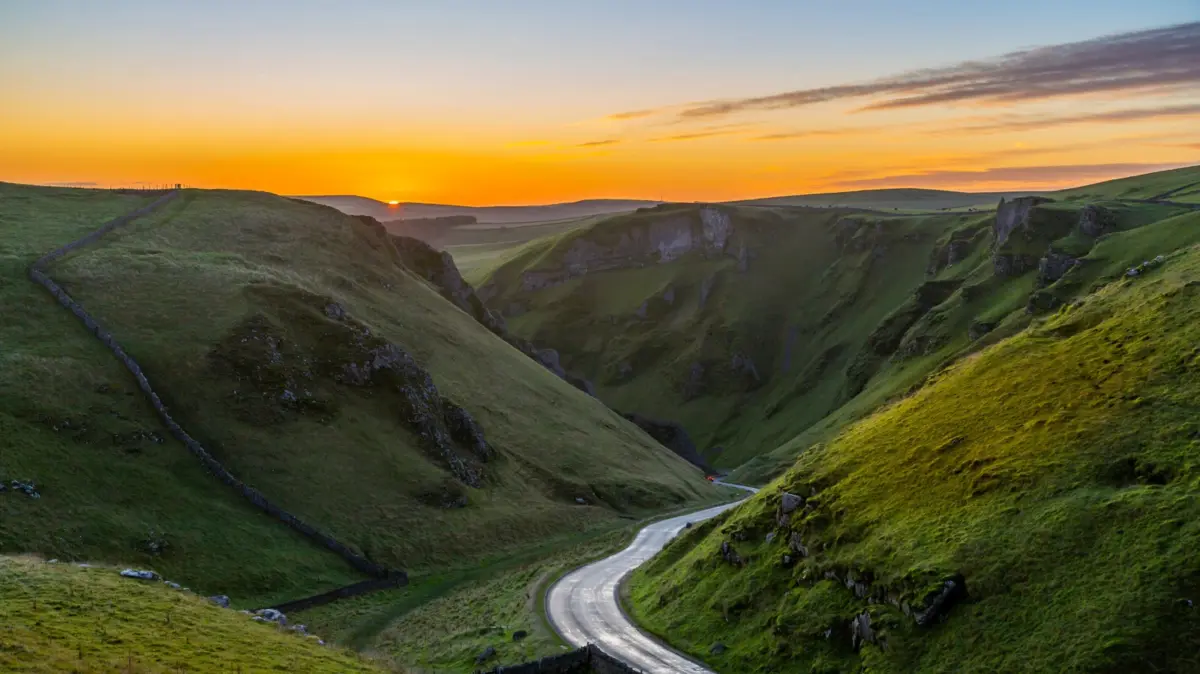
For centuries, the literary imagination of Great Britain has been inextricably linked to its rugged landscapes. From the sweeping, windswept moors immortalized by the Brontë sisters to the pastoral, deeply human dramas penned by Thomas Hardy and Beatrix Potter, the English countryside serves as more than a mere backdrop—it operates as a vital, living character. For international travelers and domestic explorers seeking to step directly into this storied tapestry, a journey northward into Derbyshire’s Peak District National Park reveals one of England’s best-kept secrets: the historic and picturesque village of Castleton.
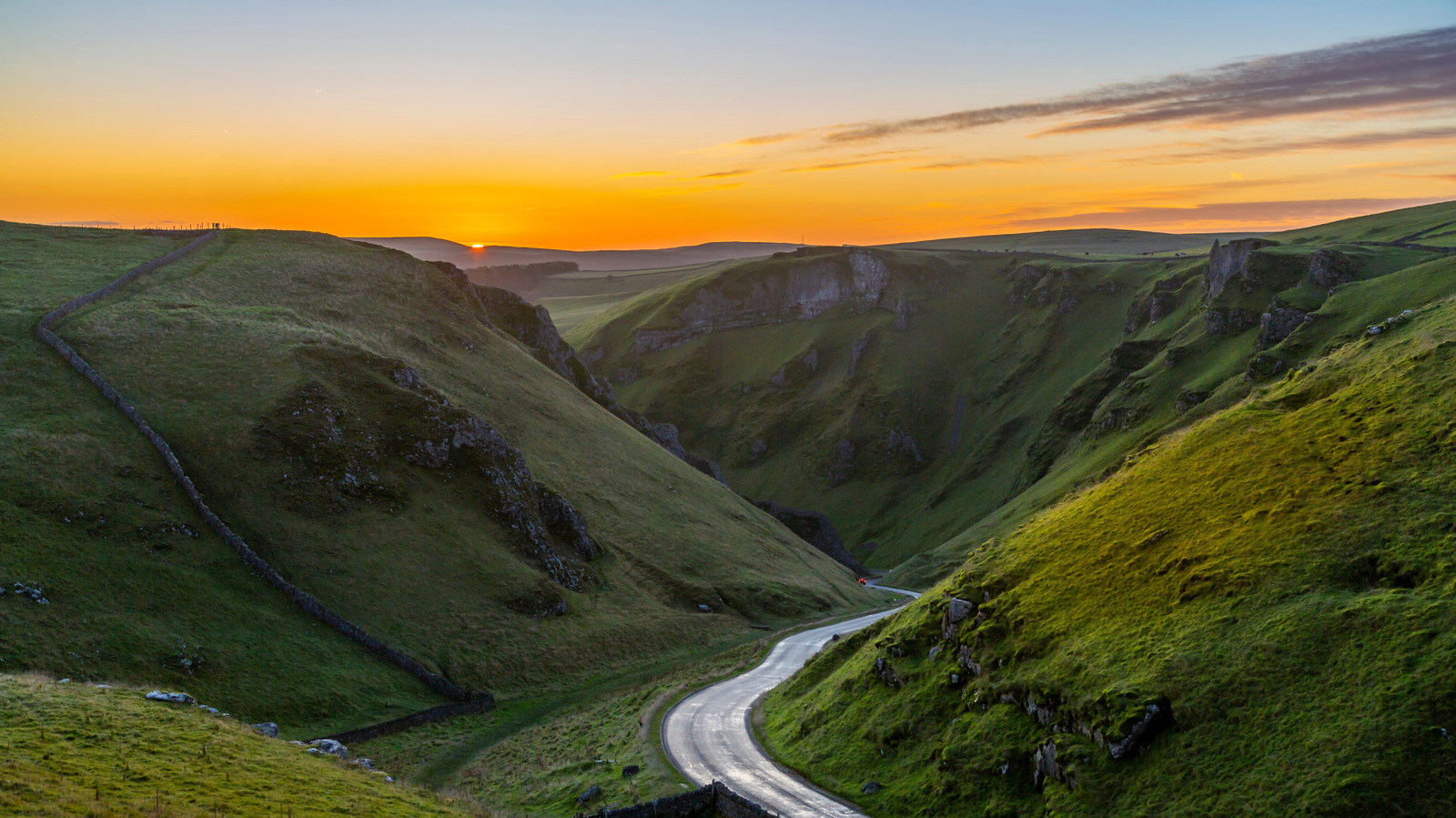
Situated in the heart of the Peak District, Castleton is a destination where dramatic geology, medieval architecture, and prehistoric history converge. Originally settled by Celtic tribes and later occupied by the Romans, the village’s strategic importance is cemented in the historical record, famously cited in the Domesday Book of 1086. Today, Castleton functions as a premier sanctuary for travelers seeking an authentic immersion into rural British heritage. Boasting easy access to world-class walking trails, subterranean mineral caverns, and the imposing, cliffside ruins of Peveril Castle, Castleton offers a multi-dimensional travel experience that seamlessly bridges ancient history with outdoor adventure.
This comprehensive report examines the logistical frameworks, historical milestones, geological wonders, and strategic tourism initiatives surrounding Castleton. By evaluating transit infrastructure, historical preservation efforts, and the delicate balance between modern tourism and ecological conservation, this article provides an authoritative blueprint for anyone planning an excursion to this quintessential English village.
Detailed Chronology: From Prehistoric Settlements to Modern Tourism
To truly appreciate the charm of Castleton, one must peel back the layers of its remarkably dense history. The timeline of this Derbyshire valley spans millennia, marked by strategic fortification, royal patronage, industrial extraction, and modern conservation.
1. Prehistoric and Roman Foundations (Pre-11th Century)
Long before the stone walls of a Norman fortress graced the crags above the valley, the area surrounding modern-day Castleton was utilized by ancient peoples. Archaeological evidence indicates that nearby elevations, notably Mam Tor (the "Mother Hill"), served as the site of an Iron Age hill fort. These early inhabitants recognized the natural defensive advantages of the high ridges overlooking the fertile vales below. Following the Celtic era, Roman forces integrated the region into their expanding network of roads and lead-extraction sites, drawn to the rich mineral deposits buried deep within the Peak District limestone.
2. The Norman Conquest and the Rise of Peveril Castle (Late 11th Century)
The pivotal turning point in Castleton’s architectural and political history occurred in the aftermath of the Norman Conquest of 1066. William the Conqueror rewarded his loyal followers with vast tracts of English land, bestowing significant holdings in Derbyshire upon William Peverel, a favored knight.
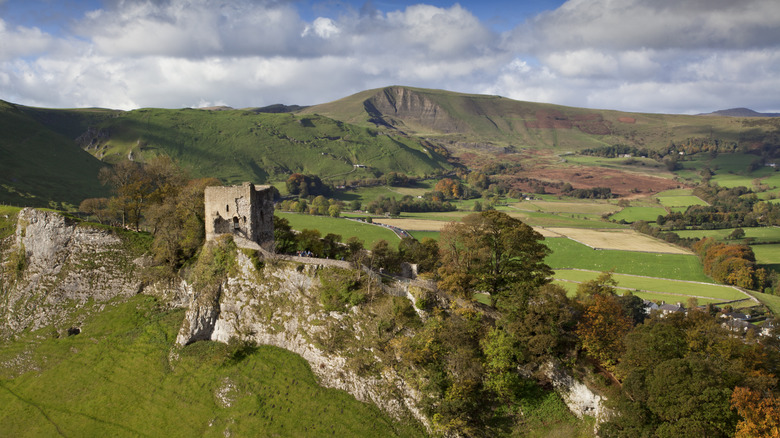
Sometime between 1066 and 1086, Peverel commissioned the construction of Peveril Castle, dramatically positioned on a sheer limestone precipice overlooking the gorge. Serving as the administrative center of the royal forest of the Peak, the castle was designed to project Norman power, control local lead mining, and manage hunting rights. Its inclusion in the Domesday Book of 1086 confirms that a settlement—the nucleus of modern Castleton—was already thriving beneath its protective ramparts.
3. Royal Ownership and Subsequent Neglect (12th–16th Centuries)
Throughout the medieval period, Peveril Castle and the surrounding manor frequently shifted hands among the English nobility and the Crown. King Henry II visited the fortification on multiple occasions, and the castle saw defensive upgrades and administrative use. However, as military tactics evolved and the administrative focus of the region shifted, the mountaintop fortress lost its strategic relevance. By the 1500s, the castle had fallen into a state of severe neglect, its roofs decaying and its stone walls slowly surrendering to the elements.
4. The Industrial Awakening and Subterranean Exploration (17th–19th Centuries)
While the castle above crumbled into picturesque romantic ruins, the subterranean landscape beneath Castleton experienced a massive industrial boom. The 17th, 18th, and 19th centuries saw intensive mining operations targeting the area’s unique geological formations. Miners cut deep drainage adits and extracted rare minerals—most notably Derbyshire Blue John, a striking purple-and-yellow banded fluorite found nowhere else on Earth. What began as industrial extraction eventually laid the groundwork for modern tourism, as curious travelers ventured underground to witness the flooded tunnels and shimmering mineral veins.
5. Era of Heritage Preservation and Eco-Tourism (20th Century–Present)
In the 20th century, the establishment of the Peak District as the United Kingdom’s very first National Park in 1951 transformed Castleton’s trajectory. Peveril Castle passed into the care of the state and is currently managed by English Heritage as a Grade I listed monument. Today, Castleton successfully operates as a premier eco-tourism and cultural hub, welcoming hundreds of thousands of visitors annually while striving to protect its fragile natural and historical assets.
Supporting Context & Metrics: Logistics, Geography, and Exploration
Navigating the Peak District requires careful planning, particularly given the rural topography and the preservation constraints of a protected national park. Understanding the logistical framework ensures a seamless travel experience.
Getting There: Navigating the Northern Corridor
Travel logistics to Castleton depend heavily on the chosen mode of transportation. For international travelers arriving via major UK transit hubs, automotive travel is widely regarded as the most efficient approach for exploring regions outside major metropolitan centers.
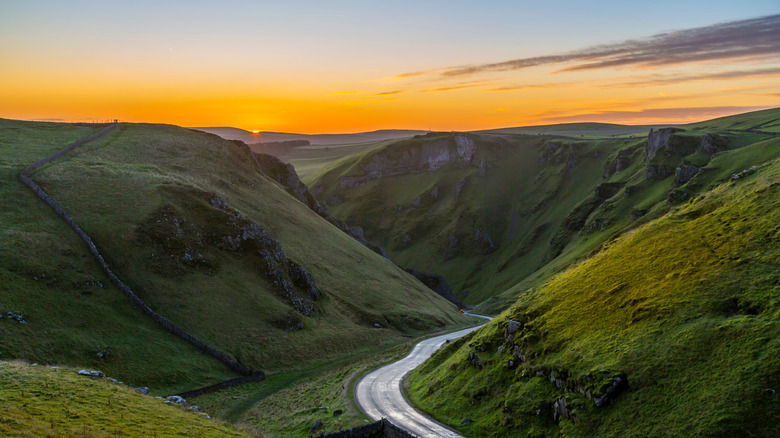
- By Car: Castleton is exceptionally accessible from key northern industrial and cultural hubs. The village lies approximately 45 minutes by car from Sheffield and less than 75 minutes from Manchester. This proximity makes Castleton an ideal weekend getaway or an ambitious, highly rewarding day trip.
- By Rail and Bus: For those utilizing public transportation, Castleton does not possess its own direct rail station. Visitors must take a National Rail service to Hope (Derbyshire) Station, situated roughly 2.5 miles east of the village. From Hope Station, travelers can complete the journey via local bus services or a scenic countryside walk. During the peak summer tourist season, enhanced bus schedules specifically cater to tourists traveling between the rail station and Castleton.
The Subterranean Ecosystem: Castleton’s Four Great Caverns
Castleton is globally unique for its dense concentration of show caves. The village features four distinct caverns, each offering a vastly different subterranean experience:
- Blue John Cavern: Famed worldwide for its deposits of Derbyshire Blue John semi-precious stone. Guided tours reveal intricate chambers dripping with mineral-stained stalactites and stalagmites.
- Treak Cliff Cavern: Celebrated for its extraordinary displays of flowstone and fossils, this cavern also features a retail shop where visitors can purchase locally crafted jewelry made from authentic Blue John stone.
- Speedwell Cavern: A former lead mine where visitors embark on an underground boat trip, gliding through long, flooded subterranean tunnels carved out by 18th-century miners before opening up into the colossal "Bottomless Pit" cavern.
- Peak Cavern (The Devil’s Arse): Boasting the largest natural cave entrance in Britain, this site historically sheltered rope-makers who lived and worked inside the mouth of the cavern.
Hiking Metrics: Mam Tor and the Great Ridge
For outdoor enthusiasts, Castleton serves as the basecamp for some of England’s most celebrated walking routes:
- The Mam Tor Circular: A moderate 2.7-mile trail that ascends to the summit of Mam Tor (elevation roughly 1,700 feet). The hike typically takes under two hours and rewards trekkers with sweeping 360-degree panoramas of the Edale and Hope valleys.
- The Great Ridge Walk: For experienced hikers seeking a more rigorous challenge, the route can be extended into an 8-mile ridge traverse connecting Mam Tor to Lose Hill, offering continuous elevated views across the Peak District National Park.
Official Statements and Heritage Perspectives
Preserving a landscape that combines fragile medieval stonework with heavily trafficked national park terrain requires continuous collaboration between governmental agencies, conservationists, and local stakeholders.
Representatives from English Heritage, the organization entrusted with the administration of Peveril Castle, have repeatedly emphasized the delicate balance required in managing heritage sites located within topographically challenging environments. In recent official visitor planning directives, English Heritage noted:
"Peveril Castle offers modern visitors a direct portal into the Norman administrative network of the 11th century. However, the very features that made the site militarily defensible—its sheer precipices and elevated position—present significant preservation and accessibility challenges. Our mandate is to protect the structural integrity of the Grade I listed ruins while enhancing educational interpretation at our accessible visitor center, ensuring that the historical narrative remains accessible to all who make the journey to Derbyshire."
Furthermore, park management authorities within the Peak District National Park have issued guidelines regarding responsible recreation, particularly concerning the heavy foot traffic along sensitive ridgelines like Mam Tor. A park spokesperson remarked:
"The Peak District is a living, working landscape shared by farmers, wildlife, and millions of annual visitors. Sustainable tourism is not merely a preference; it is an absolute necessity to combat trail erosion, protect ground-nesting birds, and maintain the agricultural access roads that keep our rural communities vibrant. We encourage all travelers to utilize designated footpaths, respect local farming operations, and prepare adequately for changing weather conditions when exploring our peaks and valleys."
Future Outlook: Balancing Heritage Conservation and Sustainable Tourism
As global interest in slow travel, authentic cultural immersion, and outdoor recreation continues to accelerate, destinations like Castleton face distinct opportunities and challenges in the decades ahead.
Managing Visitor Capacity and Environmental Wear
The surge in popularity of platforms like AllTrails and social media travel blogging has led to a significant increase in foot traffic across the Peak District. Trails such as the Mam Tor Circular experience heavy seasonal congestion, resulting in soil compaction and trail widening. Future planning initiatives will likely require increased investment in sustainable path engineering—utilizing stone pitching and geotextile stabilization—to prevent long-term environmental degradation without compromising the aesthetic experience of the landscape.
Infrastructure Modernization and Accessibility
While historic village layouts and steep medieval topography inherently restrict physical accessibility—as evidenced by the challenging ascent to Peveril Castle—local tourism boards are actively exploring technological solutions to bridge the gap. Enhanced digital interpretation, augmented reality (AR) reconstructions of the castle in its 11th-century prime, and virtual cavern tours are increasingly being integrated into visitor centers to ensure that individuals with mobility limitations can still engage fully with Castleton’s rich history.
Economic Resilience in Rural Communities
Castleton’s economy relies heavily on the hospitality sector, including traditional pubs, independent bed-and-breakfasts, local craft shops selling Blue John jewelry, and outdoor gear outfitters. Maintaining a thriving year-round economy remains a priority, as reliance solely on peak summer tourism can create economic volatility. Initiatives to promote off-season "winter walking" holidays and culinary tourism focusing on Derbyshire produce are helping to stabilize employment and support family-owned enterprises throughout the calendar year.
Ultimately, Castleton remains a shining exemplar of how historical preservation and natural conservation can coexist. By honoring its Celtic, Roman, Norman, and industrial past while thoughtfully adapting to the demands of 21st-century travelers, this Peak District village ensures that the timeless romance of the English countryside will continue to captivate generations to come.