








Executive Overview
The global maritime sector is facing an unprecedented regulatory and environmental mandate to transition away from carbon-intensive fossil fuels. As the International Maritime Organization (IMO) tightens its greenhouse gas (GHG) reduction strategies and regional frameworks like FuelEU Maritime come into force, engine manufacturers are racing to deliver viable, scalable, and clean propulsion technologies.
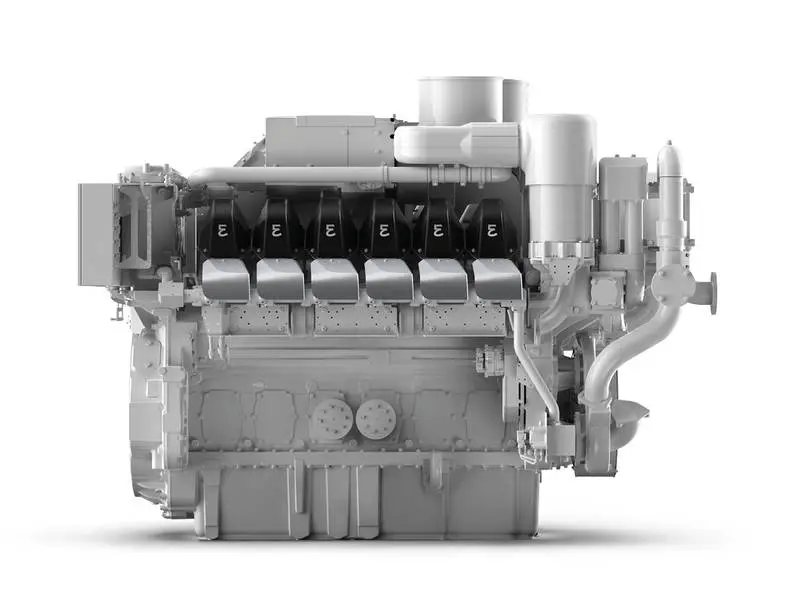
In a significant advancement for high-speed marine propulsion, pioneering engine developer Everllence has announced the successful, full-scale testing of its 12-cylinder 175DF-M dual-fuel methanol engine. Conducted at the company’s state-of-the-art Test and Research Center in Frederikshavn, Denmark, the successful test campaign represents a critical milestone in the validation of medium-to-high-speed methanol engines for commercial use.
+-----------------------------------------------------------------------------+
|                          EVERLLENCE 175DF-M AT A GLANCE                     |
+-----------------------------------------------------------------------------+
|  Engine Type:        High-speed, Dual-Fuel Methanol (DF-M)                  |
|  Configuration:      12-Cylinder (tested), 16-Cylinder (planned)            |
|  Fuel System:        Low-pressure Port-Fuel-Injection (PFI)                 |
|  Methanol Share:     >95% under optimal variable speed load                 |
|  Key Application:    Superyachts, Tugs, Offshore, Ferries, Patrol Vessels   |
|  First Deliveries:   Scheduled for Mid-2027 (12V and 16V Gensets)           |
+-----------------------------------------------------------------------------+
The validation of the 175DF-M concept marks a major step forward, proving that high-speed marine engines can operate reliably and efficiently on methanol without sacrificing the performance characteristics of traditional diesel engines. By utilizing a low-pressure port-fuel-injection (PFI) system, the engine achieves a methanol fuel share of over 95% under variable load conditions. This architectural decision significantly reduces auxiliary system complexity, lowers capital expenditure (CapEx) for shipyards, and simplifies onboard fuel-handling systems.
With commercial orders already secured for mid-2027 delivery to the luxury superyacht sector, Everllence is positioning the 175DF-M as a highly versatile solution for yachts, tugs, offshore support vessels, governmental fleets, and passenger ferries.
Detailed Chronology: From Concept to Full-Scale Validation
The path to the successful full-scale testing of the 12-cylinder 175DF-M in Frederikshavn has been defined by systematic engineering, transition from single-cylinder research to multi-cylinder integration, and rigorous validation protocols.
  2025: Single-Cylinder Optimization
  │
  ├──► Validation of fundamental combustion physics
  ├──► Calibration of low-pressure Port-Fuel-Injection (PFI)
  └──► Maximization of thermal efficiency & pilot ignition

  2026: Multi-Cylinder Scaling & Integration
  │
  ├──► Construction of the 12-cylinder 175DF-M prototype
  ├──► Integration of advanced electronic control units (ECUs)
  └──► Installation at Frederikshavn Test & Research Center

  Present: Full-Scale Testing Campaign
  │
  ├──► Validation of dual-fuel transient response
  ├──► Verification of >95% methanol energy share
  └──► Securing of first commercial orders (Delivery: Mid-2027)
2025: The Single-Cylinder Genesis
The development of the 175DF-M began in earnest on a highly instrumented single-cylinder test stand in 2025. During this foundational phase, Everllence engineers focused on optimizing the fundamental thermodynamic and combustion properties of methanol, which behaves differently from marine gas oil (MGO) due to its lower energy density and distinct vaporization characteristics.
The primary objective of the 2025 single-cylinder trials was to establish the optimal geometry for the combustion chamber, refine the injection timing of the methanol-air mixture, and minimize the amount of pilot diesel fuel required to trigger ignition. By late 2025, the single-cylinder trials had successfully demonstrated that high-efficiency combustion could be achieved while maintaining low peak cylinder pressures and minimizing thermal stress on engine components.
The Scaling Challenge: Multi-Cylinder Integration
Moving from a single-cylinder laboratory setup to a full-scale, 12-cylinder engine introduced complex engineering challenges. Multi-cylinder engines require precise fuel distribution across all cylinders, balanced thermal profiles, and sophisticated control systems to manage transient load changes.
Engineers had to ensure that the transition between diesel-only operation and dual-fuel methanol operation was seamless, preventing speed fluctuations or combustion instability that could compromise vessel safety. Furthermore, the integration of the low-pressure port-fuel-injection system demanded a complete redesign of the engine’s intake manifold and fuel rail networks to ensure uniform fuel delivery.
The Frederikshavn Test Campaign
The culmination of this development cycle took place at Everllence’s Test and Research Center in Frederikshavn, Denmark. The facility, known for its cutting-edge testing beds and emissions-monitoring infrastructure, subjected the 12-cylinder 175DF-M to a grueling validation campaign.
The testing protocols simulated real-world marine operations, including:
- Cold starts and rapid acceleration ramps.
- Transient load testing, mimicking the sudden power demands experienced by tugboats and offshore vessels.
- Extended steady-state endurance runs to monitor component wear and thermal stability.
- Fuel-switchover operations, validating the engine’s ability to transition smoothly between diesel and methanol modes under varying loads without loss of power.
The campaign successfully validated the engine’s performance across its entire operating envelope, clearing the path for commercial production and classification society approvals.
Supporting Context & Technical Metrics: Inside the 175DF-M Architecture
To appreciate the significance of Everllence’s achievement, it is necessary to examine the technical architecture of the 175DF-M and how it addresses the historical pain points of methanol combustion in internal combustion engines.
+-----------------------------------------------------------------------------+
|                         METHANOL VS. DIESEL COMPARISON                      |
+-----------------------------------------------------------------------------+
|  Metric                     Methanol (CH3OH)        Marine Gas Oil (MGO)    |
|  -------------------------------------------------------------------------  |
|  Energy Density (MJ/kg)     ~19.9                   ~42.7                   |
|  Boiling Point (°C)         64.7                    180 - 360               |
|  Flash Point (°C)           12.0                    >60.0                   |
|  Carbon Footprint           Up to 95% reduction*    Baseline (100%)         |
|                                                                             |
|  *When produced as green e-methanol or bio-methanol.                       |
+-----------------------------------------------------------------------------+
The Low-Pressure Port-Fuel-Injection (PFI) Advantage
Historically, many dual-fuel and gas engines have relied on high-pressure direct injection (HPDI) systems. While HPDI can offer high power density, it introduces immense system complexity, requiring high-pressure fuel pumps, double-walled high-pressure piping, and highly complex injector designs. This complexity translates directly into higher upfront costs, more intensive maintenance schedules, and increased safety risks onboard.
Everllence has bypassed these hurdles by utilizing a low-pressure Port-Fuel-Injection (PFI) system for the 175DF-M. In this design, methanol is injected into the intake air port prior to entering the combustion chamber, where it mixes thoroughly with the incoming air. A small, precise injection of diesel fuel is then used as an ignition source (pilot fuel) near top dead center.
The advantages of the low-pressure PFI approach are manifold:
- Reduced Complexity: The fuel delivery system operates at significantly lower pressures, eliminating the need for expensive, high-pressure common-rail systems for the alternative fuel.
- Lower Installation Costs: Simpler piping, valving, and fuel-supply auxiliary modules make the engine more economical to install for shipyards.
- Enhanced Reliability: Fewer high-pressure dynamic seals and components reduce the likelihood of fuel leaks and mechanical failures.
Achieving the >95% Methanol Substitution Rate
One of the most impressive metrics validated during the Frederikshavn trials is the engine’s ability to run on more than 95% methanol share across a wide load range in its variable-speed configuration.
Methanol has a lower energy density than diesel, meaning that roughly 2.4 times the volume of methanol is required to achieve the same energy output as diesel. Despite this, Everllence’s optimized combustion chamber design and advanced engine control units (ECUs) ensure that the 175DF-M maintains high thermal efficiency. By keeping the pilot diesel consumption below 5%, the engine maximizes its carbon-reduction potential, allowing shipowners to achieve near-zero carbon emissions when utilizing green e-methanol or biomethanol.
Engine Power Output vs. Fuel Share:
[0% Load]   ===================> 100% Diesel (Pilot Only at Start)
[25% Load]  ===> 70% Methanol / 30% Diesel
[50% Load]  ======================> 90% Methanol / 10% Diesel
[100% Load] ==========================> >95% Methanol / <5% Diesel
Retrofitting and High Parts Communality
Recognizing that the maritime industry cannot transition to new fuels overnight, Everllence designed the 175DF-M with a high degree of parts communality with its standard diesel counterpart, the 175 series. This design philosophy offers dual benefits:
- For Newbuilds: Shipowners can install a diesel-burning 175 engine today with the confidence that it can be easily retrofitted to dual-fuel methanol operation in the future as fuel infrastructure matures.
- For Retrofits: The conversion process is straightforward, requiring minimal structural changes to the engine block, thereby reducing drydock downtime and capital risk.
Official Statements and Industry Alignment
The successful testing of the 175DF-M has generated substantial optimism within Everllence and the broader maritime community. The project aligns with a growing consensus that methanol represents one of the most practical pathways toward deep decarbonization, particularly for vessel segments where battery-electric or hydrogen systems are limited by space and range constraints.
Florian Keiler, Sales & Business Development Manager at Everllence, emphasized the strategic importance of the 175DF-M’s validation:
"We are highly encouraged by the results achieved by the 175DF-M during this rigorous testing phase in Frederikshavn. The engine’s ability to seamlessly transition between fuels and maintain such high efficiency on methanol is a testament to our engineering team’s dedication. We look forward to supporting superyacht, tug, offshore, governmental, and passenger-vessel applications. Together with our partners and customers, our ultimate goal is to develop practical, scalable, and highly efficient solutions for maritime decarbonization."
Targeting Diverse Vessel Segments
The commercial strategy for the 175DF-M targets several key maritime sectors, each with unique operational profiles:
- Superyachts: This luxury segment is increasingly driven by owner-mandated sustainability goals. The 175DF-M provides a compact, quiet, and low-emission power source that aligns with the aesthetic and environmental values of modern yacht owners.
- Tugs and Harbor Craft: Operating frequently in close proximity to urban centers, these vessels are subject to strict local emissions regulations. The variable-speed capabilities of the 175DF-M make it well-suited for the highly dynamic load profiles of harbor operations.
- Offshore Support Vessels (OSVs): As offshore wind and oil-and-gas operators face pressure to clean up their supply chains, methanol-powered OSVs offer a clear path to reducing Scope 3 emissions.
- Governmental and Patrol Vessels: Navies and coast guards are actively seeking fuel-flexible propulsion systems to ensure operational resilience during transition periods in global fuel availability.
- Passenger Ferries: Operating on fixed routes, ferries are ideal candidates for early methanol adoption due to the simplified logistics of establishing localized bunkering hubs.
Future Outlook: The Path to 2027 and Beyond
With full-scale testing successfully completed, Everllence is now pivoting from pure research and development to commercial production, certification, and market integration.
       MID-2027                        LATE 2027                       2028 & BEYOND
┌──────────────────────┐        ┌──────────────────────┐        ┌──────────────────────┐
│  Delivery of 12V &   │        │ Sea Trials & Vessel  │        │ Scaling Production & │
│  16V 175DF-M Gensets │───────►│  Commissioning with  │───────►│  Expanding Methanol  │
│  to Superyachts      │        │  Early Adopters      │        │  Bunkering Network   │
└──────────────────────┘        └──────────────────────┘        └──────────────────────┘
Commercial Milestones
The commercial viability of the engine has already been validated by the market. Everllence has secured its first commercial contracts for the high-speed engine, with both 12V and 16V175DF-M variable-speed generator sets scheduled for delivery in mid-2027. These initial units will power newbuild projects for two distinct, high-profile superyacht customers, serving as real-world reference installations that will be watched closely by the wider maritime industry.
Addressing the Fuel Supply Challenge
While the engine technology is now proven, the ultimate success of methanol as a marine fuel depends heavily on the scaling of the global fuel supply chain. Methanol is widely available today as a chemical feedstock, but the vast majority of it is "grey" methanol derived from natural gas or coal. To achieve true well-to-wake carbon neutrality, the industry must transition to "green" methanol, which includes:
- Bio-methanol: Produced from sustainable biomass, agricultural waste, or municipal solid waste.
- E-methanol: Synthesized by combining captured carbon dioxide (CO2) with green hydrogen produced via water electrolysis powered by renewable energy.
Regulatory pressures, such as the EU’s Emissions Trading System (EU ETS) and fuel standards, are expected to close the price gap between conventional fuels and green methanol over the coming decade. As bunkering infrastructure expands in major ports across Europe, Asia, and North America, early adopters of engines like the Everllence 175DF-M will be uniquely positioned to capitalize on these regulatory incentives.
Conclusion
The successful validation of the 12-cylinder 175DF-M dual-fuel engine at the Frederikshavn Test and Research Center is a major milestone in the maritime energy transition. By proving that a high-speed, low-pressure PFI engine can operate efficiently with a methanol share exceeding 95%, Everllence has delivered a practical, elegant, and future-proof propulsion solution. As the industry moves toward its mid-2027 delivery targets, the 175DF-M stands as a clear signal that the future of clean, sustainable shipping is no longer a distant horizon, but a commercial reality.