









PORTLAND, MAINE — For generations, the storied vessels of Casco Bay Lines have served as the maritime lifeline connecting mainland Portland to the islands of Casco Bay. Day in and day out, these ferries carry commuters, students, local business owners, and tourists across the bracing waters of the Gulf of Maine. Yet, even an organization with a rich, multi-century heritage must continuously evolve to meet the demands of the modern era.
This season, Casco Bay Lines (CBL) proudly announces a major technological leap forward with the official public rollout of the CBL Live Map. Designed to bring unprecedented transparency, convenience, and modern transit infrastructure to Maine’s coastal waters, this interactive tracking tool transforms how passengers interact with the ferry network.
Following a quiet beta launch earlier this fall, the tool has already captured the enthusiasm of daily commuters and occasional travelers alike. By blending federal transit funding, cutting-edge cloud software, and local project management expertise, Casco Bay Lines is charting a course toward a more connected, efficient, and transparent future.

Executive Overview: A New Era of Maritime Transparency
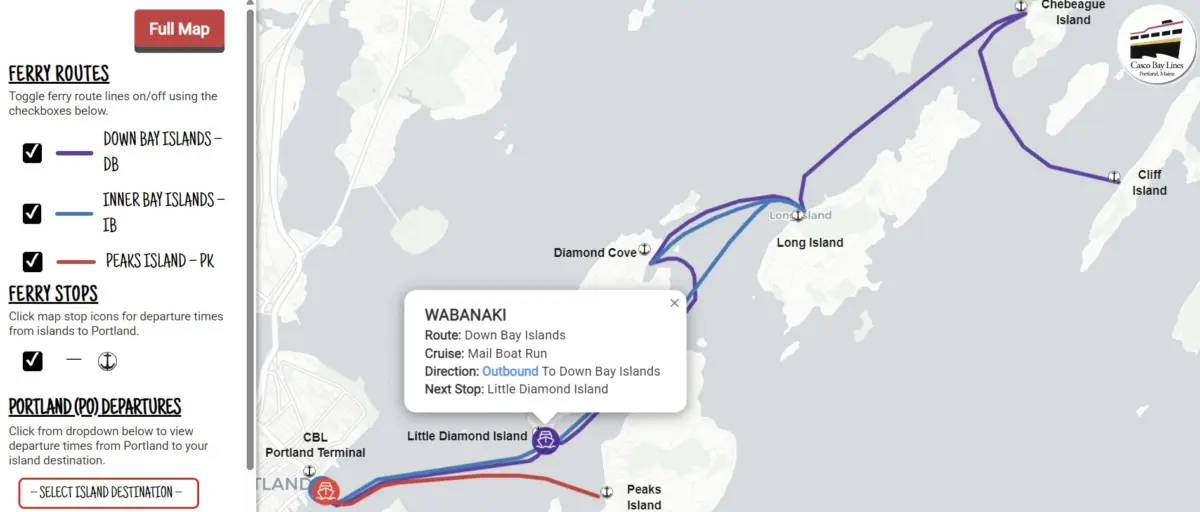
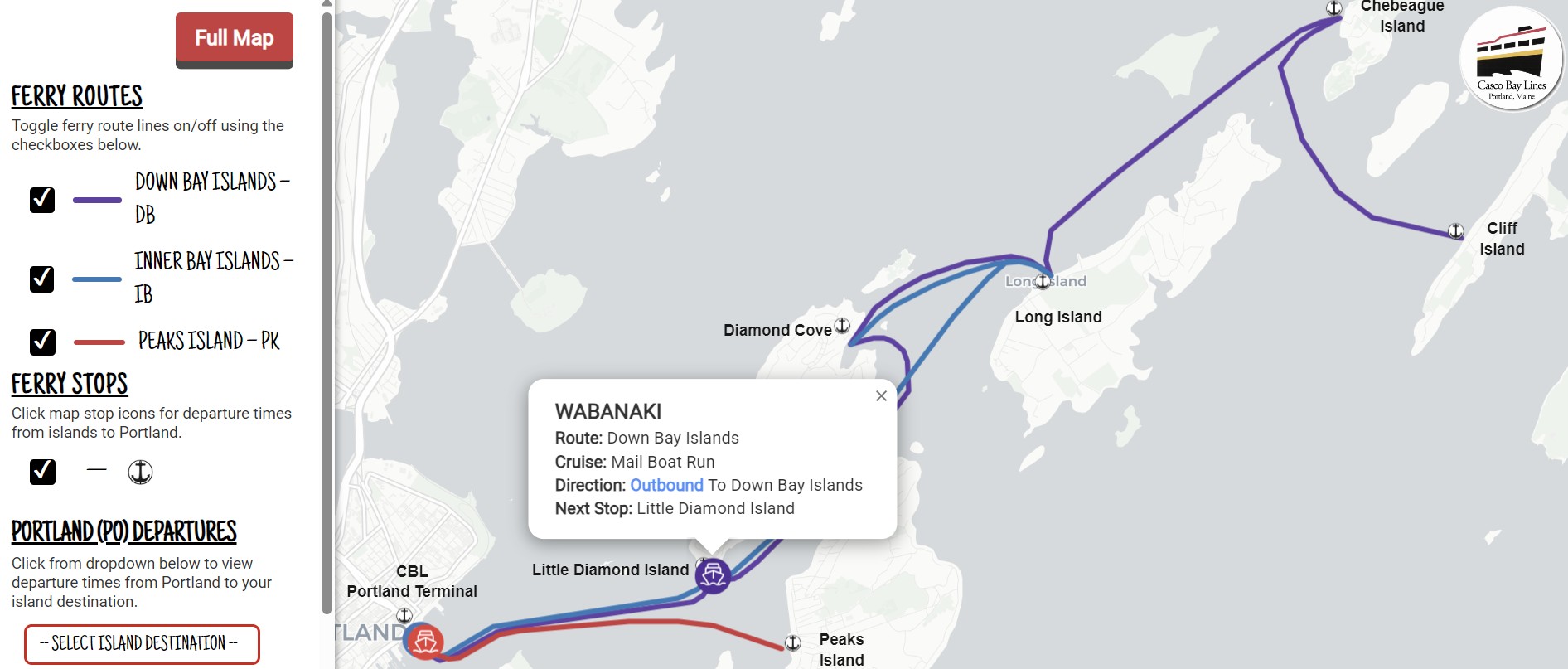
At its core, the CBL Live Map is a real-time, browser-based tracking interface that allows riders to pinpoint the exact location of any Casco Bay Lines vessel traversing the bay at any given moment. Refreshed continuously every 15 to 30 seconds, the interactive map offers an instant snapshot of the fleet’s movements, coupled with essential service updates, schedule planning tools, and real-time alerts.
For a transit system operating in a dynamic marine environment—where weather, tides, and dock traffic can occasionally impact daily operations—access to live data is more than a convenience; it is an essential component of modern travel. The rollout of the Live Map addresses a long-standing desire among passengers for greater visibility into vessel locations, effectively bridging the gap between land and sea.
Initial response to the tool has been overwhelmingly positive. Commuters who have tested the platform during its soft launch have praised its seamless design and reliability. One enthusiastic rider recently submitted feedback via the CBL online portal, noting:
"Your new live map is absolutely awesome and works with ease. Good job."
By empowering riders with real-time intelligence right in the palm of their hands, Casco Bay Lines is not only streamlining daily commutes but also reducing the operational friction traditionally associated with regional transit systems.
Detailed Chronology: How the CBL Live Map Came to Life
The realization of the CBL Live Map was no overnight phenomenon; it represents the culmination of years of strategic planning, federal funding acquisition, and meticulous technical execution.
Laying the Financial and Administrative Foundation
The journey toward a modernized transit network began with securing the necessary financial backing. The CBL Live Map project was made possible through Federal Transit Administration (FTA) Section 5307 Urbanized Area Formula funds allocated specifically for the Portland region. These funds were suballocated to Casco Bay Lines to support crucial Intelligent Transportation Systems (ITS) upgrades, backed by a mandatory 20% local matching contribution.
With financial parameters established, the project shifted into high gear in July 2024. To steer the complex logistical and technological deployment, Casco Bay Lines partnered with Pine Tree Project Management Pros, LLC, a Maine-based project management firm with deep expertise in guiding technological transformations.
Procuring Best-in-Class Cloud Platforms
To build a robust, scalable tracking infrastructure, CBL procured two industry-leading cloud platforms that serve as the technological backbone of the entire operation:
- Remix by Via: This platform was integrated to format Casco Bay Lines’ intricate sailing schedules into the General Transit Feed Specification (GTFS), the global open data standard for public transportation schedules and geographic data.
- Swiftly, Inc.: This platform specializes in converting raw onboard GPS telemetry data collected from the ferry fleet into GTFS-Realtime, capturing precise vessel coordinates, speeds, and trajectory metrics on a second-by-second basis.
Working in tandem, Remix and Swiftly power the user-facing CBL Live Map. When a passenger loads the interface, these platforms synthesize schedule data and live GPS tracking to display accurate vessel locations, generate trips originating from the Portland terminal, provide instant departure times for island return legs, and broadcast real-time service advisories issued directly by CBL dispatchers and operations staff.
Supporting Context & Metrics: Behind the Scenes of a Modern Transit Back-End
While the user interface of the CBL Live Map is sleek and intuitive, the true triumph of the project lies in its modernized back-end architecture. The implementation of GTFS and GTFS-Realtime standards has fundamentally transformed how Casco Bay Lines manages and distributes its transit data.
Omnichannel Data Distribution
The deployment of these cloud platforms does more than just power a standalone webpage; it creates a centralized data hub that feeds multiple external channels simultaneously. Beyond the native CBL Live Map interface, the exact same data feed powers:
- On-site terminal gate displays, ensuring waiting passengers have accurate up-to-the-minute boarding information.
- Third-party mapping ecosystems, including Google Maps, Apple Maps, and the widely used Transit app.
By integrating into these global platforms, Casco Bay Lines ensures that both local residents and out-of-state visitors can seamlessly plan multimodal journeys incorporating ferries, buses, and walking routes without needing to download proprietary applications for every leg of their trip.
Operational Efficiency and Reduced Ticket Office Strain
From an organizational perspective, the benefits of the new tracking infrastructure are profound. Historically, ticket office staff and customer service representatives fielded a high volume of routine telephone calls inquiring about vessel locations, scheduled departures, and weather-related service advisories.
By making this information transparently and publicly available in real-time, the CBL Live Map significantly reduces the burden on customer service personnel. Staff can now redirect their time and energy toward higher-priority operational tasks, safety management, and assisting passengers with complex travel needs. Furthermore, because GTFS is an open standard, Casco Bay Lines has laid a flexible foundation that will allow the agency to scale up, introduce new analytics tools, and deploy operational reports that continually refine day-to-day maritime logistics.
Accessing the Tool: How to Use and Save the CBL Live Map
Casco Bay Lines has designed the Live Map to be exceptionally user-friendly, ensuring that passengers of all technological skill levels can navigate the platform with ease.
Where to Find It
There are two primary ways for riders to access the tracking tool:
- Direct Web Link: Users can navigate directly to the application by visiting https://livemap.cascobaylines.com/.
- Via the CBL Homepage: For first-time users or those seeking additional guidance, visiting the main Casco Bay Lines website allows them to click the prominent "Live Map" button located in the top navigation bar. This routes visitors to a dedicated informational landing page where they can watch a brief instructional video and review step-by-step guides.
Saving the Map to Your Mobile Device
Because many commuters check ferry schedules on the go, CBL has optimized the mobile experience. Riders can save the Live Map directly to the home screen of their smartphones (supporting both Apple iOS and Android devices) in four simple steps, effectively turning the web app into a convenient, app-like experience without requiring a formal download from an app store.
Official Statements & Community Engagement
The leadership team at Casco Bay Lines views the launch of the Live Map not merely as an IT upgrade, but as a commitment to enhancing the quality of life for the island communities and commuters who rely on the ferry network daily.
"At Casco Bay Lines we have a long and storied history, but we’re also always looking ahead to the future," representatives shared in a statement commemorating the public rollout. "This month, we’re excited to unveil our new tech offering, the CBL Live Map, designed to give our riders unprecedented visibility, reliability, and peace of mind when planning their journeys across the bay."
We Want to Hear From You
As Casco Bay Lines continues to fine-tune and expand its digital offerings, community feedback remains a vital component of the development process. Island residents, daily commuters, and visitors are strongly encouraged to explore the map and share their experiences.
Anyone wishing to submit comments, suggestions, or technical feedback can do so by visiting the Casco Bay Lines Feedback and Report Portal. Whether praising the platform’s ease of use or suggesting future enhancements, passenger input will help shape the next generation of maritime transit technology in Casco Bay.
Future Outlook: Charting the Course Ahead
The debut of the CBL Live Map marks a transformative milestone, but it is by no means the final destination for Casco Bay Lines’ technological modernization.
By successfully integrating cloud-based GTFS architectures and leveraging federal Intelligent Transportation Systems funding, CBL has future-proofed its operational framework. As maritime technology evolves, the open-standard foundation established by this project will allow the agency to seamlessly introduce advanced predictive analytics, enhanced accessibility features, and even tighter synchronizations with regional land-based transit networks.
As vessels cruise against the backdrop of Maine’s rugged coastline, passengers can look out across the water—or down at their glowing phone screens—with the comforting knowledge that Casco Bay Lines is continuously innovating to keep them safely and transparently connected to home, work, and community.