







Executive Overview
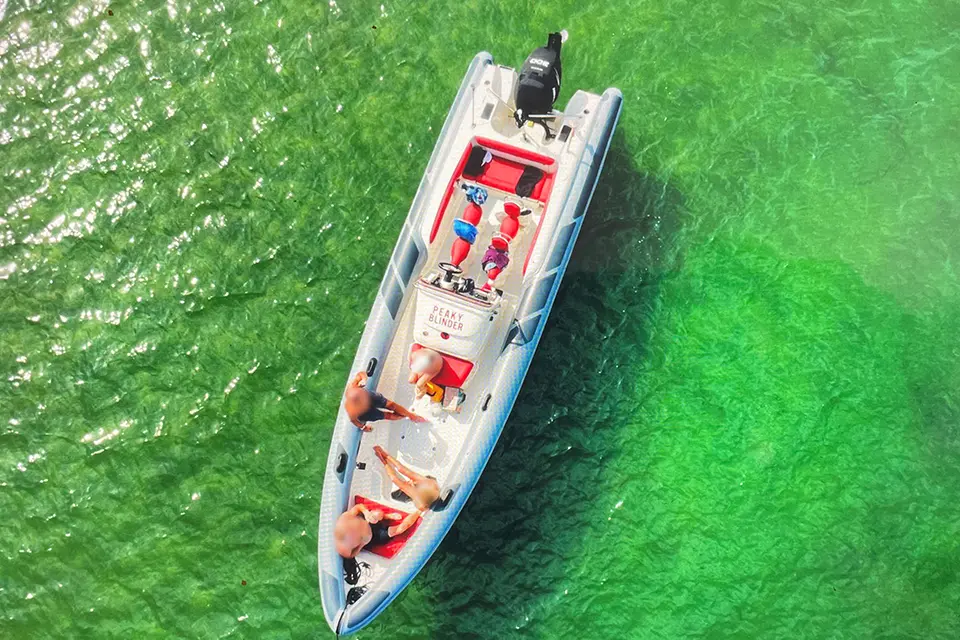
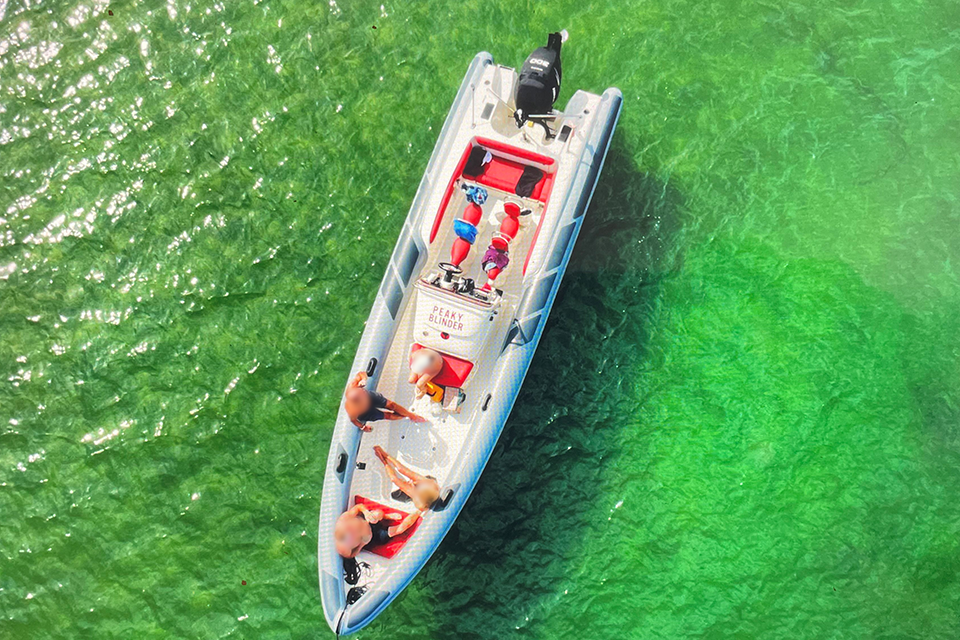
Maritime safety authorities have issued a stark and urgent warning regarding the operation of recreational vessels under the influence of alcohol following the release of a comprehensive accident investigation report. The document, published today by the Marine Accident Investigation Branch (MAIB), scrutinizes the catastrophic allision of the rigid inflatable boat (RIB) Peaky Blinder with a stationary navigation beacon in Portsmouth Harbour, England. The high-speed nocturnal impact, which occurred on August 14, 2025, resulted in the tragic deaths of two individuals onboard.
The incident has reignited a contentious, long-standing debate within the British maritime community concerning the absence of statutory alcohol limits for recreational boaters in United Kingdom waters. While commercial maritime operators are bound by strict legal blood-alcohol concentration (BAC) thresholds, recreational skippers operate in a regulatory gray area—a legislative gap that safety advocates and marine investigators argue is costing lives.
According to the MAIB’s findings, the Peaky Blinder was navigating the busy, complex waterways of Portsmouth Harbour when it struck the unyielding steel structure of the navigation beacon at a significant velocity. The subsequent investigation laid bare a chain of human and environmental factors that transformed a routine recreational voyage into an unmitigated disaster. Chief Inspector of Marine Accidents Rob Loder used the release of the report to issue a blistering critique of current regulatory inaction, calling for immediate, decisive legislative reform to prevent similar tragedies from recurring.
This in-depth investigative report examines the sequence of events leading up to the collision, analyzes the systemic safety issues highlighted by the MAIB, explores the broader socioeconomic and regulatory context of boating safety in the UK, and assesses what the future holds for maritime law enforcement regarding alcohol consumption on the water.
Detailed Chronology
The Prelude: Departure and Social Context
The evening of August 14, 2025, began benignly enough. The Peaky Blinder, a high-performance rigid inflatable boat known for its agility and speed, was utilized by a group of acquaintances for a leisure excursion along the south coast of England. Portsmouth Harbour, one of the UK’s busiest and most historically significant naval gateways, serves as a complex navigational matrix shared by massive war vessels, commercial ferries, commercial cargo ships, and a dense population of recreational craft.
In the hours leading up to the fatal voyage, members of the party had partaken in social drinking ashore. While the exact quantities consumed and the precise timeline of alcohol ingestion form a critical component of the MAIB’s confidential case notes, the investigation confirmed that the operator and several passengers showed clear post-accident indications of significant alcohol consumption. Despite the impaired state of those at the helm, the decision was made to cast off and navigate the harbor waters as night began to fall.
Navigation in Restricted Visibility and Complex Waters
As the Peaky Blinder cleared the immediate marina environs and entered the wider expanses of Portsmouth Harbour, environmental conditions presented additional hazards. Although weather conditions were generally manageable, the transition from dusk to full night drastically reduced natural visibility, placing a heavy reliance on navigational aids, instrumentation, and the skipper’s unhindered cognitive faculties.

Navigating Portsmouth Harbour requires meticulous situational awareness. The waterway is punctuated by numerous hazards, including shifting shallow mudbanks, heavy commercial traffic lanes, and a vast array of lit and unlit navigation beacons designed to guide vessels safely through the channel.
Data retrieved from onboard electronic systems and witness testimonies indicate that the Peaky Blinder began traveling at a speed inappropriate for the prevailing conditions of darkness and heavy traffic density. At high speeds, the reaction time required to identify, evaluate, and respond to navigational markers is compressed to mere fractions of a second. For an operator whose cognitive processing speed, visual acuity, and physical coordination had been chemically compromised by alcohol, this operational window proved fatally narrow.
The Impact: The Collision with the Navigation Beacon
At approximately 22:30 BST, the voyage reached its catastrophic climax. The Peaky Blinder, moving at high velocity, deviated from the safe water channel and crashed directly into a fixed steel navigation beacon situated within the harbor limits.
The physics of the allision were devastating. Unlike a collision with another vessel—where kinetic energy is partially dissipated through mutual displacement—striking a rigid, immovable steel navigation beacon at high speed results in an instantaneous, catastrophic deceleration. The structural integrity of the RIB’s forward hull was utterly compromised upon impact, transmitting massive shockwaves through the vessel and instantly flinging occupants forward.
The severity of the impact caused fatal traumatic injuries to two individuals onboard before they could even process the emergency. Other passengers sustained severe, life-altering injuries, requiring an immediate, multi-agency emergency response.
The Emergency Response and Aftermath
Within minutes of the collision, Portsmouth Harbour control and local emergency services received frantic calls reporting the incident. The Portsmouth Lifeboat Station, Hampshire Constabulary Marine Unit, Ministry of Defence Police, and local ambulance services scrambled assets to the scene in a coordinated rescue effort.
Rescuers arrived to find the heavily damaged Peaky Blinder still entangled near the base of the navigation beacon. Emergency medical personnel immediately initiated triage, pulling injured survivors from the water and wreckage while confirming the deaths of the two victims. The survivors were rapidly transferred to Queen Alexandra Hospital in Portsmouth for urgent trauma care, while maritime investigators secured the wreckage for forensic examination.
The immediate aftermath cast a pall over the local maritime community, prompting immediate soul-searching among local boat clubs, harbour authorities, and national safety bodies regarding the hidden dangers lurking in popular recreational boating hotspots.
Supporting Context & Metrics
The Anatomy of RIBs and High-Speed Risks
Rigid inflatable boats have experienced an exponential surge in popularity over the past two decades. Prized for their versatility, safety-in-buoyancy design, and exceptional speed capabilities, RIBs are widely used by commercial operators, rescue services, and recreational thrill-seekers alike. However, their high performance-to-weight ratio creates a false sense of security.
Modern leisure RIBs are frequently equipped with high-horsepower outboard engines capable of propelling lightweight hulls to speeds in excess of 40 or 50 knots. At these velocities, a RIB behaves less like a traditional displacement boat and more like a low-flying aircraft. Skipper fatigue, distraction, and chemical impairment are magnified exponentially when operating high-speed craft. A momentary lapse in concentration lasting just two seconds at 30 knots means a vessel travels over 30 meters completely unguided.
The Alcohol Factor in Maritime Incidents
Statistical data compiled by maritime safety agencies worldwide consistently underscores alcohol as a primary contributing factor in water-related fatalities. According to historical MAIB findings and international maritime safety databases, alcohol is implicated in a staggering percentage of fatal recreational boating accidents.
Unlike driving an automobile—where the hazards of drunk driving have been culturally and legally entrenched for decades—boating culture has historically retained a more relaxed, permissive attitude toward alcohol consumption. The romanticized image of enjoying a cold beer while anchoring in a secluded cove or cruising at sunset often blinds operators to the insidious physiological effects of alcohol on the water.
How Alcohol Impairs Marine Operation:
- Dehydration and Sun Exposure: The natural marine environment—characterized by glare from the water, wind, and engine vibration—accelerates dehydration. Alcohol exacerbates this effect, leading to rapid fatigue and impaired cognitive function.
- The "Boater’s Hypotheses" (Stressor Interaction): The unique stressors of operating a vessel, known collectively as "visor effect" or "boater’s hypnosis," include wind, engine noise, and wave action. Alcohol interacts synergistically with these environmental stressors, degrading vestibular function (balance) and depth perception much faster than on land.
- Compromised Emergency Response: In an unexpected crisis, such as a man-overboard situation or an impending collision, an intoxicated skipper’s reaction time is delayed, and their ability to execute complex motor tasks (like deploying safety equipment or making distress radio calls) is severely compromised.
The Regulatory Disconnect: Commercial vs. Recreational
One of the most contentious issues highlighted by the Peaky Blinder disaster is the glaring regulatory asymmetry that exists within United Kingdom maritime law.
For commercial vessel operators, masters, and crew members, the Transport and Works Act 1992 establishes strict criminal offences for operating ships or being on duty while impaired by drink or drugs. Furthermore, specific commercial codes and company safety management systems enforce zero-tolerance policies or strict legal limits (typically aligned with or stricter than driving limits, such as 0.02% to 0.08% BAC, depending on the specific commercial sector and local bylaws).
Conversely, for recreational boaters operating privately owned vessels solely for leisure, there is currently no specific national statutory blood-alcohol limit under general maritime law in England and Wales. While harbour authorities can utilize local bylaws to prosecute reckless or negligent navigation, and general maritime law penalizes "gross negligence manslaughter" or "endangering safety" after a disaster has occurred, there is no proactive, preventative legal threshold equivalent to the roadside breathalyzer test used by police forces for motorists.
Safety advocates argue that this legislative loophole creates a dangerous enforcement vacuum, leaving police and harbour masters powerless to intervene against visibly intoxicated skippers before a fatal collision takes place.
Official Statements
The release of the MAIB investigation report has drawn intense scrutiny from maritime officials, safety advocates, and lawmakers, all of whom have weighed in on the systemic failures exposed by the Peaky Blinder tragedy.
Chief Inspector of Marine Accidents, Rob Loder
In his formal statement accompanying the report, Chief Inspector Rob Loder did not mince words regarding the preventable nature of the accident and the urgent need for regulatory reform:
"It is well understood that consumption of alcohol results in an elevated risk of having an accident. The introduction of alcohol limits for recreational boaters has been the subject of previous MAIB recommendations. It is to be hoped that action will now be taken, such that fatal accidents in which excessive alcohol consumption is a contributing factor become a thing of the past."
Loder’s remarks point to a frustrating institutional reality: the MAIB has repeatedly flagged the dangers of alcohol in recreational boating in past accident reports, yet successive governments have historically dragged their feet when it comes to enacting hard-law legislative changes.
Reactions from Maritime Safety Organizations and Harbour Authorities
The UK Chamber of Shipping and the Royal Yachting Association (RYA) have historically navigated a complex dialogue regarding recreational safety regulation. While organizations representing recreational boaters fiercely protect personal freedoms and express caution against heavy-handed or impractical legislation, major safety bodies and harbour masters across the UK have increasingly voiced support for clearer legal frameworks.
Portsmouth Harbour Master issued a brief statement offering condolences to the families of the victims while emphasizing the vital importance of strict adherence to navigational safety rules within busy commercial and naval waterways:
"Portsmouth Harbour is a dynamic, high-density environment where safety must remain the absolute priority for every water user. This tragic incident serves as a heartbreaking reminder that the water demands our complete, unimpaired attention at all times. We fully support ongoing educational initiatives and enforcement measures aimed at keeping our harbour safe."
Future Outlook: Charting a Safer Course for British Waters
As the dust settles on the MAIB report, the British maritime community stands at a critical crossroads. The death of two individuals in Portsmouth Harbour is not merely an isolated tragedy; it is a diagnostic symptom of a wider cultural and legal complacency surrounding recreational water safety.
1. The Push for Legislative Reform
The primary legacy of the Peaky Blinder disaster will likely be renewed political pressure on the Department for Transport (DfT) to revisit the regulation of alcohol consumption among recreational boaters.
Lawmakers are facing mounting calls to introduce specific, enforceable statutory BAC limits for anyone in charge of a vessel in UK waters, bringing maritime law into alignment with road traffic legislation. Proponents argue that a legal limit—accompanied by powers for marine police units to conduct random or cause-based breath testing—would provide an invaluable deterrent, empowering authorities to pull impaired skippers off the water before they inflict harm upon themselves or others.
2. Enhancing Public Awareness and Cultural Change
Legislation alone, however, cannot entirely solve the problem. A profound cultural shift is required within the recreational boating community. Just as designated driving has become a deeply ingrained social norm over the past four decades, the concept of the "designated skipper"—a completely sober individual entrusted with the safe navigation of the vessel for the entirety of an outing—must become standard practice among leisure boaters.
Marine safety charities, sailing schools, and boat manufacturers are expected to launch coordinated public awareness campaigns in the wake of the MAIB report. These initiatives will focus on educating boat owners about the compounded physiological effects of sun, wind, and alcohol, dismantling the pervasive myth that "boating is different" from driving.
3. Technological Innovations in Vessel Safety
In parallel with regulatory and cultural shifts, advancements in marine technology offer promising avenues for mitigating the risks of high-speed navigation. Modern RIBs and powerboats are increasingly incorporating sophisticated electronic navigation suites, collision-avoidance radar systems, and geofencing technologies that warn operators of approaching hazards.
Furthermore, the rise of engine kill-cord safety legislation—which mandates that operators of powerboats wear a physical tether linked to the engine ignition cut-off—has already saved countless lives by stopping runaway boats after a person is ejected. Future safety innovations may even explore biometric ignition locks or mandatory breathalyzer interlocks for high-performance commercial-grade leisure craft, ensuring that a vessel simply cannot be started if the operator’s BAC exceeds safe parameters.
Conclusion
The allision of the Peaky Blinder in Portsmouth Harbour stands as a grim monument to avoidable loss. By laying bare the grim mechanics of the crash and confronting the uncomfortable truth about alcohol and recreational boating, the MAIB’s report has provided a roadmap for change. Whether policymakers, harbour authorities, and recreational boaters seize this moment to enact meaningful reform will determine whether the victims of August 14, 2025, become the catalyst for a safer maritime future, or merely another tragic footnote in the history of the sea.