






Published by the Marine Accident Investigation Branch (MAIB)
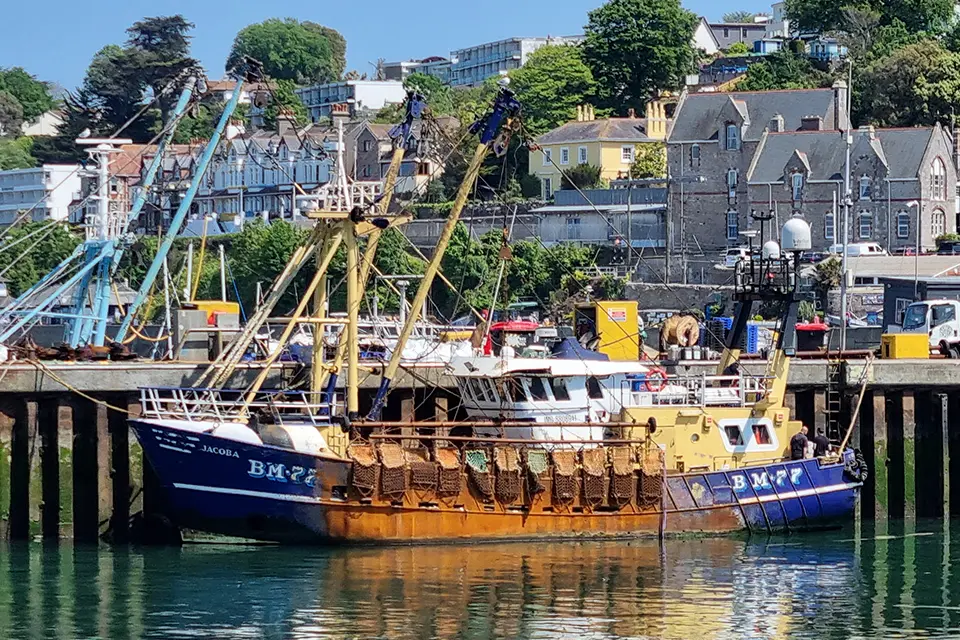
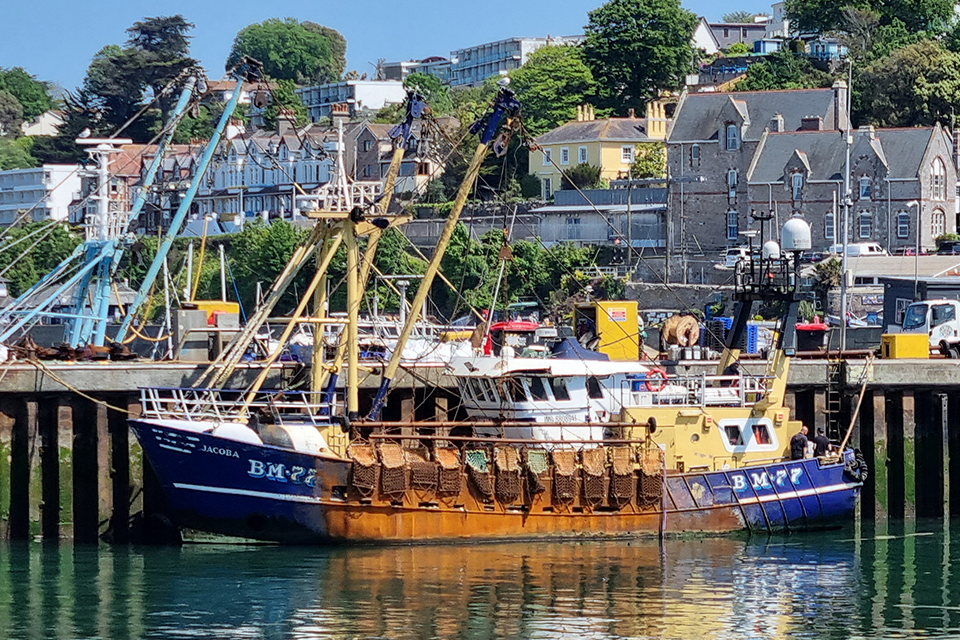
London, United Kingdom — In an ongoing effort to improve safety standards within the commercial fishing sector, the Marine Accident Investigation Branch (MAIB) has officially published its comprehensive accident investigation report. The report details the harrowing events surrounding a severe, life-altering injury sustained by a crew member aboard the UK-registered scallop dredger Jacoba (BM77). The incident occurred on May 10, 2025, in the English Channel, approximately 29 nautical miles south-south-east of Beachy Head.
The publication of this report brings to light critical safety failures, operational vulnerabilities, and systemic issues that continue to plague high-risk maritime sectors. Alongside the detailed findings, the MAIB has released a targeted safety flyer aimed at warning vessel operators, skippers, and crew members across the wider fishing industry about the persistent hazards associated with heavy deck machinery and inadequate onboard familiarisation processes.
Executive Overview
Commercial fishing remains one of the most perilous occupations in the world, consistently registering fatality and serious injury rates that vastly outpace almost every other land-based or maritime industry. Scallop dredging, in particular, is characterised by heavy, mechanical gear, continuous round-the-clock operations in hostile weather environments, and high-tension winches and towing warps that pose catastrophic risks to human life.

The incident aboard the Jacoba on May 10, 2025, serves as a stark reminder of these enduring perils. While operating in the busy and often unpredictable waters off the southern coast of England, a crew member suffered severe injuries during routine hauling and shooting operations. The MAIB’s investigation was launched immediately following the emergency response to determine the precise chain of events, evaluate human and mechanical factors, and establish clear pathways for preventative action.
According to the newly released documentation, the accident was not merely the result of an isolated moment of individual misfortune. Instead, the investigation uncovered deeper, systemic vulnerabilities involving crew familiarisation, safety culture, communication breakdowns on deck, and the management of high-risk machinery operations. By making the full report and its associated safety flyer publicly accessible, the MAIB aims to compel vessel owners, skippers, and industry regulators to re-evaluate how safety protocols are implemented and reinforced at the deckplate level.
Detailed Chronology of Events
While the exhaustive narrative of the accident is laid out within the official MAIB report, investigators have pieced together the operational context leading up to the critical moment on May 10, 2025.
Pre-Operations and Vessel Status
The Jacoba (BM77), a commercial scallop dredger outfitted for intensive seabed harvesting, had been operating at sea as part of its scheduled commercial voyage. The vessel’s crew, comprising experienced personnel alongside newer or less familiar hands—a common demographic shift in modern commercial fisheries—was engaged in a demanding cycle of deploying and retrieving heavy steel dredges.
Scallop dredging requires the simultaneous deployment of robust steel frames fitted with chain bags and spring-loaded teeth designed to rake the seabed. These heavy assemblies are hauled aboard via powerful winches and directed across sorting tables and tipping doors. The operation demands absolute precision, seamless communication between the wheelhouse and the working deck, and an acute spatial awareness from every crew member working within the swing radius of heavy rigging and winches.
The Critical Incident
On the morning of May 10, 2025, while the vessel was positioned 29 nautical miles south-south-east of Beachy Head, operations escalated as the crew prepared to haul a catch. Under conditions typical of the English Channel—where shifting tides, localized currents, and choppy seas constantly test vessel stability and deck footing—the dynamic forces acting upon the fishing gear proved exceptionally hazardous.
During the execution of a routine deck maneuver, the injured crew member became caught or struck by moving gear. The immense mechanical advantage and kinetic energy inherent in the dredging apparatus meant that human intervention was no match for the forces at play. The accident resulted in immediate, severe trauma to the crew member.
Emergency Response and Medical Evacuation
Upon the realization that a catastrophic injury had occurred, immediate action was taken by the skipper and remaining crew. The vessel’s emergency protocols were activated, halting deck operations and securing the immediate area. The master of the Jacoba established urgent radio contact with Her Majesty’s Coastguard (HMCG) to report the medical emergency and request immediate evacuation support.
Given the vessel’s position—nearly 30 nautical miles off the coast—coordination between maritime rescue coordination centers and search-and-rescue (SAR) aviation assets was critical. A specialized rescue helicopter was dispatched to intercept the vessel, hoist the injured crew member from the deck of the Jacoba, and transport them rapidly to a specialized trauma center on the mainland for emergency surgical intervention.
Following the medical evacuation, the MAIB was notified, prompting the deployment of marine accident investigators to examine the vessel upon its return to port, interview surviving crew members, review operational logs, and analyze the machinery involved.
Supporting Context & Metrics: The Human and Economic Toll
To understand the gravity of the Jacoba incident, it is essential to contextualize it within the broader framework of UK commercial fishing safety statistics. Despite decades of regulatory oversight, technological improvements, and targeted safety campaigns, commercial fishing remains statistically the most dangerous civilian job in the United Kingdom.
The Safety Landscape in UK Fisheries
The MAIB and the Maritime and Coastguard Agency (MCA) routinely publish data highlighting the persistent nature of workplace accidents in the sector. Common hazards identified across historical investigations include:
- Man overboard incidents: Often resulting from working alone on deck, lack of personal flotation devices (PFDs), and unlit or unstable working platforms.
- Slips, trips, and falls: Exacerbated by wet, slippery decks, fish slime, and the constant motion of the vessel.
- Crush injuries and entanglement: Caused by unguarded or poorly maintained winches, hauling gear, warps, and heavy towing equipment.
The Critical Role of Familiarisation
One of the central themes emerging from the Jacoba investigation—and underscored by the simultaneous release of the MAIB’s specialized safety flyer—is the fundamental importance of comprehensive crew familiarisation.
In an industry experiencing high crew turnover and an increasing reliance on migrant or transient labor, ensuring that every person stepping aboard a commercial fishing vessel understands the specific hazards of that vessel is a matter of life and death. Familiarisation is not merely a bureaucratic tick-box exercise; it is an active, continuous process that must cover:
- Vessel Layout and Escape Routes: Ensuring crew members can navigate the vessel safely in low-visibility or emergency conditions.
- Machinery Operations: Detailed, practical instruction on the specific controls, dead-man switches, emergency stops, and blind spots associated with winches, cranes, and tipping doors.
- Safety Equipment: Hands-on training regarding the location and deployment of life rafts, fire suppression systems, first aid kits, and emergency communication gear.
- Communication Protocols: Establishing clear, universally understood hand signals and radio protocols between the wheelhouse and the working deck, language barriers must be actively identified and bridged.
When new or less familiar crew members are rushed into high-intensity operational environments without adequate induction, the margin for error narrows dramatically. The MAIB report on the Jacoba delves deeply into how human factors and inadequate safety culture contributed to the circumstances surrounding the injury.
Official Statements and Regulatory Intervention
The publication of the investigation report marks a vital milestone in translating a tragic workplace accident into actionable safety lessons for the wider maritime community.
Insights from the Marine Accident Investigation Branch
The MAIB operates independently of other government departments and regulatory bodies, with a singular statutory mission: to determine the causes of marine accidents and incidents with the sole objective of preventing their recurrence in the future. It does not seek to apportion blame or liability, but rather to uncover systemic lessons that can save lives.
In releasing the report regarding the Jacoba, the Chief Inspector of Marine Accidents emphasized that safety improvement in the fishing industry requires a cultural shift rather than a purely punitive regulatory approach. Vessel owners and skippers must take proactive ownership of their safety management systems, moving away from a compliance-driven mindset toward a genuine, proactive culture of risk mitigation.
The Safety Flyer: A Practical Tool for the Fleet
Recognizing that lengthy investigation reports are not always readily absorbed by busy fishermen working punishing hours, the MAIB has accompanied the Jacoba report with a concise, highly visual safety flyer titled: "Are your crew familiarised with the vessel and its hazards?"
This flyer is designed to be distributed directly to fishing vessel owners, skippers, fishermen’s federations, and safety associations. It highlights key takeaway lessons from the Jacoba investigation, including:
- The Obligation of the Skipper: Ensuring that structured inductions are conducted before any crew member begins work on deck.
- Hazard Identification Walks: Walking new crew members through the specific danger zones around winches, blocks, and heavy lifting gear.
- Continuous Monitoring: Recognizing that familiarisation is an ongoing dialogue, especially as crew members transition to new roles or as operational conditions change.
Future Outlook: Charting a Safer Course for Commercial Fisheries
The publication of the Jacoba (BM77) accident investigation report is a critical touchstone for the UK commercial fishing fleet. However, reports alone do not prevent future tragedies—their value lies entirely in how the industry and regulators respond to their findings.
Industry-Wide Implications
As the commercial fishing sector navigates economic pressures, fluctuating fish stocks, and evolving regulatory frameworks, safety must remain non-negotiable. Fisheries organizations, training providers, and safety charities are expected to utilize the MAIB report in upcoming training modules, skipper certificate courses, and safety workshops.
Key areas targeted for future improvement include:
- Enhanced Training Standards: Pushing for mandatory, standardized safety training across all sectors of the UK fishing fleet, regardless of vessel length.
- Technological Safeguards: Encouraging the retrofitting of advanced safety mechanisms, such as remote emergency shut-off buttons for winches, improved guarding on moving parts, and enhanced deck lighting.
- Mental Health and Fatigue Management: Acknowledging that chronic fatigue significantly impairs cognitive function, reaction times, and situational awareness on deck. Addressing rest-hour compliance is vital to reducing human error.
Conclusion
The severe injury sustained by the crew member aboard the scallop dredger Jacoba on May 10, 2025, is a somber reminder of the relentless risks faced by those who harvest the sea. Through the rigorous, transparent investigation conducted by the MAIB, the maritime community is provided with an invaluable opportunity to learn, adapt, and reform.
By embracing the recommendations outlined in the report and utilizing the accompanying safety flyer, vessel owners, skippers, and crew can honor the lessons of this incident. Ultimately, the goal remains singular and uncompromising: ensuring that every commercial fisherman returns safely to their families at the end of every voyage.
Accessing the Report
The full MAIB accident investigation report regarding the scallop dredger Jacoba (BM77) and the associated safety flyer can be accessed directly via the official UK government website at GOV.UK/maib-reports.
For media inquiries relating to this report, the Marine Accident Investigation Branch can be reached during office hours at 01932 440015, or via their out-of-hours media line at 0300 7777878.