






MOSCOW — In the face of escalating maritime hostilities and severe logistical bottlenecks in the Black Sea, the Russian government is preparing an emergency suite of economic interventions to shield its domestic agricultural sector from systemic collapse.
According to reports from Interfax, citing Russian Agriculture Minister Oksana Lut, the Kremlin is planning a series of urgent measures. These include aggressive state-backed crop procurement, the extension of preferential credit lines to cash-strapped farmers, and direct sales and transport subsidies to offset skyrocketing export costs.
This policy shift comes as the war of attrition between Russia and Ukraine increasingly targets commercial shipping infrastructure. Over the past month, the Black Sea—historically one of the world’s most critical maritime corridors for agricultural commodities—has devolved into an active combat zone. Both nations have systematically targeted each other’s ports and merchant vessels, threatening to choke off global grain supplies and reignite international food inflation.
Executive Overview: The Crisis in the Black Sea
The current crisis represents a dangerous escalation in the militarization of global commodity supply chains. For years, the Black Sea served as the primary exit route for more than a quarter of the world’s wheat exports. However, a series of devastating drone strikes and retaliatory port bombardments in August 2026 have brought this vital trade artery to a virtual standstill.
Black Sea Grain Logistics Crisis (August 2026)
├─ Russian Supply Side:
│  ├─ Harvest to date: 75 million metric tons of wheat
│  └─ Logistical Bottleneck: Novorossiysk terminals damaged, halting bulk shipping
├─ Ukrainian Supply Side:
│  ├─ Port Infrastructure: Odesa and Danube river terminals under constant aerial bombardment
│  └─ Export Status: Shipments severely restricted, relying on costly overland routes
└─ Global Market Impact:
   ├─ Combined Export Share: >25% of global wheat supply at risk
   └─ Immediate Effects: War risk insurance spikes, bulk vessel chartering freezes
For Russia, the timing of this logistical paralysis is particularly damaging. The country’s agricultural heartlands are in the middle of a major harvest, having already brought in 75 million metric tons of wheat. Without reliable, high-volume shipping routes, this vast yield threatens to become a localized surplus, driving down domestic prices to unsustainable levels and bankrupting local producers who are already grappling with Western sanctions and high input costs.
Detailed Chronology of the Maritime Escalation
The current paralysis of Black Sea grain shipping is the direct result of a rapid escalation in kinetic operations targeting commercial maritime assets.
The Attack on Novorossiysk (Early August 2026)
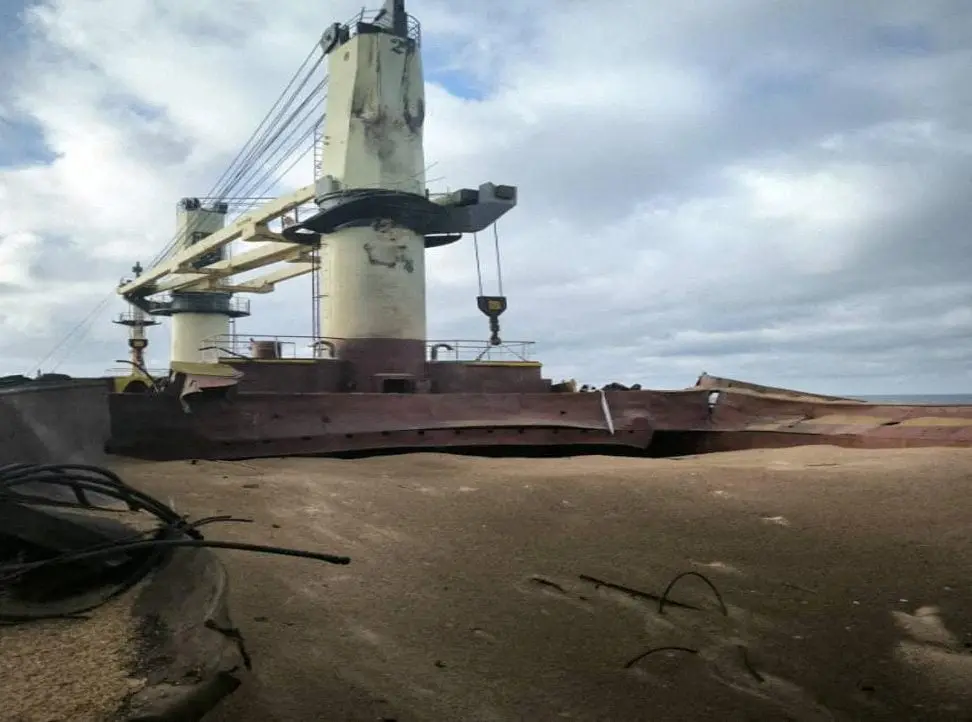
The crisis entered a critical phase earlier this month when Ukrainian uncrewed surface vessels (USVs) and aerial drones launched a coordinated assault on the port of Novorossiysk. Novorossiysk is Russia’s primary deepwater port on the Black Sea, serving as a vital outlet for both crude oil and agricultural products.
The attack inflicted significant structural damage on three of Russia’s largest grain export terminals. Following the strikes, port authorities were forced to halt loading operations entirely to assess structural integrity and clear debris. This disruption instantly severed Russia’s primary maritime export pipeline, leaving dozens of bulk carriers stranded or diverted.
Retaliation and the Siege of Ukrainian Ports
In immediate retaliation for the Novorossiysk strikes, Russian forces intensified their campaign against Ukrainian maritime infrastructure. Long-range missile and drone strikes targeted port facilities in Odesa, Chornomorsk, and Pivdennyi.
Furthermore, Russian strikes have repeatedly targeted Ukrainian alternative routes along the Danube River, striking silos and loading docks at Izmail and Reni. These attacks have effectively neutralized Ukraine’s ability to bypass the Black Sea blockade via riverine transit, stranding Ukrainian grain in inland storage facilities.
The Breakdown of Safe Passage
While previous phases of the conflict saw fragile, UN-brokered diplomatic arrangements—such as the defunct Black Sea Grain Initiative—to protect merchant shipping, August 2026 has seen the complete breakdown of informal maritime detentes. Both Moscow and Kyiv have declared the waters of the Black Sea to be potential military target zones, effectively neutralizing the commercial viability of the route for international shipping fleets.
Supporting Context & Metrics: The Economics of the Grain Blockade
The geopolitical standoff in the Black Sea has profound economic ramifications, both domestically for the combatants and globally for importing nations.
The Russian "Grain Mountain"
Agriculture Minister Oksana Lut confirmed that Russia has harvested 75 million metric tons of wheat to date. Under normal operating conditions, a harvest of this magnitude would be rapidly exported to lucrative markets in the Middle East, North Africa, and Asia.
Global Wheat Export Market Share (Pre-Crisis Average)
┌──────────────────────────────┬─────────────┐
│ Country/Region               │ Share (%)   │
├──────────────────────────────┼─────────────┤
│ Russia & Ukraine (Combined)  │ ~26%        │
│ European Union               │ ~18%        │
│ United States                │ ~12%        │
│ Canada                       │ ~11%        │
│ Others                       │ ~33%        │
└──────────────────────────────┴─────────────┘
However, with Novorossiysk offline and insurance companies refusing to underwrite voyages into the Black Sea, Russia is facing a severe storage crisis. If grain cannot be moved, domestic prices will collapse, leaving farmers unable to service their debts or fund the next planting season.
The Collapse of Maritime Insurance and Freight
The classification of the Black Sea as a high-risk war zone has led to an unprecedented spike in maritime insurance premiums.
- War Risk Surcharges: Shipowners operating in the region are facing war risk premiums that make up a significant percentage of the vessel’s overall value, rendering voyages economically unfeasible.
- Chartering Boycotts: Major international shipping conglomerates have implemented de facto bans on chartering vessels destined for Russian or Ukrainian Black Sea ports, citing safety concerns for crews and assets.
The Search for Alternative Routes
With the Black Sea largely closed to commercial traffic, the Russian Agriculture Ministry is actively mulling alternative, albeit highly inefficient, logistics corridors:
- The Baltic Route: Exporting grain via Ust-Luga and St. Petersburg. While safer, this route adds thousands of miles to voyages destined for the Middle East and Africa, significantly increasing fuel and freight costs.
- The Caspian Route & INSTC: Utilizing the International North-South Transport Corridor (INSTC) via the Caspian Sea to Iran, and onwards to Asian markets. This route suffers from severe infrastructure bottlenecks, including limited rail capacity and shallow river draft limits.
- Overland Rail to China: Direct rail freight across Siberia to Chinese border crossings. While viable for eastern regions, the Russian rail network is already heavily congested with coal, military hardware, and other sanctioned goods.
Official Statements and State Interventions
To prevent a cascading crisis within the agricultural sector, Russian officials are moving from market-driven logistics to state-directed economic planning.
Minister Oksana Lut’s Policy Package
Speaking to Interfax, Agriculture Minister Oksana Lut outlined the government’s multi-pronged stabilization plan:
- State Procurement Interventions: The Russian government plans to buy millions of tons of grain directly from domestic producers at fixed, above-market prices. This grain will be placed into state reserves, establishing a price floor and preventing a domestic market crash.
- Preferential Loan Extensions: To alleviate the liquidity crunch facing agricultural enterprises, the state will extend subsidized, low-interest loan programs, allowing farmers to roll over existing debts.
- Logistical Subsidies: The Kremlin will subsidize the freight costs of transporting grain via alternative, more expensive overland and northern rail routes, attempting to maintain competitiveness in global markets.
The Geopolitical Stance
The Russian Ministry of Foreign Affairs has blamed Western nations and Kyiv for the disruption, asserting that drone strikes on civilian port infrastructure in Novorossiysk constitute acts of economic terrorism.
Conversely, Ukrainian officials maintain that Russian ports and commercial vessels carrying grain and oil are legitimate military targets, alleging they are used to finance the Kremlin’s war effort and transport dual-use cargoes.
Future Outlook: A Fragmented Global Food Market
The structural changes occurring in the Black Sea are unlikely to be resolved quickly. Even if hostilities subside, the damage to port infrastructure, combined with the lingering threat of sea mines and drone attacks, will keep insurance premiums elevated for the foreseeable future.
Expected Mid-to-Long-Term Structural Impacts
┌──────────────────────────────┬────────────────────────────────────────────────┐
│ Area of Impact               │ Long-Term Consequence                          │
├──────────────────────────────┼────────────────────────────────────────────────┤
│ Supply Chain Security        │ Permanent shift from Black Sea to Baltic and   │
│                              │ overland rail routes, raising baseline costs.   │
├──────────────────────────────┼────────────────────────────────────────────────┤
│ Market Consolidation         │ Smaller agricultural firms face bankruptcy;    │
│                              │ rise of state-backed mega-conglomerates.       │
├──────────────────────────────┼────────────────────────────────────────────────┤
│ Global Import Vulnerability  │ Traditional buyers (Egypt, Turkey) forced to   │
│                              │ diversify to higher-cost Western suppliers.    │
└──────────────────────────────┴────────────────────────────────────────────────┘
The Threat of Structural Food Insecurity
For importing nations in the Global South, the virtual halt of Black Sea grain exports is a catastrophic development. Nations such as Egypt, Sudan, Yemen, and Bangladesh rely heavily on cheap Russian and Ukrainian wheat. The loss of these supplies, combined with the increased cost of shipping from alternative origins like the United States, Canada, or Australia, threatens to plunge millions of people into acute food insecurity.
Conclusion
As Russia attempts to subsidize its way out of a localized agricultural depression, the limits of state intervention are being tested. No amount of financial aid can fully replace the massive logistical throughput of a fully functioning Black Sea maritime corridor.
As long as drone warfare dominates the waters of the Black Sea, the global grain trade will remain fragmented, expensive, and highly volatile, transforming agricultural logistics from a commercial enterprise into a high-stakes geopolitical battleground.