









Executive Overview
In the cutthroat arena of global hospitality, scale is often worshipped as the ultimate safeguard against market volatility. For decades, Wyndham Hotels & Resorts has mastered this philosophy, building an empire on budget-friendly and midscale brands that span thousands of properties worldwide. From Super 8 to Ramada, Wyndham’s DNA has been forged in the fires of mass-market efficiency, volume franchising, and the relentless pursuit of everyday travelers seeking reliable, unpretentious accommodation.
However, corporate mastery in the economy sector does not automatically translate to success in the discerning world of design-forward, upper-upscale lifestyle hospitality. Recognizing this boundary, Wyndham is executing a calculated, high-stakes strategic pivot. On Monday, at the Annual Hospitality Conference in Manchester, the hospitality giant pulled back the curtain on Dolce Nova, a boutique, upper-upscale extension of its meetings-and-events-focused Dolce Hotels & Resorts brand.
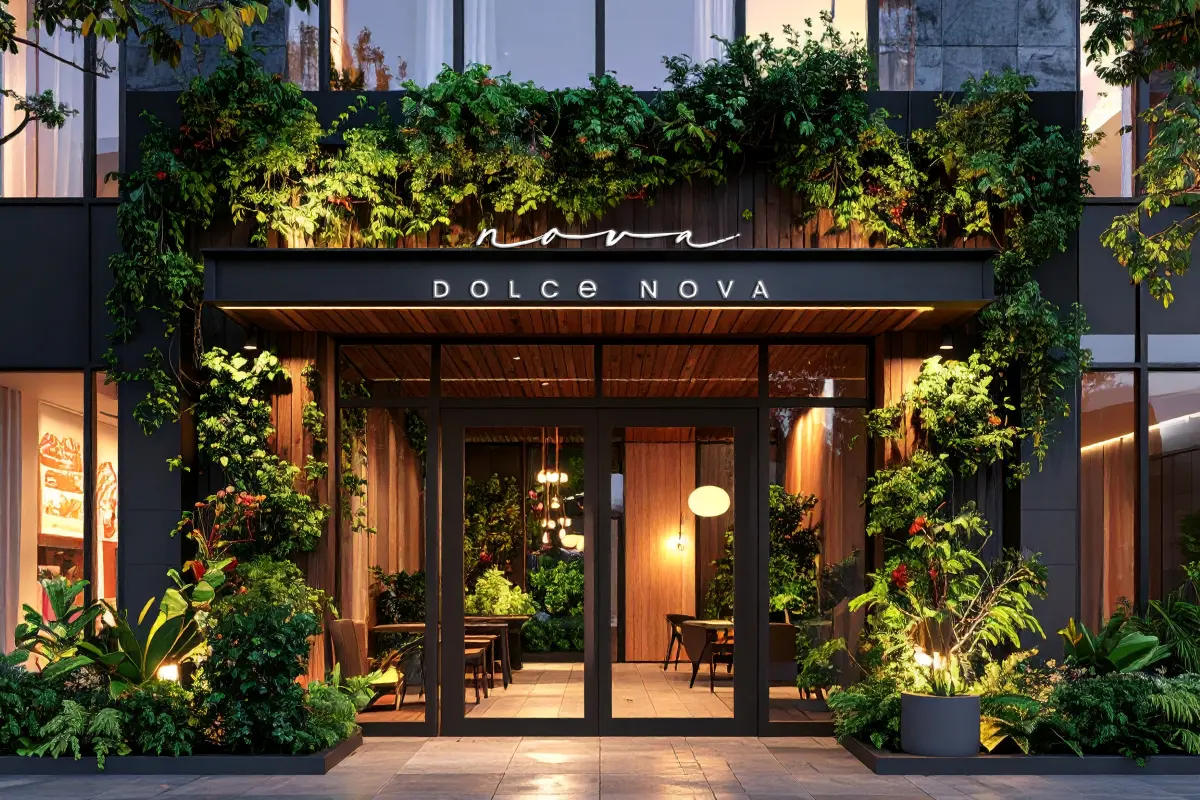
Dolce Nova represents a fundamental departure from Wyndham’s traditional playbook. Where the parent company historically relied on aggressive multi-property scaling and standardized operational efficiencies, Dolce Nova demands an entirely different institutional instinct—one rooted in architectural restraint, bespoke design narratives, and an affluent, lifestyle-driven demographic that the company has rarely targeted in its storied history.
This launch is not merely the introduction of a new flag on a map; it is a profound organizational test. It challenges whether a titan of budget and midscale lodging can successfully cultivate the artistic, localized sensibilities required to win over today’s sophisticated experiential traveler. Furthermore, Dolce Nova marks a historic milestone for Wyndham: it is the very first brand concept to originate organically from the company’s Europe, Middle East, Eurasia, and Africa (EMEA) team, breaking a long-standing corporate habit of growth through acquisition. As the industry watches closely, Dolce Nova stands as a litmus test for Wyndham’s future, proving whether the hospitality giant can evolve from a mass-market aggregator into a curator of modern, upper-upscale boutique elegance.
Detailed Chronology: From Manchester Announcement to Organic Brand Genesis
The genesis of Dolce Nova cannot be understood without examining the timeline of strategic decisions, regional empowerment, and corporate introspection that led executives to the stage in Manchester on a crisp Monday morning.
The Evolution of Dolce
To appreciate what Dolce Nova is attempting to achieve, one must first look at its predecessor. Wyndham acquired Dolce Hotels & Resorts back in 2015, integrating a portfolio primarily recognized for large-scale footprints—typically ranging from 200 to 400 rooms—heavily optimized for corporate conferences, board retreats, and large-scale business events. While Dolce carved out a respectable niche in the meetings space, its aesthetic and functional DNA remained decidedly corporate. It was built for business, not leisure; for functionality, not aesthetic indulgence.
Over the subsequent decade, however, the intersection of business and leisure—the so-called "bleisure" trend—began to reshape travel habits. Post-pandemic travelers increasingly sought accommodations that blurred the lines between work and play, demanding environments that felt less like standardized convention centers and more like curated cultural outposts.

The EMEA Breakthrough
Historically, Wyndham’s growth strategy has been heavily acquisition-driven. Of the 25 distinct brands in the company’s current portfolio, an astonishing 20 were acquired rather than developed in-house. Buying established names allowed Wyndham to rapidly expand its global footprint without the complex, multi-year friction of naming, trademarking, concept-testing, and positioning a brand from scratch.
However, the EMEA division, spearheaded by President Dimitris Manikis, saw an opportunity to break the mold. Rather than scanning the market for an expensive boutique brand acquisition, the EMEA team recognized that building an extension organically would yield far greater financial efficiency and strategic alignment.
Speaking exclusively at the Annual Hospitality Conference in Manchester, Manikis laid bare the financial and operational logic driving the decision:
"Why would we spend a lot of money to buy something when we actually can create an extension of the Dolce brand and introduce it to a new consumer base?"
This rhetorical question captures the core chronology of Dolce Nova’s creation. It was born out of regional market observation in Europe and the Middle East, where independent boutique hotels dominate historic city centers and lifestyle destinations, yet often struggle with global distribution and loyalty program reach. By taking the operational equity of the Dolce name—synonymous with quality, service, and professional gatherings—and injecting a boutique, human-scale design ethos into it, the EMEA team crafted a hybrid concept designed to bridge the gap between independent charm and corporate backing.
Supporting Context & Metrics: Decoding the Upper-Upscale Boutique Landscape
To contextualize the launch of Dolce Nova, one must analyze the broader macroeconomic and structural realities of the global hotel industry. The upper-upscale and luxury boutique segments represent some of the most resilient and high-yielding categories in modern hospitality, yet they are notoriously difficult to scale.
The Economics of Scale vs. Design Restraint
Wyndham’s core operating engine is built around volume. With over 9,000 hotels across more than 95 countries, the company thrives on franchise fees, centralized reservation systems, and standardized property management frameworks. In the economy and midscale tiers, guests value predictability, cleanliness, and value.
In contrast, the boutique upper-upscale demographic operates under entirely different psychological rules. Guests checking into a lifestyle property are paying a premium not for predictability, but for surprise, locality, and design authenticity. They expect locally sourced art, custom architectural details, hyper-personalized service, and food-and-beverage programs that double as neighborhood hotspots.
This creates a structural paradox for a company like Wyndham:
- The Corporate Instinct: Drive uniformity, optimize procurement costs, streamline operational checklists, and maximize room count density.
- The Boutique Instinct: Embrace architectural imperfection, celebrate local uniqueness, encourage design risks, and maintain intimate, human-scale room counts.
By positioning Dolce Nova as a direct extension of the larger Dolce brand, Wyndham is attempting to build a bridge across this operational chasm. The original Dolce portfolio caters to massive corporate gatherings, requiring sprawling facilities, extensive breakout rooms, and high-capacity dining halls. Dolce Nova, conversely, shrinks the canvas. It focuses on smaller, highly curated footprints where the atmosphere is intimate, design-forward, and deeply integrated into the surrounding neighborhood or destination.
Leveraging the Wyndham Ecosystem
Despite its boutique positioning, Dolce Nova properties will not operate in a vacuum. One of the primary value propositions Wyndham is offering independent boutique hotel owners who might want to convert to the Dolce Nova flag is access to Wyndham Rewards—one of the largest and most lucrative loyalty programs in the world, boasting tens of millions of active members.
For independent boutique hotel operators, the greatest operational challenge is customer acquisition cost (CAC) and dependence on expensive third-party Online Travel Agencies (OTAs). By plugging into Wyndham’s distribution machine, Dolce Nova franchisees gain instant access to a massive global feeder system of business and leisure travelers, while retaining the creative design freedom that defines the boutique experience.
Official Statements & Industry Reactions
The reception of Dolce Nova at the Annual Hospitality Conference in Manchester was met with a mix of intrigue, cautious optimism, and analytical scrutiny from industry insiders.
Dimitris Manikis emphasized that the creation of Dolce Nova reflects a mature understanding of market evolution and asset allocation. Rather than deploying precious capital reserves on acquiring an external lifestyle brand—a move that often brings integration headaches, cultural clashes, and legacy tech debt—Wyndham chose internal innovation.
"Dolce Nova requires a different instinct—one built on restraint, design, and a guest it hasn’t historically chased," noted market analysts tracking the rollout.
Industry veterans have pointed out that while Wyndham has dabbled in upscale and lifestyle categories before, Dolce Nova represents its most disciplined attempt yet to carve out a permanent home in the upper-upscale design space. The brand’s architecture relies on three core pillars:
- Design Restraint: Moving away from corporate sterility toward warm, tactile, and culturally resonant interiors.
- Contextual Integration: Ensuring each property reflects its geographic locale rather than adhering to a rigid global corporate template.
- Flexible Functionality: Retaining the DNA of meetings and events expertise inherited from Dolce, but scaling it down for intimate boardrooms, creative workshops, and high-end boutique gatherings.
Hospitality consultants at the Manchester conference noted that hotel owners are increasingly fatigued by rigid brand standards that do not fit unique properties. By offering a boutique concept backed by a powerhouse franchisor, Wyndham may find a receptive audience among owners of historical buildings, urban mansions, and scenic resort properties looking for global muscle without creative suffocation.
Future Outlook: Challenges and Opportunities Ahead
As Dolce Nova transitions from a presentation slide in Manchester to physical properties opening across EMEA and potentially beyond, the brand faces a complex landscape of opportunities and existential challenges.
Strategic Opportunities
- Conversion Momentum: In the current economic climate marked by high construction financing costs, new-build upper-upscale hotels are rare. Property owners are increasingly looking to convert existing independent boutique hotels into branded entities to secure financing and distribution. Dolce Nova is perfectly timed to capture this conversion wave.
- Geographic Expansion: While seeded by the EMEA team, the scalable nature of the brand architecture means Dolce Nova has clear pathways to cross the Atlantic into the Americas and expand rapidly across Asia-Pacific, where the demand for design-driven upper-upscale lodging is surging among rising middle and upper-middle classes.
- Cultural Shift Within Wyndham: If successful, Dolce Nova will fundamentally alter Wyndham’s corporate culture. It will prove that the company can nurture high-end, design-conscious brands from within, potentially paving the way for further organic conceptual development in the lifestyle and luxury tiers.
Significant Challenges
- Brand Dilution Risks: Wyndham is universally recognized by consumers as an economy and midscale lodging leader. Persuading affluent, lifestyle-oriented travelers—who frequently patronize Marriott’s Autograph Collection, IHG’s Kimpton, or independent luxury boutiques—to book a Wyndham-affiliated lifestyle brand will require aggressive, sophisticated marketing and flawless on-property execution.
- Operational Execution: Running a 350-room conference hotel requires an entirely different operational mindset than managing a 75-room design-forward urban boutique. Wyndham must ensure that operational teams deployed to support Dolce Nova possess the nuanced hospitality instincts required for high-touch, design-centric properties.
- Consistency vs. Authenticity: Boutique travelers despise cookie-cutter standardization. Yet, franchise models inherently demand brand standards. Striking the precise balance between rigorous brand consistency and local boutique authenticity will be the ultimate operational tightrope for Wyndham’s leadership.
Conclusion
Wyndham Hotels & Resorts has embarked on a bold evolution. With the launch of Dolce Nova, the lodging giant is stepping out of its comfort zone of mass-market volume and venturing into the nuanced, highly competitive world of upper-upscale boutique hospitality. By leaning on the foundational legacy of its Dolce brand while empowering its EMEA team to design an organic, restraint-driven concept, Wyndham is betting its future on versatility.
Whether Dolce Nova can successfully capture the hearts and wallets of a new, affluent consumer base remains to be seen. However, one thing is certain: Wyndham is no longer content with merely being the king of budget scale. It wants a seat at the design-forward table, and Dolce Nova is its ticket in.