








Executive Overview
For travelers around the globe, an Alaskan cruise is frequently designated as a quintessential bucket-list vacation. Whether it is seasoned cruisers seeking to add to their collected sea miles or first-time passengers eager to witness tidewater glaciers calve into freezing fjords, these voyages are selected with painstaking care. Months—sometimes years—of research, budgeting, and anticipation go into choosing an itinerary that checks every destination off a traveler’s personal map.
Consequently, receiving news that a carefully curated itinerary has been altered can be deeply disappointing, even when the adjustment occurs well over a year and a half before embarkation.
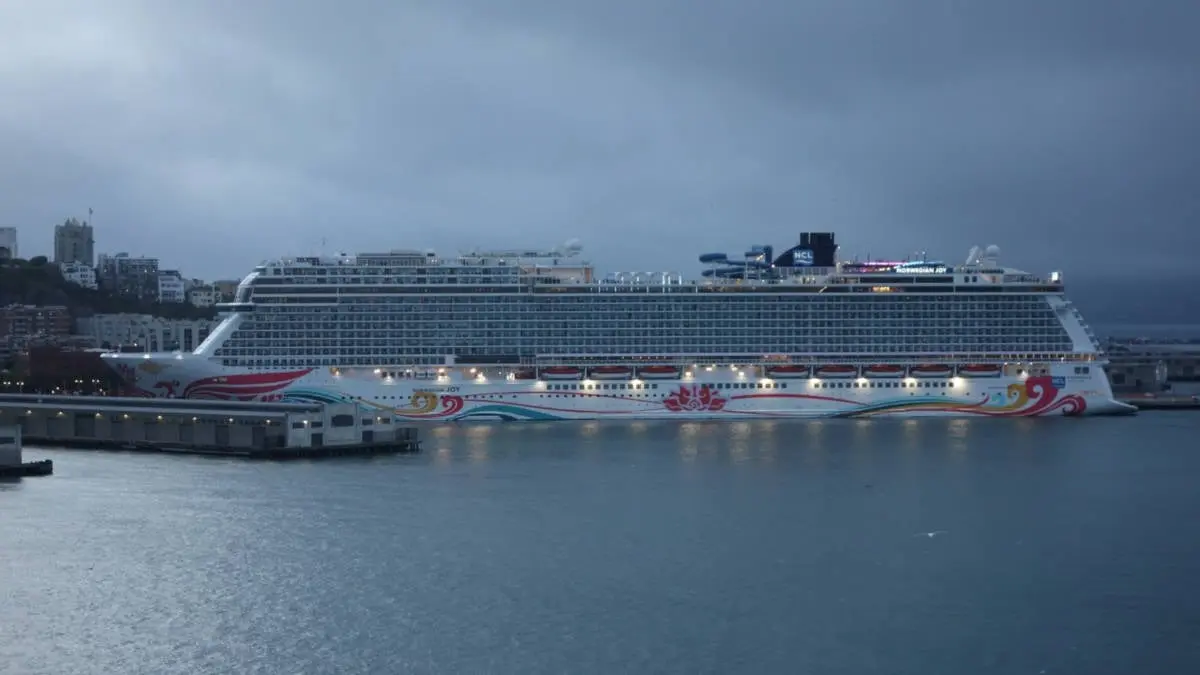
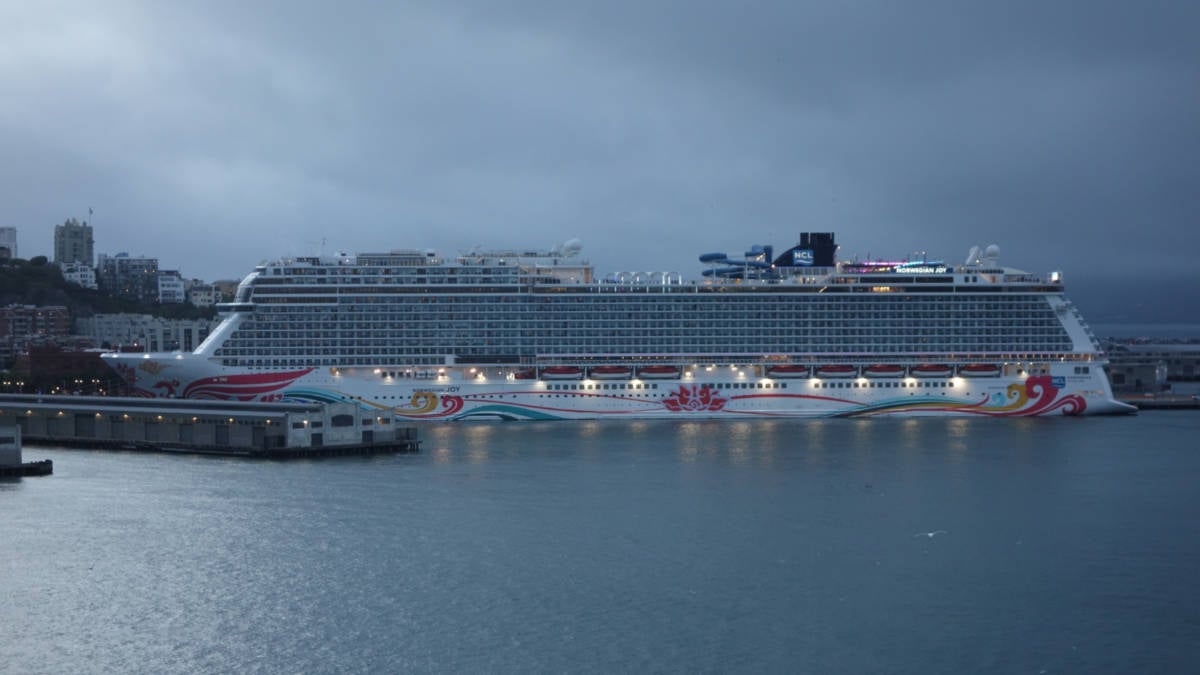
This is the exact reality facing guests booked on the 3,802-passenger Norwegian Joy for its May 19, 2028, voyage. Norwegian Cruise Line (NCL) recently dispatched email notifications to passengers detailing a comprehensive structural overhaul of the 10-day sailing. The modifications—brought to light when affected guests shared the official correspondence on social media platforms—include the complete removal of two popular ports of call, the addition of a brand-new destination, the shifting of scenic cruising routes, and adjusted port hours across the Pacific Northwest and Alaskan coastline.
While itinerary modifications are an accepted reality within the commercial cruise industry, a change executed more than 20 months in advance is striking. It underscores the complex logistics, port congestion issues, and berth availability struggles that cruise lines continuously navigate behind the scenes. This report provides a detailed breakdown of the changes to the Norwegian Joy’s upcoming voyage, an analysis of the root causes behind berth shuffling, practical guidance for affected passengers, and a wider look at the shifting landscape of Alaska cruise operations.
Detailed Chronology: Mapping the Changes to the Norwegian Joy
The original layout of the May 19, 2028, voyage promised a classic, highly sought-after itinerary showcasing the grandeur of the Inside Passage and Southeast Alaska. However, following the recent notification, the second half of the voyage has been substantially rewritten.
To understand the scope of the adjustments, it is helpful to contrast the original trajectory with the newly minted schedule.
What Stays the Same
Fortunately for travelers who have already locked in their embarkation logistics, the foundational parameters of the cruise remain secure:

- Homeport and Departure: The 3,802-guest Norwegian Joy will still depart from the Port of Seattle on Friday, May 19, 2028, at 3:00 p.m.
- Day 2: The first full day of the cruise remains an uninterrupted day at sea, allowing guests to explore the ship’s amenities, restaurants, and lounges.
- Juneau: The capital city of Alaska is locked in as the first port call. The vessel is still slated to dock in Juneau on Sunday, May 21, from 1:30 p.m. to 10:00 p.m.
- The Final Stretch: The closing days of the voyage are untouched. Saturday, May 27, remains a day at sea, followed by a call in Victoria, British Columbia, on Sunday, May 28, from 8:00 a.m. to 6:00 p.m.
- Return: The Norwegian Joy will still glide back into Seattle at 6:00 a.m. on Monday, May 29, 2028, concluding the 10-day journey as originally scheduled.
What Has Changed: The Mid-Cruise Shuffle
While the bookends of the trip are stable, the itinerary between Monday, May 22, and Friday, May 26, has experienced a dramatic cascade of alterations.
Most notably, two iconic Alaskan ports—Sitka and Skagway—have been completely scrubbed from the itinerary. In their place, Norwegian Cruise Line has introduced a call to Whittier, fundamentally altering the geographical breadth of the voyage.
Other key timeline adjustments include:
- Icy Strait Point: While the port visit remains on the docket, the ship’s timing has shifted one hour later into the day. The overall duration of the call, however, remains unchanged.
- Ketchikan: Ketchikan remains on the itinerary for its originally scheduled day, but cruisers will lose a substantial chunk of their time ashore. The port visit has been shortened by four hours; instead of the initial 8:00 a.m. arrival, the Norwegian Joy will now not pull into port until noon.
Supporting Context & Metrics: Why Do Cruise Lines Shuffle Itineraries?
The abrupt alteration of an itinerary more than 20 months out naturally sparks questions from consumers. Why would a cruise line alter a voyage so far in advance?
According to official communications from Norwegian Cruise Line, the root cause of the dramatic shuffle is berth availability.
The Port Congestion Crisis in Alaska
In recent years, Southeast Alaska has faced unprecedented popularity. Millions of cruise passengers descend upon tiny coastal communities every summer, leading to severe maritime traffic congestion. Ports such as Juneau, Ketchikan, and Skagway have implemented strict daily caps on passenger arrivals to preserve local infrastructure and quality of life for residents.
Berth space—the literal physical dock space required to tie up a massive cruise ship measuring over 1,000 feet in length—is a finite commodity. Municipalities negotiate port usage agreements years in advance, balancing requests from major parent companies like Norwegian Cruise Line Holdings, Royal Caribbean Group, Carnival Corporation, and independent lines.
When a single port authority must reallocate dock space due to infrastructure repairs, local legislative changes, or overlapping ship schedules, it creates a domino effect. As NCL noted, a change in one port inevitably forces adjustments across the entire voyage timeline to maintain safe and efficient navigational speeds.
The Knock-On Effect
Cruise itineraries are meticulously calculated mathematical equations. They factor in:
- Nautical distance between ports.
- Safe cruising speeds (fuel efficiency and engine wear).
- Marine pilot availability.
- Tides, currents, and environmental restrictions (such as whale-watching speed zones).
When Sitka and Skagway were dropped—likely due to a lost berth allocation or scheduling conflict—NCL was forced to find alternative destinations capable of handling a mega-ship with a capacity exceeding 3,800 guests. The addition of Whittier solves the capacity puzzle, but requires massive shifts in cruising routes, pushing arrival times and truncating stays in other ports like Ketchikan.
Official Statements and Industry Insights
Facing customer friction, cruise lines typically lean into standard communication protocols designed to soften the blow of bad news while emphasizing the positive aspects of the revised journey.
The notification email sent to booked guests began with a carefully worded philosophical acknowledgment:
“Even the most thoughtfully planned sailings can occasionally shift course. While these moments aren’t always expected, they often open the door to fresh ways of experiencing your vacation.”
Despite the disappointment of losing access to historic gold-rush towns like Skagway or the rich Tlingit heritage of Sitka, Norwegian Cruise Line maintains that the updated voyage will deliver on its core promise. NCL’s marketing materials emphasize that the revised itinerary will still comprehensively:
“Showcase the remarkable beauty, wildlife, glaciers, and coastal scenery that make Alaska such an extraordinary destination to explore.”
Industry analysts point out that while cruise lines retain the legal right to alter itineraries at any time—a clause explicitly written into every passenger contract—doing so 20 months out is both a blessing and a curse. It causes immediate administrative headaches, but it provides consumers with the maximum possible runway to adjust their personal travel profiles.
Action Plan: What Affected Guests Need to Do Now
For travelers holding reservations on the May 19, 2028, Norwegian Joy sailing, understanding the practical implications of the change is paramount. Fortunately, because the cruise line handles the overarching vessel schedule, much of the heavy lifting is done automatically, but proactive passenger management is still required.
1. Onboard Status and Automatic Adjustments
Cruisers do not need to cancel or rebook their cabins to maintain their reservations; the system updates automatically. Furthermore, any pre-paid shore excursions purchased directly through Norwegian Cruise Line for the affected ports (Sitka and Skagway) will be automatically canceled and fully refunded to the original form of payment.
However, because this sailing is nearly two years away, NCL had likely not yet opened its shore excursion booking window for these specific dates. Therefore, many guests may not even have to worry about refunds for cruise-sponsored tours.
2. Independent Shore Excursions
If you are an independent traveler who likes to book local tour operators well in advance, you must take matters into your own hands.
- Contact Third-Party Vendors: Reach out directly to any private guides, helicopter tour companies, whale-watching outfits, or railway excursions you may have provisionally booked in Sitka or Skagway.
- Review Cancellation Policies: Ensure that you recover any deposits. Because the change is occurring more than 20 months in advance, reputable local tour operators should have zero hesitation in processing full refunds or moving dates, though it is vital to get written confirmation.
- Research Whittier: With Whittier now added to the roster, travelers should begin researching what shore excursions and natural attractions this port has to offer, ranging from deep-water glacier cruises in Prince William Sound to overland tours toward the interior of Alaska.
3. Travel and Flight Logistics
One major silver lining of this specific itinerary adjustment is that the homeports remain untouched. Because the Norwegian Joy is still departing from and returning to Seattle, Washington, guests do not need to alter their pre- or post-cruise flights, hotel bookings, or car rentals.
Cruisers who scheduled flights into Seattle-Tacoma International Airport (SEA) can rest easy knowing their airline itineraries remain entirely valid.
Future Outlook: Navigating the New Normal of Cruise Travel
The plight of the Norwegian Joy passengers serves as a vivid reminder of the fluid nature of modern maritime tourism. As demand for bucket-list destinations like Alaska reaches fever pitch, port infrastructure will continue to be strained.
For the modern traveler, flexibility is no longer just a helpful trait; it is a mandatory travel insurance policy for the mind. Cruise lines will increasingly be forced to shuffle deployments, rewrite routes, and manage berth allocations years—and months—before a ship ever slips its moorings.
Best Practices for Future Bookings
To mitigate the sting of future itinerary modifications, seasoned travel advisors recommend the following strategies:
- Book for the Experience, Not Just the Port: While specific ports are major draws, focus your emotional investment on the overarching region—such as the majesty of Southeast Alaska’s glaciers and coastal ecosystems—rather than pinning your entire happiness on a single souvenir shop in Skagway.
- Keep Lines of Communication Open: Ensure your email address and phone number are fully updated with your cruise line or booking travel agent. Missing an administrative email can lead to missed excursion windows or uncoordinated travel steps.
- Leverage Travel Insurance: Ensure your comprehensive travel insurance policy includes robust supplier default and itinerary change protections, just in case a major routing shift significantly devalues the vacation package.
As the cruise industry steers through the remainder of the decade, transparency and early notification—such as the 20-month heads-up provided by Norwegian Cruise Line—will remain critical tools in maintaining consumer trust. While the Norwegian Joy will no longer follow the exact path its passengers originally envisioned, the wild, untamed beauty of Alaska awaits them just the same.