Savannah, Georgia, remains a crown jewel of the American South. Consistently lauded by travelers and travel publications alike as a premier national destination, the coastal city draws millions of visitors annually. They come for its picturesque, moss-draped historic squares, world-class culinary scene, vibrant nightlife, and a palpable, spine-tingling connection to the supernatural. Yet, just 19 miles north of this bustling urban hub lies an alternative that savvy travelers and budget-conscious vacationers are increasingly beginning to notice: Rincon, Georgia.
Home to roughly 12,000 residents, Rincon operates as a fast-growing commuter suburb within Effingham County. However, framing Rincon merely as a bedroom community for Savannah undersells its intrinsic value. Offering seamless accessibility—situated roughly 15 miles from the Savannah-Hilton Head International Airport and directly off Interstate 95 via State Route 21-N—Rincon presents an authentic, low-stress, and remarkably affordable basecamp for exploring the historic and natural splendors of coastal Georgia and the Lowcountry.
This comprehensive journalistic examination explores why Rincon is transitioning from an overlooked pit stop to an intentional destination. By analyzing its historical roots dating back to the 18th century, its rich tapestry of outdoor recreation, its burgeoning local dining scene, and its proximity to world-class wildlife reserves, this report details how Rincon provides an enriched travel experience at a fraction of the cost of staying in downtown Savannah.
Detailed Chronology: From Colonial Refuge to Modern Commuter Haven
To fully understand Rincon’s present-day appeal, one must look backward through the centuries to trace the land’s developmental arc. The modern story of this region is inextricably linked to the arrival of European settlers who sought religious freedom and economic opportunity on the untamed American frontier.
The Salzburgers and the Birth of New Ebenezer (1734)
The foundation of modern Effingham County’s historical identity was laid in March 1734, when a group of German-speaking Protestant refugees from Salzburg (in present-day Austria) arrived on the shores of Georgia. Fleeing severe religious persecution under the Prince-Archbishop of Salzburg, these settlers were welcomed by James Oglethorpe, the founder of the Georgia colony.
The Salzburgers established a settlement they named New Ebenezer, located just east of present-day Rincon along the banks of the Savannah River’s tributaries. Though the original town site eventually faded as populations shifted inland toward the railway lines, architectural and spiritual monuments from this era endure.
Between 1767 and 1769, the community constructed the Jerusalem Lutheran Church. Today, this striking colonial red-brick structure stands as the oldest continuously operating church building in the state of Georgia. Its congregation has gathered within the same walls since the 18th century, anchoring the area’s rich historical narrative. The adjacent Georgia Salzburger Society Museum safeguards artifacts, journals, and ecclesiastical items from these early pioneers, offering researchers and history buffs an intimate look at early colonial survival.
For generations, the area encompassing modern Rincon remained a quiet agrarian society. However, the late 19th and early 20th centuries brought transformative changes catalyzed by the expansion of the Savannah and Charleston railroad networks. Settlements sprouted near depots where agricultural goods, timber, and naval stores could be shipped to wider markets.
Rincon was officially incorporated as a municipality in December 1954. For decades, it maintained a sleepy, small-town character. The latter half of the 20th century and the early decades of the 21st century, however, marked a dramatic acceleration in population growth. Driven by expanding employment sectors in Savannah, affordable housing stock, and a tranquil suburban atmosphere, Rincon transformed into a thriving commuter town. Despite this modern influx of residential development, the municipality has successfully retained its distinct small-town Southern charm while simultaneously building out the infrastructure necessary to welcome modern travelers.
Supporting Context & Metrics: Affordability, Logistics, and Geography
For travelers balancing wanderlust with fiscal responsibility, Rincon emerges as a compelling economic proposition. While boutique hotels in Savannah’s historic district routinely command steep nightly rates—frequently exceeding $250 to $400 per peak-season night—Rincon and its immediate periphery offer high-value lodging alternatives.
Economic and Geographic Metrics
Distance to Savannah: Approximately 19 miles south (a straightforward 30-minute drive via GA-21 S).
Proximity to Aviation Hub: Roughly 15 miles southwest of the Savannah-Hilton Head International Airport (SAV).
Lodging Costs: Standard flag-chain hotels located just minutes away in neighboring Port Wentworth, Georgia, frequently price rooms under $100 per night. Vacation rental platforms (Airbnb, Vrbo) feature private homes and guesthouses in Rincon at significant discounts compared to downtown Savannah equivalents.
Camping and RV Economics: For outdoor purists, sites like the historic Ebenezer Fish Camp offer tent and RV accommodations starting at an accessible $34 per night.
Seasonal Events and Festivals
Rincon’s calendar features several family-oriented community events that showcase local culture without admission fees or exorbitant ticket prices:
Effingham County Fair: Held annually during the summer months, this agricultural fair features traditional livestock exhibits, carnival rides, and classic fair fare.
Bucktoberfest: A two-day autumn festival celebrating local heritage with a unique twist—incorporating Oktoberfest-themed festivities alongside an authentic rodeo.
Madrac Farms Pumpkin Patch: Operating every fall, this local farm offers classic seasonal family entertainment, including corn mazes, pumpkin picking, and farm-yard educational activities.
Official Statements and Local Perspectives
Tourism and municipal authorities have increasingly recognized the strategic importance of positioning the broader Savannah metro area—including Effingham County—as a multi-faceted regional destination rather than a single-city stopover.
Local tourism advocates and historical preservationists emphasize that visitors who anchor themselves in communities like Rincon gain a deeper, more holistic understanding of the Lowculture ecosystem.
"When people think of coastal Georgia, their minds instantly go to Savannah’s squares and riverfront," notes a regional tourism coordinator. "Yet, the true magic of the Lowcountry lies in the transitional spaces—where the blackwater creeks meet the pine forests, and where colonial history was forged by everyday settlers. Staying in Rincon allows visitors to experience the serene, natural heartbeat of the region while keeping urban amenities within a half-hour reach."
Furthermore, local business owners in Rincon champion the town’s welcoming, unpretentious atmosphere.
"We don’t have the tourist-trap pricing or the bumper-to-bumper traffic you find downtown," shares a long-standing Rincon culinary operator. "What we offer is genuine Southern hospitality, fresh catches prepared according to multi-generational recipes, and a quiet place to unwind after a day out on the water or touring the historic district."
Future Outlook: Sustainable Tourism and Regional Expansion
As Savannah continues to experience unprecedented tourism growth, municipal planners predict that secondary markets like Rincon will absorb a vital share of leisure and business travelers. This shift is not merely a matter of overflow lodging; it represents an evolving preference among modern travelers for authentic, less commercialized experiences.
Ecotourism and Preservation Initiatives
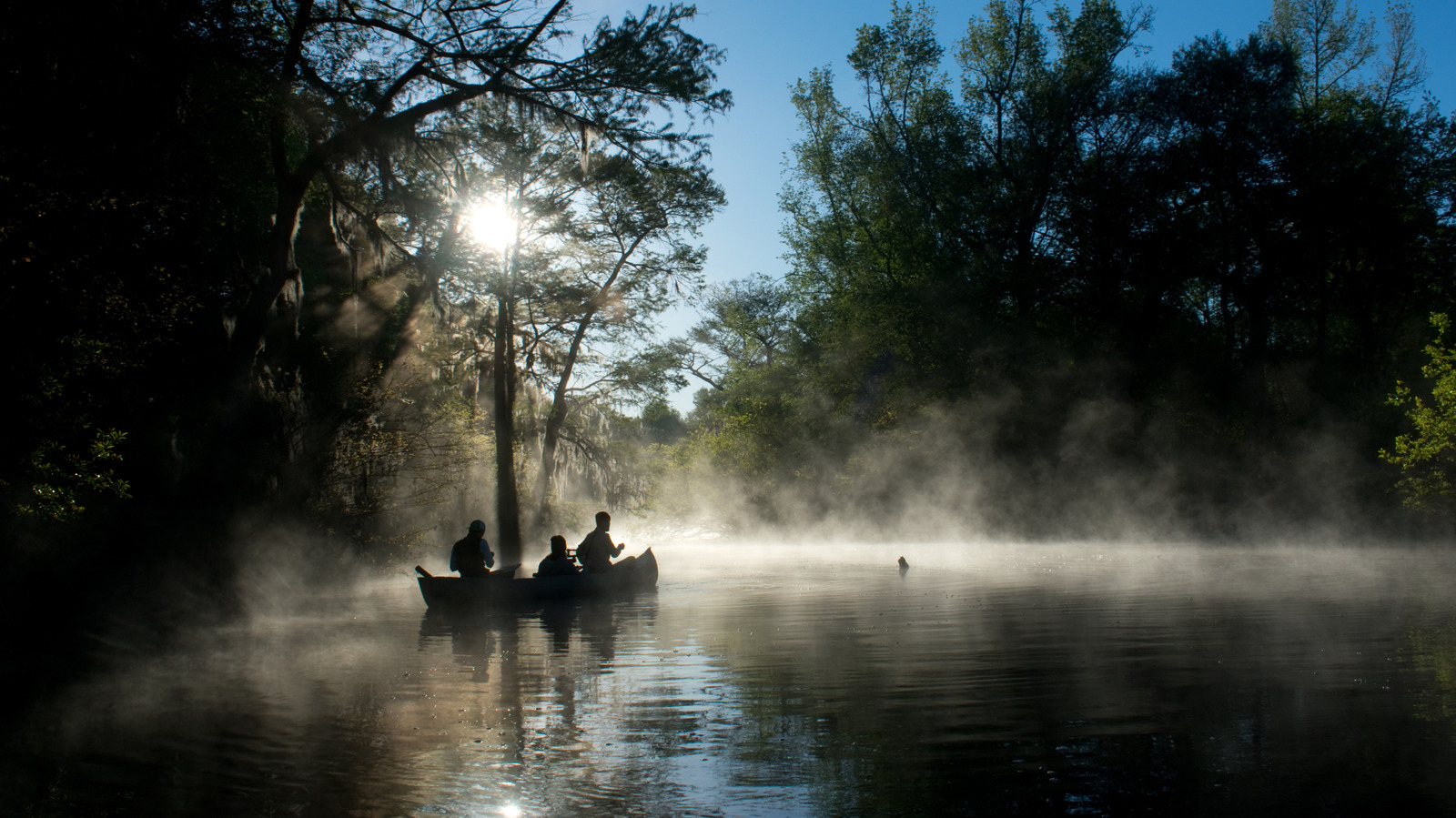
The future of Rincon’s tourism economy is closely tied to the preservation of its natural assets, most notably Ebenezer Creek and the surrounding wetlands. Local conservation groups are actively working with county commissioners to ensure that increased recreational interest does not compromise the ecological integrity of these blackwater ecosystems.
Paddling infrastructure, such as the Tommy Long Landing, has seen steady maintenance to support non-motorized watercraft access. Simultaneously, partnerships with specialized outfitters like Backwater Expeditions ensure that visitors receive guided, low-impact educational tours that highlight the delicate balance of the cypress-tupelo swamp environment.
Infrastructure and Dining Evolution
To accommodate the steady trickle of outdoorsmen, history enthusiasts, and budget-minded families, Rincon’s commercial landscape is evolving organically. Locally owned culinary establishments—ranging from casual seafood shacks to authentic Southern smokehouses—are gaining regional recognition via digital travel platforms, signaling a shift toward culinary tourism in the suburb.
Looking ahead, regional transportation planners are evaluating roadway enhancements along the GA-21 corridor to ensure smooth transit between Effingham County and the booming industrial and port sectors of Savannah. For the traveler, this translates to continued ease of access: the ability to commune with nature on a pristine blackwater creek in the morning, dine on fresh Lowcountry seafood at noon, and walk the haunted, gas-lit cobblestone streets of Savannah by night.
Essential Travel Itinerary & Recommendations
To maximize a visit to Rincon and its surrounding coastal environment, travelers should consider the following curated itinerary:
1. Immerse in Nature on Ebenezer Creek
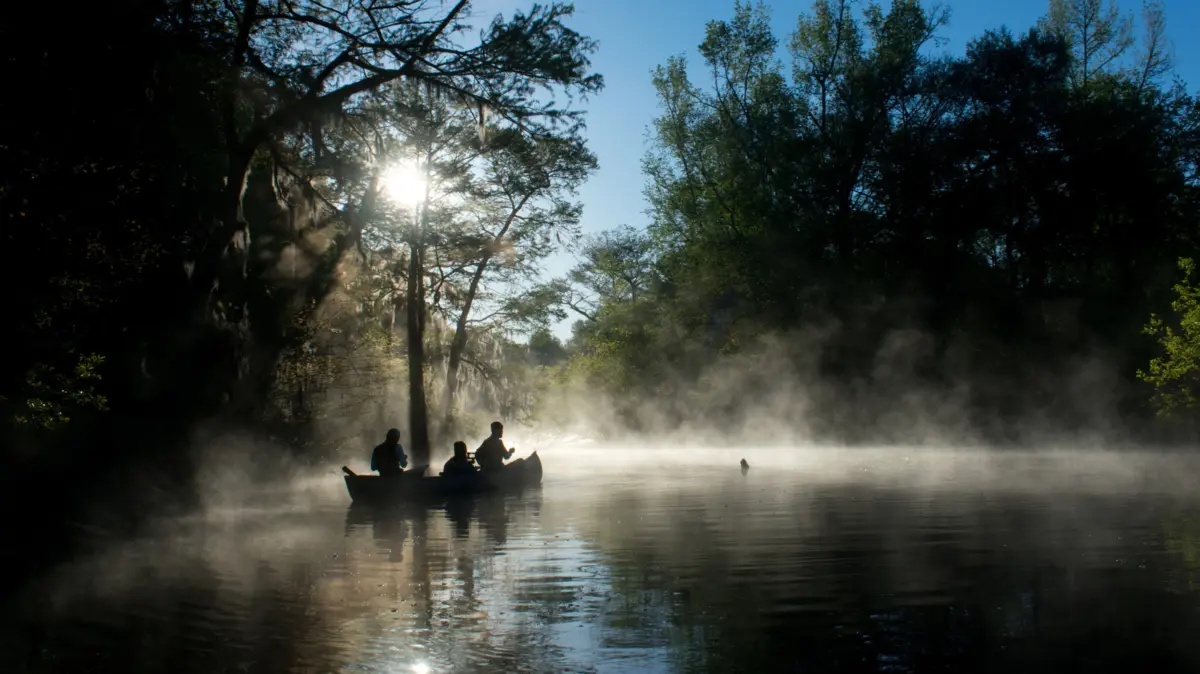
Begin your morning early at the Tommy Long Landing. Launch a canoe or kayak into Ebenezer Creek, a 13-mile backwater tributary of the Savannah River. Paddle silently beneath a towering canopy of ancient cypress and tupelo trees draped in Spanish moss. Keep your binoculars ready for ospreys, wood ducks, and elusive wading birds. If you prefer expert guidance, book a half-day excursion with Backwater Expeditions.
2. Step Back in Time at New Ebenezer
Drive out to the Jerusalem Lutheran Church and the Georgia Salzburger Society Museum. Walk the hallowed grounds where religious refugees established their utopian settlement nearly three centuries ago. Take time to inspect the architecture of the red-brick church, which miraculously survived the tumult of the American Civil War.
3. Expand Your Wildlife Horizons at the Savannah National Wildlife Refuge
Situated just west of Rincon, this expansive 30,000-acre refuge is a sanctuary for diverse regional fauna, including American alligators, bobcats, and migratory waterfowl. Stop first at the visitor center in Hardeeville, South Carolina, then drive the scenic 4.5-mile Laurel Hill Wildlife Drive for unparalleled wildlife photography opportunities.
4. Savor Local Lowcountry Flavors
Conclude your day by sampling Rincon’s unpretentious culinary scene. Pull up a chair at The Tin Fin Restaurant to enjoy regional classics like shrimp and grits, a traditional Lowcountry seafood boil, or lump crab cakes. For hearty home-style Southern cooking, visit Ms. Jeans Restaurant for legendary fried chicken, or head to 108 Alehouse for elevated pub fare and craft brews.
5. Day-Trip to Savannah’s Riverfront and Historic Core
With Rincon sitting merely 30 minutes away, cap off your trip with an evening in Savannah. Stroll along historic River Street, explore the eclectic local shops, and book a ghost tour that features historical landmarks like The Pirates’ House—a legendary tavern dating back to 1753 that inspired Robert Louis Stevenson’s Treasure Island and offers a legendary blend of Southern cuisine and supposed paranormal activity.
By stepping slightly off the beaten path, travelers to coastal Georgia will discover that Rincon is far more than a convenient suburb—it is an essential, highly rewarding chapter of the Southern travel story.