






Executive Overview
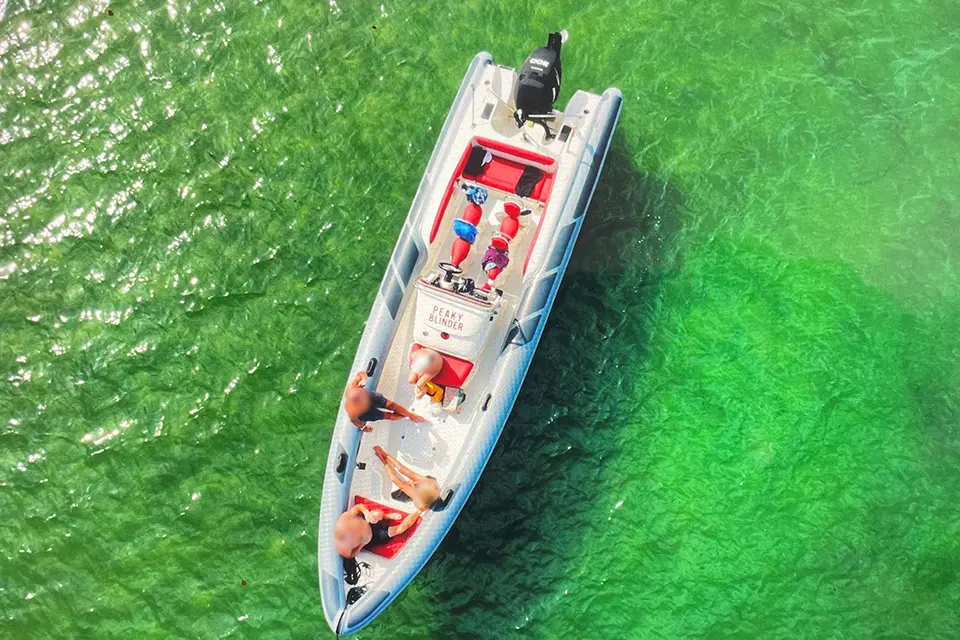
Maritime safety authorities have issued a stark warning regarding alcohol consumption among recreational boaters following the publication of a comprehensive accident investigation report. The document, released by the Marine Accident Investigation Branch (MAIB), scrutinizes the fatal allision of the rigid inflatable boat (RIB) Peaky Blinder with a concrete navigation beacon in Portsmouth Harbour, England. The high-speed impact, which occurred on August 14, 2025, resulted in the tragic deaths of two individuals on board.
The incident has reignited a fierce, long-standing debate within the British maritime community concerning the absence of statutory alcohol limits for recreational vessel operators. While commercial mariners face strict, legally binding blood alcohol concentration (BAC) thresholds, leisure boaters operate in a regulatory grey area. Commercial vessels are governed by the Railways and Transport Safety Act 2003, which sets a limit of 0.02g/210L for breath, 0.09g/100ml for blood, and 0.067g/100ml for urine—roughly one-quarter of the drink-drive limit for motorists. However, these specific provisions historically applied only to those operating commercial vessels or individuals carrying passengers for hire or reward, leaving recreational skippers largely unpoliced regarding voluntary sobriety.
Chief Inspector of Marine Accidents Rob Loder did not mince words in his commentary accompanying the report. Highlighting the undeniable link between substance consumption and catastrophic maritime incidents, Loder issued a direct call to action for regulatory reform. The MAIB’s findings suggest that the Peaky Blinder tragedy was not merely an isolated navigational error, but the catastrophic culmination of impaired decision-making, high speed, and inadequate passage planning in a congested and hazardous waterway. As the maritime sector digests the findings, pressure is mounting on policymakers to close legislative loopholes that treat drinking and steering a high-powered vessel differently from driving a car.
Detailed Chronology of the Incident
To fully understand the sequence of events that led to the fatal allision on August 14, 2025, investigators reconstructed the final hours of the Peaky Blinder and its occupants prior to the crash in Portsmouth Harbour.
Pre-Voyage Activities and Vessel Details
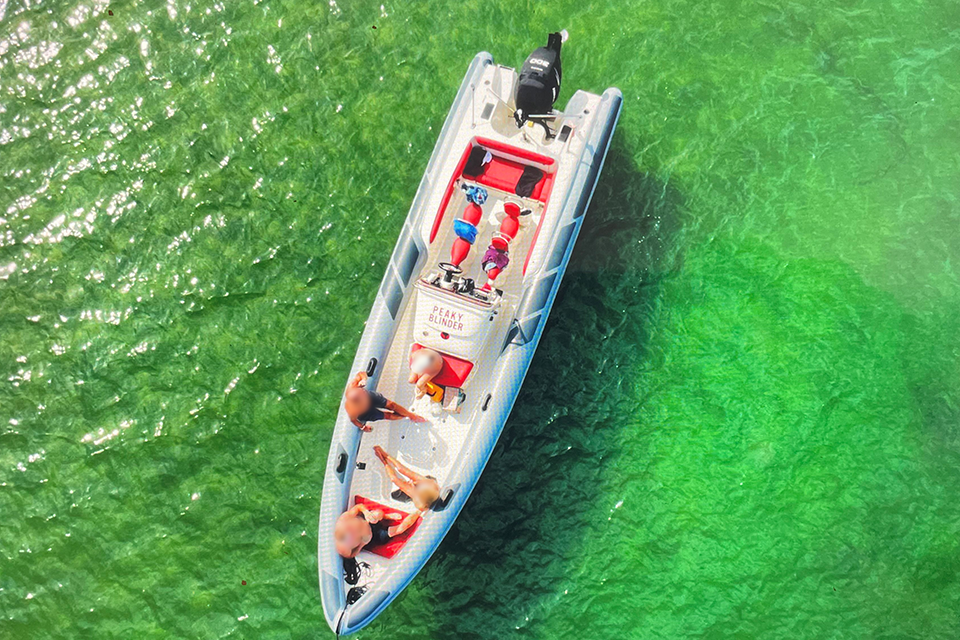
The Peaky Blinder was a high-performance rigid inflatable boat, a type of craft prized for its speed, maneuverability, and agility on the water. Equipped with powerful outboard engines capable of generating high velocities, the RIB demanded a high level of operational competence, situational awareness, and disciplined navigation, particularly within constrained coastal waters.
On the afternoon of August 14, the vessel was being utilized for recreational purposes. Historical data gathered during the investigation indicated that the occupants had spent time ashore earlier in the day, during which alcohol was consumed. While the exact volume consumed by the operator remains a focal point of the technical findings, post-incident toxicology and witness accounts confirmed that intoxication played a definitive role in degrading the operator’s cognitive functions, reaction times, and risk assessment capabilities.
Departure and Transit into Portsmouth Harbour
As the afternoon progressed, the Peaky Blinder entered the dynamic and heavily trafficked expanse of Portsmouth Harbour. Known as one of the United Kingdom’s premier naval ports, the harbour presents a complex navigational environment. It features commercial ferry terminals, cross-channel traffic, active Royal Navy warships, fishing vessels, and a dense population of leisure craft, all operating within closely monitored commercial shipping lanes and shallow tidal channels.

Navigating this environment safely requires meticulous chartwork, adherence to local port bye-laws, and constant visual and radar monitoring. As the RIB transited the harbour area, it accelerated significantly. Weather and sea state conditions at the time were reported as generally favorable, ruling out environmental factors such as severe swell or restricted visibility as primary catalysts for the collision. Instead, investigators focused on human factors: speed, inattention, and impairment.
The Impact with the Navigation Beacon
At high speed, the Peaky Blinder deviated from safe navigable water and headed directly toward a fixed concrete navigation beacon—a stationary structure designed to mark channel boundaries and warn mariners of shallow hazards. Because of the vessel’s high velocity and the operator’s delayed reaction time, no evasive maneuvers were executed in the critical seconds preceding the crash.
The allision was catastrophic. The rigid hull and superstructure of the RIB struck the unyielding concrete structure with tremendous kinetic energy. The force of the impact compromised the structural integrity of the vessel, instantly throwing the occupants forward and subjecting them to unsurvivable deceleration trauma.
Emergency services, including the Ministry of Defence Police, Hampshire Constabulary, and local harbour master patrols, responded swiftly to distress calls from witnesses on the shore and nearby vessels. Paramedics and rescue personnel arrived on the scene rapidly, administering emergency first aid and attempting resuscitation. Tragically, despite the immediate deployment of rescue assets, two individuals sustained fatal injuries as a direct result of the collision. The severity of the impact rendered immediate medical intervention ineffective for the victims, casting a dark shadow over the bustling Hampshire port.
Supporting Context & Metrics: The Hazards of High-Speed RIBs and Recreational Boating
The Peaky Blinder disaster is part of a broader, troubling trend concerning the safety of high-speed recreational craft in British coastal and inland waters. To contextualize the MAIB’s findings, it is essential to examine the intersection of vessel capabilities, human physiology, and regulatory oversight.
The Physics and Risks of Rigid Inflatable Boats
Rigid inflatable boats have experienced a massive surge in popularity among private owners over the past two decades. Combining a flexible, inflatable collar with a rigid, deep-V fiberglass or aluminum hull, modern RIBs are capable of achieving speeds well in excess of 30 knots. Originally developed for military, search-and-rescue, and commercial applications, these craft offer exceptional sea-keeping abilities. However, this very capability masks inherent dangers.
When operated at high speeds, a RIB requires absolute concentration from the helm. Obstacles, navigational markers, and other vessels approach at a rapidly accelerated rate. A driver operating under the influence of alcohol experiences diminished visual acuity, reduced peripheral vision, impaired ability to judge distances, and a dangerously inflated sense of confidence. When alcohol is combined with the motion sickness-inducing movement of a marine environment, the cognitive deficits are further exacerbated.
Statistical Overview of Maritime Incidents Involving Alcohol
While commercial maritime operations are heavily scrutinized under international and domestic safety management systems, the recreational sector remains largely self-regulated. According to historical data from the MAIB and the Royal National Lifeboat Institution (RNLI), alcohol is a contributory factor in a disproportionate number of fatal recreational boating accidents.
- Impaired Reaction Times: Alcohol consumption equivalent to just two pints of beer can increase a mariner’s reaction time by up to 30%, which at 25 knots translates to moving dozens of additional feet blindly before executing a turn.
- Thermoregulation and Survival: In the event of a person overboard situation—a frequent secondary risk in RIB allisions—alcohol accelerates the onset of cold water shock and hypothermia by dilating blood vessels, drastically shortening the window for rescue.
- The Regulatory Gap: While driving a car on public roads with a blood alcohol concentration over the legal limit carries severe criminal penalties, including imprisonment and driving bans, operating a leisure boat under similar conditions lacks direct, dedicated statutory enforcement mechanisms in many jurisdictions across the UK.
Official Statements and Institutional Responses
The publication of the MAIB accident investigation report has triggered widespread discussion across government agencies, maritime safety charities, and recreational boating associations.
Chief Inspector Rob Loder’s Perspective
Chief Inspector Rob Loder’s official statement underscores the urgency with which the marine safety community views the issue of substance use on the water. Loder noted:
"It is well understood that consumption of alcohol results in an elevated risk of having an accident. The introduction of alcohol limits for recreational boaters has been the subject of previous MAIB recommendations. It is to be hoped that action will now be taken, such that fatal accidents in which excessive alcohol consumption is a contributing factor become a thing of the past."
Loder’s words carry the weight of an organization dedicated to preventing recurrence rather than apportioning blame. By pointing directly to previous unheeded recommendations, the MAIB is applying moral and institutional pressure on legislators to bridge the legislative gap that treats the helm of a high-powered boat differently from the steering wheel of an automobile.
Industry and Stakeholder Reactions
In the wake of the report, representatives from organizations such as the Royal Yachting Association (RYA) and maritime rescue services have weighed in on the complex debate surrounding statutory limits. While mainstream boating bodies universally condemn operating vessels under the influence of alcohol or drugs, some have historically debated the enforcement logistics of random breath-testing on the water.
However, incidents like the Portsmouth Harbour tragedy strengthen the argument that voluntary codes of conduct are insufficient. Safety advocates argue that clear, enforceable legal limits provide shipmasters with an unambiguous standard of behavior and empower marine law enforcement agencies—such as the National Maritime Information Centre, Border Force, and local harbour police—to intervene before lives are lost.
Future Outlook: Navigating Toward Safer Waters
As the maritime community reflects on the findings of the Peaky Blinder investigation, the focus shifts decisively toward preventive measures, educational outreach, and potential legislative reform.
Potential for Legislative Reform
The core recommendation emerging from the MAIB report is the establishment of statutory alcohol limits for recreational boaters. Implementing such a measure would require parliamentary action to amend existing transport safety legislation or introduce dedicated marine safety bills. Proponents of this reform argue that a statutory limit would:
- Establish a clear legal benchmark for law enforcement officers.
- Act as a powerful psychological deterrent against drinking and boating.
- Bring maritime safety regulations into alignment with international standards and road traffic laws.
Opponents or skeptics of new legislation often point to the enforcement challenges inherent in policing vast expanses of coastline. Yet, advocates counter that Portsmouth Harbour and similar busy waterways already possess active port authorities and police units capable of targeted enforcement during peak leisure boating seasons.
Educational Campaigns and Cultural Shift
Beyond legislation, fostering a long-term cultural shift within the recreational boating community is vital. Just as the designated driver concept became socially ingrained in motoring culture during the late 20th century, a similar "designated skipper" ethos must be championed across yacht clubs, marinas, and boating academies.
Safety campaigns spearheaded by organizations like the RNLI and the Maritime and Coastguard Agency (MCA) will likely leverage the Peaky Blinder report to educate skippers on the hidden dangers of impairment. Training syllabi for basic powerboat and day skipper qualifications are expected to place an even heavier emphasis on human factors, fatigue management, and strict zero-tolerance policies regarding alcohol before and during operation.
Conclusion
The tragic allision in Portsmouth Harbour on August 14, 2025, serves as a sobering reminder of the unforgiving nature of the marine environment. The Peaky Blinder accident report is more than a retrospective analysis of a single event; it is a vital blueprint for future safety. By confronting the uncomfortable reality of alcohol consumption on the water and heeding the recommendations of the Marine Accident Investigation Branch, regulators, manufacturers, and recreational boaters alike can honor the memory of the victims by working to ensure that such preventable tragedies are permanently relegated to the past.