








Executive Overview
For nearly a quarter of a century, the whitewater paddling industry has suffered from a lingering identity crisis. Ever since participation rates peaked around the turn of the millennium—coinciding with the aging out of the Boomer generation—paddle sports marketing has undergone a systematic dilution. In an effort to broaden their demographic appeal, outfitters, gear manufacturers, and media outlets have increasingly shied away from the raw, intimidating nature of the sport. Instead, they have traded dramatic drops and churning hydraulics for sanitized imagery: smiling students in calm eddies, gentle Class II riffles, and wellness-retreat aesthetics.
Yet, data and on-the-ground observations suggest this risk-averse pivot may be missing the mark. By attempting to placate the hesitant and erase the inherent fear associated with fast-moving water, the industry risks alienating the very demographic it needs most: individuals naturally drawn to edge-of-your-seat adventure, rebellion, and calculated risk.
This investigative report examines the historical decline of whitewater participation, the psychology of marketing extreme sports, and why returning to an authentic, unvarnished pitch might be the key to revitalizing the sport for a new generation.

Detailed Chronology: The Evolution of Whitewater Marketing
To understand how whitewater paddling arrived at its current promotional crossroads, one must trace the arc of the sport’s public image over the last thirty years.
The Golden Era and the Peak of 2001
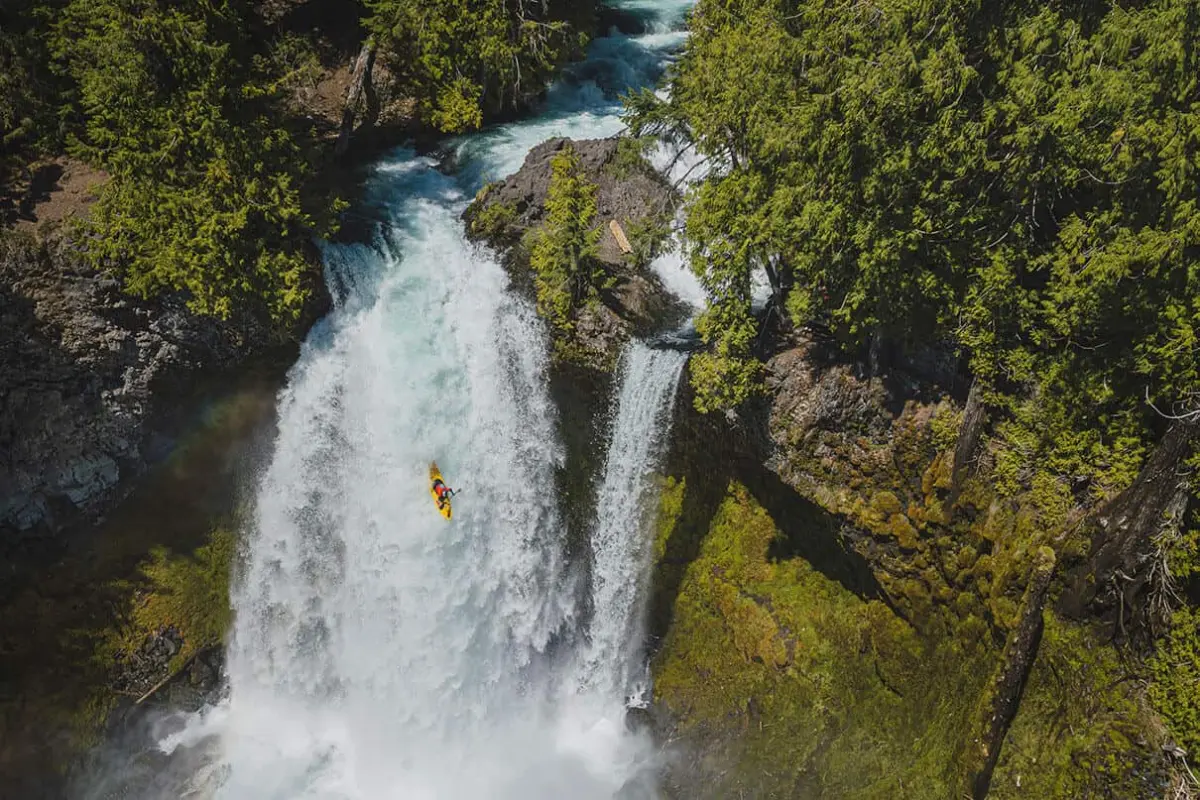
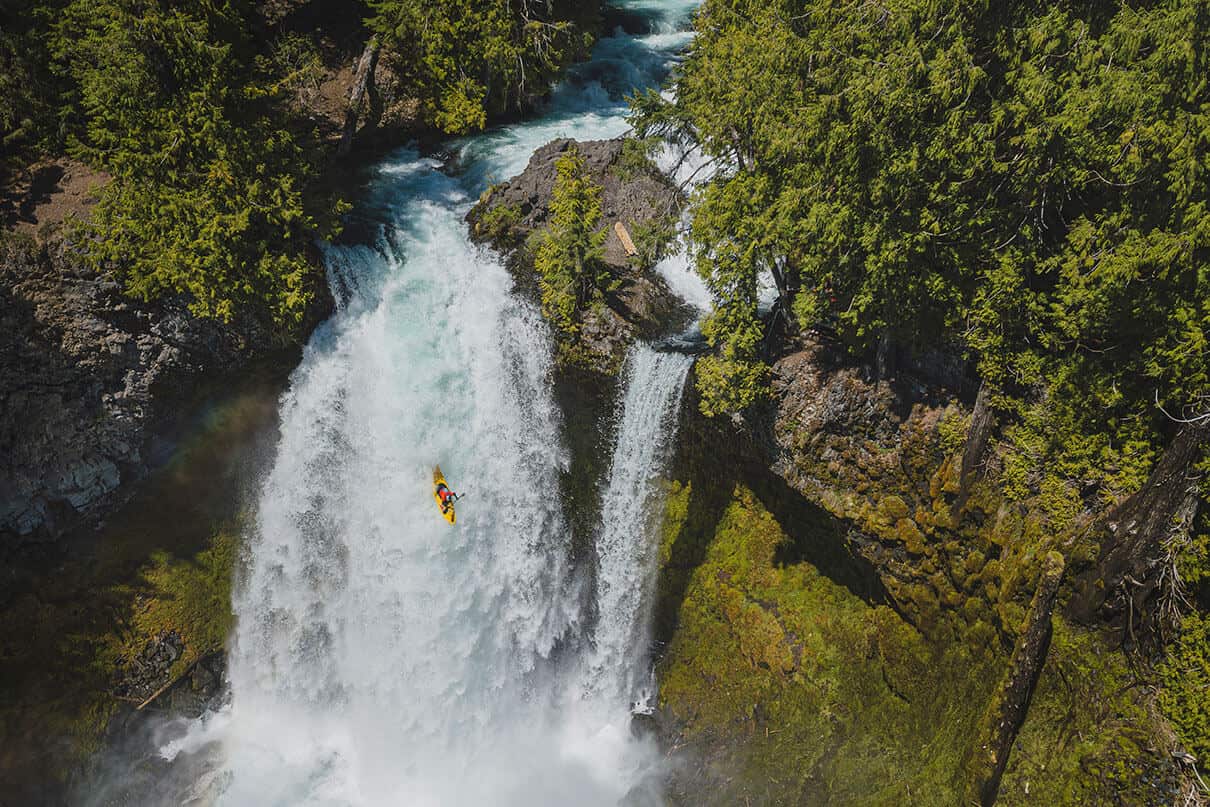
During the late 1980s and 1990s, whitewater kayaking experienced a booming subculture defined by exploration, heavy-duty polyethylene boats, and an unapologetically extreme aesthetic. Videos and magazines regularly featured paddlers hucking waterfall drops and challenging steep, remote canyons. Participation numbers peaked around 2001, heavily propelled by adventure-seeking outdoor enthusiasts. However, as the core demographic aged, growth stagnated.
The Shift Toward Sanitized Safety
Faced with declining conversion rates among the general public, the industry panicked slightly. Rather than leaning into the sport’s thrilling core, marketing strategies pivoted toward risk mitigation. Outfitters and paddling schools began emphasizing comfort, safety, and accessibility.
- The "Class II Cool" Campaign: Figures like whitewater Olympian, instructor, and author Kent Ford traveled across North America attempting to rebrand mellow river sections as approachable and trendy. While well-intentioned, these campaigns frequently stripped away the adventurous narrative.
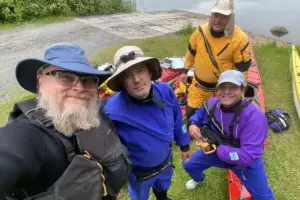
- The Yoga-Retreat Aesthetic: Instructional brochures increasingly featured idyllic photography: students shoulder-to-shoulder in serene eddies, sharing paddle high-fives over gourmet riverside lunches, while avoiding any visual acknowledgment of the sport’s steeper, more consequential side.
- Editorial Self-Censorship: Editors across outdoor and paddling publications faced mounting internal pressure to tone down action photography, replacing jaw-dropping waterfall sequences with passive, non-threatening cruiser shots.
Supporting Context & Metrics: The Ski Industry Contrast
To contextualize the missteps of whitewater marketing, one only needs to look across the mountain to a parallel outdoor industry that managed its image quite differently: alpine skiing and snowboarding.

The Aspirational Blueprint of Winter Sports
Imagine if ski magazines stopped publishing high-adrenalized photographs of legendary athletes like Glen Plake, Scot Schmidt, or Ingrid Backstrom carving down spine-tingling Alaskan faces. Imagine attending a premiere of a ski film shot exclusively on wide, rolling green groomers—or worse, utilizing an image of a beginner awkwardly snowplowing next to a magic carpet conveyor to sell the lifestyle.
While anyone can learn to snowplow on a bunny hill, nobody buys a ski pass because of the bunny hill.
- The Aspirational Hook: Skiing succeeds because it sells a fantasy of mastery, speed, and gravity-defying grace. Beginners accept that they will start on the bunny hill, but they stay because they are inspired by the peaks above.
- The Whitewater Inversion: Conversely, whitewater marketing has spent two decades trying to convince prospective participants that they will never have to leave the bunny hill equivalent—the gentle eddy. By reassuring novices that the sport isn’t scary, the industry inadvertently strips away the very badge of honor that makes outdoor adventure culturally compelling.
Official Perspectives: The Bartender, the Barista, and the Breakdown
The disconnect between market messaging and consumer perception is vividly illustrated at ground level in mountain towns like Revelstoke, British Columbia.
Consider Megan, a local bartender at popular establishment The Den and an accomplished, highly capable snowboarder. When asked by outdoor journalists if she paddles whitewater, her response is immediate and visceral: "Too scary."
When seasoned paddlers respond to this apprehension using the standard playbook—reciting decades-old talking points about rolling in a swimming pool, mastering hip snaps, and reassuring her that not all rivers are 30-foot waterfalls—the pitch consistently falls flat.
"Yeah, my boyfriend said the same things," Megan notes while clearing empty glasses, signaling an immediate wall of polite disinterest.
She isn’t biting, and statistically speaking, neither are most prospective converts targeted by sanitized outreach. The conversion rate of turning risk-averse skeptics into core whitewater enthusiasts through comfort-first messaging remains low. More importantly, this demographic engineering risks alienating the bold, adventurous personalities who thrive on challenge and naturally seek out high-consequence environments.
Future Outlook: Redefining the Pitch for a New Era
If the past twenty-five years of watered-down marketing have yielded flat participation metrics, the path forward requires a fundamental recalibration of how the paddling community presents itself to the world.
1. Ditching the Apologetic Narrative
It is time to stop apologizing for the fact that moving water is inherently powerful and, yes, a little terrifying. Fear is not a bug in outdoor adventure sports; it is a feature. It is the catalyst for focus, flow state, and personal transformation. Rather than masking the danger, the industry should frame it as a challenge to be mastered through skill, community, and respect for nature.
2. Discovering True Motivations
Paddling schools and brands must begin asking foundational questions of newcomers. Instead of assuming every beginner is motivated purely by safety and relaxation, market researchers need to unearth what genuinely draws individuals to the riverbanks.
- Do they harbor dreams of exploring remote wilderness corridors?
- Are they seeking the dynamic thrill of surfing river waves?
- Do they want to run technical rapids, or push performance boundaries?
Whatever those raw, authentic motivations are, they need to be placed front and center in promotional media.
3. Preserving the Fun of the Journey
None of this requires dismantling the foundational teaching methods that keep paddlers safe. Introductory courses will—and should—still take place on manageable Class II river sections. Students will still wobble, flip on their first eddylines, and make mistakes just as generations before them did. There will still be big, splashy smiles, capsized boats, and triumphant paddle high-fives.
The difference moving forward will be the context of those high-fives. They should not represent a safe, sanitized escape from danger, but rather the exhilarating first steps into a wild, untamed world. By embracing the authentic, heart-pumping reality of whitewater, the paddling community can finally stop apologizing for its nature and start inspiring the next generation of river runners.