For generations, ordering a pint in the United States meant choosing from a predictable, highly consolidated lineup of macro-brewed lagers. Brands like Guinness, Budweiser, Pabst Blue Ribbon, and Rolling Rock dominated refrigerators, neighborhood taverns, and television commercials. Today, however, the American landscape looks profoundly different. Driven by a craft beer renaissance that began gathering serious momentum in the late 20th century, the nation boasts more than 9,500 independent breweries.
Beer tourism has evolved from a niche hobby into a multi-billion-dollar economic engine. Travelers no longer just visit cities for architecture, museums, or culinary scenes; they map entire itineraries around hyper-local microbreweries, barrel-aging programs, and historic brewing districts.
To evaluate which destinations truly reign supreme, Islands conducted a comprehensive ranking of 11 classic American beer cities, evaluating them from worst to best. This evaluation looked far beyond simple bragging rights. Methodologies weighed critical metrics such as:
The integration of municipal beer trails, tours, and passport initiatives
National accolades, awards, and the presence of industry-defining flagship breweries
While every destination on this list offers a commendable pint, the structural differences in their infrastructure, historical preservation, and present-day output ultimately separate the contenders from the champions.
Detailed Chronology: From Colonial Taverns to Modern Microbreweries
American beer history is inextricably linked to the waves of immigration, industrialization, and legislative shifts that shaped the country. Understanding how these 11 cities earned their classic status requires a chronological lens that spans nearly four centuries.
The Colonial Foundation (17th to 18th Century)
The roots of American communal drinking culture took hold in New England. In 1634, Cole’s Inn opened its doors in Boston, Massachusetts, widely recognized as the very first tavern in the American colonies. These early establishments served as the social and political hubs of colonial life, where fermented beverages were safer to consume than untreated local water.
The Immigrant Wave and Industrial Giants (19th Century)
By the mid-19th century, the influx of European immigrants—particularly Germans fleeing the 1848 revolutions—transformed the domestic brewing landscape. Bringing advanced lagering techniques, bottom-fermenting yeasts, and a deep-seated cultural reverence for beer, German immigrants established epicenters of production in the Midwest and Mid-Atlantic.
Milwaukee exploded into the "Beer Capital of the World," anchored by industrial behemoths like Pabst, Blatz, Miller, and Schlitz.
Cincinnati and Denver similarly capitalized on local geography (pure water sources and subterranean lagering caves) and immigrant know-how to lay the groundwork for commercial brewing empires like Coors.
Prohibition and the Dark Ages (1920–1933)
The Eighteenth Amendment and the subsequent era of Prohibition dealt a catastrophic blow to the American brewing industry. Thousands of independent breweries closed permanently, and only the most resilient operations—those that pivoted to producing near-beer, malt extracts, or completely non-alcoholic goods—survived the dry years.
The Craft Revolution (1970s–1990s)
The modern craft beer movement arose as a direct rebellion against the homogenized, mass-produced light lagers of the mid-20th century. Legislative milestones, such as Oregon legalizing brewpubs in 1985, paved the way for independent producers to sell beer directly to consumers on-site. Pioneers like Founders Brewing Company in Grand Rapids (1997), Highland Brewing in Asheville (1994), and Allagash in Portland, Maine, sparked local movements that eventually exploded into the nationwide craft explosion seen today.
Detailed Rankings: The 11 Classic Beer Cities, Ranked Worst to Best
11. Milwaukee, Wisconsin
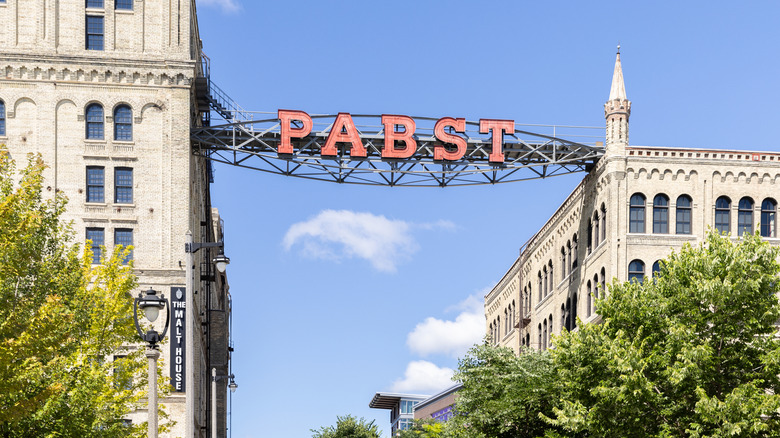
No American city can claim a more storied, foundational beer lineage than Milwaukee, yet it sits at the bottom of our list. In the 19th century, when the local population hovered around 45,000, Milwaukee boasted upwards of 35 breweries. Driven by German immigrants, the city gave rise to the "Big Four": Pabst, Blatz, Miller, and Schlitz.
Today, this heritage is preserved through historical tours, the Museum of Beer and Brewing, and immersive overnight stays at the Brewhouse Inn & Suites (situated inside the original Pabst Brewery). Contemporary standouts like Indeed Brewing Company keep creativity alive. However, Milwaukee’s present-day craft infrastructure lags behind. It fails to crack the top 25 cities for breweries per capita, and its modern festival scene lacks the national pull found in other markets.
10. Boston, Massachusetts
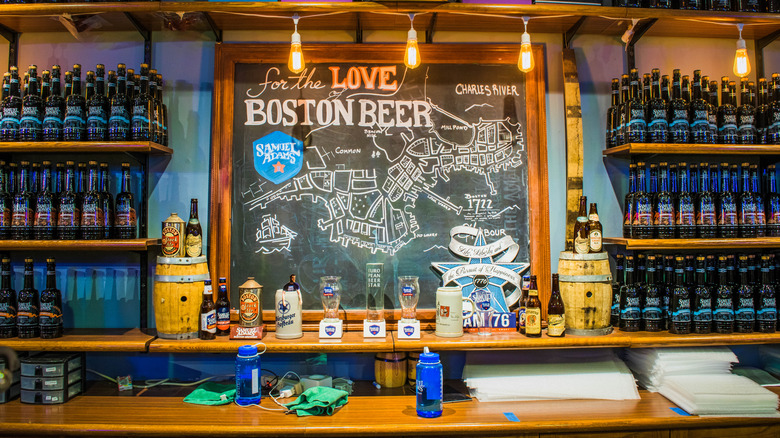
Boston’s historical footprint is undeniable. Home to America’s earliest tavern culture and more than 45 diverse modern breweries, the city balances historic watering holes like Bukowski Tavern and Row 34 with heavy hitters like Samuel Adams, Harpoon Brewery, and Trillium Brewing.
Despite boasting historic institutions and cutting-edge wild ale producers, Boston misses the top 25 per-capita list. Furthermore, it lacks a universally recognized, massive-scale national beer festival, keeping it in the lower tier of this ranking.
9. Pittsburgh, Pennsylvania
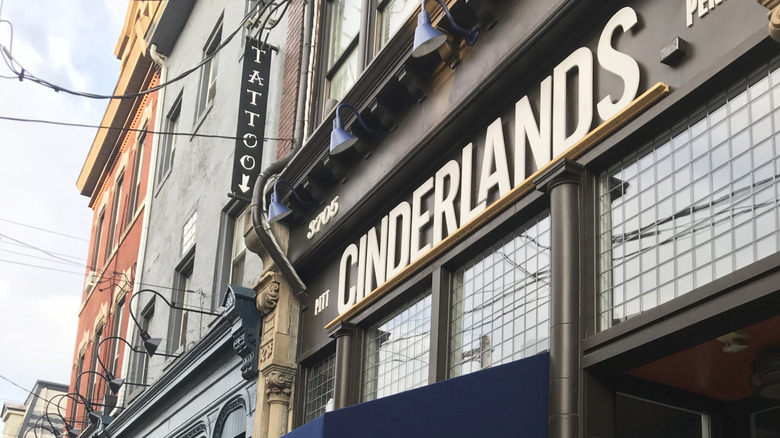
For the budget-conscious traveler, Pittsburgh is a paradise. Studies indicate that the average beer in the Steel City is roughly 38 cents cheaper than the national average. With a vibrant density of over 24 bars per 100,000 residents—featuring spots like The Library and Independent Brewing Company—the city pulses with an active pub-going culture.
While Pittsburgh houses more than 60 breweries, many operate on a smaller neighborhood scale rather than commanding national distribution. Standouts like Dancing Gnome Brewery (celebrated for IPAs) and Strange Roots Experimental Ales (pioneering native sours) make it a deeply rewarding, affordable destination for local exploration.
8. Cincinnati, Ohio
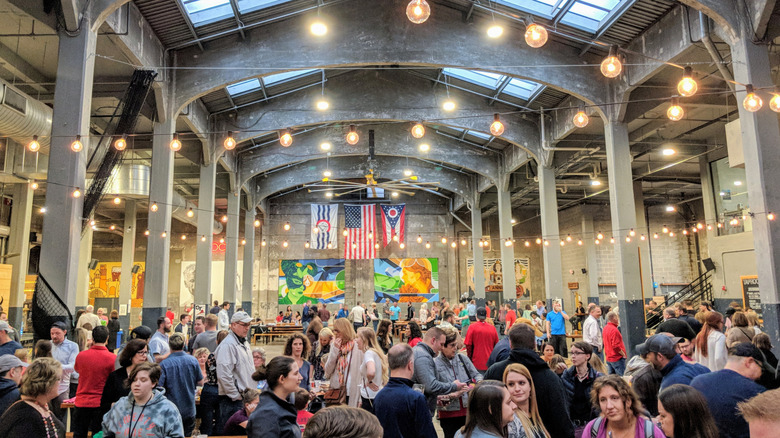
Boasting six breweries per 50,000 residents, Cincinnati sits comfortably inside the top 25 U.S. cities for breweries per capita. Its deep German roots manifest annually in Oktoberfest Zinzinnati, which drew over 800,000 attendees, cementing it as the largest Oktoberfest celebration in the country.
Guided excursions like the "Built on Beer" tour blend local architecture with brewing history, while production powerhouses like Rhinegeist anchor a vibrant taproom culture. While its local scene is robust, Cincinnati breweries lack the widespread brand recognition of cities further up the list.
7. Grand Rapids, Michigan
Affectionately dubbed "Beer City USA," Grand Rapids bridges Midwestern charm with world-class brewing infrastructure. Home to nearly 40 breweries—including Founders Brewing Company, which turbocharged the local movement in 1997—the city ranks 13th nationally in breweries per capita.
Visitors can navigate the local ecosystem using the Beer City Ale Trail or the "Beer City Brewsader" passport program to explore thematic gems like Mitten Brewing (baseball-themed) and Küsterer Brauhaus. While highly decorated by media outlets like Travel + Leisure and USA Today, its individual festival names haven’t achieved the mythical status of Denver’s premier events.
6. Portland, Maine
Portland, Maine, is globally celebrated as a culinary titan, holding roughly one restaurant for every 200 residents. Naturally, this gastronomic excellence extends to its brewing sector: Portland lays claim to the highest concentration of craft breweries per capita in America (18 per 50,000 residents).
The Riverton neighborhood serves as an incubator for icons like Allagash Brewing Company (a titan of Belgian-style ales) and Geary Brewing Company. While its annual Wavy Days Beer Fest showcases over 60 national breweries, the city’s multi-brewery tour options and festival scale remain somewhat regional compared to western giants.
5. Chicago, Illinois
The Windy City houses more than 160 breweries, making it one of the absolute largest urban beer markets in the United States. Chicago’s defining characteristic is its astonishing stylistic diversity. Producers like Off Color Brewing resurrect ancient, obscure beer styles, while Forbidden Root experiments with botanical infusions.
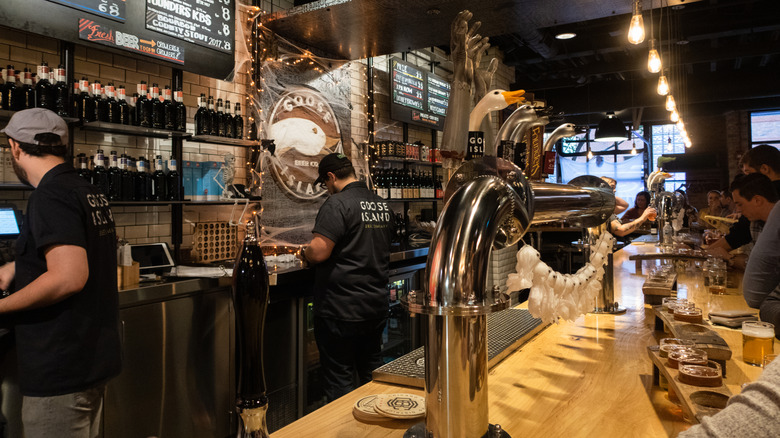
Major players like Goose Island and Revolution Brewing share the ecosystem with a fierce homebrewing culture anchored by groups like the Chicago Home Brewers Group. Anchored by heavy-hitting events like the Festival of Wood and Barrel-Aged Beers (FoBAB), Chicago is a colossal, endlessly diverse beer metropolis.
4. San Diego, California
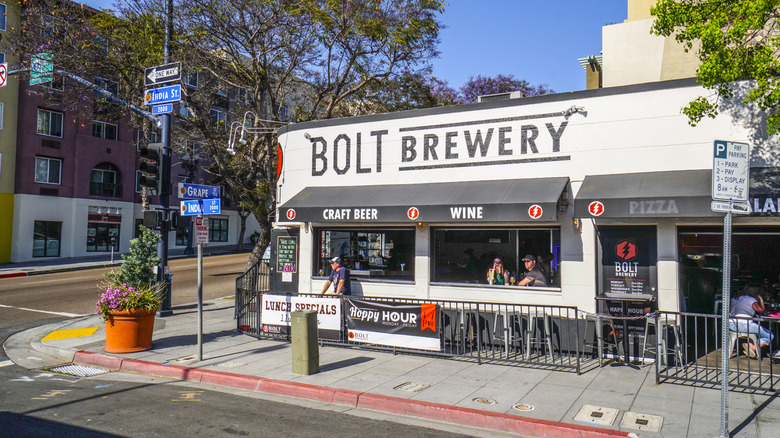
San Diego is synonymous with laid-back coastal culture and exceptional brewing, anchored heavily by vibrant neighborhoods like North Park. Innovation runs wild here: Belching Beaver Brewery produces peanut-butter-infused stouts, while Modern Times operates out of retro-themed taprooms adorned with vintage VHS tapes.
With nearly 50 commercial breweries collaborating through institutions like the Quality Ale and Fermentation Fraternity (operating since 1989) and major festivals like the Capital of Craft Beer Fest, San Diego treats brewing as both an art form and a lifestyle.
3. Denver, Colorado
Denver’s brewing destiny was written in the snow. The Mile High City’s pristine snowmelt water provides an ideal chemical profile for mashing and boiling, fueling nearly 70 local breweries that produce upwards of 200 distinct styles of beer.
Denver’s brewing roots run deep, anchored by the historic legacy of Coors in nearby Golden (established in 1873) and modern pioneers like New Belgium and Great Divide. Most importantly, Denver hosts the Great American Beer Festival (GABF)—the most prestigious and massive competitive beer event in the nation. This single event elevates Denver into the upper echelon of global beer tourism.
2. Portland, Oregon
Known universally as "Beervana," Portland, Oregon, secures the runner-up position with the eighth-highest per-capita brewery count in the nation and roughly 80 active operations within city limits.
Portland pioneered the modern brewpub model following state legislative changes in 1985, capturing an early lead in the craft revolution. Supported by Oregon’s prolific regional hop farming, the city embraces a continuous calendar of events, including Portland Beer Week and the Portland Holiday Brew Fest. Navigating the city is seamless thanks to robust tour infrastructure operated by City Brew Tours, BrewCycle, and BeerQuest.
1. Asheville, North Carolina
Claiming the crown as America’s ultimate classic beer city is Asheville, North Carolina. Boasting 17 breweries per 50,000 residents, Asheville holds the second-highest per-capita brewery density in the country, but it wins the top spot through unmatched walkability, community integration, and national acclaim.
Asheville is home to massive heavyweights and award-winning pioneers:
New Belgium Brewing Company chose Asheville for its premier eastern U.S. production facility.
Wicked Weed Brewing consistently racks up medals at the Great American Beer Festival.
Highland Brewing, established in 1994, originally sparked the modern regional movement.
The crown jewel of Asheville’s infrastructure is the South Slope Brewing District, a hyper-dense neighborhood where visitors can effortlessly walk between world-class producers like Burial Beer Co., Green Man Brewery, and Asheville Brewing. Bolstered by its historic multi-time wins as "Beer City USA," Asheville represents the absolute pinnacle of American beer tourism.
Supporting Context & Metrics
To provide quantitative clarity on how these destinations compare, the structural metrics governing this ranking highlight distinct regional advantages:
City
Estimated Breweries
Breweries Per Capita Rank
Flagship / Notable Breweries
Major Annual Festival
Asheville, NC
~50+
2nd in U.S.
New Belgium, Wicked Weed, Burial
Asheville Oktoberfest / Beer Week
Portland, OR
~80+
8th in U.S.
Deschutes, Widmer Brothers
Portland Beer Week, Holiday Brew Fest
Denver, CO
~70+
18th in U.S.
Coors, Great Divide, New Belgium
Great American Beer Festival (GABF)
San Diego, CA
~50+
Top 35
Modern Times, Belching Beaver
Capital of Craft Beer Fest
Chicago, IL
~160+
Regional Density
Goose Island, Revolution, Off Color
Festival of Wood and Barrel-Aged Beers
Portland, ME
~30+
1st in U.S. (per capita)
Allagash, Geary Brewing
Wavy Days Beer Fest
Grand Rapids, MI
~40+
13th in U.S.
Founders Brewing, Mitten Brewing
Beer City Open
Cincinnati, OH
~40+
25th in U.S.
Rhinegeist
Oktoberfest Zinzinnati
Pittsburgh, PA
~60+
Neighborhood Scale
Dancing Gnome, Strange Roots
Local Pub Crawls
Boston, MA
~45+
Regional Density
Samuel Adams, Harpoon, Trillium
Independent Tastings
Milwaukee, WI
~30+
Historical Scale
Pabst, Miller, Indeed Brewing
Historic Brewery Tours
Official Statements and Industry Perspectives
Industry leaders and municipal tourism boards have increasingly recognized beer tourism as a primary economic driver.
Representatives from the Brewers Association have repeatedly emphasized that the modern consumer values authenticity, hyper-local ingredients, and storytelling. In a statement regarding the evolution of craft markets, association analysts noted:
"The maturation of the American craft brewer is no longer just about opening doors in a garage; it is about embedding the brewery into the cultural fabric of the municipality, leveraging agricultural partnerships, and creating sustainable community spaces."
Tourism boards in top-ranking markets have echoed this sentiment. Officials from Explore Asheville highlighted the deliberate urban planning that made the South Slope district a success:
"By concentrating production spaces within walkable corridors, we transformed industrial zoning into a vibrant, pedestrian-friendly cultural district where beer lovers can experience the entire grain-to-glass journey on foot."
Future Outlook: Where American Beer Tourism is Heading
As the American craft beer industry matures past its hyper-growth phase into a period of strategic stabilization, the definition of a "classic beer city" continues to evolve.
Looking ahead, industry analysts project several key trends:
Hyper-Localization and Lagers: While the India Pale Ale (IPA) has dominated taps for two decades, brewers in cities like Cincinnati, Milwaukee, and Denver are seeing a massive resurgence in traditional German lagers, pilsners, and artisanal European styles.
Experiential Tourism: Cities that rely solely on high brewery counts will face stiffer competition. Future industry leaders will be defined by their ability to offer immersive experiences—such as barrel-aging blending classes, culinary pairing dinners, and seamless public transit or cycling infrastructure connecting disparate taprooms.
Sustainability and Sourcing: Municipalities that leverage regional agriculture—such as Oregon and Maine utilizing local hop fields and New England terroir—will capture the attention of discerning travelers seeking true regional expression in every pint.
Ultimately, whether you are walking the cobblestones of Asheville’s South Slope, exploring the historical lagering cellars of Cincinnati, or raising a glass at Denver’s monumental GABF, the American beer landscape offers an endless horizon of discovery for the modern hop head.