For decades, the Caribbean has been synonymous with homogenized mega-resorts, sprawling all-inclusive compounds, and sanitized itineraries. Yet, tucked away on the northeastern edge of the Lesser Antilles lies a striking anomaly: the French side of Saint Martin (Collectivité de Saint-Martin). Measuring a mere 20 square miles, this overseas collectivity of France manages to punch vastly above its weight class, functioning less as a conventional beach destination and more as a dynamic crossroads where European culinary heritage, West Indian warmth, and unhurried Caribbean lifestyle merge into a singular travel proposition.
From the smoking open-air grills (lolos) of Grand Case to the high-design yacht culture of Anse Marcel, the French territory offers an astonishing degree of diversity. Travelers can spend their morning traversing the dense tropical canopy atop Pic Paradis—the highest peak on the island at 1,391 feet—and their evening dissecting a multi-course, French-trained culinary masterpiece mere feet from the tide. Add to this an enviable collection of independent art galleries, world-class artisanal rum bars, and an accommodation ecosystem dominated not by monolithic chains, but by intimate boutique hotels and ultra-private luxury villas, and Saint Martin emerges as one of the most sophisticated, multi-faceted itineraries in the tropics.
This comprehensive editorial dispatch explores why the French side of Saint Martin demands a top-tier position on your Caribbean radar. We examine its culinary capitals, its pulse-raising outdoor adventures, its dynamic arts scene, and the distinct seasonality—including the unhurried rhythms of late summer—that shapes a journey to this remarkable dual-nation island.
Detailed Chronology: A Week-Long Blueprint of Contrast
To truly understand the French side of Saint Martin, one must abandon the rigid scheduling typical of mass-market tourism. The destination thrives on dynamic, spontaneous transitions. Here is how a masterclass in a seven-day, un-repeated itinerary unfolds across the collectivity.
Days 1 & 2: The Culinary Heart of Grand Case and the Magic of Pinel Island
Begin your exploration in Grand Case, universally recognized as the culinary capital of the Caribbean. By late afternoon, the lights along Boulevard de Grand Case flicker on, illuminating a narrow, pedestrian-friendly thoroughfare flanked by historic gingerbread-style houses, high-end boutiques, and restaurants that spill directly onto the sand.
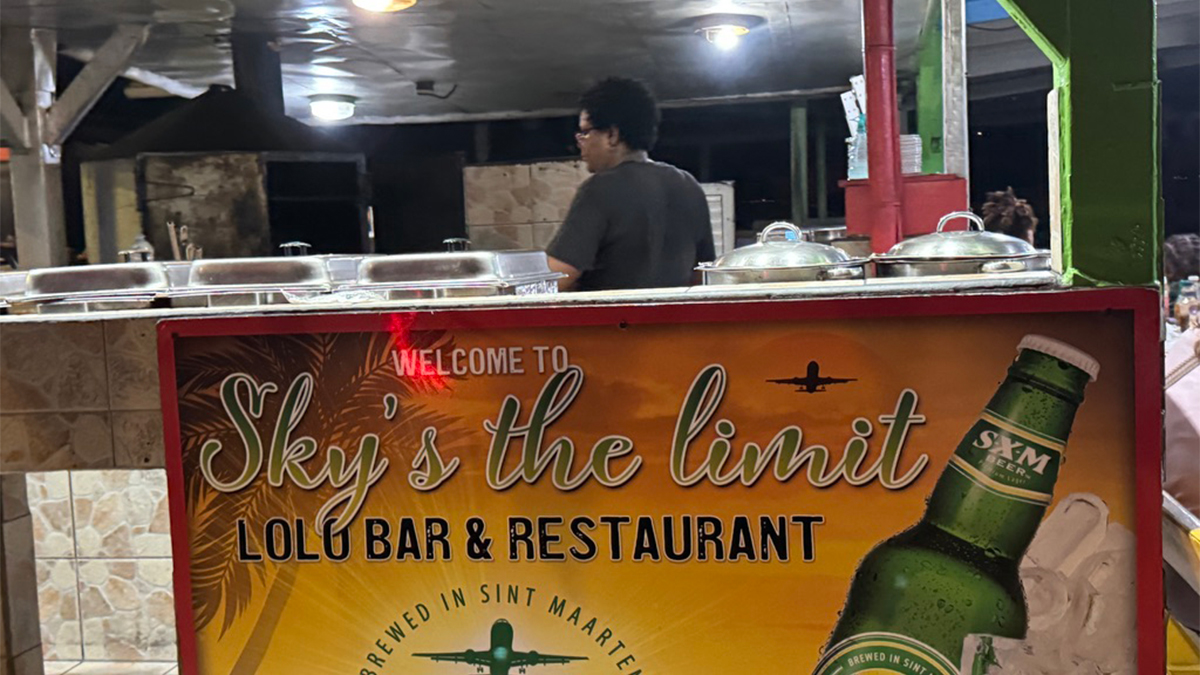
The High-Low Dining Dichotomy: A visitor can experience absolute gastronomic range within a single block. One evening might feature an exquisite, French-inflected dinner at legendary establishments like Le Pressoir, Ocean82, Le Cottage, La Villa, L’Auberge Gourmande, or Bistrot Caraibes, where chefs trained in Paris plate lobster ravioli, duck breast, and mahi-mahi with delicate beurre blanc. The following night can pivot entirely to the lolos—vibrant, open-air communal barbecue shacks such as Sky’s the Limit, Talk of the Town, and Sandy’s Creole Cuisine. Here, massive iron grills smoke with racks of ribs, jerk chicken, fresh fish, and whole lobster, served alongside rich sides of rice and peas, sweet plantains, macaroni pie, and traditional Johnny cakes.
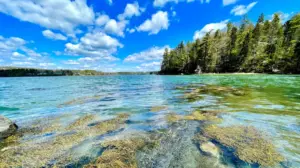
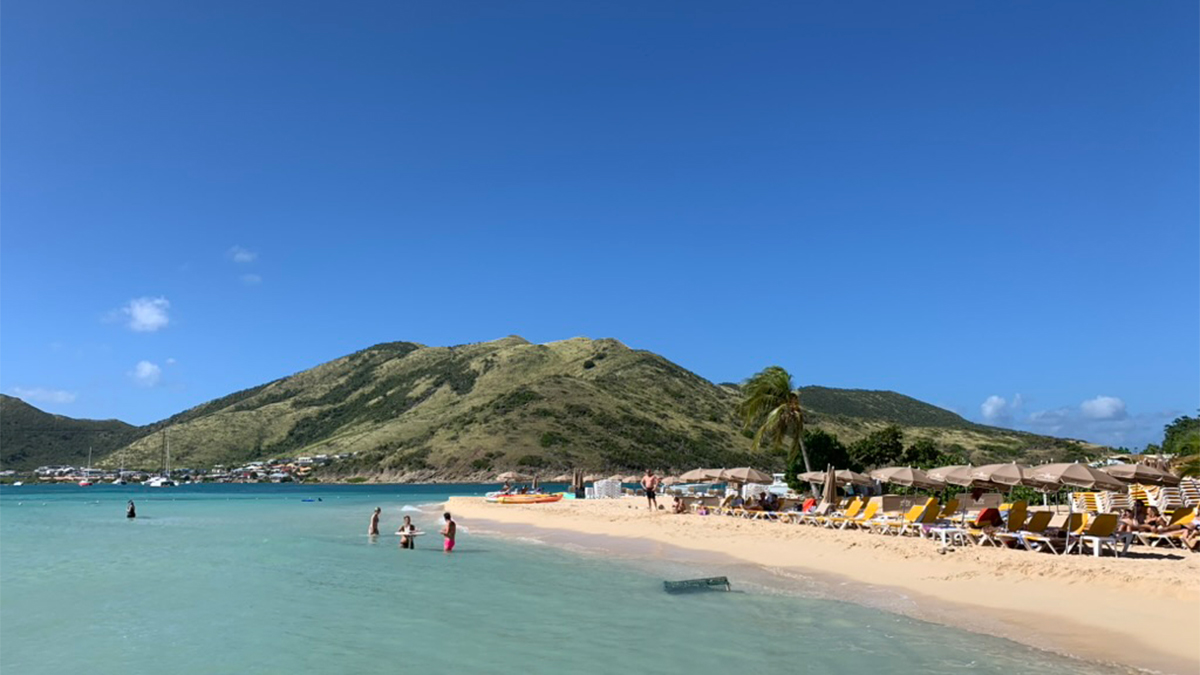
The Pinel Island Excursion: A short five-minute drive north leads to the Cul-de-Sac landing, where a continuous rotation of small water taxis ferries passengers across the protected shallows to Pinel Island (Îlet Pinel). Devoid of cars and permanent human habitation, this tiny speck of land is a masterclass in barefoot luxury. Visitors secure beach loungers facing the crystal-clear cove, snorkel the marked marine trail where rays, turtles, and colorful reef fish dart through the shallows, and spend hours at the Karibuni Restaurant. Over plates of fresh ceviche, catch-of-the-day tartares, and lobster selected straight from the restaurant’s active seawater holding pots, lunch effortlessly blurs into late afternoon as chilled rosé flows.
Days 3 & 4: Action at Orient Bay and Retail Therapy in Marigot
Transitioning from serene isolation, the eastern and central corridors of the French side offer an infusion of energy and commerce.
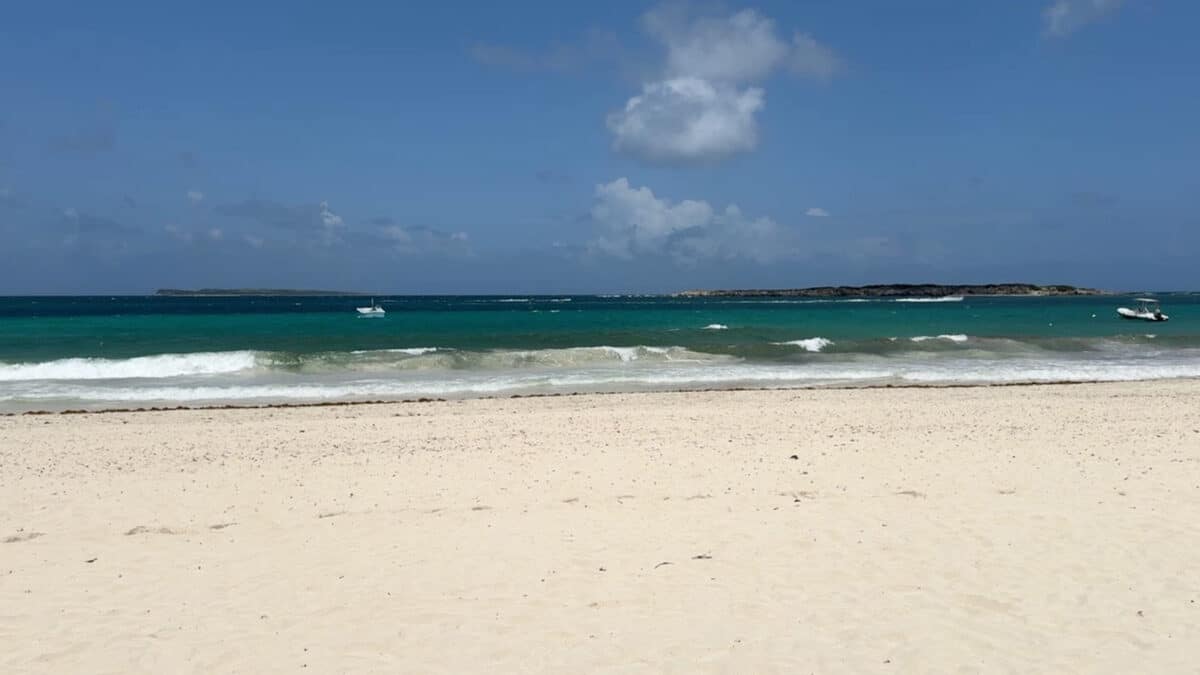
Orient Bay’s High-Octane Coastline: Often dubbed the "St. Tropez of the Caribbean," Orient Bay (Baie d’Orient) is a playground for wind-driven sports and social beach clubs. Parasails lift off across the horizon, kiteboarders cut sharply against trade winds, and high-end beach lounges offer sushi, Champagne, and deep-house beats. Behind the wide white-sand crescent, Orient Bay Village presents a pedestrian-only European-style plaza lined with cafés, cocktail bars, and boutiques, allowing travelers to transition seamlessly from a morning jet-ski excursion to a twilight apéritif.
Capital Rhythms in Marigot: Moving inland and westward brings you to Marigot, the administrative and cultural capital of the French side. The town centers around its bustling open-air market, where local vendors sell aromatic spices, tropical fruits, handmade crafts, and bottles of infused rum. Bakeries (boulangeries) line the streets, offering freshly baked baguettes, croissants, and mille-feuille that rival those found in Paris. Looming above the town is Fort Louis, an 18th-century stone fortification constructed under the orders of King Louis XVI. A brief, sweaty climb yields panoramic vistas sweeping across Marigot Bay, the Dutch side, and neighboring Anguilla.
Days 5 to 7: Eco-Adventures, Art Galleries, and Rum Explorations
The final phase of a French-side itinerary is designed for deeper cultural and environmental immersion.
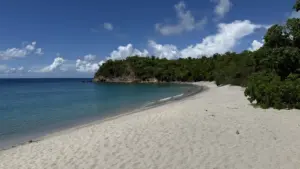
The Summit of Pic Paradis: Rising 1,391 feet above sea level, Pic Paradis anchors the island’s interior topography. Networked hiking trails wind through dense secondary tropical forest, home to elusive green vervet monkeys, iguanas, and brilliant hummingbirds. Guided hikes are strongly recommended, particularly after tropical rains have slicked the clay paths. For coastal explorers, the scenic, rugged coastal trail linking Friar’s Bay to the secluded, undeveloped sanctuary of Happy Bay offers one of the most rewarding short hikes in the Lesser Antilles.
The Art of the Island: The French side’s cultural soul is anchored by world-class visual artists. In Marigot, the historic Creole townhouse gallery of Sir Roland Richardson—the godfather of Saint Martin plein-air painting—showcases vivid oils and watercolors celebrating flamboyant trees, market vendors, and botanical studies. Near Friar’s Bay, the Ruby Bute Silk Cotton Grove Art Gallery provides an equally intimate encounter with vibrant depictions of Caribbean folklore and everyday island life.
The Sanctuary of Rhum Agricole: No exploration of Saint Martin is complete without a dedicated study of its spirits. Because of its French heritage, the island specializes in rhum agricole—distilled directly from fresh sugarcane juice rather than industrial molasses. Grand Case boasts deep collections of aged spirits, anchored by crown jewels like La Part des Anges, widely regarded as the premier rum bar in the entire Caribbean. Situated adjacent to Le Pressoir, it houses hundreds of rare vintages. Furthermore, guests frequently experience rhum arrangé—a post-dinner artisanal tradition where restaurants gift diners a complimentary pour of rum infused with vanilla beans, cinnamon, or passionfruit.
Supporting Context & Metrics: Navigating the Destination
A successful journey to Saint Martin requires an appreciation of its physical geography, infrastructure, and seasonal rhythms.
Geography and Infrastructure At-A-Glance
Surface Area: Approximately 37 square miles total (the French collectivity comprises roughly 20 square miles; the southern Dutch territory, Sint Maarten, covers 17 square miles).
Border Protocol: The island operates under the historic Treaty of Concordia (signed in 1648), meaning there are no formal border checkpoints, customs stops, or physical barriers separating the French and Dutch sides. Visitors traverse freely between jurisdictions.
Primary Aviation Gateway:Princess Juliana International Airport (SXM), located on the Dutch side, serves as the principal international hub. The drive across the island to Grand Case or Orient Bay typically takes between 25 and 45 minutes, depending on traffic.
Currency & Language: The official currency of the French side is the Euro (though US Dollars are universally accepted at favorable exchange rates). French is the official administrative language, though English is spoken fluently across all hospitality, retail, and dining sectors.
Accommodations: From Boutique Gems to Private Villas
The French side resists the urge to build towering, sterile resort blocks, choosing instead to champion human-scale properties that integrate directly into the landscape:
Grand Case Beach Club: Features two private beaches and immediate proximity to restaurant row.
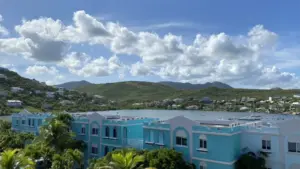
Hotel L’Esplanade: A hillside sanctuary above Grand Case featuring lush tropical gardens and panoramic bay views.
LTC La Plage — Le Temps des Cerises: An ultra-exclusive boutique property on Grand Case Beach boasting just 8 design-forward rooms with private terraces.
La Playa Orient Bay & Hotel La Plantation: The latter offers 53 suites set within 17 colonial-style villas, providing family-friendly accommodations just minutes from Orient Bay Beach.
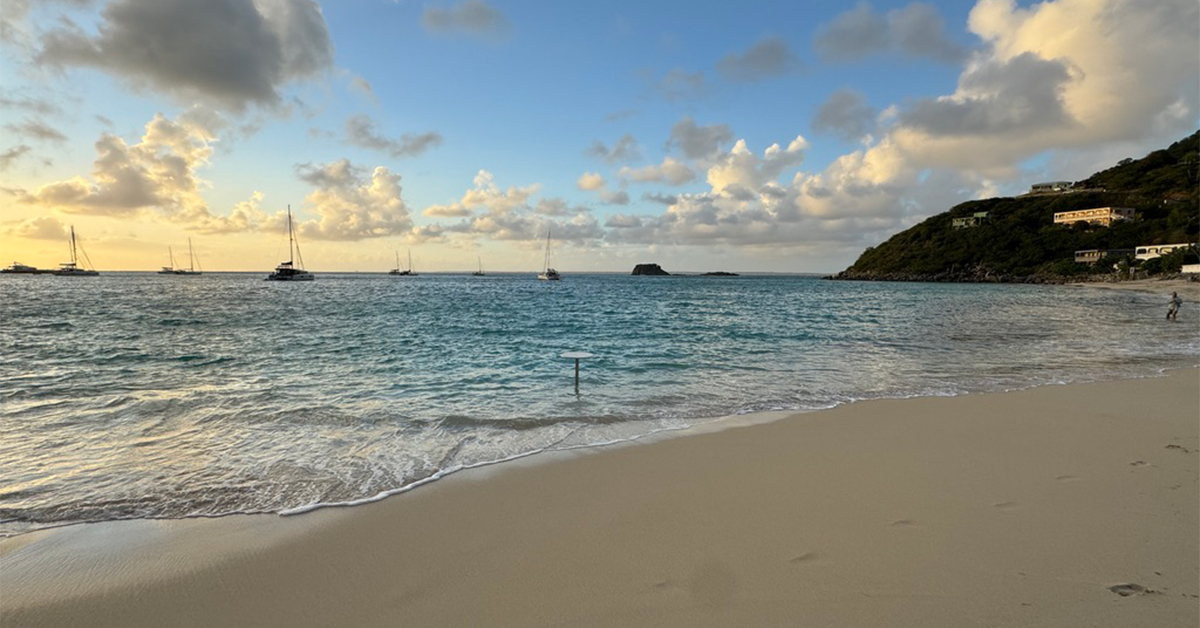
Aura (Anse Marcel): A hyper-luxury residential retreat featuring only 11 villas and suites overlooking the tranquil Anse Marcel marina, complete with private rooftop plunge pools and bespoke concierge services.
Seasonal Considerations: The Late-Summer Window
Visiting during late summer (specifically August through October) offers a distinct set of operational metrics:
Weather & Crowds: Water temperatures peak at their most inviting levels, and visitor density drops significantly compared to the high-winter season (December through April), granting travelers effortless access to restaurant reservations and prime beach loungers.
Annual Closures: Because many independent businesses and boutique hotels on the French side use the slower shoulder season for annual maintenance and staff vacations, specific closures typically peak between September 1 and mid-October. Travelers during this window must confirm operational dates directly with properties and eateries prior to booking.
Weather Preparedness: Late summer falls squarely within the Atlantic hurricane season, making comprehensive travel insurance, flexible airline/hotel cancellation policies, and daily meteorological monitoring non-negotiable for travelers.
Official Statements & Local Perspectives
The enduring charm of the French side is best articulated by those who shape its hospitality and cultural identity.
Local tourism authorities frequently emphasize the deliberate preservation of the territory’s unique duality. In official regional briefings, representatives of the Office de Tourisme de Saint-Martin note:
"Our strength has never been mass tourism. It is our duality—the seamless fusion of French art de vivre with the unscripted warmth of Caribbean culture. Whether you are dining on white linen in Grand Case or buying fresh mangoes from a street vendor in Marigot, you are experiencing an authentic community that refuses to compromise its identity."
Hospitality veterans operating within Grand Case’s culinary sector similarly highlight the philosophy behind the region’s unmatched restaurant density. A prominent restaurateur along Boulevard de Grand Case explains:
"The culinary scene here works because there is no competition, only a collective pursuit of excellence. A chef trained in Lyon can open a bistro next door to a family running a generational lolo grill, and both thrive because the traveler values authenticity above all else. You don’t come to Grand Case to eat at a theme park; you come to eat real food prepared by people who live here year-round."
Artistic figures also underscore the island’s rare creative energy. Speaking on the integration of art into everyday island life, local cultural advocates point out that Saint Martin’s tropical topography acts as a continuous muse. The visual arts are not insulated within sterile metropolitan galleries; rather, they are embedded within historic Creole architecture, open-air gardens, and vibrant streetscapes that invite the traveler in.
Future Outlook: Sustainable Growth and the Road Ahead
As the global travel sector rebounds toward heightened consciousness and experiential tourism, the French side of Saint Martin is positioning itself for a carefully managed future.
Infrastructure and Environmental Stewardship
Regional planners are placing renewed emphasis on sustainable coastal management and eco-tourism preservation. With the marine ecosystems surrounding Creole Rock and Pinel Island serving as critical economic and ecological anchors, local environmental agencies have increased protections on coral reef systems. Future initiatives focus on limiting over-anchoring, expanding marine park boundaries, and promoting renewable energy adoption across the collectivity’s burgeoning luxury villa and boutique hotel sectors.
Culinary and Cultural Evolution
The gastronomic landscape—long the undisputed crown jewel of the territory—continues to evolve. Rather than chasing fleeting global dining trends, the upcoming culinary wave leans deeper into farm-to-table and sea-to-table sourcing, leveraging regional partnerships with neighboring islands like Anguilla, Saba, and St. Barthélemy to secure hyper-local produce and seafood.
The Modern Traveler Mandate
The long-term trajectory of Saint Martin’s French territory relies entirely on protecting its core contradiction: it is a remarkably compact destination capable of offering infinite variety. By safeguarding its architectural heritage in Marigot, protecting the intimate scale of its boutique hotels, and maintaining the cultural integrity of its culinary arts, the French side ensures that it will remain immune to the homogenization threatening much of the modern Caribbean.
For the discerning traveler, the message is clear. Do not over-schedule. Secure a single restaurant reservation or a boutique suite, leave the remaining hours open to the trade winds, and let the French side of Saint Martin reveal itself—one spontaneous, unforgettable day at a time.