Executive Overview
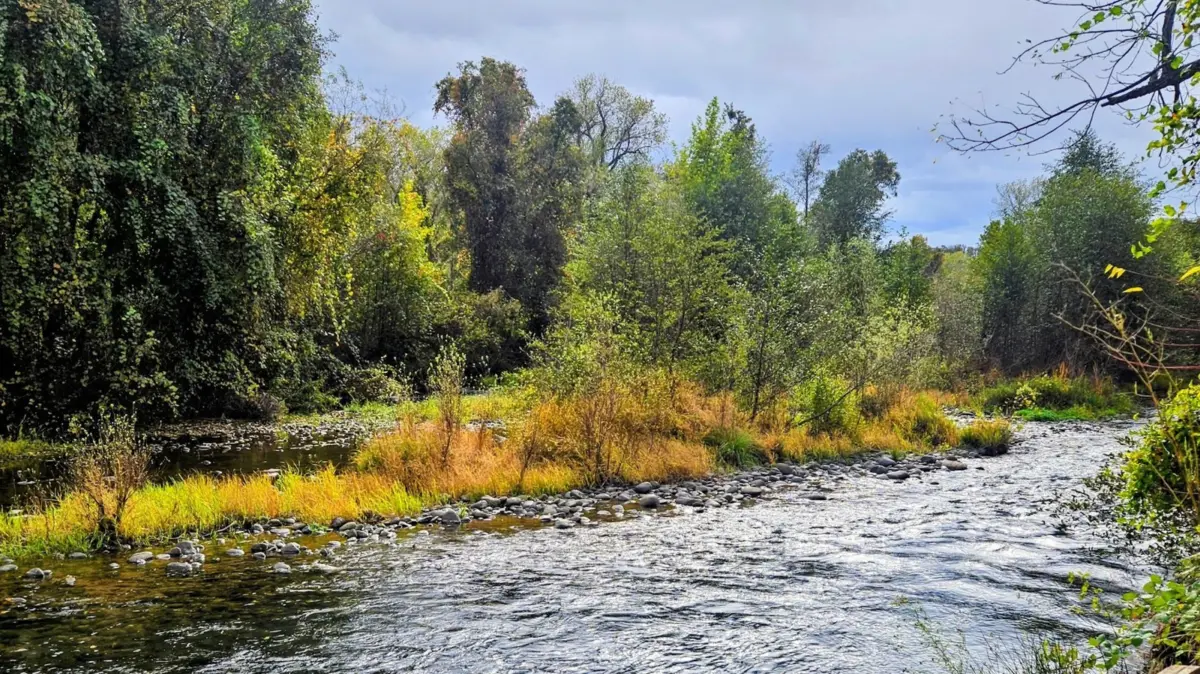
Northern California is renowned for its dramatic landscapes, towering redwoods, and jagged Pacific coastlines, yet some of its most compelling ecosystems lie hidden away in the rolling foothills and river valleys of the state’s northern interior. Situated just a short drive from the regional hub of Redding, the 582-acre Battle Creek Wildlife Area offers an immersive, off-the-beaten-path experience for nature enthusiasts, birdwatchers, and conservation-minded travelers alike.
Spanning across both Shasta and Tehama counties, this protected expanse serves as a critical nexus for regional biodiversity. From its dense riparian woodlands and expansive wetlands to the gentle, sunlit flows of Battle Creek, the wildlife area encapsulates the rich environmental tapestry of California’s Central Valley watershed. However, the true ecological heartbeat of Battle Creek pulses most powerfully during the autumn and winter months, when the return of migratory Chinook salmon transforms the landscape into a bustling feeding ground for apex avian predators, including massive congregations of bald eagles.
While the region offers boundless recreational potential, it demands a degree of preparation uncommon in more commercialized state or national parks. Lacking basic visitor facilities, amenities, and on-site ticketing, a successful excursion to Battle Creek requires logistical foresight—ranging from the acquisition of California Department of Fish and Wildlife (CDFW) Lands Passes to the provisioning of adequate hydration and provisions. This report provides an exhaustive examination of the Battle Creek Wildlife Area, detailing its geographical significance, the mechanics of its famous salmon runs, avian life, logistical prerequisites, and its role within the broader tourism and conservation corridor of Northern California.

Detailed Chronology and Environmental Evolution of the Battle Creek Ecosystem
To fully understand the ecological significance of the Battle Creek Wildlife Area today, one must examine the deep historical and geological timeline that shaped this unique Southern Cascade foothill environment. For millennia, the waterways feeding into the upper Sacramento River system—of which Battle Creek is a prominent tributary—sustained Indigenous populations through robust, cyclical runs of anadromous fish, particularly Chinook salmon and steelhead trout.
The Indigenous and Pre-Settlement Era
Long before the establishment of modern agricultural communities and federal conservation programs, the bands of the Wintu people and neighboring groups managed and thrived within the rich riparian zones of Shasta and Tehama counties. Battle Creek acted as a vital natural corridor, providing an abundance of salmon, waterfowl, and plant resources. The convergence of cold, spring-fed water originating from the volcanic slopes of Mount Lassen and the warmer flows of the Sacramento River created a remarkably stable aquatic habitat that supported complex food webs.
Agricultural Transformation and Conservation Intervention
With the advent of European-American settlement in the mid-19th century, the landscape underwent rapid transformation. Gold mining, timber harvesting, and extensive agricultural development severely altered the natural hydrology of Northern California’s waterways. Dams, diversions, and land clearing disrupted the delicate balance of the Sacramento River watershed, precipitating sharp declines in native fish and wildlife populations.
Recognizing the urgent need to preserve remnant habitats, state and federal agencies gradually set aside parcels of land for conservation and wildlife management. The formal establishment of the Battle Creek Wildlife Area marked a pivotal step in safeguarding a critical transition zone between the foothills and the valley floor. Managed by the California Department of Fish and Wildlife, the 582-acre parcel was designated to protect vital wetlands, oak woodlands, and stream corridors that act as sanctuaries for both resident and migratory species.

In close proximity, the establishment of the Coleman National Fish Hatchery—located just a three-minute drive from the wildlife area—further cemented the area’s role in regional fish conservation. Founded in the 1940s to mitigate the loss of spawning grounds caused by the construction of upstream federal dams, the hatchery works in tandem with the natural environment of Battle Creek to bolster dwindling Chinook salmon populations, creating an interconnected zone of wildlife management, recreation, and ecological restoration.
Supporting Context, Geography, and Ecological Metrics
Geographical Layout and Habitat Zones
Encompassing 582 acres, the Battle Creek Wildlife Area is characterized by a remarkable diversity of micro-ecosystems packed into a relatively compact geographic footprint. The terrain transitions seamlessly from upland oak woodlands to lowland freshwater marshes and seasonal wetlands.
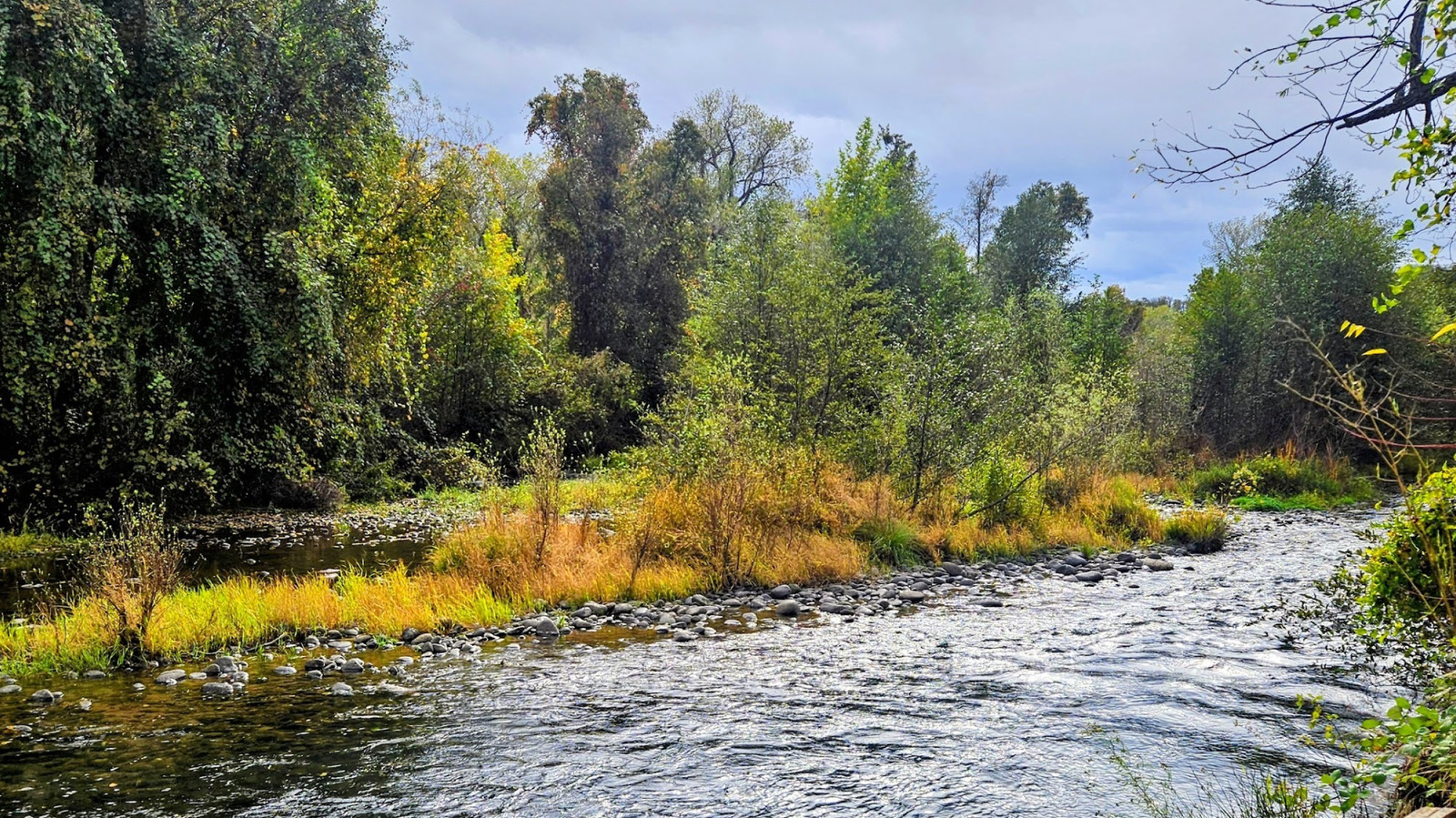
- Riparian and Woodland Zones: The higher elevations and stream margins are heavily shaded by native vegetation, most notably western sycamores (Platanus racemosa). These trees lend a distinct visual character to the landscape with their twisted, sprawling branches and mottled trunks of gray and white, formed as older bark naturally peels away.
- Wetlands and Marshes: Interspersed throughout the property are grassy marshes that act as natural filters and breeding grounds for amphibians, reptiles, and waterfowl. During productive winter and spring wet seasons, these areas burst into color with the emergence of native wildflowers en masse, attracting an array of pollinators and insectivorous birds.
- The Waterway: The property’s defining physical feature is Battle Creek itself. Flowing gently over unpaved, alluvial beds, the creek acts as a mirror for the vast, open skies of the Northern Sacramento Valley before emptying into its ultimate destination: the mighty Sacramento River.
Avian Diversity and the Autumn-Winter Spectacle
While the landscape is visually striking year-round, it is the seasonal arrival of wildlife that elevates Battle Creek from a quiet walking destination to a premier wildlife-viewing hotspot. According to observational data compiled by the Shasta Birding Society, the ecosystem supports a rich avian population influenced heavily by the salmon lifecycle.
+-----------------------------------------------------------------+
|               BATTLE CREEK SEASONAL AVIAN DYNAMICS              |
+------------------------+----------------------------------------+
| Season                 | Key Species & Biological Activity      |
+------------------------+----------------------------------------+
| Fall & Winter          | Bald Eagles, Turkey Vultures           |
|                        | (Feeding on post-spawn Chinook salmon; |
|                        | up to 15 eagles sighted concurrently)  |
+------------------------+----------------------------------------+
| Spring & Summer        | Phainopeplas, Songbirds, Waterfowl     |
|                        | (Nest-building, insect foraging,       |
|                        | wildflower bloom exploitation)         |
+------------------------+----------------------------------------+
As detailed by regional ornithological reports, the autumn salmon run triggers an extraordinary biological phenomenon. Adult Chinook salmon, having spent years maturing in the vast expanse of the Pacific Ocean, make their arduous upstream migration to spawn. Once spawning is complete, the adult salmon die—a natural and essential part of the riverine ecology.
This mortality event provides an abundant, high-protein food source that draws scavengers and predators from across the region. Birdwatchers visiting between October and February are frequently treated to the sight of bald eagles (Haliaeetus leucocephalus) and turkey vultures congregating along the tree lines and gravel bars. The Shasta Birding Society has documented impressive concentrations of these raptors, with as many as 15 bald eagles observed airborne simultaneously above the creek—a testament to the health and vitality of the local food web.
Beyond raptors, the wildlife area is celebrated for hosting rarer avian species. Among them is the phainopepla (Phainopepla nitens), a sleek, crested songbird recognized by its glossy black (in males) or gray plumage, prominent pointed crests, and striking bright red eyes. Often spotted near the brushy fields and woodland edges of Battle Creek, the phainopepla is known for its remarkable vocal mimicry, frequently imitating the calls of nearly a dozen other bird species, despite rarely uttering its own distinctive primary song during casual observation.
Official Guidelines, Directives, and Access Protocols
Visiting the Battle Creek Wildlife Area requires adherence to specific state regulations and logistical protocols. Because the property is managed to prioritize conservation over commercial tourism, travelers must plan their excursions meticulously.
Geographical Access and Routing
- Location: Situated approximately 30 minutes south of Redding, California.
- Primary Route: Travelers journey south on Interstate 5, taking the exit toward the community of Cottonwood. From there, local agricultural and rural roads guide visitors eastward toward the entrance situated near the Coleman National Fish Hatchery.
- Trail Conditions: The internal trail network is predominantly flat, rendering it accessible to visitors of varying ages and hiking abilities. However, prospective hikers should note that paths consist of unpaved, natural surfaces that can become muddy or uneven during periods of winter precipitation.
Regulatory Requirements: The CDFW Lands Pass
A critical administrative prerequisite for visiting Battle Creek is the possession of a valid California Department of Fish and Wildlife (CDFW) Lands Pass.
- Mandatory Rule: Battle Creek is designated as one of several state wildlife areas and ecological reserves where visitors aged 16 and older must possess a Lands Pass while on the property, unless they hold a valid California hunting or fishing license, or possess certain qualifying exemptions.
- Pricing and Acquisition: As of publication, a daily CDFW Lands Pass is priced at $5.97. Crucially, there are no on-site sales kiosks, ranger stations, or electronic payment terminals at the wildlife area. Passes must be purchased in advance online through the official CDFW licensing portal, and physical or digital proof of purchase must be carried by the visitor throughout their stay.
Infrastructure and Self-Reliance
In accordance with California Department of Fish and Wildlife management policies, Battle Creek Wildlife Area features no visitor facilities, restrooms, potable water sources, or trash receptacles.
- Visitors must pack in all necessary supplies, including adequate drinking water, high-energy food, and robust sun protection (such as hats, sunglasses, and sunscreen), as shade along the unpaved paths can be intermittent.
- It is strongly recommended that travelers utilize restroom facilities in neighboring towns such as Redding or Anderson prior to arriving at the property.
Future Outlook: Conservation, Tourism, and Regional Development
As Northern California continues to navigate the complex challenges of climate variability, water resource management, and balancing rural economic development with habitat preservation, areas like Battle Creek represent a vital blueprint for environmental stewardship.
The Interplay Between Conservation and Ecotourism
The proximity of the Battle Creek Wildlife Area to the Coleman National Fish Hatchery—which hosts the annual, family-friendly Return of the Salmon Festival every October—highlights the symbiotic relationship between active fisheries management and public environmental education. The festival draws thousands of visitors who engage with educational exhibits, witness live salmon spawning demonstrations, and learn about watershed health.
Looking forward, local tourism boards and conservation groups are increasingly promoting these rural assets to distribute visitor footprints more evenly across Shasta and Tehama counties. By encouraging travelers to explore beyond urban centers like Redding into surrounding rural communities—such as Los Molinos to the south or the riverfront suburb of Anderson—regional stakeholders aim to foster a sustainable ecotourism economy that values and financially supports habitat preservation.
Ongoing Ecological Monitoring
State wildlife biologists and volunteer organizations, including the Shasta Birding Society, continue to monitor the long-term health of the Battle Creek ecosystem. Key indicators such as raptor population counts, aquatic macroinvertebrate sampling, and riparian plant health assessments ensure that land managers can adapt swiftly to environmental pressures, ensuring that Battle Creek remains a pristine refuge for both wildlife and the citizens who cherish California’s wild northern frontier.