






Executive Overview
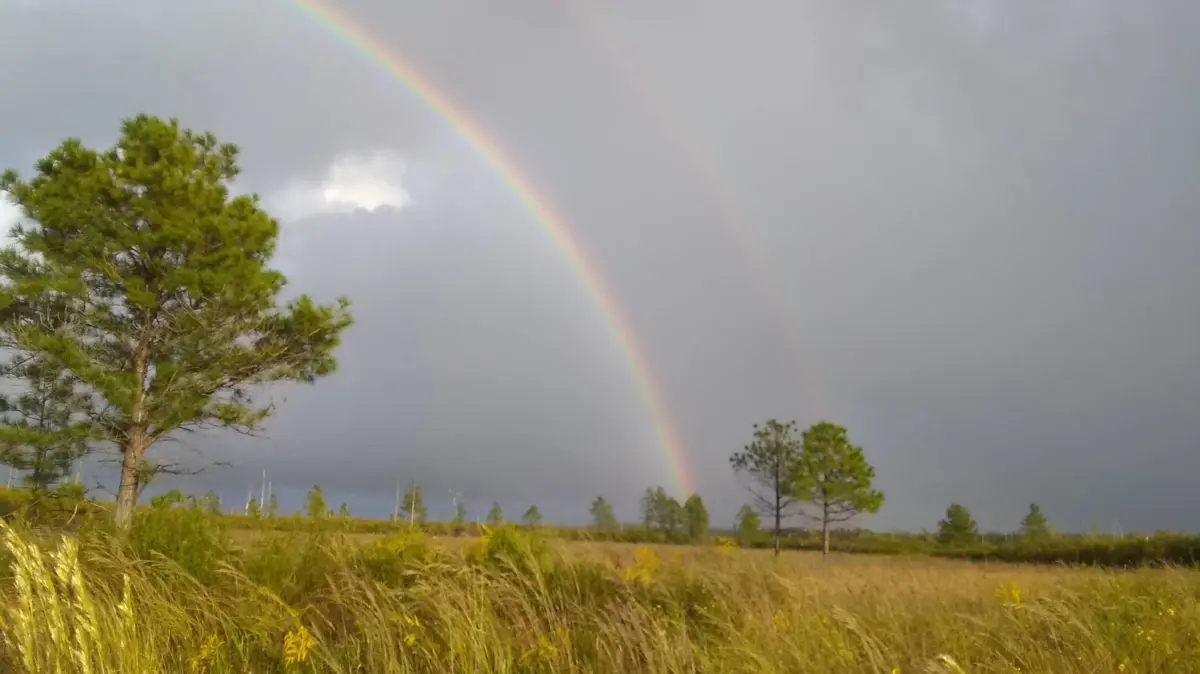
Tucked quietly away between the urban growth corridors of Tallahassee and the academic sprawl of Gainesville lies one of North Florida’s most profound ecological paradoxes. Spanning more than 31,000 acres of Lafayette County, the Mallory Swamp Wildlife Management Area (WMA) is simultaneously a pristine sanctuary of ancient cypress domes and a landscape bearing deep scars from industrial exploitation and catastrophic wildfire.
For the unsuspecting motorist cruising along U.S. Highway 27, the dense woodlands flanking the asphalt offer little visual hint of the immense, untamed hydrological network lying just beyond the tree line. Here, an intricate web of peat bogs—wetlands forged over millennia from the slow accumulation of decomposed organic matter—creates a sponge-like ecosystem critical to the region’s broader environmental health. Yet, the tranquility enjoyed today by hikers, anglers, and naturalists is a relatively recent phenomenon. It was forged in the crucible of ecological near-collapse, aggressive corporate forestry, and a devastating 60,000-acre wildfire at the turn of the 21st century.
This investigative report examines the trajectory of Mallory Swamp: from its pre-settlement glory as a thriving, uninterrupted wetland, through its systemic degradation by timber barons, its fiery trial by blaze in 2001, and its subsequent acquisition and meticulous restoration by regional water management authorities. By analyzing historical milestones, ecological metrics, and the ongoing challenges of climate variability and hydrological management, this article provides an authoritative look at how a fractured wilderness was brought back from the brink.
Detailed Chronology: From Ancient Wetlands to Industrial Timber and Restoration
To understand the contemporary landscape of Mallory Swamp, one must trace its journey through distinct eras of human interaction and environmental disruption. The timeline of this 31,000-acre tract mirrors the broader exploitation and subsequent conservation awakening of the American Southeast.
Pre-Columbian and Early Settlement Era
Long before European cartographers mapped the wilds of Lafayette County, Mallory Swamp functioned as a crucial, unfragmented hydrological reservoir within the Steinhatchee River basin. Indigenous peoples navigated its margins, utilizing its rich biodiversity for sustenance. The deep peat bogs and cypress stands acted as natural filtration systems, slowly releasing freshwater southward while maintaining a high water table that sustained regional flora and fauna without human interruption.
The Era of Industrial Timber and Drainage (Mid-to-Late 20th Century)
As Florida’s population boomed in the 20th century, the economic value of the state’s natural resources shifted toward intensive extraction. Mallory Swamp fell victim to heavy timber production. Logging companies viewed the sprawling wetland not as a fragile ecosystem, but as a vast reservoir of harvestable cypress and pine.
To facilitate timber extraction, industrial operators engineered a massive network of drainage ditches, canals, and logging roads. This artificial infrastructure fundamentally altered the landscape’s natural hydrology. By accelerating the runoff of surface water, the drainage networks dried out the upper layers of organic peat. What had once been a saturated, fire-resistant wetland was systematically transformed into a dry, highly combustible tinderbox. Decades of unmitigated timber management disrupted the water table, setting the stage for environmental catastrophe.
The Catalyst: The 2001 Megafire
By the turn of the millennium, the ecological health of Mallory Swamp had reached a tipping point. Decades of artificial drainage had desiccated the peat bogs, leaving millions of tons of dry, carbon-rich organic material exposed to the elements. In May 2001, under severe drought conditions, a catastrophic wildfire ignited in and around the swamp.
The resulting blaze was apocalyptic in scale, scorching more than 60,000 acres. Because the dry peat itself caught fire, the blaze burned not only across the surface but deep underground, smoldering for weeks and releasing massive plumes of acrid smoke that blanketed North Florida. The 2001 wildfire laid bare the consequences of hydrological mismanagement, proving that human intervention in natural water systems carries a devastating ecological price.
Public Acquisition and the Birth of Modern Restoration (2002–Present)
Recognizing the ecological imperative to rescue the compromised landscape, the Suwannee River Water Management District (SRWMD) stepped in. In 2002, the district acquired a significant portion of the Mallory Swamp acreage, immediately halting destructive timber practices and initiating a comprehensive ecological restoration project.
The primary objective of the restoration was simple yet daunting: repair the damaged hydrology. Conservationists and hydrologists worked to plug drainage ditches, block unauthorized access canals, and restore the natural flow of water across the floodplain. While the scars of the 2001 fire and decades of logging are still visible today—with certain areas exhibiting secondary-growth forests rather than old-growth canopies—the swamp has stabilized. Today, managed as a Wildlife Management Area, it stands as a testament to the resilience of Florida’s wetland ecosystems.
Supporting Context & Metrics: Navigating the Swamp Today
Encompassing roughly 54 miles northwest of Gainesville and 93 miles southwest of Tallahassee, the Mallory Swamp Wildlife Management Area offers an immersive experience of "Old Florida" far removed from the crowded theme parks and coastal developments.
+--------------------------------------------------------------------------+
|                        MALLORY SWAMP QUICK STATS                         |
+--------------------------+-----------------------------------------------+
| Total Acreage            | > 31,000 acres                                |
| Geographic Location      | Lafayette County, North Florida               |
| Distance from Gainesville| 54 miles northwest                            |
| Distance from Tallahassee| 93 miles southwest                            |
| Primary Trail System     | ~100 miles of maintained grassy roads         |
| Historical Megafire      | May 2001 (>60,000 acres burned)               |
| Water Basin              | Steinhatchee River basin                      |
+--------------------------+-----------------------------------------------+
Recreational Infrastructure and Trail Systems
For outdoor enthusiasts, Mallory Swamp provides a rugged, backwoods escape. The WMA features nearly 100 miles of grassy roads and service tracks that double as hiking, biking, and equestrian trails. These routes wind deep into the interior, offering visitors uninterrupted access to cypress swamps, hardwood hammocks, and expansive peat flats.
The physical experience of hiking Mallory Swamp shares striking similarities with other remote Florida preserves, such as the Green Swamp Wilderness Preserve near Dade City in Central Florida. Both locations demand respect from visitors due to their sheer scale, remote nature, and variable environmental conditions.
Biodiversity and Wildlife Encounters
The mosaic of aquatic and terrestrial habitats within Mallory Swamp supports a diverse array of native wildlife. Mammalian species, including white-tailed deer and feral hogs, roam the forested margins. Birdwatchers, meanwhile, will find a premier avian sanctuary. The swamp is home to:
- Limpkins: Distinctive water birds that can reach heights of up to 28 inches, frequently spotted probing the mud for apple snails.
- Wood Ducks: Nesting in the cavities of mature cypress trees bordering aquatic zones.
- Red-Tailed Hawks and Black-Crowned Night Herons: Apex avian predators and stealthy nocturnal hunters patrolling the water edges.
Angling in the Backwoods
Fishing at Mallory Swamp is an authentic, off-the-grid pursuit. The area lacks modern amenities, meaning anglers must pack in all necessary gear, water, and supplies. Ponds and creeks scattered throughout the WMA—such as Townsend Pond located nearby in Lafayette County—harbor native freshwater species, including largemouth bass and bluegill.
However, because the swamp forms an integral component of the Steinhatchee River basin, water levels are notoriously volatile. The region is subject to significant seasonal fluctuations; extended dry spells can severely diminish water volumes across the interior, restricting access and impacting aquatic habitats. Consequently, conservation officials strongly advise visitors to consult real-time river level data provided by the Suwannee River Water Management District before planning an excursion. Furthermore, all anglers aged 16 and older must possess a valid Florida fishing license, which can be acquired online through the Florida Fish and Wildlife Conservation Commission (FWC).
Comparative Conservation Context: Florida’s Wetland Network
To fully appreciate the ecological weight of Mallory Swamp, it must be viewed within the broader tapestry of Florida’s public lands preservation strategy. The state’s unique geography—characterized by a low-lying limestone shelf and high seasonal rainfall—has historically made wetlands both vital and vulnerable.
+--------------------------+-----------------------+---------------------------------------+
| Preserve / WMA           | Location              | Primary Ecological Focus              |
+--------------------------+-----------------------+---------------------------------------+
| Mallory Swamp WMA        | Lafayette County      | Peat bog/cypress swamp hydrology      |
| Green Swamp Preserve     | Central Florida       | Headwaters protection for 4 major rivers|
| Seabranch Preserve Park  | Stuart, Florida       | Coastal wetland and scrub biodiversity|
| Tibet-Butler Preserve    | Orlando, Florida      | Urban-adjacent cypress/wetland buffer |
+--------------------------+-----------------------+---------------------------------------+
As detailed in the comparison above, Florida’s land management agencies utilize a decentralized network of preserves to safeguard regional watersheds. While massive tracts like the Everglades command international attention, lesser-known gems play equally critical regional roles.
- Seabranch Preserve State Park (Stuart, FL): Situated on the state’s Atlantic coast, Seabranch offers a different flavor of wetland preservation, serving as a sanctuary for coastal scrub, mangrove transition zones, and rare endemic plant species, acting as a crucial buffer against coastal degradation.
- Tibet-Butler Nature Preserve (Orlando, FL): Demonstrating that conservation can coexist with urbanization, this 440-acre urban park protects delicate cypress forests and freshwater marshes amid the dense sprawl of Central Florida, providing public environmental education alongside critical wildlife habitat.
Mallory Swamp occupies a unique niche in this statewide hierarchy. As a vast, remote interior wetland, its primary value lies not in urban outreach or coastal defense, but in the large-scale restoration of inland hydrology and the preservation of uninterrupted wilderness corridors in Florida’s Big Bend region.
Future Outlook: Challenges and Long-Term Sustainability for Mallory Swamp
As the Suwannee River Water Management District and the FWC look toward the coming decades, the management of Mallory Swamp faces complex, evolving challenges. The success of the past twenty years of restoration cannot be taken for granted; securing the long-term ecological integrity of the 31,000-acre tract requires continuous, adaptive management strategies.
Climate Variability and Hydrological Pressures
The primary threat to Mallory Swamp’s future remains hydrological disruption, driven increasingly by shifting regional climate patterns. Extended drought periods, punctuated by intense, high-volume storm events, strain the artificial and natural drainage controls within the Steinhatchee River basin. When rainfall is scarce, the risk of subterranean peat fires resurfaces. Conversely, excessive rainfall in short windows can overwhelm the restored canals, leading to unnatural erosion and sediment deposition in the low-lying swamps.
To combat these variables, hydrologists continue to monitor groundwater tables and surface flow rates across Lafayette County. Future management phases will likely involve fine-tuning water-control structures to mimic historical pre-drainage saturation levels as closely as possible, ensuring that the peat bogs remain sufficiently hydrated year-round.
Balancing Public Access with Ecological Preservation
As ecotourism grows in North Florida, balancing human recreation with wildlife conservation presents a delicate operational tightrope. While the nearly 100 miles of grassy roads provide exceptional access for hikers, cyclists, and hunters, unmanaged or illegal off-road vehicle (ORV) use can severely damage fragile wetland soils, disrupt nesting bird colonies, and tear up sensitive vegetation.
The FWC and SRWMD maintain strict guidelines regarding trail usage, seasonal hunting regulations, and vehicular access within the WMA. Future outlooks suggest that public outreach and education will be paramount. By fostering a deeper understanding of the swamp’s fragile peat ecology among visitors, agencies hope to cultivate a culture of stewardship where recreational users act as active defenders of the landscape.
Invasive Species Monitoring
Like virtually all subtropical ecosystems in Florida, Mallory Swamp is vulnerable to the steady creep of invasive non-native species. Feral hogs, in particular, pose a persistent threat to the landscape; their rooting behavior destroys understory vegetation, accelerates soil erosion, and disrupts fragile amphibian and reptile habitats. Aggressive, ongoing wildlife management protocols—including regulated public hunting seasons—remain essential tools for keeping invasive populations in check.
Conclusion: A Resilient Wilderness
The story of Mallory Swamp is ultimately one of redemption. Once driven to the brink of ecological collapse by industrial over-extraction and consumed by the historic fires of 2001, this 31,000-acre wilderness has clawed its way back into a functioning, vibrant sanctuary.
For the modern traveler driving past on Highway 27, Mallory Swamp may appear as nothing more than a passing blur of green. But for those willing to venture down its rugged trails, wade through its cypress-shaded creeks, and listen to the call of the limpkin echoing across the peat flats, the swamp reveals itself as an irreplaceable monument to "Old Florida"—a landscape that survived its own destruction to teach us the enduring value of ecological restoration.