






Executive Overview
For decades, retirees seeking the quintessential Pacific Northwest lifestyle have gravitated toward the bustling metropolitan fringes of Seattle, the high-cost enclaves of Portland, or the sun-drenched valleys of Northern California. However, a quiet demographic and geographic shift is drawing attention to a more rugged, authentic, and surprisingly affordable destination. According to recent neighborhood rankings by platforms like Niche, Coos County, Oregon, has officially clinched the title of the absolute best place to retire in the entire state.
Straddling the dramatic twists and turns of U.S. Route 101 along the southern Oregon coast, Coos County offers an intoxicating blend of wild Pacific shorelines, dense ancient forests, roaring rivers, cascading waterfalls, and a remarkably tight-knit triad of coastal communities anchored by the city of Coos Bay. Far removed from the manufactured gloss of master-planned retirement villages, Coos County delivers a lifestyle defined by natural raw beauty, outdoor recreation, affordability, and a slower, more deliberate pace of life.
Yet, this coastal haven is not without its nuances. Its geographic isolation, damp maritime climate, and distance from major metropolitan infrastructure require a distinct kind of resilience. This report explores the topography, community dynamics, economic realities, and long-term outlook of Oregon’s top retirement destination, examining why this remote Pacific gem is capturing the hearts of seniors nationwide.

Detailed Chronology & Historical Context: From Timber Towns to Coastal Sanctuaries
To understand Coos County’s evolution into a premier retirement destination, one must first look at its rich, rugged history. Long before it became celebrated for its arts scene, state parks, and retirement communities, the region was shaped by industry, maritime commerce, and the indomitable spirit of the Pacific Northwest frontier.
The Indigenous Foundations and Maritime Discovery
Long before European settlers arrived, the Coos, Lower Umpqua, and Siuslaw peoples inhabited the region, thriving on the abundant seafood, rich estuaries, and dense forests. The area’s deep-water bay—today known as Coos Bay—served as a vital hub for indigenous trade and navigation.
European exploration began in the late 18th and early 19th centuries, with Spanish and British maritime explorers charting the rugged Oregon coastline. However, it wasn’t until the mid-19th century that permanent non-native settlements began to take root, driven by the California Gold Rush and the insatiable demand for Pacific Northwest lumber.
The Timber and Shipping Era
For over a century, Coos County was defined almost exclusively by its timber and maritime industries. Colossal Douglas firs and Sitka spruces blanketed the landscape from the Coast Range down to the tidewaters. Mills sprang up along the bay, and schooners navigated the deep-water harbor to transport lumber across the globe.

As the timber industry fluctuated through the late 20th century, the region faced economic reinvention. Forward-thinking community leaders began to recognize that the very features that made the county an industrial powerhouse—its pristine coastlines, untamed wilderness, and dramatic topography—held immense value for ecological preservation, tourism, and, eventually, retirement living.
The Modern Transition
Over the past two decades, Coos County has undergone a quiet renaissance. While logging and fishing remain part of the cultural fabric, the economy has diversified to embrace tourism, healthcare, remote work, and retiree relocation. The influx of retirees seeking affordable coastal real estate has breathed new life into downtown storefronts, arts councils, and community organizations, transforming Coos County from a traditional blue-collar timber outpost into a welcoming, multifaceted coastal sanctuary.
Supporting Context & Metrics: Geography, Climate, and Realities of Living in Coos County
A comprehensive evaluation of Coos County requires looking beyond the picturesque postcards to examine the practical metrics of daily life, geography, and climate.
Topography: Where Forest Meets Ocean
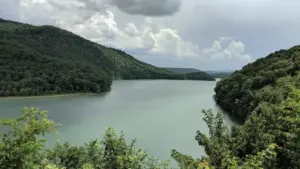
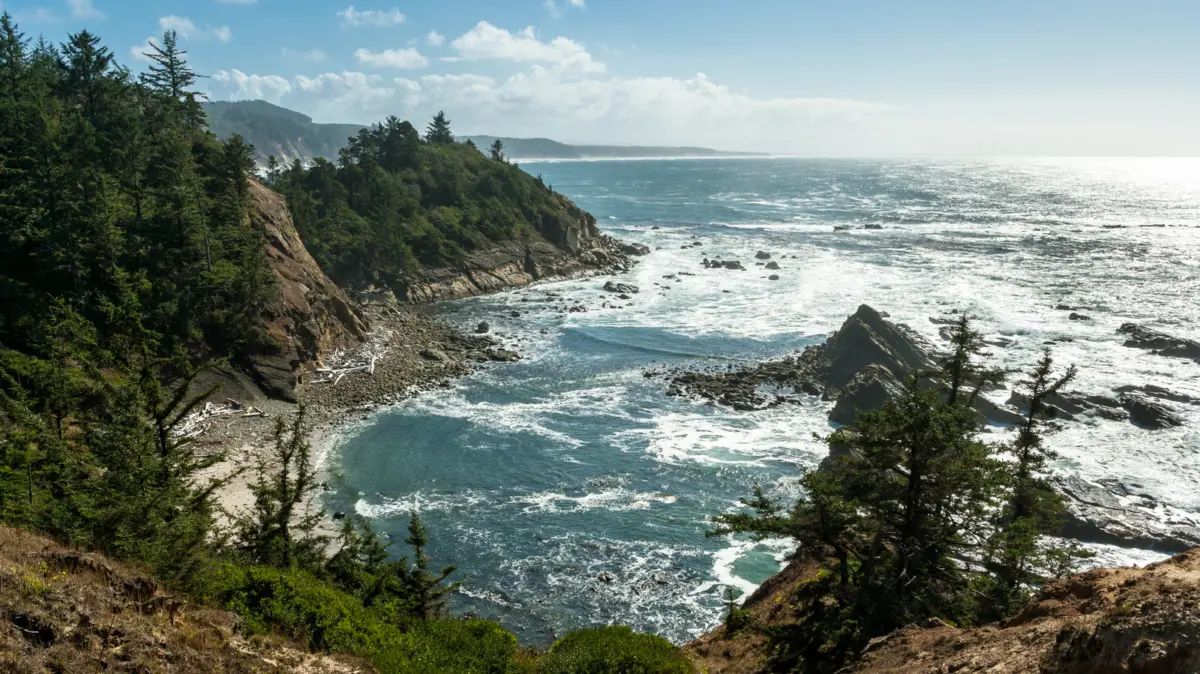
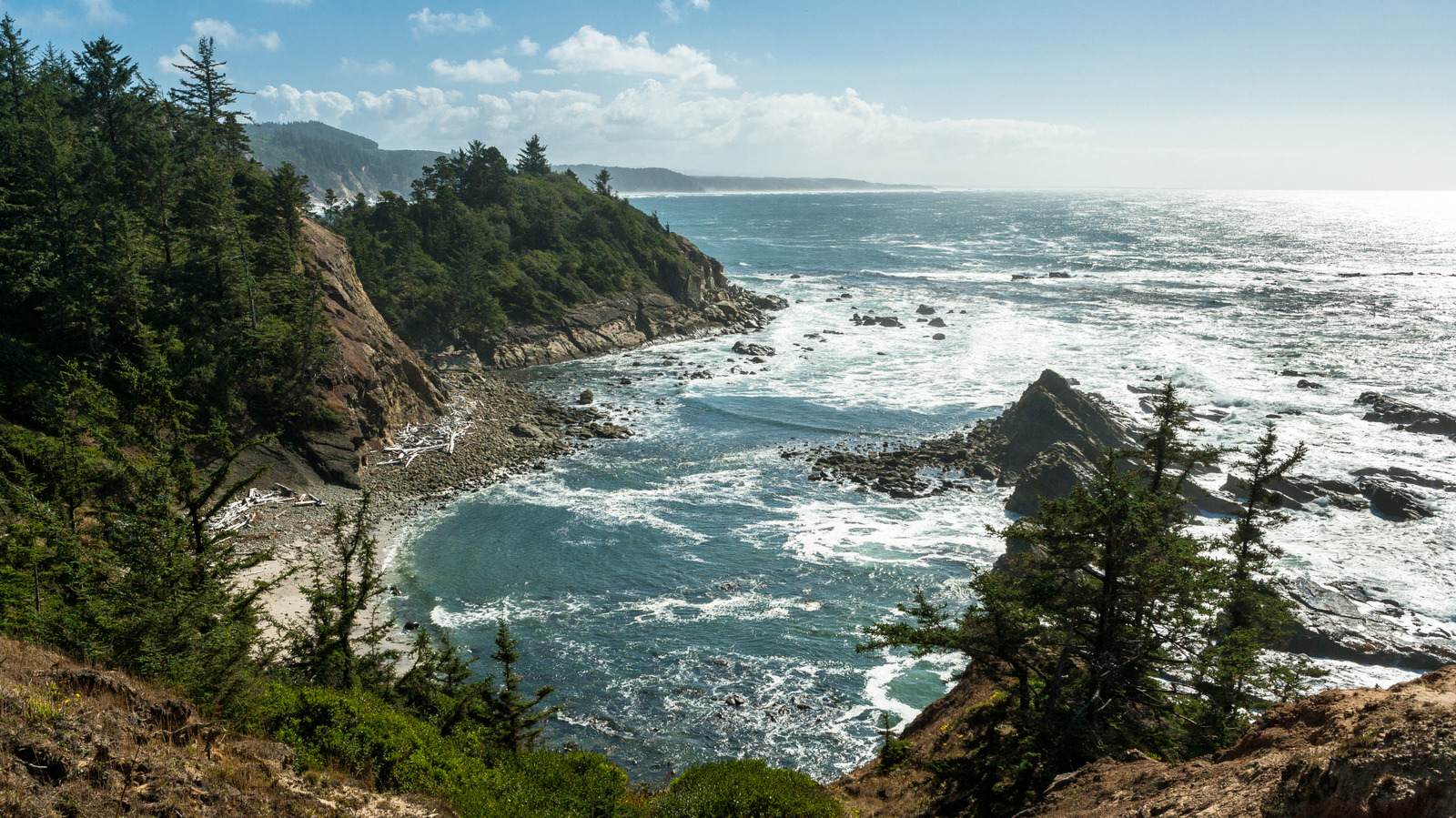
Coos County spans roughly 1,600 square miles of remarkably diverse terrain. At its western edge, the county meets the Pacific Ocean in a dramatic display of jagged cliffs, sea-stack formations, and expansive sandy beaches. Moving inland, the landscape rises rapidly into the lush, emerald-green foothills of the Oregon Coast Range, blanketed by the Siuslaw and Elliott State Forests.
The region is a haven for water enthusiasts. Rivers like the Coquille and the Coos snake through the valleys, emptying into sprawling estuaries teeming with wildlife, including harbor seals, sea lions, and migrating gray whales.
Climate: The Cost of Emerald Greenery
As one local resident famously noted on Niche: "Coastal living with warm summer breezes and lots and lots of rain. Beaches that are still clean, forests and rivers to camp in. I just love my home."
The climate is classic Pacific Northwest maritime. Winters are cool, wet, and breezy, with daytime temperatures typically hovering in the high 40s to low 50s Fahrenheit. Snowfall at sea level is rare, but steady winter rainfall is a way of life—the very force that keeps the regional forests and ferns intensely vibrant. Summers, by contrast, are mild, pleasant, and remarkably dry, with daytime highs averaging in the mid-to-high 60s and low 70s, occasionally spiking during heatwaves. For retirees sensitive to extreme heat, Coos County offers a comfortable, temperate refuge.
Demographics and Affordability Metrics
One of the primary drivers behind Coos County’s rising popularity among retirees is its economic accessibility. In an era where traditional coastal California, Washington, and northern Oregon communities have priced out middle-class seniors, Coos County remains a relative bargain.
- Housing Costs: Median home prices in Coos County sit significantly below the Oregon state average, allowing retirees to stretch their fixed incomes or nest eggs much further.
- Cost of Living: Groceries, utilities, and everyday services hover closer to the national average, contrasting sharply with the inflated costs found in Portland or Bend.
- Community Makeup: The county boasts a median age notably higher than the national average, reflecting its status as an established retirement hub. Neighborhoods skew quiet, neighborly, and community-oriented.
The Catch: Isolation and Infrastructure
Objectivity requires acknowledging the logistical realities of Coos County. The region is undeniably remote:
- Air Travel: While Southwest Oregon Regional Airport (OTH) in North Bend offers commercial flights connecting to hubs like San Francisco and Denver, flight options can be limited and weather-dependent.
- Major Medical and Travel Hubs: The nearest major international airport (Portland International Airport) is a four-to-five-hour drive away. Road trippers face an eight-hour drive from San Francisco and a nearly seven-hour journey from Seattle.
- Healthcare: While Coos Bay features the Bay Area Hospital—a regional medical center providing comprehensive acute care—specialized tertiary medical care may require trips to Eugene or Portland.
The Tri-City Anchor: Coos Bay, North Bend, and Charleston
Retirees looking at Coos County often find themselves drawn to its urban tri-city anchor surrounding the magnificent Coos Bay estuary. This unique configuration offers residents "three towns for the price of one," each possessing a distinct personality and lifestyle appeal.
1. Coos Bay: The Artsy Cultural Hub
As the largest city on the Oregon coast, Coos Bay serves as the cultural, commercial, and historical heartbeat of the county. The downtown area, centered around South Broadway Street, features a vibrant mix of independent art galleries, antique shops, boutique retail, and a thriving culinary scene offering fresh-caught Dungeness crab, surf-and-turf grills, and local craft microbreweries. A scenic boardwalk lines the bay, offering front-row seats to commercial fishing boats and passing recreational vessels.
2. North Bend: Dunes, Retail, and Quirky Charm
Situated just north of Coos Bay, North Bend balances modern conveniences with wild natural landscapes. It serves as the commercial retail hub of the South Coast, featuring major grocery stores, healthcare clinics, and shopping centers. North Bend is also famous for its proximity to the towering Oregon Dunes National Recreation Area—a surreal expanse of wind-sculpted sand mountains meeting the Pacific. Furthermore, North Bend is home to the cult-favorite Itty Bitty Inn, a quirky, "geek-chic" retro motel that embodies the eclectic, independent spirit of the coast.
3. Charleston: The Salty Marina Village
Rounding out the trio is Charleston, a quintessential working fishing village nestled at the entrance to Coos Bay’s boat basin. Charleston is where locals go to buy fresh seafood straight off the docks, charter deep-sea fishing excursions, or access some of the county’s most dramatic coastal state parks.
Outdoor Recreation: From Ocean Spray to Mountain Trails
For active seniors, Coos County functions as an endless playground. The geographic convergence of ocean, bay, and forest ensures that outdoor pursuits are limitless.
- Bastendorff Beach: Widely celebrated by locals as a pristine, uncrowded expanse, Bastendorff Beach is ideal for contemplative morning beachcombing, tide-pool exploration, and watching winter storms roll across the Pacific.
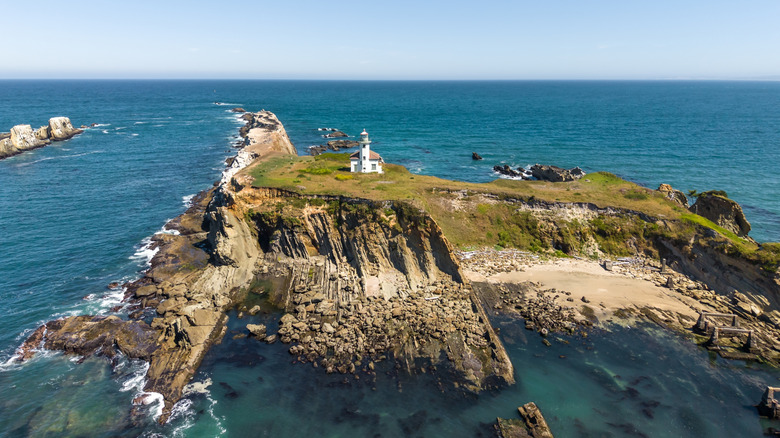
- Cape Arago State Park: Located just minutes south of Charleston, this dramatic headland park features the short but breathtaking North Cove Trail, where visitors regularly spot colonies of seals and sea lions resting on offshore rock shelves, alongside migrating whales during peak season.
- Elliott State Forest and Inland Waterways: Less than an hour inland, the vast Elliott State Forest provides dense Sitka spruce woodlands, premier hunting and fishing spots, and quiet solitude.
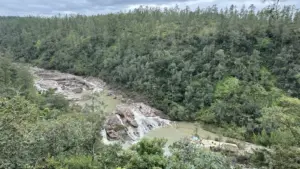
- Golden and Silver Falls State Natural Area: Tucked away in a lesser-known pocket of the county, this park features verdant hiking trails that wind through moss-draped canyons to reveal two spectacular, hidden waterfalls.
Official Statements & Community Perspectives
To capture the true ethos of Coos County, community feedback and local insights provide invaluable qualitative data.
Local residents consistently emphasize the welcoming, unpretentious nature of the populace. As highlighted by regional travel features on My Family Travels, the area proves "you don’t need a fortune to retire happy," attributing this success to neighborly warmth, low crime rates, and community resilience.
Reflecting on local online forums such as the r/CoosBay Reddit community, residents frequently describe the area with affectionate candor: "It’s definitely a retirement community in the best possible way—quiet, beautiful, and grounded."
Local civic leaders and tourism boards have actively worked to balance economic development with environmental preservation, ensuring that the influx of retirees does not compromise the natural integrity and small-town charm that draw people to the region in the first place.
Future Outlook: Sustainability, Growth, and the Road Ahead
As demographic shifts continue to draw retirees away from congested urban centers toward secondary and tertiary coastal markets, Coos County faces a delicate balancing act.
Managing Growth and Housing
The primary challenge for Coos County in the coming decade will be managing housing inventory and infrastructure development without losing its affordability and small-town character. Local municipal planners are increasingly focused on sustainable growth, encouraging infill development, supporting local healthcare infrastructure expansion, and upgrading broadband connectivity to accommodate retirees who engage in remote consulting or digital hobbies.
Climate Resilience and Environmental Stewardship
Given its coastal geography, community leaders remain proactive regarding environmental sustainability. Preserving the integrity of the Siuslaw and Elliott State Forests, maintaining clean beaches, and protecting local fisheries are paramount priorities for both longtime residents and incoming retirees who deeply value ecological preservation.
Conclusion: Is Coos County Right for You?
Coos County, Oregon, is not a cookie-cutter retirement village. It requires an appreciation for misty mornings, a willingness to embrace a slower pace of life, and a comfort with a degree of geographic isolation.
However, for those willing to trade the frantic pace of the metropolis for the rhythmic crash of Pacific waves, the emerald embrace of ancient coastal forests, and the warmth of a genuine, unpretentious community, Coos County stands peerless. Backed by affordability, natural splendor, and a thriving tri-city core, this Oregon coastal gem has rightfully earned its crown as the premier retirement destination in the Pacific Northwest.