Executive Overview
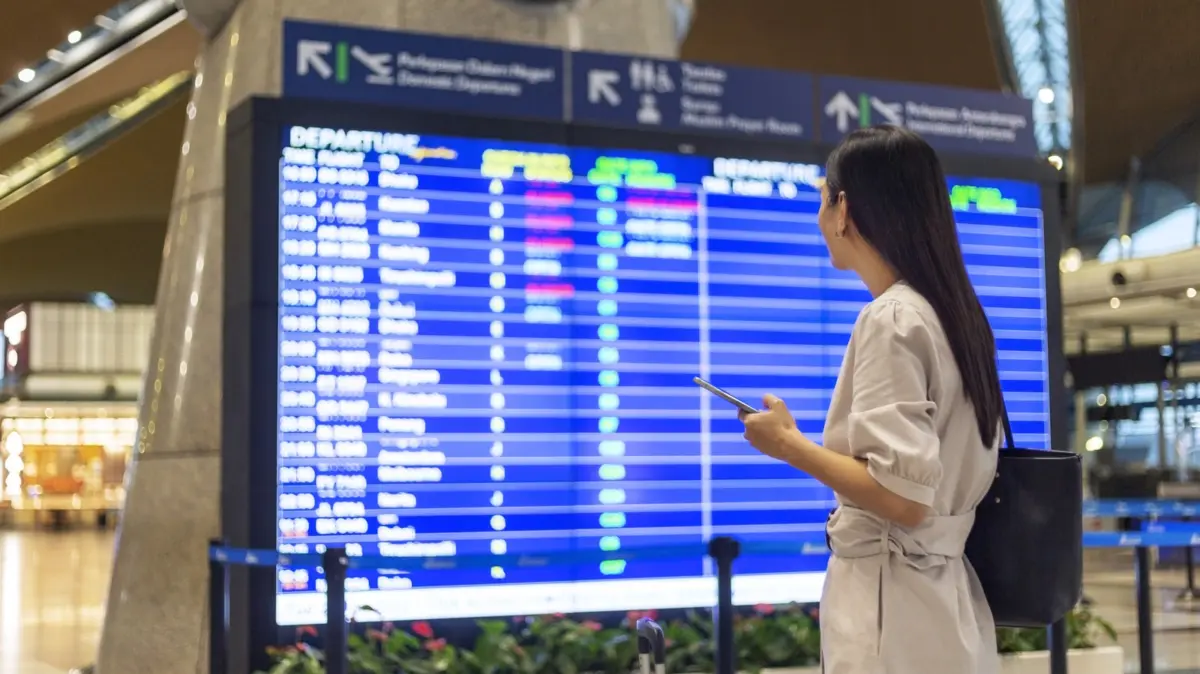
For the modern traveler, few occurrences are as universally exasperating as the ping of a notification alerting them to a delayed flight. Whether this unwelcome news arrives via a push notification the night before a departure or echoes through the cacophonous corridors of an airport terminal while waiting at the boarding gate, a delayed flight inevitably throws meticulously laid travel plans into disarray. It sparks a domino effect of logistical nightmares—shattered hotel check-in windows, missed airport transfers, compromised vacation days, and the looming dread of missed connecting flights.
In response to this ubiquitous travel frustration, a tempting impulse often takes over: the desire to linger a little longer in the comfort of home, sleep in, or wander away from the designated boarding gate to browse duty-free shops or dine leisurely at an airport restaurant. However, according to the ultimate insiders of the skies—the flight attendants who navigate these operational hurdles on a daily basis—yielding to this temptation is one of the gravest mistakes a passenger can make.

The gold standard of advice from aviation professionals is unequivocal: always assume your flight will leave at its originally scheduled time, and act accordingly. As Delta Air Lines flight attendant Taylor Shearer emphasized in a viral TikTok video that captured widespread media attention, travelers must report to the airport for their original departure time, regardless of what the initial delay status boards or text alerts might suggest. This comprehensive report explores the operational realities behind flight delays, the unpredictable nature of airline scheduling, expert-backed strategies for navigating disruptions, and the evolving landscape of passenger rights and compensation.
Detailed Chronology: The Lifecycle of a Flight Delay
To understand why flight attendants adamantly advise against altering your airport arrival schedule, one must examine the fluid, high-stakes environment of commercial aviation. A flight delay is rarely a static event; rather, it is a dynamic, rapidly evolving situation influenced by a cascade of shifting variables.
Phase 1: The Initial Notification
The lifecycle of a delay typically begins when an airline’s operations control center identifies an irregularity. This could stem from a maintenance write-up on the incoming aircraft, a bottleneck at an origin airport, or an incoming weather cell. Automated systems or gate agents then broadcast a delay notification. At this moment, the psychological trap is set. Passengers naturally calculate the lost time and seek to reclaim it by delaying their own arrival at the airport.
Phase 2: The "Undelaying" Phenomenon
What many travelers fail to realize is that aviation logistics can pivot on a dime. A delay that is initially forecasted to last three hours can mysteriously shrink to thirty minutes—or vanish entirely. According to industry experts and air passenger rights organizations like AirAdvisor, delayed flights frequently get "undelayed" when bottlenecks suddenly clear up.

Consider the primary drivers of delays: severe weather fronts can dissipate much faster than meteorologists predicted, or a maintenance crew might diagnose and resolve an aircraft mechanical issue with unexpected speed. Furthermore, airlines routinely swap aircraft tails or re-route inbound crews to salvage a flight schedule.
Seasoned travelers and aviation personnel have countless anecdotes of this phenomenon. As one frequent flyer shared on a popular travel forum, "I’ve definitely had some instances where, magically, the plane is now on time, and they switch back to the original itinerary, or close to it." Passengers who used the initial delay announcement as an excuse to sleep in or remain at a downtown hotel often find themselves stranded at the gate, watching helplessly as their "delayed" flight boards and departs right on schedule.
Supporting Context & Metrics: Decoding the Anatomy of Air Travel Disruptions
The unpredictability of air travel is not merely a matter of anecdotal frustration; it is backed by extensive federal and global data. Understanding the root causes of delays provides crucial context as to why schedules are so volatile.
The Five Pillars of Flight Delays
The Bureau of Transportation Statistics (BTS) categorizes the myriad reasons for flight disruptions into five primary buckets:
- Air Carrier Issues: Internal airline operational bottlenecks, crew scheduling conflicts, and administrative delays.
- Extreme Weather: Meteorological conditions at origin, destination, or en route that compromise flight safety.
- Delayed Aircraft: The ripple effect of an inbound aircraft arriving late from a previous leg.
- Security Problems: Terminal evacuations, TSA checkpoints bottlenecks, or elevated threat levels.
- National Aviation System (NAS) Delays: Broad infrastructure issues, including air traffic control (ATC) volume, runway construction, and equipment outages.
The Numbers Behind the Chaos
Data from the BTS highlights the shifting culprits of airline punctuality. For instance, late-arriving aircraft consistently rank among the most pervasive disruptors, accounting for nearly 11% of all U.S. flight delays during peak travel months. Because the commercial aviation network operates like a tightly wound watch, a single ground stop in Chicago or a morning fog delay in New York can cascade across dozens of downstream flights by evening.
Conversely, global macro-data offers a surprisingly reassuring perspective. Flight-tracking applications that monitor tens of millions of flights annually reveal that the vast majority of delayed flights globally experience relatively modest setbacks—averaging a global delay time of just 23 minutes. While a 23-minute delay is annoying, it is entirely manageable—provided the passenger is already at the gate and ready to board the moment the door opens. Those who use the delay as permission to arrive late, however, risk turning a minor 23-minute cushion into a missed flight altogether.
Official Statements and Expert Guidance: What to Do When the Delay Board Lights Up
When a delay announcement inevitably flashes across the departure board, panic or complacency must be replaced by calculated action. Industry insiders recommend a structured, methodical approach to managing the disruption.
1. Verify and Pivot Immediately
If you are already at the airport when the delay is announced, do not simply wander off to find a quiet corner or a bar. Make an immediate beeline for your airline’s service desk or customer assistance counter to gather definitive intelligence. If physical lines are overwhelmingly long—as they frequently are during major disruptions—leverage modern technology. Open your airline’s mobile application to initiate a chat with a virtual assistant or customer service representative. Additionally, utilize third-party flight-tracking apps (such as Flighty or FlightAware) and meteorological tools, which often signal operational shifts and delay trends before airlines officially broadcast them to the terminal.
2. Maintain Proximity to the Gate
Even if an airline app or gate agent indicates a multi-hour delay, adhere to the Golden Rule: stay close to your boarding gate. Because the operational status of an aircraft can shift rapidly due to equipment reassignments or expedited maintenance, final boarding calls can occur abruptly and out of sequence. Wandering off to distant airport terminals, shopping districts, or off-site lounges without factoring in transit time is an invitation to disaster.
Future Outlook: Navigating Passenger Rights, Compensation, and the Regulatory Landscape
As travelers adapt to the operational realities of flight delays, the regulatory framework governing passenger rights is undergoing significant transformations. Navigating a delay is no longer just about managing your time at the airport; it is also about understanding what you are legally and financially owed when things go wrong.
The U.S. Department of Transportation Dashboard
In recent years, the U.S. Department of Transportation (DOT) has pushed for unprecedented transparency through its official Airline Cancellation and Delay Dashboard. This consumer-facing resource provides a clear, standardized breakdown of what each major U.S. carrier commits to providing passengers when delays or cancellations occur within the airline’s control. These commitments range from complimentary meal vouchers and hotel accommodations for overnight disruptions to guaranteed rebooking on partner carriers.
Impending Regulatory Shifts
However, travelers must remain vigilant regarding shifting legal standards. Recent updates to federal airline rules—such as regulations adjusting the criteria for what constitutes an airline-controlled versus an uncontrollable delay—mean that securing financial compensation or perks is becoming increasingly complex. Certain weather-related and air traffic control disruptions are classified as entirely out of the airlines’ hands, shielding carriers from mandatory compensation payouts.
Consequently, the burden of protecting your travel itinerary falls heavily on your own shoulders. By discarding the illusion that a delayed flight grants you extra free time, and by strictly adhering to the flight attendants’ cardinal rule—always arrive for the scheduled departure time—you insulate yourself against the unpredictable volatility of modern commercial aviation. In the skies and on the tarmac, preparedness remains the ultimate passport to peace of mind.