






Executive Overview
True to its moniker as the "Land of 10,000 Lakes," Minnesota offers an embarrassment of riches when it comes to aquatic getaways, pristine shorelines, and immersive natural landscapes. Yet, for travelers and residents stationed in the bustling metropolitan heart of Minneapolis, the challenge is rarely finding a body of water, but rather selecting the ideal destination that balances pristine wilderness with accessible convenience. Situated a mere 35-minute drive west of downtown Minneapolis lies a sprawling, 340-acre sanctuary that effortlessly answers this call: Lake Minnewashta Regional Park.
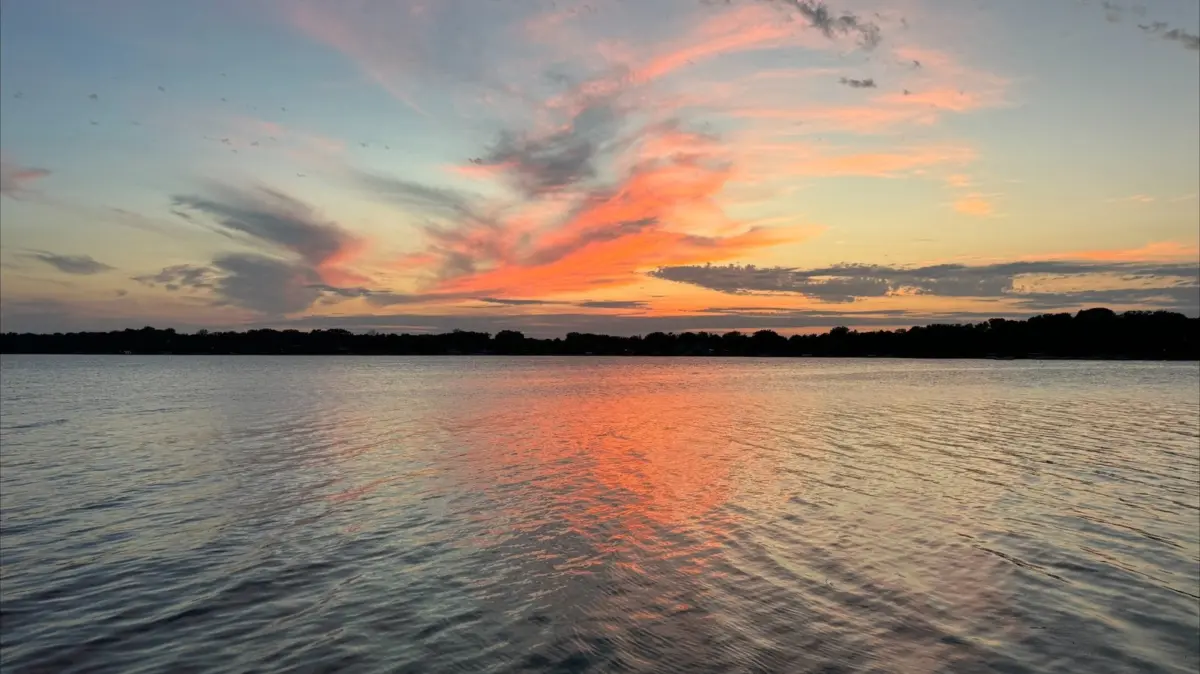
Centered around the sprawling, 680-acre surface of its namesake lake, this regional park functions as a premier day-use recreation area, seamlessly blending rigorous outdoor endurance with serene, family-friendly leisure. Whether visitors are seeking an invigorating hike through diverse native ecosystems, a sun-drenched afternoon on a meticulously maintained sandy beach, or a day of high-octane motorized boating and angling, Lake Minnewashta delivers a multi-faceted outdoor experience.
Crucially, the park strikes a rare balance in modern recreation management. It provides a genuine, deeply immersive respite from the concrete jungle without the isolation and arduous logistics typically associated with deep-wilderness escapes. Visitors can spend their morning navigating tranquil forest canopies or reeling in northern pike, and by late afternoon, easily reintegrate into the vibrant urban culture of the Twin Cities, capitalizing on Minneapolis’s nationally celebrated park systems. This comprehensive report explores the geography, recreational infrastructure, ecological diversity, and strategic appeal of Lake Minnewashta Regional Park, establishing its vital role in the regional ecosystem of Minnesota outdoor attractions.

Detailed Chronology and Geographical Evolution
From Glacial Legacy to Modern Regional Asset
The landscape defining Lake Minnewashta Regional Park is the product of ancient geological forces. Thousands of years ago, retreating continental glaciers carved deep depressions across the region and deposited rich, varied soils that would eventually support dense deciduous forests, expansive prairies, and complex wetland habitats. The lake itself—spanning 680 acres with protected bays and diverse underwater contours—became a crucial hydrological feature of Carver County.
For generations, the surrounding shoreline served as seasonal grounds for indigenous peoples drawn to the abundant fish populations, waterfowl, and fertile surrounding terrain. As European settlement expanded westward from Minneapolis in the 19th and early 20th centuries, the immediate watershed transitioned through agricultural phases before regional planners recognized the paramount importance of preserving its ecological integrity for public recreation.
The Development of the Regional Park District
The establishment and ongoing evolution of Lake Minnewashta Regional Park reflect a broader regional philosophy: the commitment to acquiring, preserving, and developing high-value natural spaces within proximity to the Twin Cities metropolitan area. Managed under the umbrella of Carver County Parks, the site was systematically developed not as an over-commercialized resort, but as a low-impact, high-amenity public resource.
Over the decades, infrastructure investments have been strategically deployed to enhance visitor access while safeguarding the delicate balance of the park’s woodlands, wetlands, and prairie loops. The creation of specialized zones—such as the expansive off-leash dog park, dedicated watercraft storage racks, and ADA-accessible paved trail networks—marks an evolution from a simple local swimming hole into a sophisticated, multi-use regional park capable of absorbing high volumes of visitors without sacrificing its intrinsic natural charm.
Supporting Context, Infrastructure, and Operational Metrics
Spatial Layout and Accessibility
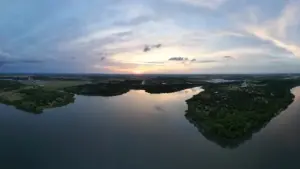
Spanning 340 acres of terrestrial landscape coupled with 680 acres of open water, Lake Minnewashta Regional Park is architected to accommodate diverse user groups simultaneously without spatial friction. The park’s infrastructure is explicitly designed for day-use visitors, prioritizing smooth traffic flow, clear directional signage, and efficient parking solutions.
Notably, the facility features dedicated parking infrastructure tailored for water sports enthusiasts, including 35 vehicle-trailer setups. This specific operational accommodation ensures that boaters, water-skiers, and paddlers can transition seamlessly from transit to the water. However, given the high demand during peak summer weekends, early arrival remains a prerequisite for securing these specialized spaces.
The Trail Network: Metrics and Topography
The park features a robust, interconnected trail system tailored to varied fitness levels, seamlessly blending paved accessibility with natural-surface immersion.
- The Woodlands Loop: Designed as an accessible 1.3-mile excursion, this trail guides hikers along the lake’s northeast shore before plunging into a rich canopy of mature oak and maple trees. Offering occasional panoramic vistas of the water, the trail features gentle topography, making it ideal for casual walkers and birdwatchers.
- The Lake Minnewashta Trail: Stretching 1.8 miles, this route utilizes a hybrid of paved and natural surfaces. Boasting a modest elevation gain of 62 feet, it can be comfortably completed in approximately 30 minutes. Its flat profile and picturesque lakeside positioning make it a favorite for dog walkers and casual fitness enthusiasts.
- The Marsh Trail and Prairie Loop: For those seeking a slightly more elevated challenge, this 2.2-mile route navigates complex wetland ecosystems and verdant prairie habitats. Encountering an elevation gain of 111 feet, the trail rewards hikers with immersive ecological views, particularly when timed to capture the sunset over the water.
Aquatic Recreation and Fishery Metrics
Water forms the literal and figurative core of the park’s appeal. The 680-acre lake is zoned to accommodate both non-motorized and motorized activities. Protected bays offer safe, calm conditions for novices and families utilizing canoes, kayaks, and stand-up paddleboards, while open stretches easily support motorized boating and water skiing.
To encourage watercraft usage without the burden of constant trailering, the park provides seasonal storage rack rentals from May through October.
Angling at Lake Minnewashta has experienced a cultural resurgence, buoyed in part by younger generations rediscovering traditional outdoor pastimes. The park features a dedicated fishing pier just steps from the main beach, alongside extensive shoreline access (prohibited immediately on the main swimming beach). The lake supports a diverse, healthy fishery comprising:
- Gamefish: Walleye, largemouth bass, and northern pike.
- Panfish and Bullheads: Bluegill, yellow perch, and black, brown, and yellow bullhead.
Family Amenities and Canine Infrastructure
Beyond the trails and water, the park is celebrated for its family-centric amenities. The sandy beach is meticulously maintained, featuring a clean shoreline and a clearly demarcated shallow swim zone. Supporting infrastructure includes modern restrooms and convenient outdoor shower areas designed to rinse away sand before visitors return to their vehicles.
Furthermore, the park addresses the needs of pet owners through an expansive, 18-acre fenced dog park. Divided by canine size to ensure safety, the zone includes its own dedicated one-mile off-leash trail, allowing dogs to exercise freely across varied terrain.
Official Perspectives and Expert Assessments
Park management and urban planning experts consistently highlight Lake Minnewashta as a benchmark for regional recreation design. According to regional parks administration reports, the objective of spaces like Minnewashta is to provide ecological decompression for urban populations without necessitating multi-hour automotive commutes.
Public sentiment mirrors institutional praise. Reviewers on geographic and travel platforms frequently emphasize the park’s immaculate upkeep and versatility. One prominent Google Maps reviewer noted that the park is an ideal place to "enjoy the beauty for yourself," praising its ability to offer deep natural immersion paired with functional, high-end amenities.
Another visitor highlighted the practical design of the shoreline facilities, observing that the beach area successfully "has bathrooms and an outside shower area to clean off the sand."
Urban planning analysts note that Lake Minnewashta operates as a crucial pressure valve for the Twin Cities metropolitan area. By distributing recreational demand across diverse regional parks—such as balancing visits between Lake Minnewashta and nearby facilities like Lebanon Hills Regional Park—the municipal and county networks prevent overcrowding while maintaining high standards of environmental conservation and visitor satisfaction.
Future Outlook and Regional Integration
As the Minneapolis-St. Paul metropolitan area continues to experience steady population growth and demographic shifts toward outdoor recreation, the strategic importance of regional parks like Lake Minnewashta will only intensify. Future municipal planning frameworks increasingly emphasize multi-modal accessibility, enhanced ecological restoration of prairie and wetland zones, and the integration of smart-park infrastructure to manage visitor flow during peak seasonal windows.
Moreover, the enduring popularity of activities ranging from paddleboarding and cross-country skiing (for which trails are specially groomed upon snowfall) to the TikTok-driven renaissance of recreational fishing guarantees that Lake Minnewashta will remain relevant across generations.
Ultimately, Lake Minnewashta Regional Park stands as a testament to thoughtful landscape management. By harmonizing robust recreational infrastructure with protected natural habitats—all while remaining tethered to the vibrant cultural ecosystem of Minneapolis—it secures its place as an irreplaceable jewel in the crown of Minnesota’s outdoor destinations.