



Executive Overview
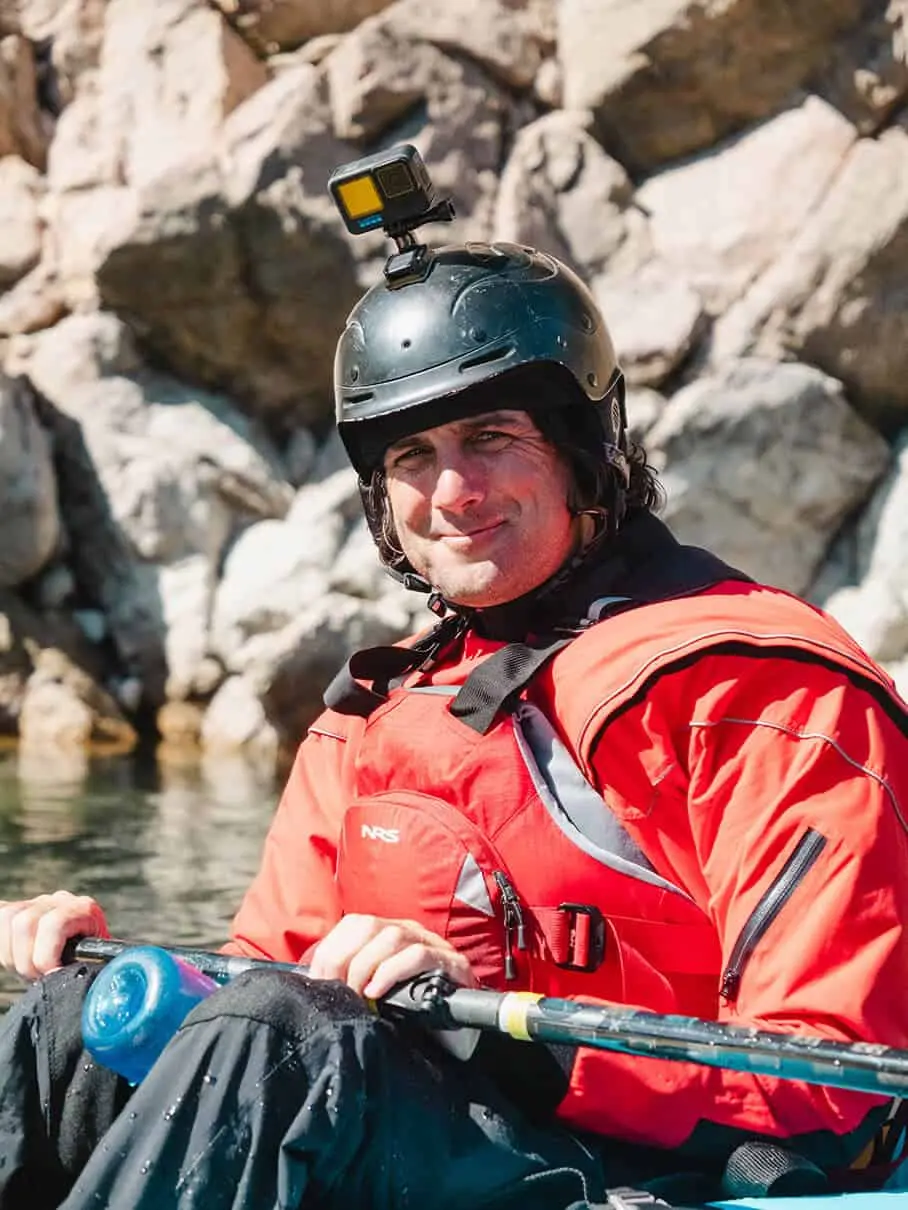
For 43-year-old Yak Van Dam, the sound of rushing water was the soundtrack to his existence. Growing up in rural New Zealand, Van Dam rejected the conventional trappings of modern employment, turning his back on office cubicles in favor of a life defined by whitewater. Over 16 years, he established himself as an elite river guide, chasing formidable currents across New Zealand’s North Island—tackling legendary runs on the Kaituna River and navigating the churning hydraulics near Huka Falls.
His life changed irrevocably on a weekend excursion in Europe. While working as a guide on Switzerland’s Vorderrhein River, Van Dam and three companions traveled to Italy for a weekend of canyoning. During the descent, a catastrophic slip on a 42-foot ledge caused him to strike the cliff face during his fall. The resulting spinal injury left him paraplegic, stripping away the career, community, and elemental freedom he had spent his entire adult life cultivating.
What followed was an agonizing reckoning with his new reality. Confined to a wheelchair, Van Dam initially believed his days on the river were permanently behind him. However, his story is not one of permanent loss, but of profound reinvention. Five years after the accident, the advent of modern packrafting provided an unexpected gateway back to the water. Today, Van Dam is back in the rapids, tackling Class III whitewater, reclaiming his community, and starring in the award-winning documentary Riverbound: The Story Has Just Begun. His journey stands as a testament to human resilience, the evolution of adaptive adventure sports, and the unyielding pull of the river.
Detailed Chronology
The Formative Years: A Life Forged in New Zealand’s Canyons
Long before the accident altered his trajectory, Yak Van Dam’s life was inextricably bound to the outdoors. Raised in rural New Zealand, an outdoor education course introduced him to the visceral, high-stakes world of river running. The realization hit him immediately during guide training: conventional employment was entirely off the table.
“I was never going to make an office job,” Van Dam recalls.
For nearly two decades, he dedicated his existence to mastering the water. He became a fixture of the New Zealand whitewater scene, guiding commercial rafts and kayaking technical lines. His playground included some of the world’s most demanding natural watercourses, from the steep, continuous drops of the Kaituna River to the heavy, aerated volumes near Huka Falls. Guiding wasn’t merely a profession; it was a subculture, a fraternity of risk-takers, and an intimate relationship with nature that demanded absolute physical and mental engagement.
The Turning Point: The Italian Canyoning Accident
The trajectory of Van Dam’s life shifted dramatically six years ago. While based in Switzerland working as a river guide on the Vorderrhein, Van Dam took advantage of a weekend off. Alongside three friends, he traveled across the border to Italy to explore a local canyoning route—a sport involving descending steep, narrow gorges through a combination of walking, climbing, jumping, and swimming.

On the second major obstacle of the route, preparing to launch from a 42-foot ledge, tragedy struck. Van Dam slipped during his launch, failing to clear the drop cleanly. He impacted the canyon wall violently on his descent. The kinetic force of the impact inflicted severe trauma on his spinal cord.
Evacuated to a specialized medical facility in Switzerland, Van Dam spent the next six months navigating the physical and psychological devastation of trauma-induced paralysis.
False Hope and the Brutal Reality of Traditional Kayaking
During his prolonged hospitalization, Van Dam’s active mind constantly gravitated toward the water. Because his spinal injury was located relatively low on the spine and he retained minor hip mobility, medical assessments and his own internal calculations fostered a glimmer of hope.
“I thought, kayaking is going to be easy because you just use your hips,” he explains.
Equipped with this hypothesis, Van Dam tested his theory in the hospital’s rehabilitation swimming pool. Eager to prove that his core mechanics could compensate for his paralyzed legs, he climbed into a kayak and attempted to execute a standard whitewater roll—a fundamental maneuver where a capsized paddler rights themselves using body momentum and paddle technique.
The attempt failed catastrophically. As he capsized, he lacked the lower-body purchase and connection required to anchor himself in the boat. He fell out of the kayak entirely, confronting an unvarnished, brutal reality.
“Kayaking, which I was going to do in my head while lying in bed, was just gone,” Van Dam reflects.
The psychological blow was severe. With traditional kayaking foreclosed by his physical limitations, whitewater vanished entirely from his mental horizon. For years, the river remained an inaccessible theater of memory, accessible only through the stories of others and the bitter sting of what had been lost.
The Packrafting Renaissance
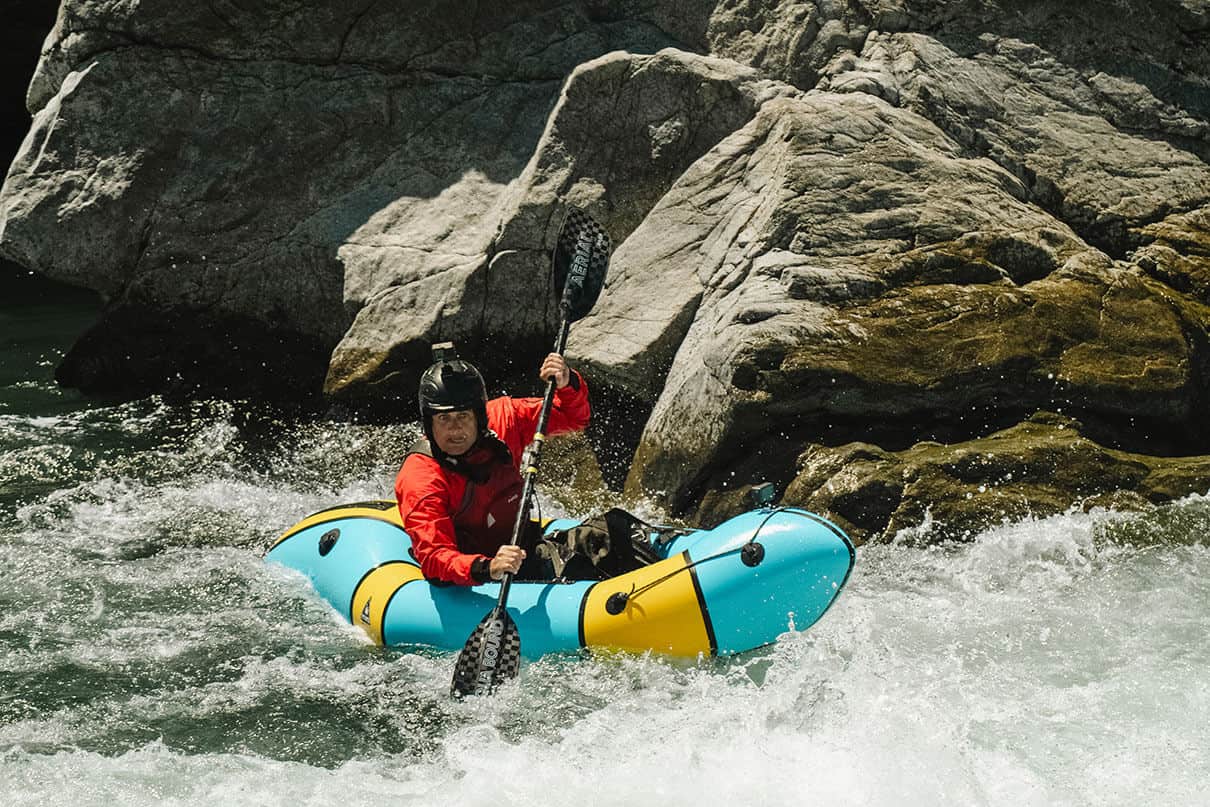
The turning point arrived five years post-accident, disguised as a casual recreational alternative. Introduced to packrafting—a sport utilizing lightweight, highly portable, yet remarkably durable inflatable rafts—Van Dam initially viewed the craft through a pragmatic, cautious lens. It offered a seemingly safer, lower-stakes vehicle to simply float on flat water alongside his able-bodied friends.
Yet, the dynamics of modern packrafts proved revolutionary. Sitting atop an open or lightly secured inflatable platform rather than locked inside a tight, enclosed hard-shell kayak hull, Van Dam discovered a completely different biomechanical dynamic.
During an early outing in his Alpacka raft, he tentatively tested the boat’s responsiveness. He crossed an eddyline—the boundary where swift current meets calmer, swirling water—executed eddy turns, and practiced ferry glides across the current. Crucially, when he intentionally tested his limits and capsized, he discovered he could easily re-enter the raft from the water.
The progression was rapid and intoxicating. What began as a cautious drift evolved into aggressive river running.
“It got bigger and bigger until the finale was running a class III section [of the Upper Buller],” Van Dam says, excitement evident in his recollection. “It blew my mind where we took it. It was game on. All because we were in packrafts, which cater to what I need to be on the whitewater.”
Supporting Context & Metrics
The Mechanics of Adaptive Packrafting
The resurgence of Van Dam’s river career highlights a broader, quiet revolution within outdoor recreation: the intersection of lightweight expedition gear and adaptive sports. Traditional whitewater kayaking requires a precise, highly technical lower-body connection. Paddlers use foot braces, thigh hooks, and a spray skirt to lock their hips and legs into the hard-shell hull, transferring energy from the core directly to the boat. For a paraplegic athlete with limited or absent leg function, maintaining this connection is extraordinarily difficult without custom, highly restrictive modifications.
Packrafting bypasses many of these traditional barriers:
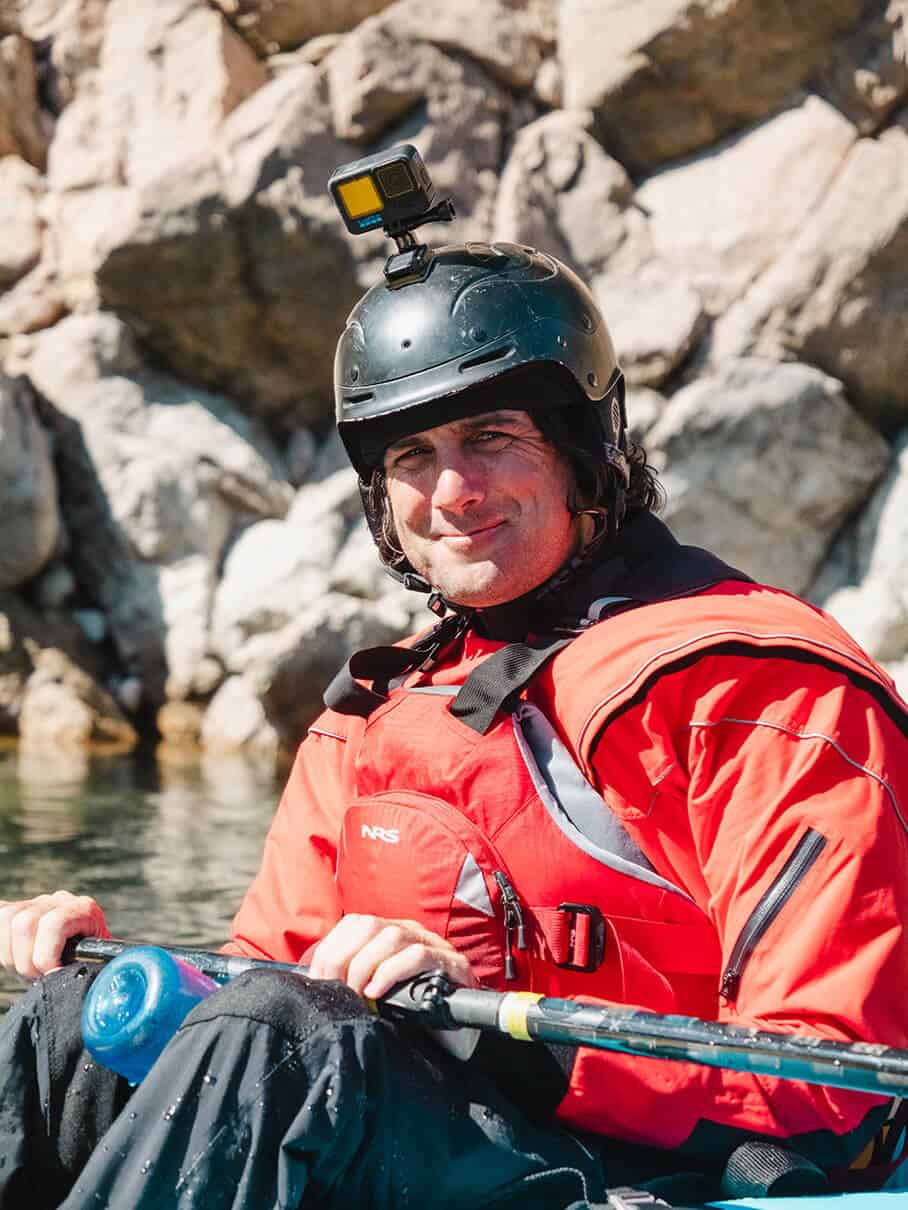
- Buoyancy and Stability: Inflatable packrafts possess immense primary and secondary stability, making them significantly harder to flip unintentionally compared to low-volume whitewater kayaks.
- Open-Deck Configurations: The absence of a rigid cockpit and tight spray skirt means that if an adaptive paddler does capriz, entrapment risks are minimized, and re-entry from the water is substantially simplified.
- Weight-to-Performance Ratio: Modern high-end packrafts are constructed from advanced polymer-coated fabrics (such as urethane-nylon blends), allowing them to withstand the abrasive abuse of Class III and IV boulder gardens while remaining light enough to be packed down and carried past un-runnable hazards.
The Human Toll: Mental Health and Social Isolation in Spinal Injuries
Van Dam’s narrative sheds light on the psychological dimensions of catastrophic injury among elite outdoor athletes. According to clinical data regarding individuals with spinal cord injuries, the transition from an active, high-adrenaline lifestyle to chronic physical limitations carries a severe risk of depression, social isolation, and identity crisis.
For Van Dam, the loss of physical autonomy was compounded by the severing of his social fabric. River guides and whitewater enthusiasts build deep-seated bonds forged in high-risk environments. When physical capacity vanishes, the phone calls inviting athletes on expeditions often stop.
Packrafting served not only as a physical rehabilitation tool but as a social bridge. By leveling the playing field and providing a watercraft suited to his functional needs, Van Dam re-entered the loop. The outreach from his community resumed, transforming isolation back into camaraderie.
Official Statements
Reflecting on his emotional journey from despair to triumph, Van Dam highlights the profound contrast between his initial post-accident grief and his current athletic achievements:
“There have been a lot of tears being in a wheelchair and missing out on a lot of the stuff I used to do. I was worried that would be the case again. But it was the opposite. It was just celebrations, high fives, such great moments, and you just keep ticking goals off and achieving stuff.”
Van Dam also notes the profound philosophical shift in how he experiences the natural world now compared to his pre-accident days as an able-bodied professional guide:
“While I’ve finally got the shoulders I always wanted, what’s changed most is my perspective. Having that taken away—the freedom of just being on the river, looking at nature—and then going back to it, I’m appreciating it so much more.”
Future Outlook
Yak Van Dam’s remarkable return to the river is no longer just a personal victory; it has captured the global imagination of the outdoor adventure community. His journey has been chronicled on film, resulting in a documentary titled Riverbound: The Story Has Just Begun.
The film has already achieved critical acclaim, capturing the prestigious Spirit Award at the New Zealand Mountain Festival. Currently, Riverbound is featured on the international screening circuit as part of the 2026 Paddling Film Festival, bringing Van Dam’s message of perseverance, adaptation, and reinvention to audiences worldwide.
As adaptive sports technology continues to evolve, athletes like Van Dam are redefining the boundaries of what is possible in extreme environments. For the New Zealand native, the story on the river has truly just begun, proving that while currents change and obstacles emerge, the human drive to find the flow remains unbroken.