





Executive Overview
For decades, public transit in the United States has operated under a rigid set of assumptions: buses must crawl through congested traffic, and riders must pay for the privilege at the farebox. Today, as urban centers grapple with mounting climate crises, severe economic inequality, and escalating fiscal deficits, a radical policy debate is reshaping the future of American mobility. Are "fast, free buses" merely a utopian campaign slogan—such as the high-profile pledges once championed by New York City leaders like Mayor Zohran Mamdani—or are they an urgent, pragmatic policy prerogative necessary for the survival of cities across the nation?
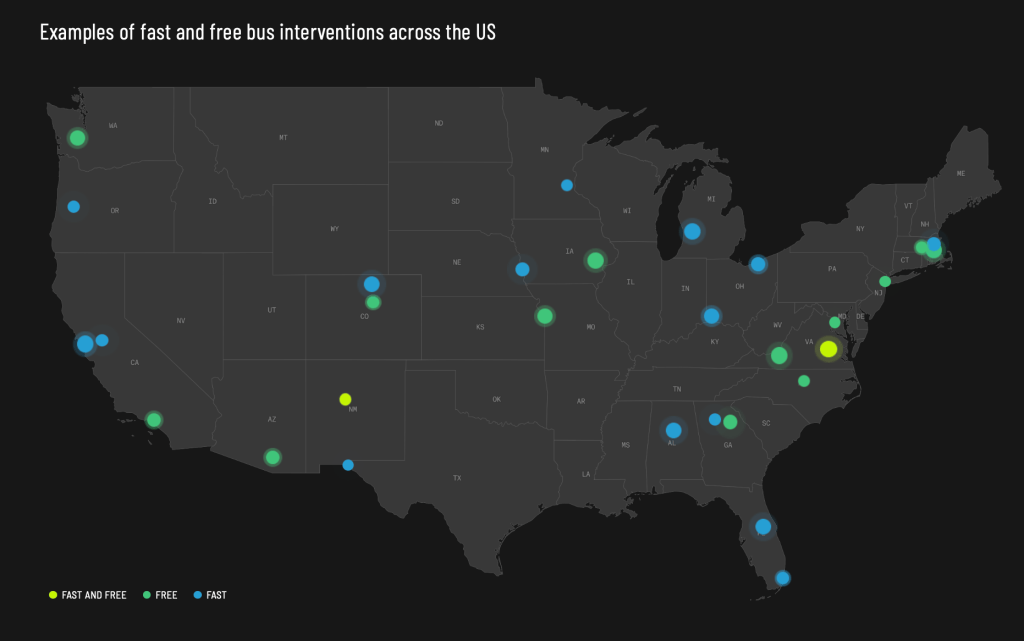
While the definitive results of New York City’s sprawling transit experiments are still pending, a growing body of research suggests that the movement for rapid, zero-fare public transit is far from an isolated metropolitan anomaly. According to a landmark report released by the Climate and Community Institute, smaller municipalities and mid-sized cities nationwide are quietly pioneering changes that combine dedicated transit corridors with zero-fare structures.
This deep dive examines the mechanics, economic realities, political hurdles, and profound human impacts of pairing fast transit with free access. As federal transit subsidies face unprecedented cuts and local agencies contemplate drastic service rollbacks, transit advocates and urban planners argue that synchronized "fast and free" policies are not a luxury—they are the key to building resilient, equitable, and economically vibrant communities.
Detailed Chronology and Evolution of the Movement
To understand where public transit is heading, it is essential to trace how cities have historically experimented with the two pillars of this movement: speed and fare elimination. For the most part, American transit agencies have treated these concepts as mutually exclusive, rarely attempting to implement both simultaneously.
The Evolution of "Fast": From Dedicated Lanes to Bus Rapid Transit
The pursuit of transit speed is not entirely new, though its implementation has been painfully slow across the United States.
- The 1970s: Pioneering cities like Pittsburgh began constructing dedicated bus corridors, recognizing that separating transit vehicles from general traffic gridlock was the only way to maintain reliable schedules.
- The Late 2000s: True Bus Rapid Transit (BRT)—featuring off-board fare collection, platform-level boarding, and dedicated runningways—began operational rollouts in metropolitan areas like Los Angeles, Cleveland, and Eugene, Oregon.
- Low-Lift Innovations: Alongside capital-intensive BRT systems, countless municipalities explored lower-cost interventions. Transit Signal Priority (TSP), which grants green lights an extended phase or switches red lights early for approaching buses, became a popular tool to shave crucial minutes off daily commutes without requiring massive infrastructure overhauls.
The Evolution of "Free": Downtown Loops to Statewide Mandates
Simultaneously, the concept of zero-fare transit has a long, localized history. For decades, dozens of cities have eliminated fares on specific routes, particularly within downtown business districts, university campuses, or tourist-heavy zones.
Furthermore, numerous small communities—particularly resort towns and ski hubs—transitioned to system-wide zero-fare models long ago. These smaller localities recognized early on that collecting fares was often a secondary priority compared to keeping traffic moving and visitors mobile.
Yet, as recent data highlights, the national conversation around fare collection has reached an economic tipping point. In 2024, U.S. transit agencies recovered an average of just 13 percent of their operating expenses from ticket sales. In several municipalities, such as Olympia, Washington, comprehensive internal audits revealed a startling reality: the administrative, technological, and labor costs associated with enforcing fare collection actually exceeded the total revenue generated by the fares themselves. As transit researchers note, many city leaders concluded that when it came to traditional fare collection, "the juice wasn’t worth the squeeze."
Supporting Context, Metrics, and the Power of Synergy
The core thesis of the Climate and Community Institute’s research is that while separate interventions—making buses fast or making them free—yield positive results, combining them creates a powerful positive feedback loop that fundamentally transforms urban mobility.
The Economics of Elimination
When transit agencies eliminate fares, the immediate impact on ridership is profound. A comprehensive study cited by researchers found that public transit ridership surges by an average of 56 percent following the complete removal of fares.
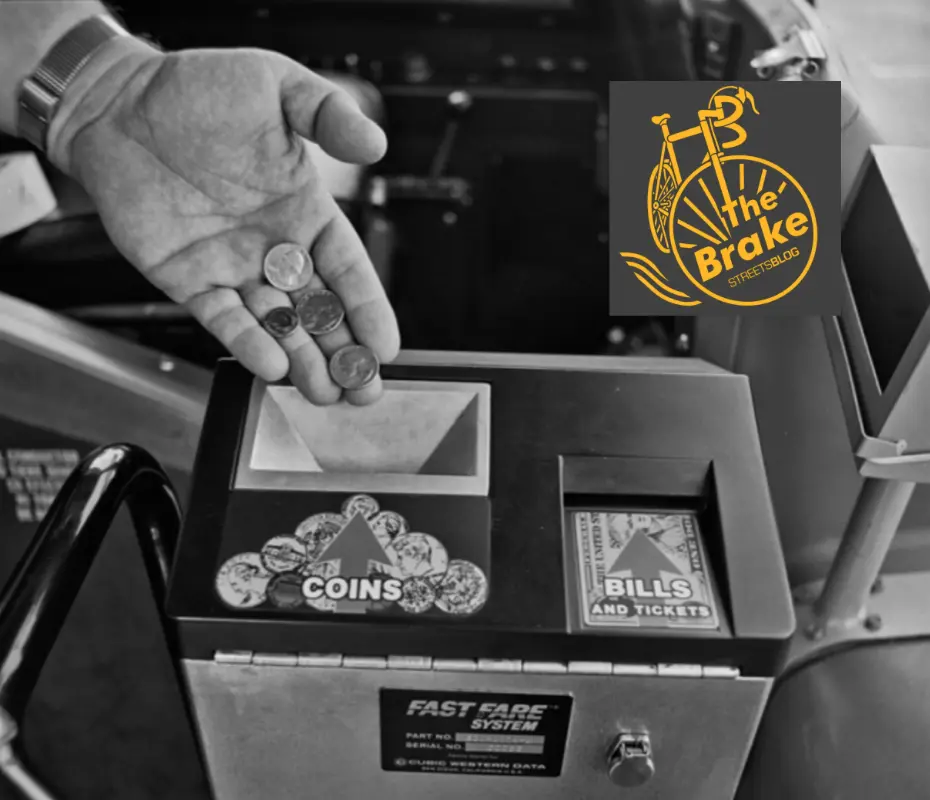
Beyond boosting raw numbers, zero-fare policies directly address operational bottlenecks. Without the ritual of passengers fumbling for fare cards, searching for loose change, or waiting for jammed electronic turnstiles, dwell times at bus stops plummet. Buses spend less time at the curb and more time in motion, accelerating route times organically.
Speed as a Catalyst for Cultural Shift
Conversely, speeding up routes through dedicated lanes and signal prioritization attracts a brand-new demographic of choice riders—individuals who otherwise rely on private automobiles. This influx of ridership improves overall system efficiency and shifts public perception.
John Stehlin, a professor at the University of North Carolina, Greensboro, and co-author of the Institute’s report, encourages skeptics to reframe how they view transit financing. He suggests viewing zero-fare public transit through the same societal lens as public libraries. Communities collect taxes and issue bonds to fund libraries, operating under the shared understanding that charging patrons per book checkout would defeat the institution’s public purpose.
However, researchers issue a vital caveat: making a broken system free is not a silver bullet. If a bus route is unreliable, infrequent, or poorly routed, zero-fare policies will fail to generate sustainable ridership increases, while simultaneously cannibalizing scarce operational revenues needed to upgrade infrastructure. Emmett Hopkins, Transportation Policy Manager for the Institute and co-author of the report, underscores this interdependence:
"This is evidence that we should really look at implementing fast and free together, because if you have a bus system that’s not working well enough for people and meeting their needs, then making it free is not going to attract a lot of people, but if we can do both together, then it can."
Human Impact: Beyond the Balance Sheet
Ultimately, the most compelling argument for fast-and-free transit transcends municipal budgets and ridership metrics; it is measured in human well-being. Hopkins points to numerous qualitative accounts of everyday individuals whose lives were materially improved when their local bus systems became faster and more accessible. Reliable transit keeps vulnerable populations connected to the vital pillars of modern life: stable housing, healthcare services, educational institutions, employment opportunities, grocery stores, recreational spaces, and—most importantly—their loved ones.
Official Statements and Policy Pathways Forward
Achieving the vision of nationwide fast-and-free transit is undeniably formidable, particularly against the backdrop of tightening economic realities. Federal lawmakers are currently pursuing steep federal transit cuts, while major transit agencies across the country—from Miami-Dade to San Diego and Jacksonville—face catastrophic budget deficits that threaten massive route suspensions and widespread service cuts.
Despite these fiscal headwinds, the authors of the Climate and Community Institute report insist that the roadmap to fast-and-free transit remains viable through targeted, ambitious state and local policy shifts.
1. Reallocating Capital Dollars at the State Level
Forward-thinking state Departments of Transportation (DOTs) already possess the regulatory and financial flexibility to "flex" capital funds away from highway expansion projects and toward public transit agencies. Redirecting these funds provides the capital necessary to plan, design, and construct high-performance infrastructure like Bus Rapid Transit corridors.
2. Dedicated Funding for Zero-Fare Operations
Advocates can successfully lobby state legislatures for explicit operational subsidies to eliminate fares. A prime example is Virginia, which eliminated transit fares in its capital city of Richmond at a cost of just $5 million—representing a mere 0.07 percent of the state DOT’s annual budget.
3. Dismantling Outdated Mandates
State legislatures must actively clear administrative roadblocks by abolishing outdated "minimum farebox recovery" mandates. These legacy policies legally require transit agencies to generate a set percentage of their operating budgets from ticket sales, effectively punishing agencies that want to experiment with accessible pricing models. Eliminating these mandates empowers localities to pass local bond measures, institute progressive municipal taxes, and explore alternative revenue streams to fund robust public transit networks.
4. Incremental Interventions
For cities where full-scale BRT redesigns and system-wide fare abolition are immediately out of reach, urban planners can start small. Interventions such as implementing Transit Signal Priority or making key downtown commercial routes permanently free can yield immediate improvements. As Hopkins notes, these targeted upgrades can be deployed rapidly: "That could happen in a matter of months or within a year—or, in some cases, almost immediately."
Future Outlook: Surprising Lessons from Conservative States
One of the most revealing takeaways from the Institute’s research is that the appetite for fast, free, and accessible transit is not confined to traditionally progressive coastal enclaves. In fact, some of the nation’s most successful implementations are taking root in politically conservative states where car-centric infrastructure has historically dominated planning priorities.
A standout case study is Birmingham, Alabama, which experienced a dramatic surge in transit ridership following the 2022 launch of the Birmingham Xpress—a 10-mile rapid transit project featuring modernized, zero-fare operations.
Reflecting on these findings, Professor Stehlin remains optimistic about the universal appeal of efficient public mobility:
"One of the things that we noticed when we did the research for this report was that we’re already seeing a lot of success in these kinds of initiatives in relatively conservative states. There are aspects of this that are more popular than a car-only agenda."
As American cities navigate the turbulent intersection of climate change, budgetary constraints, and infrastructure decay, the fast-and-free transit model offers a compelling alternative to car dependency. By treating public transportation as an essential, publicly funded utility rather than a profit-driven business, municipalities can clear the gridlock, empower their citizens, and forge a more sustainable urban future.