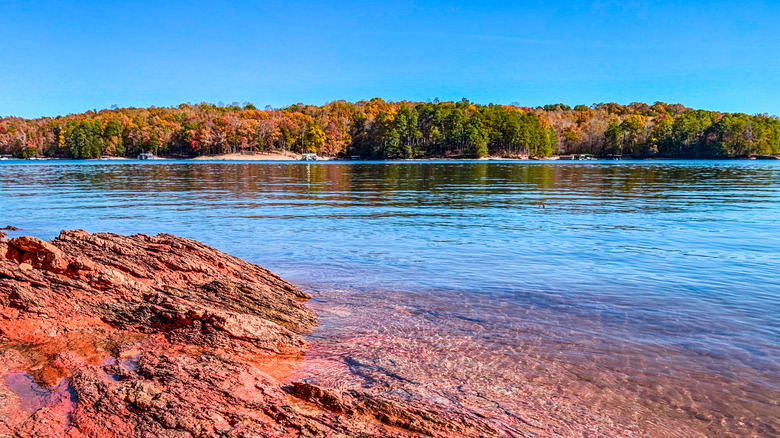
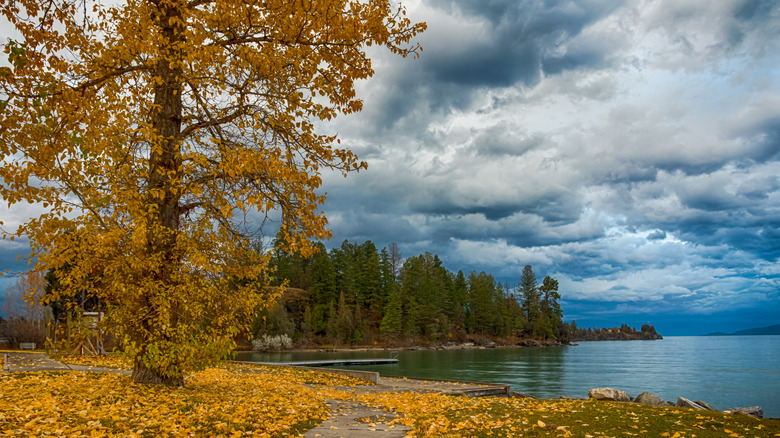
As the dog days of summer fade and the calendar turns toward the crisp months of autumn, a quiet transformation sweeps across the American landscape. While popular culture often reduces the season to pumpkin-spiced beverages and wool sweaters, millions of travelers know true autumn by another name: the fall foliage migration. Between late September and mid-to-November, leaf peepers and nature enthusiasts embark on pilgrimages to witness the annual pyrotechnic display of deciduous trees bursting into a kaleidoscope of fiery reds, brilliant oranges, and luminous yellows.
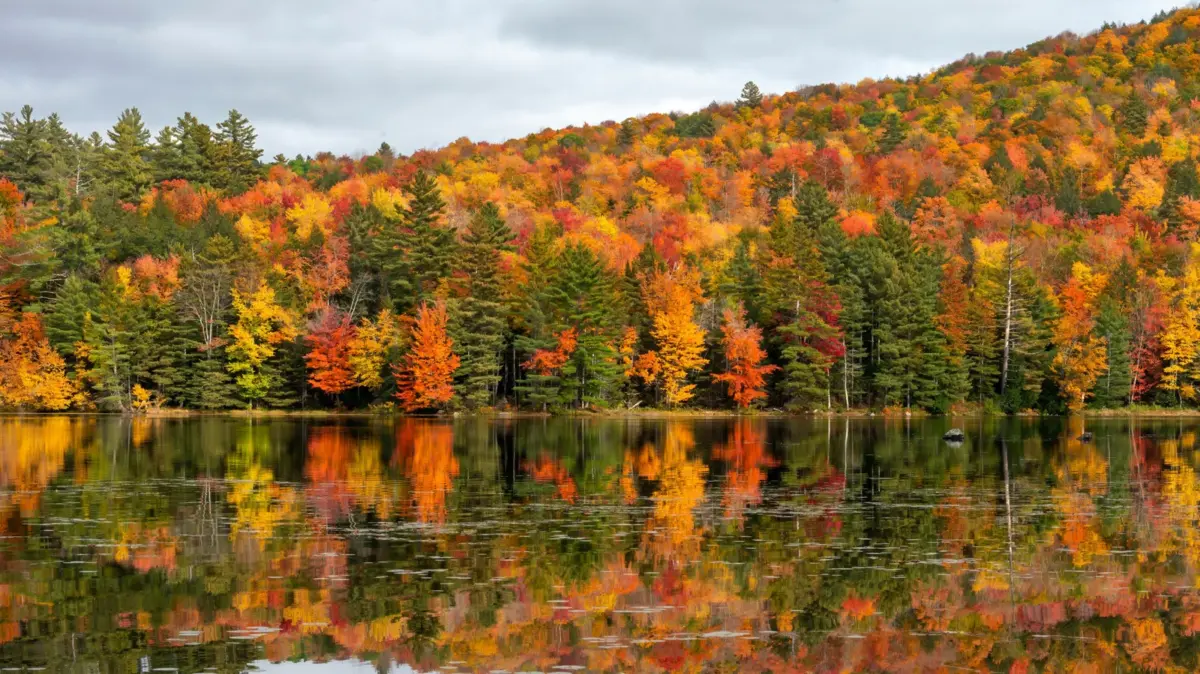
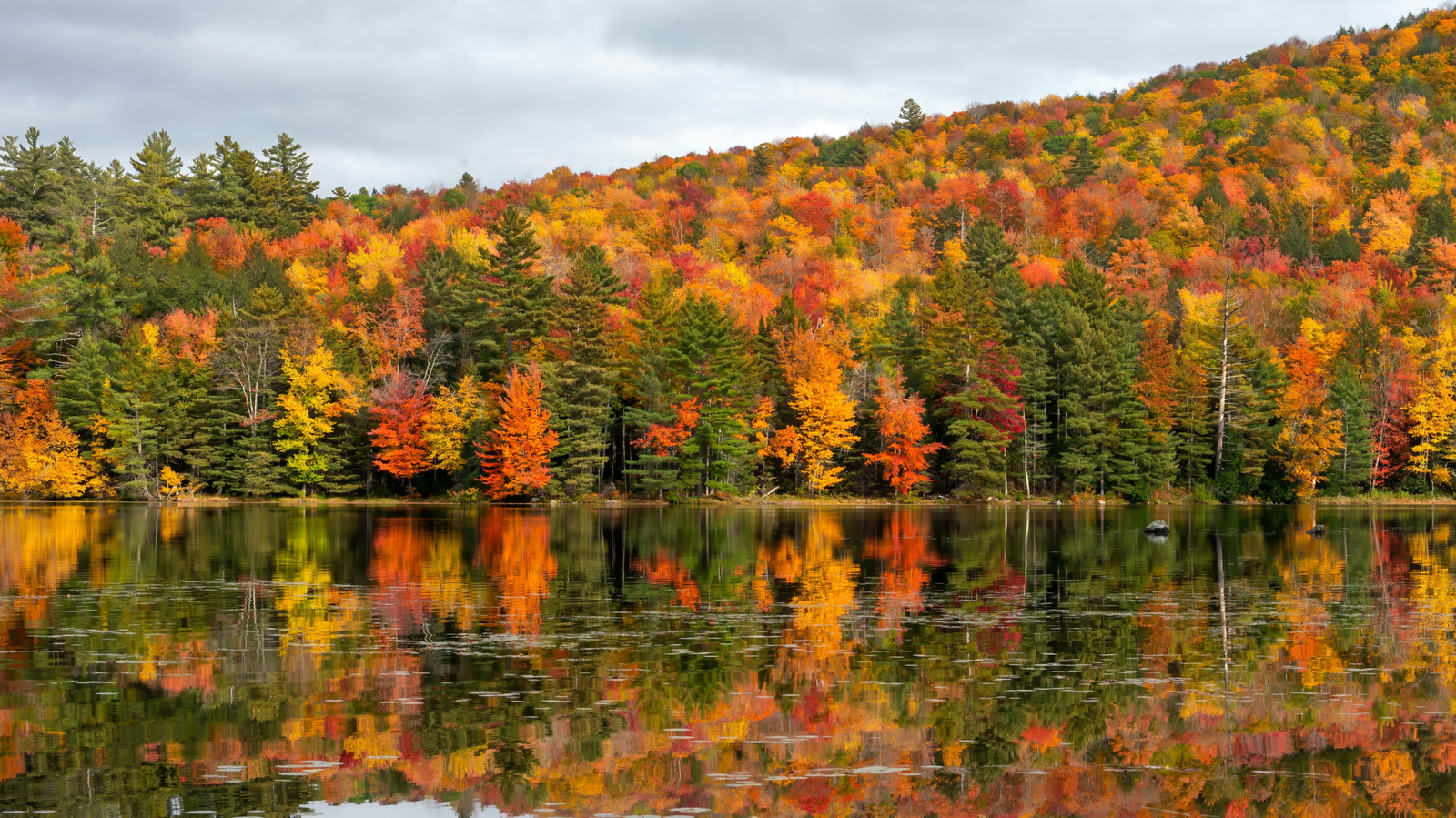
While mountain ridges and scenic parkways often capture the lion’s share of attention, lakes offer an entirely unique dimension to leaf-peeping. The presence of water transforms the seasonal display into a double feature, casting flawless, shimmering reflections of colored canopies across mirror-like surfaces. From the rugged glacier-carved basins of Alaska to the sun-warmed reservoirs of the American South, the United States is home to countless aquatic environments framed by maples, birches, oaks, and aspens.
To help travelers navigate this vast natural canvas, a rigorous review of geographic data, automotive recommendations, regional tourism boards, and national outdoor publications—including AAA, World Population Review, and Savannah Now—was conducted. This comprehensive analysis has narrowed down the premier destinations to 10 exceptional lakes across the country. Whether explored via scenic highway road trips, intimate kayak excursions, or vintage watercraft tours, these 10 bodies of water represent the absolute pinnacle of American autumn scenery.
Detailed Chronology: The Seasonal Progression of Fall Foliage
Understanding when to visit is just as important as knowing where to go. The autumn color change is a biological clock dictated by daylight hours and temperature drops, rolling across the North American continent in a predictable yet fleeting wave from north to south and high elevations to lowlands.
Late August to Early September: The Northern Frontier
The first whispers of autumn arrive in the sub-arctic and alpine climes long before the rest of the country feels the chill. In places like Eklutna Lake, Alaska, the change begins as early as late August. Birch and quaking aspen trees respond swiftly to shortening daylight hours, painting the Chugach State Park landscape in brilliant yellows while summer is still technically in session. Similarly, high-elevation alpine zones in the Mountain West begin to shift during this window, offering an early preview for eager travelers.
Mid-to-Late September: New England and High-Altitude Peaks
By mid-September, the chromatic wave reaches the northern tier of the contiguous United States and high-altitude sanctuaries in the West.
Lake Willoughby, Vermont, and the surrounding Northeast Kingdom enter their initial stages of transformation, driven by dense stands of sugar maples and black cherry trees.
Out west, Jenny Lake, Wyoming, nestled against the dramatic backdrop of Grand Teton National Park, hits its stride during late September and early October. Quaking aspens and cottonwoods ignite in brilliant gold against the snow-dusted peaks, creating a high-alpine visual masterpiece.
Early to Mid-October: The Heartland, Mid-Atlantic, and Great Lakes
October is universally recognized as the peak month for the vast majority of America’s premier leaf-peeping destinations. During this window, the color palette deepens to include rich scarlets, deep burgundies, and brilliant ambers.
The Finger Lakes region of New York reaches peak chromatic splendor, framing its 11 glacial basins and sprawling vineyard terraces in autumn hues.
Geneva Lake, Wisconsin, and Moosehead Lake, Maine, experience their prime viewing periods. In Maine—ranked among the top states nationally for fall colors—sugar maples, birches, and beeches create a striking contrast against emerald-green pines.
Out West, Spooner Lake, Nevada, and Flathead Lake, Montana, showcase the brilliant golden needles of larch trees and aspens against clear, deep waters.
Late October to Early November: The Southern Descent
As autumn winds down in the North, the wave of color sweeps into the American South, where milder climates delay the peak until late in the season.
Lake Norman, North Carolina, and Lake Lanier, Georgia, experience their most breathtaking periods from late October through early November. Here, sweetgums, oaks, and maples put on a spectacular display across sprawling southern reservoirs, proving that world-class fall foliage is not exclusively a northern phenomenon.
The Top 10 US Lakes for Breathtaking Fall Foliage
1. Spooner Lake, Nevada
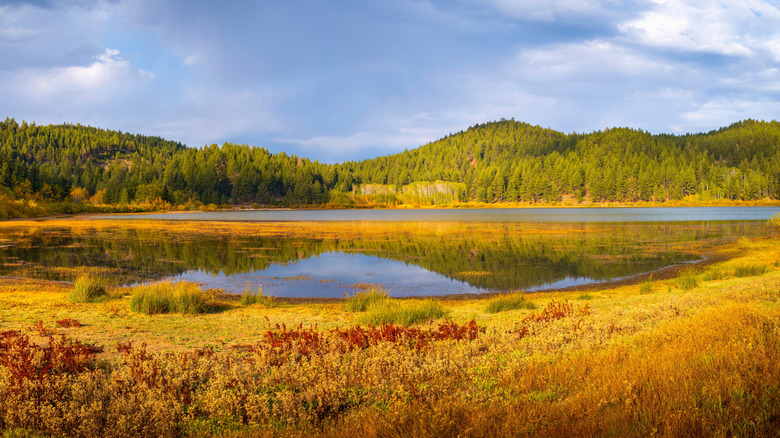
When travelers think of the Lake Tahoe region, visions of deep azure waters and alpine summer resorts usually come to mind. However, just a few miles from the famous lake’s eastern shores lies the quieter, intensely scenic Spooner Lake. Highlighted by automotive and travel authority AAA as a premier autumn destination, this small reservoir is located within the Lake Tahoe Nevada State Park.
The area is crisscrossed by accessible hiking trails winding through native pine and aspen groves. As temperatures drop, the aspens transform into shimmering beacons of gold that contrast sharply with the dark evergreens. For an immersive experience, the 2.5-mile Spooner Lake Trail offers an easy, flat loop along the water’s edge, ensuring unobstructed views of the brilliant seasonal palette reflecting off the calm alpine waters.
2. Eklutna Lake, Alaska
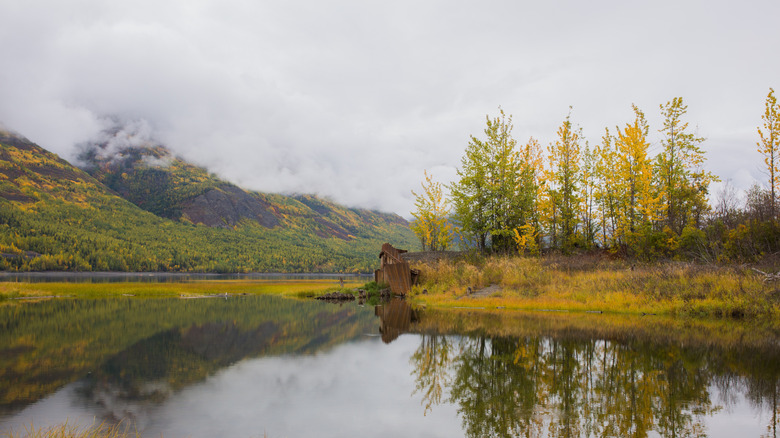
For travelers seeking an early-season escape, Eklutna Lake in Chugach State Park—situated just an hour outside of Anchorage—is an unmatched glacial paradise. Because of its northern latitude, vibrant autumn colors arrive here earlier than almost anywhere else in the country.
The 13-mile, one-way Eklutna Lakeside Trail traces the shoreline, flanked by dense populations of birch and quaking aspen trees that turn an intense, luminous yellow. Visitors who arrive in the early morning are frequently rewarded with glass-like water surfaces mirroring the surrounding peaks, while misty fog rolls down the steep mountain flanks, creating a moody, atmospheric landscape that feels entirely untouched by time.
3. Moosehead Lake, Maine
Maine commands a legendary reputation among leaf peepers, consistently ranking near the very top of national surveys for fall foliage quality. At the heart of this reputation is Moosehead Lake, the state’s largest body of water and an expansive outdoor recreation paradise located roughly three hours from Augusta.
The shoreline is a dense tapestry of sugar maples, birches, and beech trees boasting intense reds, oranges, and yellows, punctuated by sturdy, verdant pines. While exploring the historic harbor towns or hiking the surrounding peaks offers stunning ground-level perspectives, Moosehead Lake is uniquely celebrated for its scenic seaplane tours. Taking to the air provides travelers with an awe-inspiring, birds-eye view of the multi-colored canopy stretching across Maine’s north woods.
4. Geneva Lake, Wisconsin
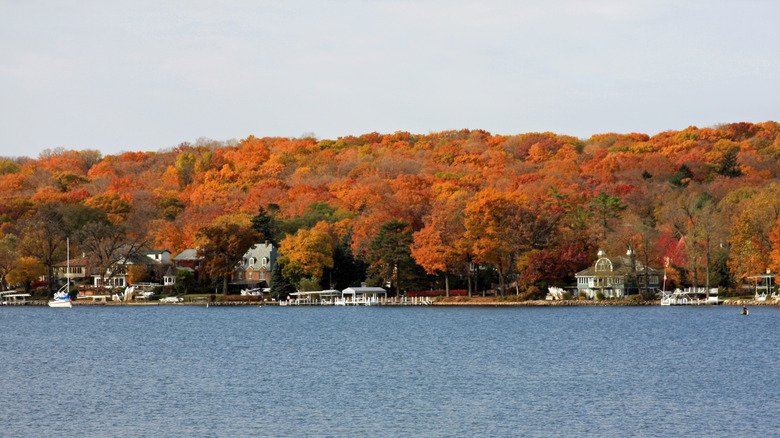
While its Swiss namesake is famous for alpine grandeur, Geneva Lake in southeastern Wisconsin—sandwiched between Milwaukee and Rockford, Illinois—captivates visitors with a distinctly Midwestern charm. Recognized by boating and recreation experts as one of the top lakes in the country for autumn viewing, Geneva Lake swaps towering mountain ranges for rolling, tree-lined shores punctuated by historic estates.
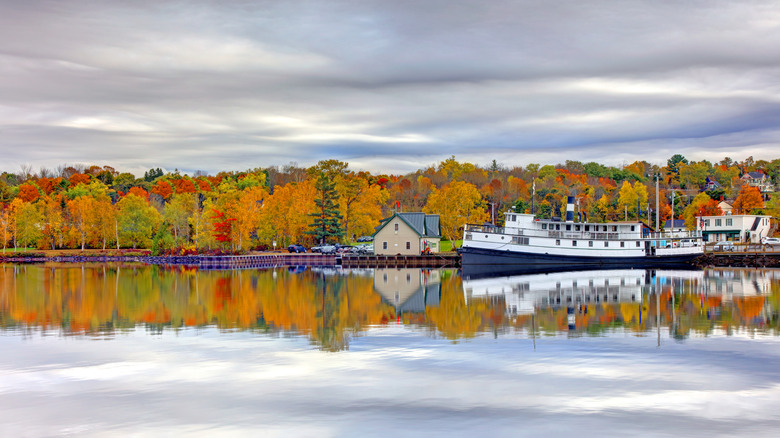
The autumn flora features an abundance of scarlet oaks, sugar maples, and quaking aspens. Visitors can absorb the vibrant hues from public beaches, stroll along the historic Lake Geneva Shore Path, or take to the water aboard vintage excursion vessels that offer public cruise tours through the heart of the autumn color display.
5. The Finger Lakes, New York
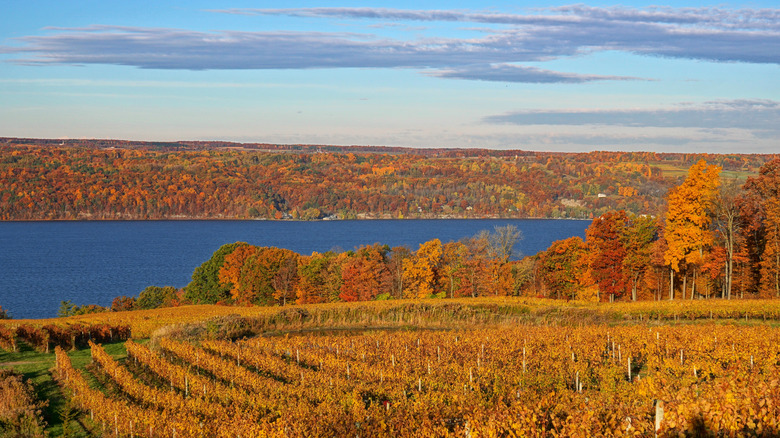
New York State’s Finger Lakes region is a geological and aesthetic marvel, offering travelers not just one, but 11 distinct, ribbon-like glacial lakes to explore. During the autumn months, the entire region undergoes a dramatic transformation, earning acclaim as one of the prettiest destination areas in the country.
For panoramic vistas, Carolabarb Park provides sweeping views of the foliage surrounding Canandaigua Lake. Travelers can structure their journey using specialized regional itineraries, such as the Visit Finger Lakes "Colors of the Season" driving routes, which guide motorists past rural farmsteads, cascading waterfalls, and historic towns. Crucially, the region is also renowned for its cool-climate viticulture; ending a day of leaf-peeping with a glass of local Riesling at a lakeside vineyard during golden hour is an quintessential New York experience.
6. Lake Norman, North Carolina
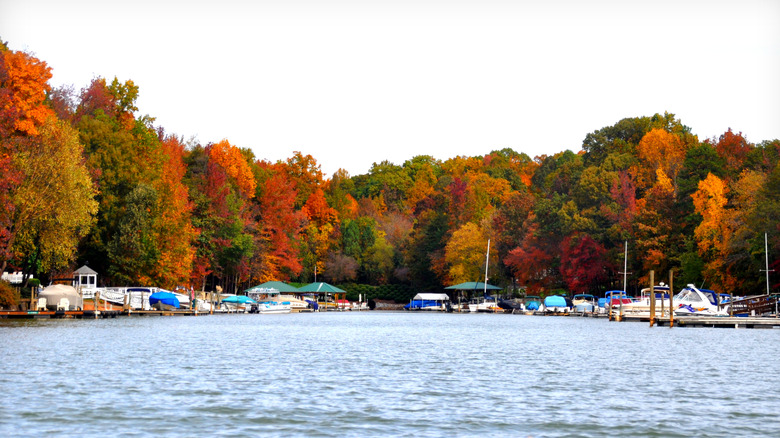
Proving that exceptional fall foliage extends far south of the Mason-Dixon Line, Lake Norman serves as a premier autumn haven in the Piedmont region of North Carolina. According to geographic data compiled by Lake.com, peak fall colors typically arrive at Lake Norman later in the season, running from late October through early November.
As a renowned hub for boating and angling, the lake offers extensive aquatic access. Renting a kayak or paddleboard allows visitors to navigate intimate coves and inlets where sweetgums, maples, and oaks dip their colorful branches directly toward the water. Situated just north of Charlotte, Lake Norman provides an accessible weekend getaway for urbanites seeking a quiet immersion in southern autumn charm.
7. Lake Willoughby, Vermont
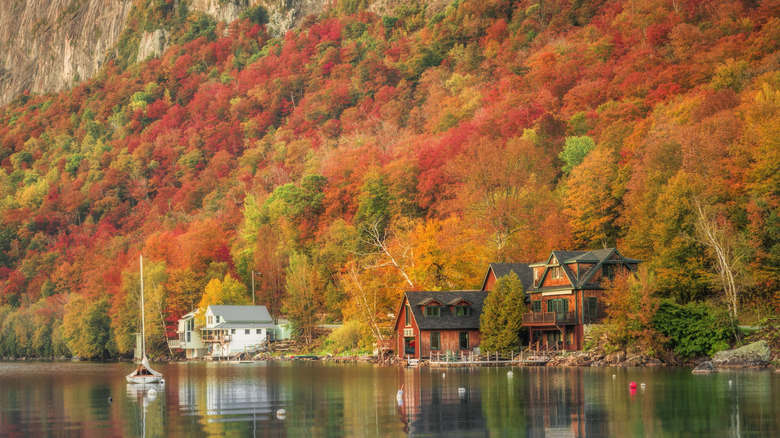
Vermont is frequently cited as the spiritual home of American leaf peeping, and local travel experts widely regard Lake Willoughby as the crown jewel of the state’s northeastern corner. Tucked deep within the rugged landscape of the Northeast Kingdom, Lake Willoughby occupies a dramatic glacial trough carved between the steep cliffs of Mount Pisgah and Mount Hor.
The resulting topography gives the lake a distinctly fjord-like appearance reminiscent of Norway. In the fall, the dense forests blanketing the cliff faces explode in a brilliant mosaic of maples, birches, and black cherries. Driving along Route 5A, a scenic 20-mile stretch hugging the eastern shore, delivers some of the most dramatic and photographed autumn vistas in the entire Northeast.
8. Lake Lanier, Georgia
Georgia boasts numerous scenic waterways, but Lake Lanier stands out as a heavyweight champion of southern autumn recreation. In a comprehensive study by boat-booking authorities highlighted by Savannah Now, Lake Lanier was ranked as the top lake in the United States for fall foliage views from the water.
Encompassing a staggering 38,000 acres of water and hundreds of miles of wooded shoreline, the lake provides boundless opportunities for exploration. Don Carter State Park—the only state park situated directly on Lake Lanier—offers modern campsites and secluded picnic areas, allowing overnight visitors to witness the gradual shift of morning light and evening dusk across the vibrant, changing canopy.
9. Flathead Lake, Montana
Renowned as one of the cleanest natural lakes in the world, Flathead Lake in northwest Montana is equally celebrated as a premier destination for autumn landscape photography. Nestled at the base of the majestic Mission and Swan mountain ranges, the lake’s expansive shorelines transform dramatically when autumn arrives.
The defining visual characteristic of Flathead Lake in October is the transformation of its native western larch (tamarack) trees. Unlike most conifers, larches are deciduous conifers that turn a brilliant, glowing golden-yellow before dropping their needles for the winter. This vibrant yellow hue, set against snow-capped mountain peaks and crystal-clear glacial water, creates an unforgettable alpine autumn spectacle.
10. Jenny Lake, Wyoming
Rounding out this elite list is Jenny Lake, a crown jewel located within the jagged embrace of Grand Teton National Park. Earning top-tier recognition from AAA and national park advocates alike, Jenny Lake offers an autumn landscape defined by high-altitude drama.
The crystalline waters reflect the imposing, snow-covered granite peaks of the Teton Range, framed along the shoreline by thick groves of quaking aspens, cottonwoods, and wispy willows. Timing a visit for mid-to-late September or early October catches the brief window when the aspens turn a radiant, shimmering gold, contrasting sharply against the dark blue water and the pale stone of the mountains.
Supporting Context & Metrics
The economics and logistics of leaf peeping represent a massive sector of the American travel industry. According to economic impact studies compiled by regional tourism boards and state park systems, autumn travel generates billions of dollars in revenue for rural communities that experience shoulder-season lulls after Labor Day.
Geographic Distribution: The 10 selected lakes span eight distinct states across four time zones, proving that exceptional autumn scenery is a nationwide phenomenon rather than an exclusive Northeast privilege.
Duration of Peak Season: While northern locations (such as Eklutna Lake and Lake Willoughby) experience peak color windows lasting roughly two to three weeks, southern reservoirs (such as Lake Lanier and Lake Norman) benefit from a more extended, gradual transition period due to milder regional temperatures.
Mode of Exploration: Data indicates a roughly 60/40 split between land-based exploration (scenic drives and hiking trails) and water-based activities (kayaking, pontoon rentals, and commercial boat cruises), highlighting the vital role that lake environments play in offering diverse vantage points.
Official Statements and Industry Insights
Tourism and automotive authorities emphasize the unique logistical advantages of exploring fall foliage via lakeside destinations.
Representatives from AAA Travel noted in regional advisory publications:
"Lakeside autumn travel offers a distinct advantage over traditional mountain highway driving. By combining terrestrial hiking trails with water-based excursions, travelers escape highway congestion and experience the autumn color spectrum reflected from multiple angles, significantly enhancing the overall aesthetic and recreational value of the trip."
Similarly, environmental analysts from conservation groups monitoring park infrastructure emphasize the importance of sustainable travel during peak seasons. State park administrators at destinations like Don Carter State Park on Lake Lanier advise visitors to utilize weekday travel windows and designated recreational trails to minimize environmental impact while maximizing photographic opportunities.
Looking ahead, the future health and predictability of America’s fall foliage seasons face complex environmental variables. Forest ecologists and climatologists note that shifting weather patterns, prolonged summer droughts, and rising global temperatures can influence the timing and vibrancy of autumn leaf color changes. Extended warmth can delay the onset of peak colors, while sudden unseasonal frosts can cause leaves to drop prematurely without reaching their full chromatic potential.
Despite these environmental shifts, public land management agencies, state park systems, and local tourism bureaus are heavily investing in sustainable tourism infrastructure. By promoting responsible outdoor ethics—such as adhering to designated trails, supporting local agricultural and viticultural economies, and encouraging off-peak weekday travel—destinations from Maine to Nevada are ensuring that these 10 extraordinary lakes will continue to put on their breathtaking autumnal displays for generations of leaf peepers to come.