










Executive Overview
For decades, the standard playbook for American retirement pointed firmly south. Florida’s endless sunshine, tax structures, and sprawling master-planned communities have long served as the default destination for retirees seeking to escape harsh northern winters. However, soaring housing costs, burgeoning populations, and increasing climate vulnerabilities in the Sunshine State have forced many lifestyle-conscious downsizers to look elsewhere.
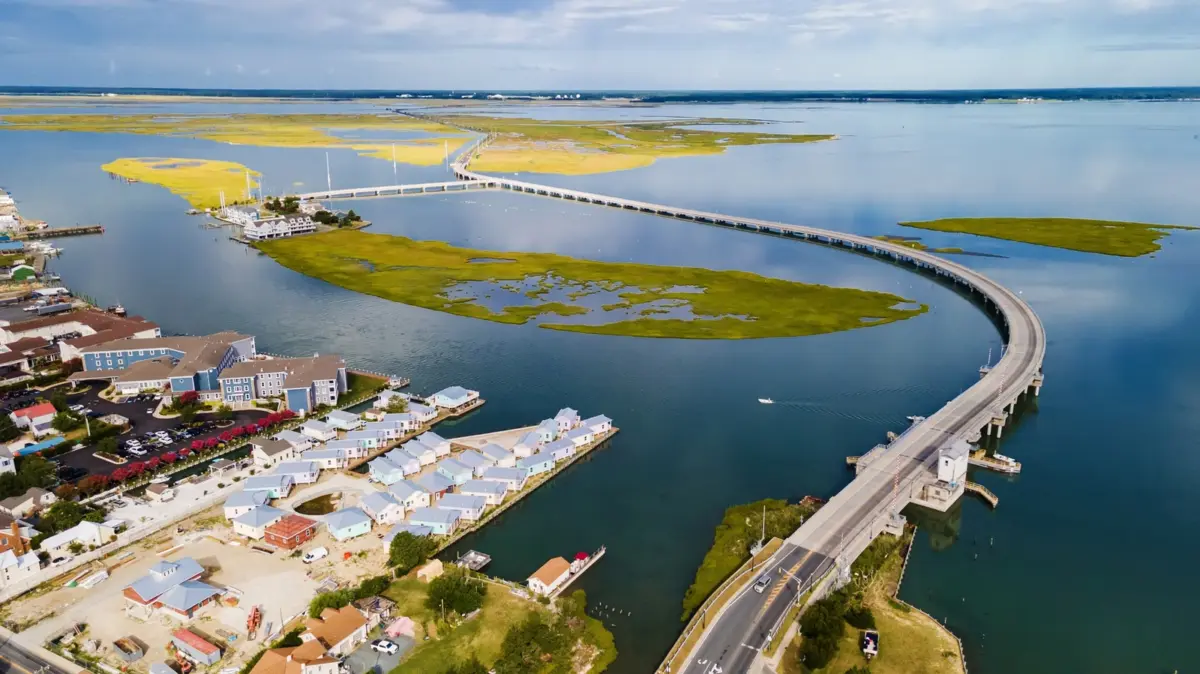
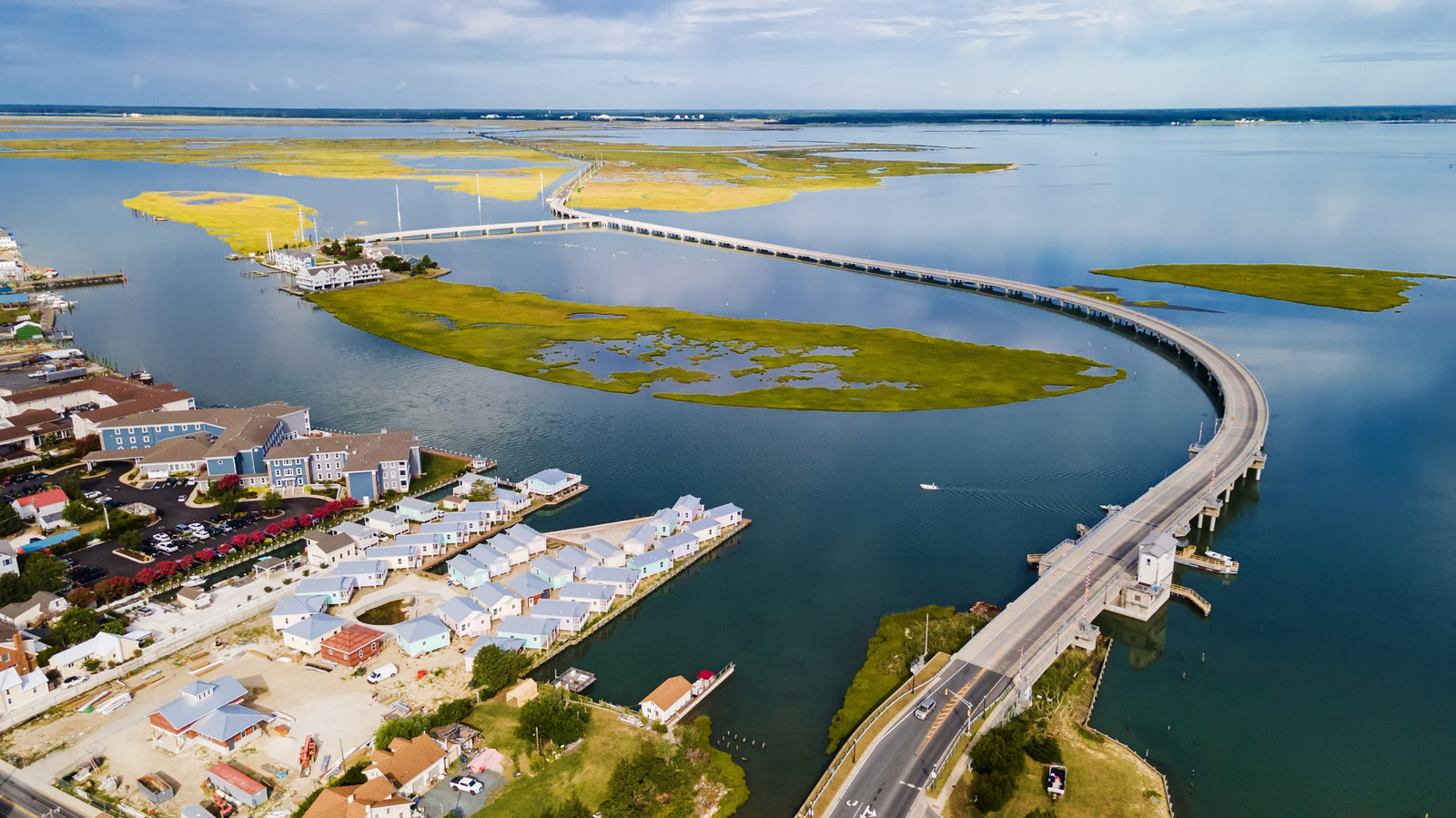
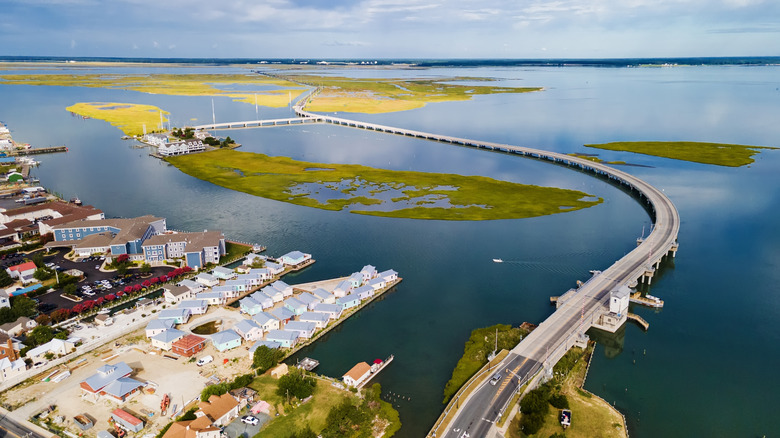
Enter the Mid-Atlantic: a region rich in maritime heritage, small-town neighborliness, and temperate coastal beauty. Among its hidden gems, Accomack County, Virginia—situated on the picturesque Delmarva Peninsula—stands out as an exceptional alternative. Comprising a major portion of Virginia’s Eastern Shore, Accomack boasts the East Coast’s most extensive remaining wild coastline. It offers a rare trifecta for retirees: exceptionally affordable living, deep historical character, and abundant, uncrowded outdoor recreation.
Far from a sleepy backwater, Accomack County is a vibrant coastal community where nearly 30% of its roughly 34,000 residents are aged 65 or older. Supported by active senior networks, historic downtown districts, and a slower, more deliberate pace of life, this coastal escape is redefining what a retirement destination can and should be.
Detailed Chronology: A Tapestry of History and Coastal Development
Understanding Accomack County requires looking back through centuries of maritime and indigenous history. The region’s roots are deeply embedded in the American narrative, shaped by early settlement, maritime commerce, and preservation.
17th Century: Indigenous Beginnings and European Settlement
Long before European settlers arrived, the region was inhabited by Native American tribes who relied on the abundant seafood and fertile marshlands of the Delmarva Peninsula. By the mid-1600s, European colonists began establishing roots. Chincoteague Island, now the county’s largest town, was first settled in the 17th century, laying the groundwork for a unique island culture centered around fishing, oystering, and coastal isolation.
1680–1800s: The Architectural Evolution of Onancock
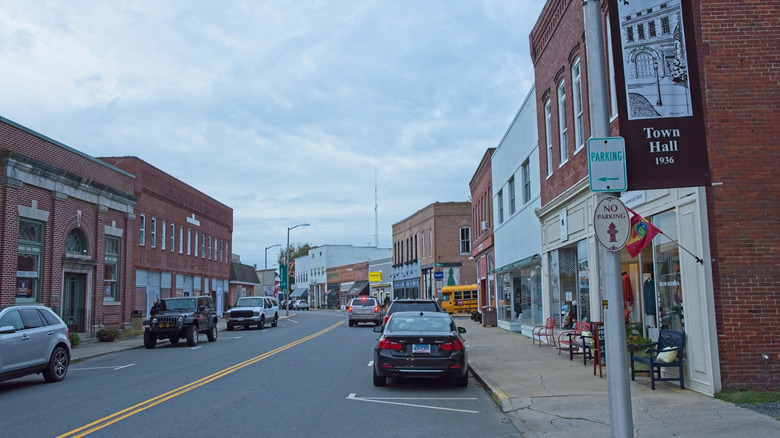
Roughly 30 miles south of Chincoteague, the town of Onancock was founded in 1680. Over the next two centuries, it blossomed into a bustling port and commercial hub. Today, its Historic District preserves roughly 200 years of architectural heritage, featuring grand Victorian-era homes, merchant dwellings like the historic Ker Place (built in 1799–1803), and maritime storefronts that tell the story of a bygone era of coastal trade.
The 19th and 20th Centuries: Maritime Lore and Preservation
The 1800s brought critical navigational infrastructure to the treacherous yet stunning barrier islands. The iconic Assateague Lighthouse, erected in 1867, began guiding ships safely past the shifting shoals. Simultaneously, local traditions took root—most notably the legendary Pony Penning and Carnival, which evolved from an annual livestock roundup into a world-famous cultural touchstone. The 20th century further cemented the region’s character through the establishment of protected federal lands, shielding the fragile barrier islands from overdevelopment and preserving a pristine natural sanctuary for generations to come.

Supporting Context & Metrics: Cost of Living, Climate, and Community Demographics
When evaluating a retirement destination, practical metrics matter just as much as scenery and history. Accomack County scores remarkably high across economic, climatic, and demographic indicators.
Financial Affordability
Housing remains one of the most pressing concerns for modern retirees. According to real estate data platforms like Niche, average home values in Accomack County sit approximately 40% lower than the national average. Financial cost-of-living trackers, such as WatchPennies, consistently rank the county among the most economically viable regions in the Commonwealth of Virginia. Property taxes and everyday goods and services remain remarkably restrained compared to major metropolitan hubs or heavily commercialized coastal retirement zones.
Climate and Weather Patterns
Accomack County offers a true four-season experience without the punishing extremes of the deep North or the relentless humidity and hurricane risks further south.
- Summers: Warm and sun-drenched, with average daily highs lingering comfortably in the 70s and 80s from May through September.
- Winters: Mild by East Coast standards. While the area experiences all four seasons, winter snowfall is minimal, and average overnight lows consistently remain above 30 degrees Fahrenheit even during the chilliest months of December and January.
Demographics and Social Infrastructure
Retirees moving to Accomack County will find an instant peer group. Approximately 30% of the county’s population is aged 65 or older. This demographic makeup has fostered a robust support network of senior-focused amenities:
- Senior Centers: Active community hubs in Onancock and Chincoteague organize regular programs, social clubs, and regional field trips.
- Community Spaces: Facilities like the Davis Center in Parksley and the Island Community House in Chincoteague offer multigenerational programming, arts workshops, and volunteer opportunities designed to help newcomers integrate seamlessly into local life.
Official Statements and Local Insights
Community leaders and regional preservationists emphasize that Accomack County’s primary allure lies in its intentional preservation of quiet, community-oriented living.
Local historical societies and municipal planners frequently highlight the region’s unique balance between historic preservation and modern livability. "You aren’t just buying a house here; you are becoming a steward of a historic landscape," notes regional tourism and community development advocates. "The pace of life allows people to breathe, to know their neighbors by name, and to engage meaningfully with the environment."
At the same time, local officials offer practical advice for prospective relocators—chief among them being transportation considerations. While historic downtowns like Onancock and Chincoteague are wonderfully pedestrian-friendly, the broader county requires a vehicle for daily errands. The local STAR Transit bus system provides vital regional connectivity, but its limited operating hours (Monday through Friday) mean that car-free living outside the immediate town centers can present logistical hurdles.
Future Outlook: Preserving Paradise for the Next Generation
As development pressures continue to encroach upon America’s remaining natural coastlines, Accomack County faces the delicate challenge of welcoming new residents while safeguarding its irreplaceable ecological and historical assets.
Sustainable Growth and Preservation
Conservation groups, federal wildlife agencies, and local municipalities are closely collaborating to ensure that the influx of retirees and remote workers does not compromise the county’s wild character. Strict zoning laws, heritage preservation guidelines for historic districts like Onancock, and the expansion of protected acreage within the Chincoteague National Wildlife Refuge ensure that the Eastern Shore will retain its untamed beauty.
Infrastructure and Senior Living Enhancements
Looking ahead, local healthcare networks and community non-profits are scaling their services to meet the needs of a maturing demographic. Investments in telehealth infrastructure, localized wellness programs, and accessible community spaces are transforming Accomack County into a model for aging-in-place within a rural, coastal setting.
The Verdict for Prospective Retirees
For those willing to trade the manufactured glitz of overbuilt southern resorts for authentic coastal living, Accomack County presents an unbeatable proposition. With its affordable housing, mild climate, rich maritime heritage, and boundless outdoor recreation, this corner of Virginia’s Eastern Shore proves that the ultimate retirement escape has been hiding in plain sight all along.