








Executive Overview
While Central Texas is internationally celebrated for the electric nightlife of Austin, the historic charm of Waco, and the sprawling metropolitan energy of the Texas Triangle, a quieter, remarkably vibrant destination often escapes the itineraries of casual travelers. Nestled in Bell County directly adjacent to Killeen—one of the region’s largest urban hubs—lies Harker Heights, affectionately and accurately dubbed the "Bright Star of Central Texas."
Boasting a population of more than 34,000 residents, this dynamic suburban enclave has long been overshadowed by its louder, larger neighbors. However, a closer examination reveals a destination that punches well above its weight class. Garnering an A-plus rating for diversity from community-ranking platforms like Niche, Harker Heights is not merely a bedroom community for commuters; it is a thriving cultural crossroads.
Framed by the sweeping waters of the 6,400-acre Stillhouse Hollow Lake and sliced through by convenient transportation corridors like Interstate 35 and Interstate 14, Harker Heights offers an intoxicating blend of rugged outdoor recreation and a surprisingly sophisticated culinary landscape. From authentic German roadside shacks and traditional Venezuelan areperias to celebrated Thai kitchens and an annual food, wine, and brew festival, this Bell County gem invites road-trippers, nature enthusiasts, and culinary explorers to pause, unpack, and indulge. This report explores the geographical, recreational, and gastronomic tapestry that makes Harker Heights a mandatory stop on any Central Texas journey.

Detailed Chronology and Geographic Evolution
To understand Harker Heights today, one must examine its strategic placement within the vital Central Texas corridor. Historically, the region comprising Bell County was defined by its agricultural roots, military proximity (stemming from the establishment of nearby Fort Cavazos, formerly Fort Hood), and the steady expansion of rail and highway networks connecting San Antonio, Austin, and Dallas.
- Mid-20th Century Foundations: As the post-World War II population boom reshaped Texas, the unincorporated lands between Killeen and Belton began to attract families and developers looking for elevated terrain, scenic vistas, and proximity to emerging federal and commercial installations.
- Incorporation and Growth: Officially incorporated in 1960, Harker Heights was meticulously planned to capitalize on its topography—specifically its higher elevation relative to neighboring towns, which inspired its lofty moniker. Over the subsequent decades, the city evolved from a sleepy rural outpost into a bustling, master-planned suburban community.
- The Infrastructure Pivot (Late 20th to Early 21st Century): The completion and expansion of major thoroughfares, particularly the Interstate 35 corridor and the cross-cutting Interstate 14, transformed Harker Heights from an isolated suburb into an accessible nexus. Travelers traversing the central spine of Texas could suddenly reach the city in just over an hour from either Austin to the southwest or Waco to the northeast.
- Modern Renaissance (Present Day): Today, Harker Heights stands as a demographic and cultural anomaly in suburban Central Texas. Its stellar diversity scores reflect an influx of military families, retirees, and young professionals who have collectively shaped a cosmopolitan identity that defies its modest geographical footprint.
Supporting Context & Metrics
Evaluating Harker Heights requires looking beyond tourist brochures and examining the hard data that underpins its growing appeal for visitors, new residents, and retirees alike.
Demographic and Sociological Metrics
- Population: Housing a population exceeding 34,000 residents, Harker Heights maintains a density that fosters community engagement without sacrificing open green space.
- Diversity Index: According to contemporary neighborhood analytics on Niche, Harker Heights holds an elite A-plus rating for diversity. This metric is not merely a statistical abstraction; it is the foundational catalyst for the city’s burgeoning, multicultural culinary scene, attracting entrepreneurs from across the globe.
- Regional Context: Bell County, in which Harker Heights is situated, is widely recognized by demographic studies and retirement publications (such as Islands) as one of the premier retirement destinations in the American South, prized for its economic stability, medical access, and proximity to major natural preserves.
Geographical and Recreational Metrics
- Stillhouse Hollow Lake: Spanning more than 6,400 surface acres, this artificial reservoir constructed by the U.S. Army Corps of Engineers serves as the liquid heartbeat of the region’s outdoor economy.
- Dana Peak Park: A cornerstone 560-acre recreational site featuring complex geological formations, bluff views, and robust water-access infrastructure.
- Climate Realities: Summer temperatures in Harker Heights routinely exceed 90 degrees Fahrenheit, making aquatic infrastructure—such as the swimming beach at Dana Peak Park—essential for local recreation and tourism management.
- Trail Networks: The local trail systems, highlighted by the Twin Peaks Trail Loop, offer approximately 4 miles of winding terrain along the lake’s rugged shoreline.
Official Statements and Local Perspectives
The narrative of Harker Heights is best told through the lived experiences of its residents, visitors, and regional authorities who manage its public lands and civic spaces.
Local reviewers on urban planning and community forums frequently summarize the city’s unique dual appeal. As one resident aptly noted on Niche, Harker Heights is fundamentally a "nice suburban town with great nature nearby," capturing the equilibrium between manicured neighborhoods and wild Texan ecosystems. Another local observer emphasized the city’s culinary density, praising its "plethora of opportunities for food."

From a management standpoint, the U.S. Army Corps of Engineers Fort Worth District, which oversees the shoreline and recreational leases at Stillhouse Hollow Lake, emphasizes the delicate balance between public access and environmental stewardship. Park rangers routinely remind visitors utilizing facilities like Dana Peak Park and Cedar Gap Park to respect the natural topography—noting that the rocky terrain and bluff views require mindful navigation, particularly during peak summer heat waves when trail safety is paramount.
Culinary reviews echo a similar chorus of surprise and delight. Diners visiting roadside establishments like Opa’s Schnitzel Hut frequently report culinary experiences that rival metropolitan dining rooms. A Google Local Guide reviewing the establishment noted that the traditional jagerschnitzel was "exceedingly well prepared, had a nice crisp crunchy exterior and the meat was cooked to perfection."
Lakeside Adventures: Exploring Stillhouse Hollow Lake
For outdoor enthusiasts, the primary draw of Harker Heights lies immediately at its southern and eastern flanks, where the azure waters of Stillhouse Hollow Lake carve through the Central Texas limestone.
Dana Peak Park: The Crown Jewel
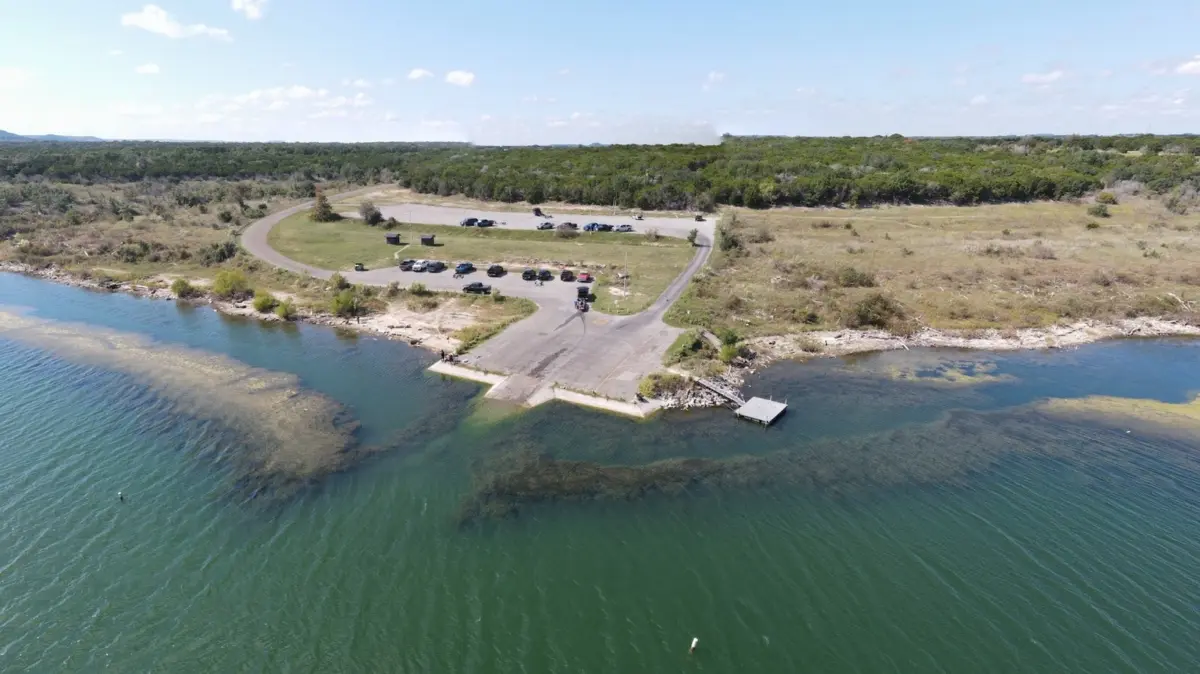
Occupying 560 acres of dramatic, rocky terrain, Dana Peak Park is the premier gateway to the lake. Characterized by steep limestone bluffs, cedar-dotted hillsides, and expansive shoreline views, the park is engineered for multi-disciplinary outdoor pursuits.
- Aquatic Recreation: A well-maintained boat ramp allows powerboaters, kayakers, paddleboarders, and jet-skiers to launch directly into the deep, clear waters. Anglers frequent the lake for its robust populations of largemouth bass, sunfish, and channel catfish.
- Summer Respite: When the Central Texas sun pushes temperatures well past the 90-degree mark, the park’s designated swimming beach becomes a vital hub for families seeking relief in the cool water.
- Hiking the Terrain: Land-based explorers can tackle the Twin Peaks Trail Loop, a scenic 4-mile path that undulates along the water’s edge. Hikers are advised, however, to undertake these excursions during cooler morning hours in the summer and to carry adequate hydration. Note that Dana Peak Park operates under the administration of the U.S. Army Corps of Engineers and charges a nominal day-use fee.
Cedar Gap Park and Regional Waterways
Complementing Dana Peak is Cedar Gap Park, another easily accessible access point to Stillhouse Hollow Lake featuring its own boat ramp and shoreline fishing spots. While offering quiet retreats, visitors should note that recreational upkeep can occasionally be subject to environmental debris, with visitors on mapping platforms noting occasional driftwood and litter accumulation after heavy rains.
Furthermore, travelers seeking an extended aquatic itinerary need look only 20 minutes north to Belton Lake, located in the adjacent historic city of Belton. Together, these bodies of water anchor Bell County’s reputation as a premier water-sports and retirement sanctuary.
A Global Gastronomy: Dining in Harker Heights
The true revelation for travelers stopping off Interstate 35 or Interstate 14 is the sheer multicultural breadth of the Harker Heights dining scene. Driven by its exceptional diversity index, the city offers an international culinary tour within a few square miles.
Opa’s Schnitzel Hut
Defying expectations of standard Texas roadside fare, Opa’s Schnitzel Hut operates out of a bright yellow roadside building, serving authentic, comforting German cuisine. The kitchen’s crown jewel is its jagerschnitzel—a textbook-perfect, breaded pork cutlet smothered in a rich, savory mushroom gravy. Reviewers consistently praise the culinary execution, highlighting the delicate balance of a shatteringly crisp exterior protecting tender, expertly cooked meat.
Arepitas Harker Heights
Reflecting Texas’s substantial and vibrant Venezuelan diaspora—well-documented by demographic research institutions like Pew Research—Arepitas brings the flavors of South America to Bell County. The menu centers on traditional, handmade arepas stuffed with imaginative and rich fillings. Standouts include the Llanera, an expertly crafted corn pocket packed with savory steak, fresh avocado, melted cheese, and a robust house garlic sauce.
Grandma’s Thai Cuisine
Adding to the city’s Asian dining portfolio, Grandma’s Thai Cuisine has earned a devoted regional following. Consistently reviewed as remarkably authentic, the restaurant serves traditional curries, noodles, and stir-fries that rival establishments found in much larger metropolitan centers like Austin or San Antonio.
The Annual Festival and Broader Horizons
For those timing their visit to the autumn shoulder season, the city hosts the annual Harker Heights Food, Wine and Brew Festival at Harker Heights Community Park. This ticketed community gathering showcases regional food trucks, craft barbecue, Texas wines, artisanal brews, and live musical acts, cementing the city’s status as an emerging culinary destination.
For travelers requiring overnight accommodations, options such as the modern Open Air RV Resort—equipped with swimming pools and premium hookups—offer seamless access to the region via nearby Interstate 14.
Future Outlook
As Central Texas continues to experience unprecedented population growth and urban sprawl, the strategic imperative of secondary cities like Harker Heights is shifting rapidly. No longer content to remain a quiet bedroom community in the shadow of Killeen and Austin, Harker Heights is actively capitalizing on its geographical advantages.
Future municipal development plans point toward continued infrastructure enhancements along the I-35 and I-14 corridors, aimed at smoothing the flow of culinary tourists and outdoor recreationists. Environmental preservation efforts around Stillhouse Hollow Lake remain a priority, ensuring that the 6,400-acre reservoir resists the over-commercialization that has marred natural assets in other expanding Texan regions.
For the discerning traveler, road-tripping across the Lone Star State, Harker Heights represents a paradigm shift: an invitation to look past the marquee metropolitan areas and discover the rich, diverse, and deeply satisfying texture of life along the "Bright Star’s" horizon. Whether you are launching a paddleboard into the limestone-lined coves of Dana Peak Park or savoring an artisan arepa after a long drive on the interstate, Harker Heights proves that the best discoveries in Texas are often hiding in plain sight.