







Executive Overview
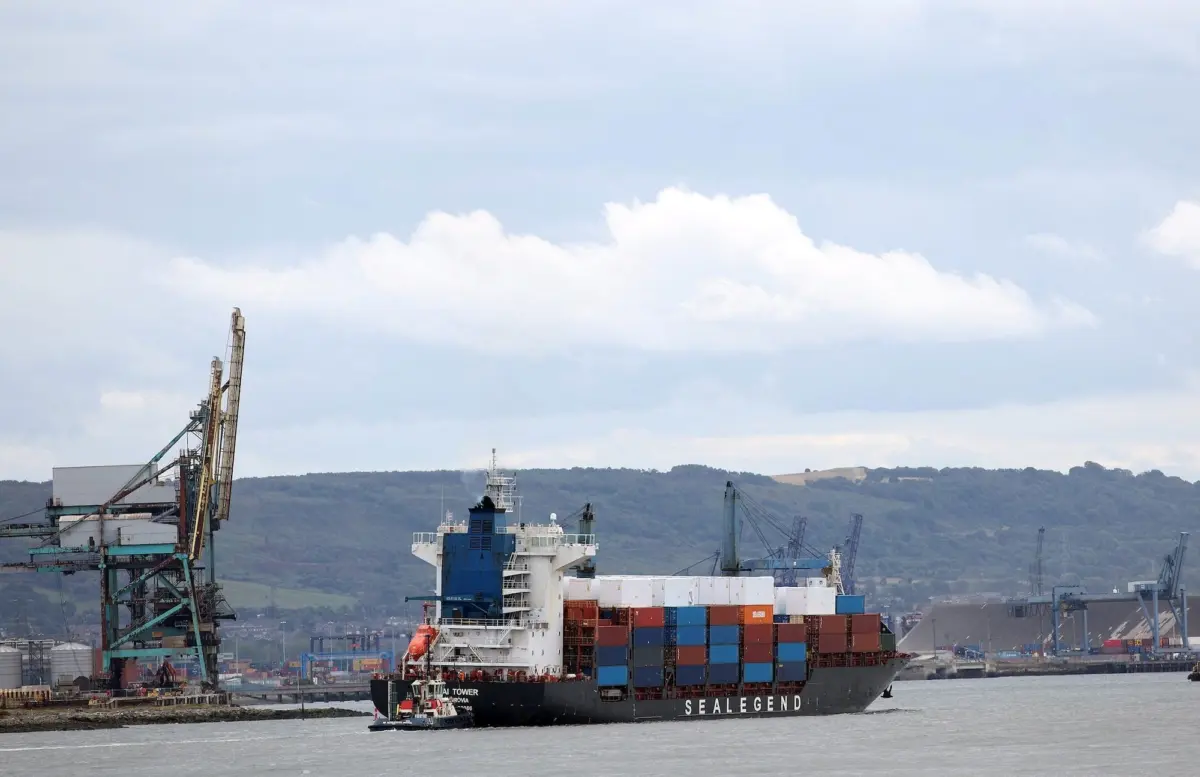
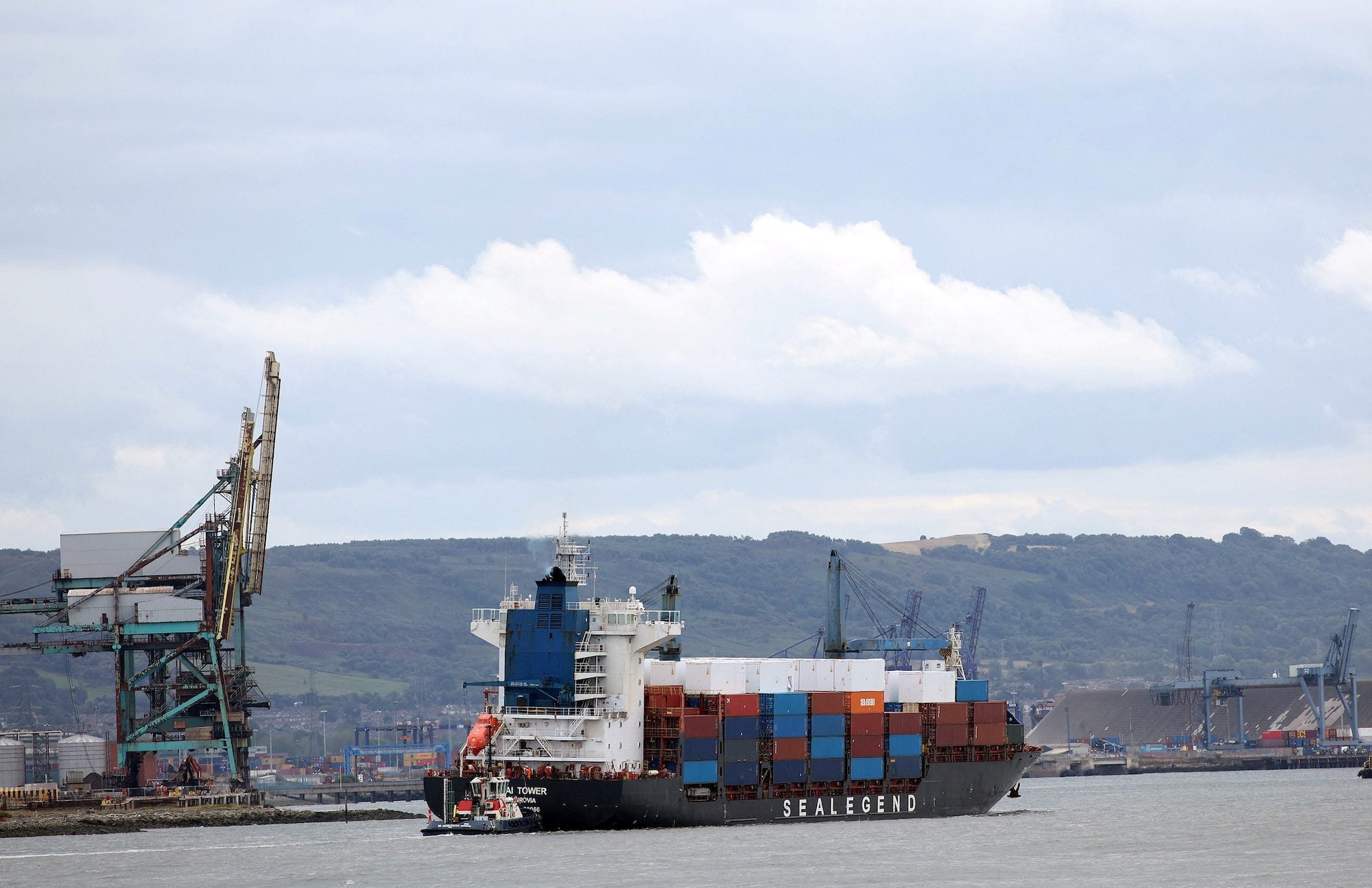
On Wednesday, September 9, a milestone in modern maritime logistics was reached as the container vessel Dubai Tower docked at Teesport on England’s northeast coast. Having departed eastern China on August 15, the vessel completed a historic transit utilizing the Northern Sea Route (NSR) through the Arctic Circle. This voyage marks a critical operational proof-of-concept for scheduled, commercial container services connecting East Asia directly to Northern Europe via the polar north—a route that slashes transit times and offers a strategic alternative to traditional, increasingly volatile southern corridors.
The successful voyage of the Dubai Tower comes at a time of severe disruption for global supply chains. With the ongoing conflict between the United States and Iran rendering the Middle East highly unstable, and the Suez Canal beset by persistent security threats and elevated insurance premiums, global shipping alliances are under immense pressure to find reliable alternatives. Bypassing these traditional chokepoints by navigating the roof of the world is no longer a theoretical exercise; it is rapidly becoming a commercial reality.
This landmark transit is not an isolated incident. Currently, a South Korean container ship is navigating a similar polar trajectory, joining pioneering Chinese and Russian shipping firms in testing the viability of regular cargo services along the NSR. Facilitated by the rapid recession of Arctic sea ice due to global climate change, this northern passage promises to reshape the geopolitics of trade. However, as shipping lines eye the significant time and fuel savings of the Arctic route, they must also navigate unpredictable polar weather, fragile ecosystems, and a complex web of international rivalries over who controls these newly opened waters.
                  [ Eastern China (Taicang/Qingdao) ]
                                  │
                                  ▼ (Aug 15)
                          [ Bering Strait ]
                                  │
                                  ▼
                     [ Northern Sea Route (NSR) ]
             (Kara Sea ── Laptev Sea ── East Siberian Sea)
                                  │
                                  ▼
                          [ Barents Sea ]
                                  │
                                  ▼
                     [ North Sea / Norwegian Sea ]
                                  │
                                  ▼ (Sept 9)
                        [ Teesport, England ]
Detailed Chronology
The voyage of the Dubai Tower represents a carefully coordinated logistical feat, executed across some of the most challenging marine environments on Earth.
Phase I: Departure and Northern Ascent (August 15 – August 22)
The Dubai Tower commenced its journey on August 15, casting off from the bustling ports of eastern China. Loaded with consumer goods, industrial components, and electronics destined for the British market, the vessel headed north through the East China Sea and the Sea of Japan. Passing through the Tsushima Strait, the ship maintained a standard transit speed, navigating the busy shipping lanes of East Asia before entering the North Pacific Ocean. By August 22, the vessel reached the Bering Strait—the narrow gateway separating Alaska from Russia’s Far East—marking its formal entry into the Arctic region.
Phase II: Traversing the Northern Sea Route (August 23 – September 2)
Upon clearing the Bering Strait, the Dubai Tower entered the Northern Sea Route, a shipping lane stretching across the top of Russia from the Kara Sea to the Bering Strait. During this phase, the vessel navigated the East Siberian Sea, the Laptev Sea, and the Kara Sea.
Unlike historic transits that required heavy, nuclear-powered icebreaker escorts, the Dubai Tower took advantage of unprecedented open-water lanes. This was made possible by unseasonably warm temperatures and the accelerated melting of summer ice pack. While the vessel did not require active icebreaking assistance for the majority of the run, its progress was monitored continuously by Russian ice-tracking centers and satellite reconnaissance to ensure safe passage through areas of drifting floes.

Phase III: European Approach and Arrival (September 3 – September 9)
Exiting the Kara Sea, the ship rounded the Kola Peninsula, passing into the Barents Sea and down through the Norwegian Sea. Free from the constraints of polar ice, the Dubai Tower accelerated as it entered the North Sea.
On the morning of Wednesday, September 9, exactly 25 days after leaving China, the vessel safely guided itself into the River Tees, docking at the deep-water facilities of Teesport. The 25-day transit stands in stark contrast to the standard southern route via the Suez Canal, which currently averages 35 to 40 days—a duration that has stretched to over 50 days for vessels forced to detour around Africa’s Cape of Good Hope to avoid Middle Eastern conflict zones.
Supporting Context & Metrics
The opening of the Northern Sea Route as a viable commercial corridor is driven by a combination of geographic efficiency, climate dynamics, and severe geopolitical instability.
Distance and Time Efficiencies
The primary appeal of the NSR is the dramatic reduction in maritime distance between East Asia and Western Europe. A traditional voyage from Shanghai to Rotterdam via the Suez Canal covers approximately 10,500 nautical miles. If forced to divert around the Cape of Good Hope due to security threats in the Red Sea, the journey stretches to nearly 14,000 nautical miles.
In contrast, the Northern Sea Route covers roughly 5,400 to 7,000 nautical miles, depending on the exact path taken through the Arctic seas.
| Shipping Route | Average Distance (Nautical Miles) | Average Transit Time (Days) | Primary Security/Geopolitical Risks |
|---|---|---|---|
| Northern Sea Route (NSR) | 5,400 – 7,000 | 22 – 26 | Extreme weather, Russian regulatory control, lack of salvage infrastructure |
| Suez Canal Route | 10,500 | 35 – 40 | Regional conflict (Middle East), piracy, chokepoint congestion |
| Cape of Good Hope Route | 14,000 | 45 – 55 | High fuel costs, extended supply chain delays, rough southern seas |
For cargo owners, a 10-to-15-day reduction in transit time translates to lower inventory carrying costs, faster capital rotation, and reduced fuel consumption per voyage, even when accounting for the slower, more cautious speeds required in polar waters.
The Geopolitical Impetus: The Middle East Crisis
The commercial push into the Arctic has been accelerated by the geopolitical crisis in the Middle East. As the U.S. war with Iran continues to destabilize the Persian Gulf, the Gulf of Aden, and the Red Sea, shipping lines have faced soaring war-risk insurance premiums and direct physical threats to their vessels and crews.
The Suez Canal, long the crown jewel of global maritime trade, has seen its daily transits plummet as major carriers opt for longer, safer routes. While the Cape of Good Hope detour has been the default alternative, it imposes massive fuel bills and disrupts tight manufacturing schedules. The Arctic route, therefore, presents a highly attractive, secure bypass that is entirely insulated from Middle Eastern geopolitical volatility.
Traditional Southern Route vs. Northern Sea Route:

       [Europe] <───────── NSR (Shorter, Cold, Seasonal) ─────────> [East Asia]
          │                                                            ▲
          │                                                            │
          └─► Suez Canal (Vulnerable to Middle East Conflict) ─────────┘
          │                                                            ▲
          └─► Cape of Good Hope (Longer, Expensive, Safe detour) ──────┘
Climate Change and Ice Dynamics
The viability of the NSR is directly linked to the rapid decline of Arctic sea ice. Scientific data indicates that the Arctic is warming at nearly four times the global average. The summer melt season has lengthened, and the extent of multi-year ice—the thick, hard ice most dangerous to shipping—has declined significantly.
This environmental shift has opened up a reliable shipping window from July to late November, during which ice-strengthened commercial vessels, and in some cases standard merchant ships, can navigate the route with minimal risk of ice entrapment.
Official Statements and Geopolitical Reactions
The arrival of the Dubai Tower at Teesport has elicited strong reactions from international governments, maritime authorities, and environmental advocacy groups, highlighting the complex mix of economic opportunity and ecological risk that the Arctic route represents.
Maritime and Port Authorities
A spokesperson for PD Ports, the owner and operator of Teesport, welcomed the arrival of the Dubai Tower, emphasizing the port’s readiness to handle direct polar shipments:
"The arrival of the Dubai Tower via the Northern Sea Route demonstrates the changing dynamics of global trade. Teesport is uniquely positioned to serve as a key entry point for these faster northern services, offering direct access to the UK’s industrial heartlands. We anticipate that this successful transit will encourage further scheduled services, offering British businesses a resilient and rapid alternative to traditional supply routes."
Shipping Industry and State Operators
In Beijing, maritime officials framed the voyage as a major milestone for China’s "Polar Silk Road" initiative—a strategic component of the broader Belt and Road Initiative (BRI) aimed at developing Arctic blue economic corridors. An executive from the state-affiliated consortium backing the weekly Arctic container service stated:
"The successful voyage of the Dubai Tower proves that the Northern Sea Route is no longer a speculative project. It is a reliable, time-saving, and secure corridor that protects global trade from the unpredictable geopolitical shocks of southern waters. We are committed to expanding this service, working in close cooperation with our international partners to establish a predictable, weekly logistics network through the Arctic."
Meanwhile, South Korean maritime analysts noted that their own concurrent polar transits reflect a regional consensus. "East Asian exporters cannot afford to be hostage to Middle Eastern choke points," commented a logistics researcher based in Busan. "The Arctic route represents an essential insurance policy for our export-driven economy."
Environmental Watchdogs and Scientific Communities
The expansion of commercial shipping into the pristine Arctic environment has met with sharp criticism from environmental organizations. The Clean Arctic Alliance, a coalition of non-governmental organizations campaign group, issued a statement warning of the severe ecological consequences of increased polar traffic:
"The arrival of the Dubai Tower is not a triumph; it is a stark warning of the ecological crisis unfolding in the Arctic. Increased commercial shipping introduces severe risks of heavy fuel oil (HFO) spills, which are impossible to clean up in icy waters. Furthermore, emissions of black carbon—soot from ship engines—settle on the ice, accelerating the melt cycle. We call on international maritime bodies to implement strict bans on polluting fuels in the Arctic and to halt the commercial exploitation of this fragile ecosystem."
Future Outlook
As the global shipping industry watches the Dubai Tower discharge its cargo in northeastern England, the future of the Northern Sea Route remains poised between immense promise and formidable structural challenges.
               ┌──────────────────────────────────────┐
               │  THE FUTURE OF POLAR SHIPPING        │
               └──────────────────┬───────────────────┘
                                  │
         ┌────────────────────────┴────────────────────────┐
         ▼                                                 ▼
┌─────────────────────────────────┐       ┌─────────────────────────────────┐
│       PROMISE & BENEFITS        │       │     CHALLENGES & BARRIERS       │
├─────────────────────────────────┤       ├─────────────────────────────────┤
│ • 30-40% reduction in distance  │       │ • Harsh, unpredictable weather  │
│ • Bypasses Middle East conflict │       │ • High polar insurance premiums │
│ • Reduced fuel consumption      │       │ • Limited search & rescue (SAR) │
│ • Shorter lead times for cargo  │       │ • Russian regulatory control    │
└─────────────────────────────────┘       └─────────────────────────────────┘
Navigational and Infrastructure Hurdles
Despite the successful voyage, the Arctic is far from becoming a routine highway for global container alliances. The route presents severe operational difficulties that do not exist on southern routes:
- Extreme Weather and Unpredictability: Polar weather is notoriously volatile. Sudden fog, shifting ice floes, and freezing spray can rapidly degrade visibility and ice-strengthened hull performance, making fixed weekly schedules difficult to guarantee year-round.
- Infrastructure Deficiencies: The Arctic coast of Siberia lacks deep-water salvage ports, emergency repair facilities, and comprehensive search-and-rescue (SAR) assets. If a major container ship were to suffer a mechanical failure or hull breach in the high Arctic, executing a rescue or salvage operation would be an logistical nightmare.
- Specialized Vessel Requirements: To operate safely in the NSR, shipping lines must invest in specialized "ice-class" vessels. These ships feature reinforced hulls, winterized engines, and specialized navigation equipment, making them significantly more expensive to build and operate than standard merchant vessels.
Geopolitical Rivalries and Regulatory Control
The governance of the Northern Sea Route is another major point of contention. Russia claims regulatory authority over the NSR, requiring foreign vessels to obtain permits, pay transit fees, and, in many cases, employ Russian ice pilots. As relations between Russia and Western nations remain strained, reliance on a shipping lane controlled by Moscow introduces a different set of geopolitical risks for European importers.
The United States and several European allies advocate for the NSR to be treated as an international strait with free transit rights, a position that Russia strongly rejects. China’s active participation in the corridor, under its "Polar Silk Road" banner, further complicates the strategic picture, as Western policymakers watch with concern the deepening Sino-Russian cooperation in the Arctic.
Conclusion
The arrival of the Dubai Tower at Teesport has demonstrated that polar shipping is no longer a futuristic concept, but a tangible solution to the vulnerabilities of global maritime trade. As long as geopolitical conflicts threaten the Suez Canal and climate change continues to melt the northern ice caps, the pressure to develop the Northern Sea Route will only intensify. Whether the shipping industry can overcome the formidable environmental, logistical, and political challenges of the high north to make the Arctic a permanent, year-round artery of global commerce remains the defining question for the next decade of maritime trade.