




Executive Overview
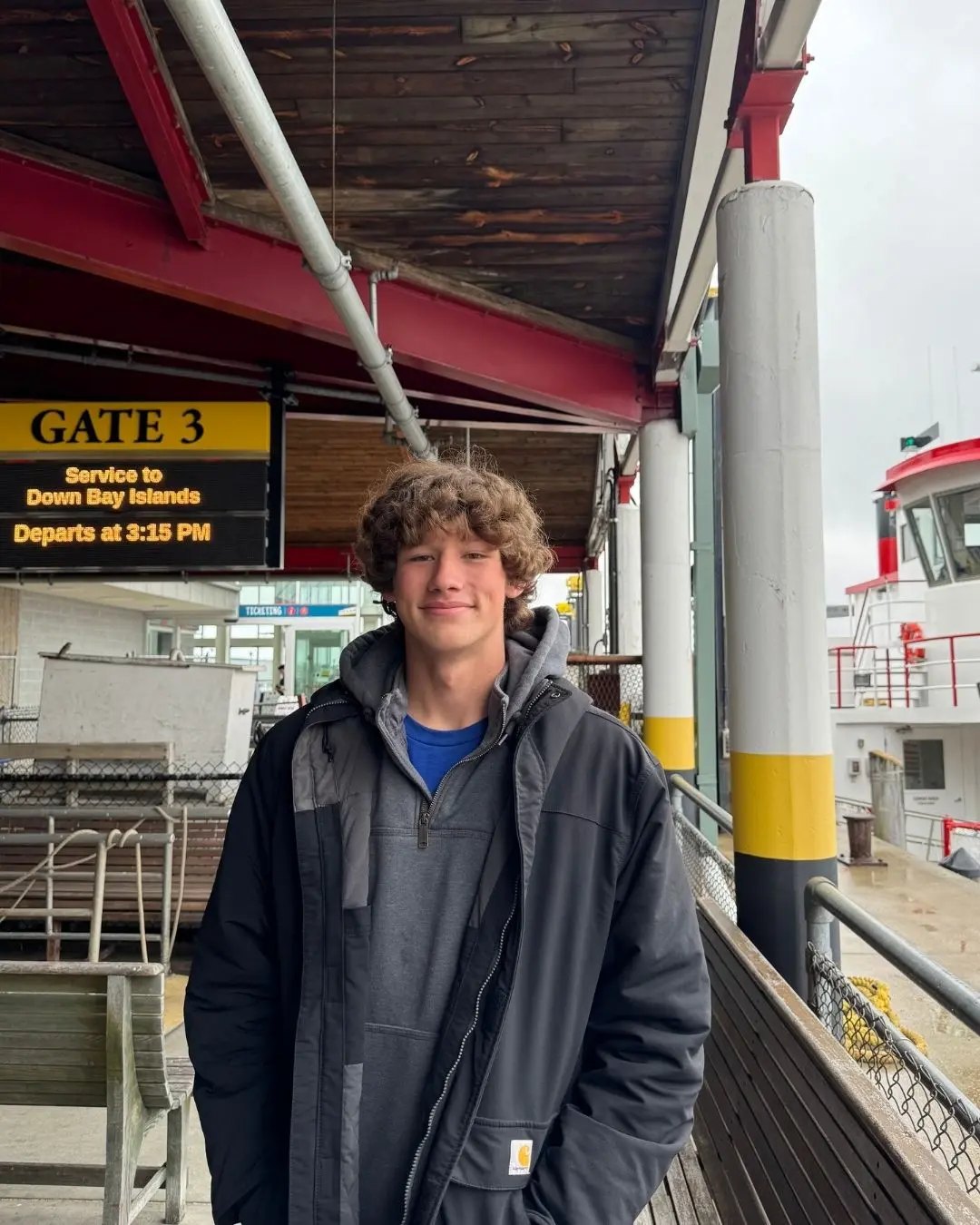
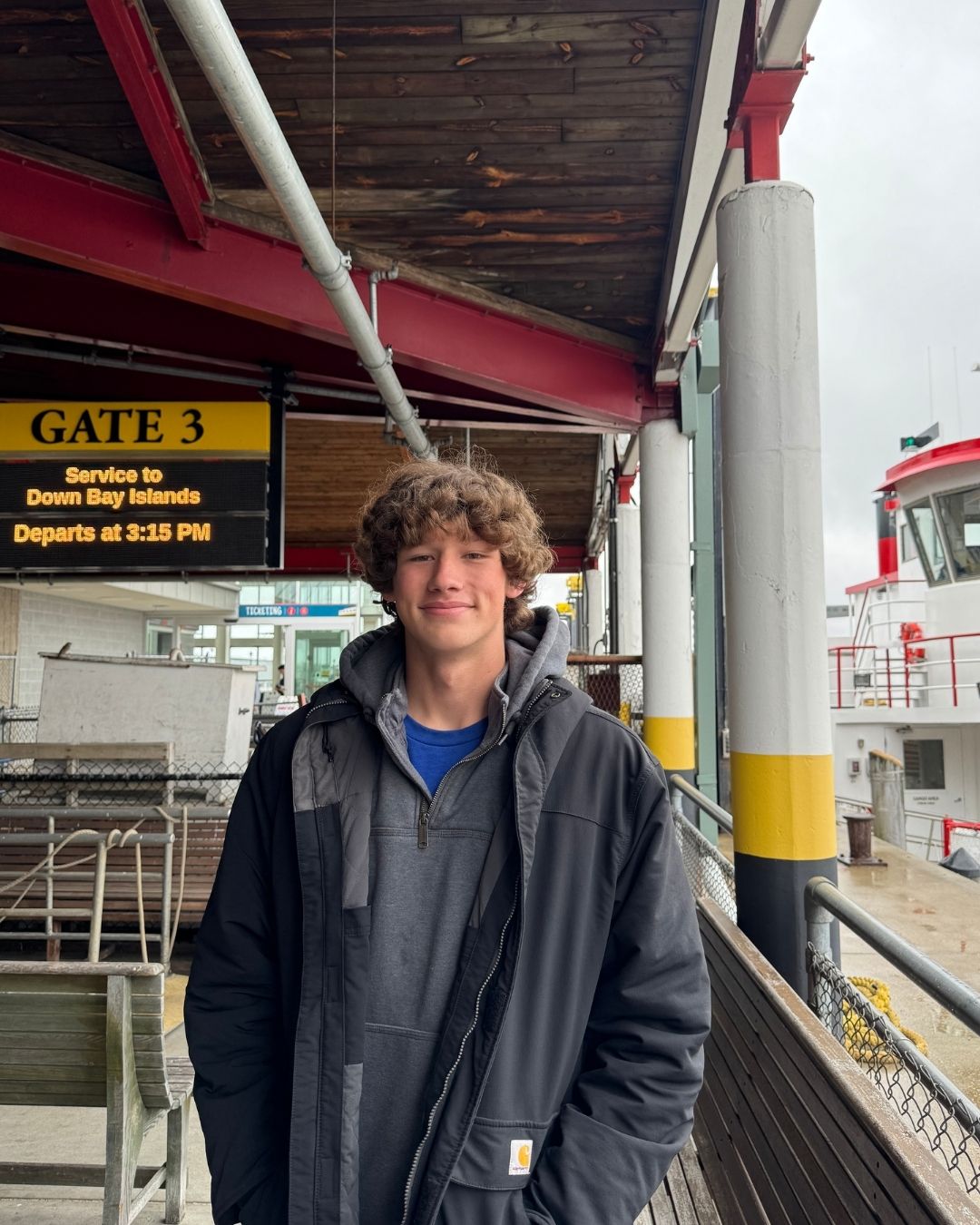
As the summer season reaches its peak across the picturesque coast of Maine, the operations of Casco Bay Lines (CBL) shift into a high-octane gear. Millions of tourists, seasonal homeowners, and year-round island residents depend on the historic ferry service to navigate the glittering waters of Casco Bay. Behind the seamless execution of daily departures, freight deliveries, and passenger management is a dedicated crew of maritime professionals. Among them is 19-year-old Camden Zsiga, a college student, call firefighter, and fourth-season CBL veteran whose journey from shoreside freight handler to shipboard deckhand encapsulates the unique spirit of Maine’s coastal workforce.
This investigative profile explores the vital role deckhands play in sustaining the lifeline of Casco Bay’s island communities. Through an in-depth look at Zsiga’s daily routines, challenges, and motivations, this article highlights the rigorous demands of maritime logistics, the strong familial bonds within regional transit networks, and the economic and social realities of life on Casco Bay.
Detailed Chronology: From Shore to Ship
The pathway to becoming a skilled deckhand on Casco Bay is rarely linear, but for Camden Zsiga, it was deeply rooted in local connections and community service. Born in Portland and raised in neighboring Scarborough, Zsiga graduated from Scarborough High School before heading south to the College of Charleston in South Carolina, where he pursues a degree in business administration. Yet, when the academic year concludes, Zsiga consistently finds his way back to the salty air and bustling docks of Portland Harbor.
The Roots of Service
Zsiga’s introduction to the maritime world began through familial ties and emergency services. With a father serving as a firefighter on Peaks Island, Zsiga was naturally immersed in the tight-knit culture of Casco Bay. At age 15, he joined the Scarborough Fire Department’s Explorer Program, a formative experience that set him on a trajectory toward public safety. Today, he serves as a Call Company Firefighter while actively working toward his Emergency Medical Technician (EMT) certification.
This dual commitment to firefighting and maritime operations reflects a strong work ethic. "I’m not the type who wants to be inside working in the food industry or an office," Zsiga explains. "If I can work with my hands and be outside all summer long, I’m completely happy and content."
The Ascent Through Casco Bay Lines
Zsiga’s tenure with Casco Bay Lines commenced four summers ago when he was just 16 years old, starting in the shoreside freight department. In this foundational role, he was tasked with managing everything from luggage and groceries to heavy commercial deliveries and oversized cargo destined for the outer islands. Freight handlers must meticulously organize, stage, and load goods onto carts and pallets before transferring them to vessels.
After mastering the logistics of the loading dock, Zsiga transitioned onto the water as a deckhand. Having trained on both sides of the operation—shoreside freight and shipboard deck management—he possesses a comprehensive perspective of the company’s supply chain. Now in his second full summer as a deckhand, his trajectory illustrates how seasonal employment can foster deep professional competence in young adults.
Supporting Context & Metrics: The Lifeline of Casco Bay
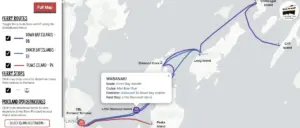
To truly appreciate the responsibilities carried by Zsiga and his fellow deckhands, one must examine the operational scale of Casco Bay Lines. Operating year-round, CBL serves thousands of commuters, students, and tourists daily, connecting mainland Portland to the islands of Peaks, Little Diamond, Great Diamond, Long, Cliff, and Chebeague.
The Freight and Passenger Ecosystem
While tourists often view the ferries as leisurely excursion vessels, for island residents, CBL is an essential infrastructure network akin to a municipal highway system. The freight boat routes carry indispensable commodities, ranging from building materials and heating oil to daily grocery restocks and mail.
- Operational Reach: The primary freight and passenger routes serve multiple distinct island communities, each with unique logistical profiles.
- Scheduling Realities: Crew members typically arrive anywhere from 30 minutes to an hour and a half before departure, depending on their assigned duties.
- Multitasking at Sea: Once underway, deckhands operate in a high-tempo environment characterized by continuous cargo management, passenger assistance, and safety monitoring.
"What surprised me most is how connected the islands are to daily life," Zsiga notes, reflecting on the profound realization many seasonal workers experience. "A lot of visitors see the boats as a fun way to explore Casco Bay, but for island residents, this is their transportation system. This is how they get to work, school, appointments—everything."
For instance, students residing on remote outposts like Cliff Island must wake up significantly earlier than their mainland peers, catching the early morning ferry to make it to school in Portland on time. Deckhands serve as familiar, reassuring faces within this demanding daily routine.
Official Insights: A Typical Day on the Water
The daily life of a Casco Bay Lines deckhand is physically demanding, intellectually stimulating, and rich in human connection. When asked to walk through a standard shift, Zsiga breaks down the choreography required to keep Maine’s waterways moving.
Morning Preparations and Departure
A shift begins well before the vessel casts off its mooring lines. Deckhands collaborate closely with the ship’s captain to conduct pre-departure checks, secure safety gear, and adjust mooring lines. Once the vessel is prepped, the focus shifts entirely to cargo operations.
Using specialized equipment—including cranes and motorized carts—the deck crew hoists and wheels heavy cages of freight onto the vessel. Concurrently, they manage passenger boarding, ensuring that thousands of pounds of commercial goods and hundreds of travelers are accommodated safely and efficiently.
The Art of Cargo Stowage
One of the most complex aspects of a deckhand’s job is cargo stowage. Because the ferry makes multiple stops along a single run, items must be loaded in reverse order of delivery.
"Learning how to load the boats properly can definitely be challenging," Zsiga explains. "You’ve got freight going to multiple islands, different-sized cargo, and limited space. You have to think ahead and load things in a way that makes unloading efficient later on. It takes practice, but I enjoy that part of it. I like having to solve problems and figure things out."
Human Connection and Local Lore
Beyond the heavy lifting and navigational logistics, deckhands are ambassadors of Casco Bay. Interacting with passengers provides some of the most rewarding moments of the workday. Whether chatting with a tourist scanning the horizon with binoculars or sharing local history with a regular commuter, deckhands absorb and transmit the rich lore of the region.
"I’ve also learned so much about Casco Bay just by working here," Zsiga says. "The captains have all this knowledge about the bay; the history of the forts, the lighthouses. You learn so much here and can pass that on to others. And honestly, it’s great to be out on the water."
Future Outlook: Building Careers and Community
As Casco Bay Lines looks toward the future, the organization continues to rely heavily on young professionals who embody reliability, adaptability, and community spirit. The retention of seasonal staff like Zsiga—who returns year after year—speaks volumes about the corporate culture fostered by CBL.
Cultivating Essential Life Skills
For college students entering the workforce, maritime seasonal jobs offer an unparalleled crucible for professional development. Skills honed on the docks and decks of Portland Harbor—such as time management, crisis awareness, spatial problem-solving, and cross-generational communication—translate seamlessly into any future career path, whether in business administration, emergency medicine, or maritime leadership.
A Model for Regional Employment
When asked what he would say to prospective applicants considering a position with Casco Bay Lines, Zsiga offers an unreserved endorsement:
"I’d absolutely recommend it. If you enjoy being outdoors, working with your hands, meeting people, and being part of a team, it’s a great job. You learn responsibility, time management, problem-solving, and how to work hard. Every day feels rewarding, and you’re part of something that really matters to the island communities. For me, it’s been one of the best experiences I’ve had."
As summer transitions into autumn and the crisp New England air returns to Casco Bay, the ferries will continue their steadfast routes across the harbor. Behind the rails, a new generation of mariners, guided by mentors and inspired by the natural beauty of the Maine coast, will keep the region moving forward—one deck, one cargo load, and one conversation at a time.