





Executive Overview
For generations, the rhythmic churning of diesel engines and the crisp, salt-laden breeze of the Gulf of Maine have defined the daily cadence of life in Casco Bay. Serving as more than mere transportation, the vessels operated by Casco Bay Lines represent an indispensable maritime highway, seamlessly stitching together the isolated island communities of Peaks, Chebeague, and beyond with the bustling urban core of Portland. Now, Maine’s historic ferry service is bridging its storied past with contemporary local culture, launching an exclusive, brand-new merchandise collection designed to honor the aesthetic and lifestyle of the working coast.
Unveiled at the downtown Portland terminal, the curated line of apparel and accessories—ranging from relaxed headwear to utilitarian canvas totes and cozy crewneck sweatshirts—draws direct inspiration from the unique rhythms of island living. It nods playfully to the universal, heart-pounding experience of a mad dash down Commercial Street to beat the boarding whistle.
While the introduction of lifestyle merchandise may seem a modest retail expansion to the casual observer, it underscores a deeper institutional strategy: cultivating community identity and celebrating grassroots brand loyalty. As one of the oldest continually operating ferry services in the United States, Casco Bay Lines is not only maintaining its vital public transit mandate but is also cementing its cultural footprint as an enduring symbol of coastal Maine heritage. This comprehensive report examines the launch of the new product line, details the rich operational history of the bay’s transit network, analyzes the socio-economic impacts of the ferry service, and explores the delicate balance between preserving maritime tradition and embracing modern consumer engagement.
Detailed Chronology: From Historic Steamers to Contemporary Maritime Culture
The narrative of Casco Bay Lines is inextricably bound to the physical and economic development of southern Maine’s coastal islands. To understand the cultural resonance behind the newly released apparel line, one must trace the evolution of the bay’s transportation infrastructure from its 19th-century origins to the modern municipal corporation.
The 19th Century: The Dawn of Steam and Island Connectivity
Long before diesel-powered catamarans and monohulls plied the waters of Casco Bay, transportation relied on a haphazard fleet of independent wood-burning steamers, schooners, and private packets. By the mid-to-late 1800s, Portland had emerged as a booming industrial and shipping powerhouse. Simultaneously, the islands of Casco Bay—most notably Peaks Island—began transforming from quiet fishing and farming hamlets into coveted summer resort destinations for mainlanders seeking respite from industrial heat.
Recognizing the economic potential of a unified transit system, local entrepreneurs consolidated various independent packet lines. This consolidation laid the early operational groundwork for what would eventually become a formalized corporate entity. Steamships such as the Forest City and the Maiden became floating social hubs, carrying not only island residents, livestock, and mail, but also trunks of wealthy summer tourists, vaudeville performers, and day-trippers eager to experience Maine’s island paradise.
The 20th Century: Consolidation, Crisis, and Public Ownership
The 20th century brought immense turbulence to the Casco Bay transit landscape. The rise of the private automobile initially threatened maritime passenger numbers, yet the islands remained stubbornly vehicle-free (or restricted), preserving the ferry’s monopoly on commuter and cargo traffic.
By the late 20th century, escalating maintenance costs, shifting economic realities, and the financial struggles of private operators brought the ferry service to a critical crossroad. The continuity of island life—education, healthcare, and employment for year-round residents—was placed in jeopardy.
In response to this existential threat, a monumental structural shift occurred. The Maine Legislature and local municipalities intervened, leading to the creation of the Casco Bay Island Transit District (commonly known as Casco Bay Lines) in the late 20th century. Established as a quasi-municipal corporation, the district was mandated to prioritize public service over private profit, ensuring reliable, year-round passenger and freight transportation regardless of seasonal economic fluctuations.
The 21st Century: Modernizing the Fleet and Cultivating Brand Identity
Entering the 21st century, Casco Bay Lines embarked on a multi-decade modernization campaign. The fleet underwent significant upgrades, introducing technologically advanced vessels such as the M/V Machigonne II, the M/V Bay Mist, the M/V Aucocisco, the M/V Emerald Isle, and the flagship M/V Wabanaki. These vessels were engineered specifically to handle Casco Bay’s challenging navigation conditions, winter ice, and heavy commercial cargo loads.
However, operational resilience alone does not sustain an institutional legacy. In recent years, leadership recognized that the public connection to Casco Bay Lines extends far beyond utilitarian transit. Commuters, students, lobstermen, and tourists alike share an emotional bond with the service. The rollout of the new merchandise collection represents a natural evolution of this cultural equity—transforming the intangible pride of riding the ferry into tangible, wearable art that reflects the distinct vernacular of the Maine coast.
Supporting Context & Metrics: The Anatomy of Casco Bay’s Lifeline
To fully appreciate the cultural footprint of Casco Bay Lines and its new lifestyle brand, one must examine the staggering scale of daily operations, passenger demographics, and economic dependencies that animate the bay.
Operational Metrics and Fleet Capacity
Operating 365 days a year, Casco Bay Lines serves a network of year-round and seasonal islands, including Peaks Island, Little Diamond Island, Great Diamond Island, Long Island, Chebeague Island, and Cliff Island.
- Annual Ridership: In pre-pandemic years and rebounding strongly through the 2020s, the system routinely transports over one million passengers annually, alongside hundreds of thousands of bicycles, vehicles, and tons of freight.
- The Cargo Lifeline: Unlike tourist-centric ferry systems in other regions, Casco Bay Lines serves as a critical supply chain. Everything required for island survival—from heating oil trucks and construction materials to groceries, mail, and school textbooks—is loaded onto the freight decks of these vessels.
- Workforce: The district employs dozens of licensed captains, deckhands, marine engineers, terminal ticket agents, and maintenance staff who operate around the clock through blizzards, nor’easters, dense fog, and brilliant summer sunsets.
The Merchandise Collection: Pricing, Design, and Utility
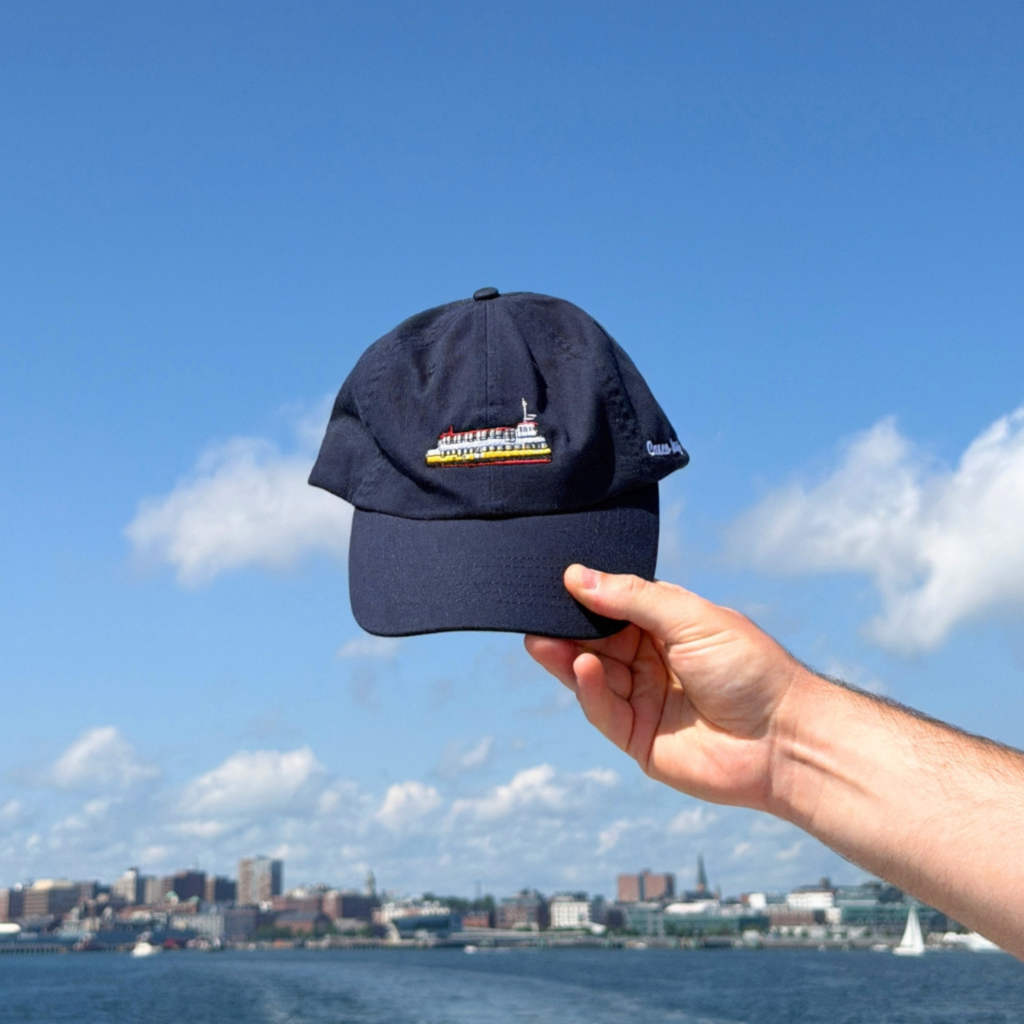
The newly launched collection is meticulously tailored to the dual identities of its customer base: the seasoned, no-nonsense island commuter and the enchanted vacationer experiencing Maine for the first time. Available exclusively at the downtown Portland terminal located at 56 Commercial Street, the collection features four distinct core items:
- The Ferry Dad Hat ($35):
- Material: 100% bio-washed cotton chino twill.
- Design Philosophy: Engineered for sun protection during dock strolls and island-hopping excursions. It embraces self-deprecating coastal humor, marketed with the tongue-in-cheek promise of helping wearers "pretend you know how to tie nautical knots."
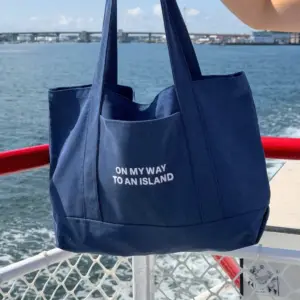
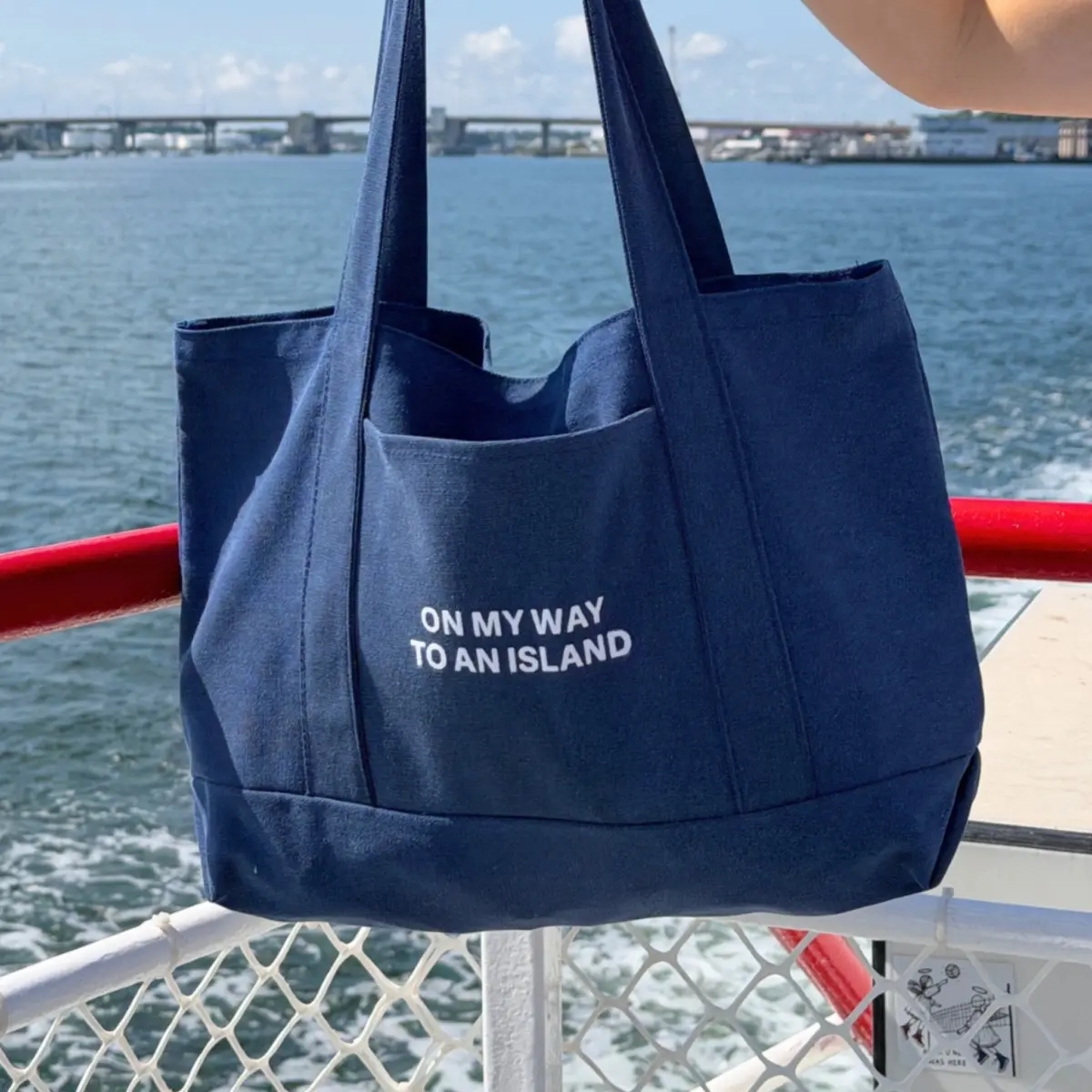
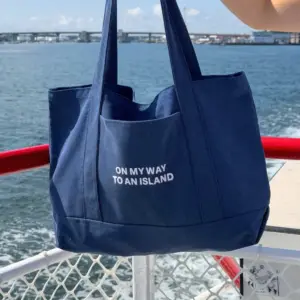
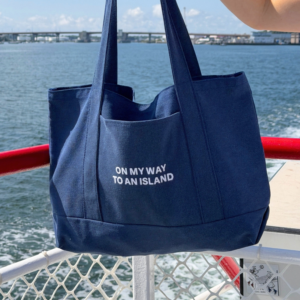
- The Island Time Tote ($30):
- Utility: Lightweight yet rugged canvas construction designed to hold beach reads, sunscreen, and picnic supplies.
- Cultural Appeal: Directly references the psychological shift that occurs the moment one boards the vessel, leaving mainland stressors behind.
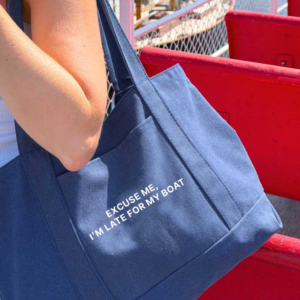
- The Running Late Tote ($30):
- Utility: A roomy navy canvas bag tailored specifically for the "fashionably ferry-late" commuter.
- Cultural Appeal: A playful nod to the universal panic of watching the boarding gate close from down Commercial Street, offering ample storage for hastily gathered daily essentials.
- The Coastal Crew Sweatshirt ($45):
- Material: Premium, ultra-soft fleece blend available in sizes Small through Extra-Large.
- Design Philosophy: Styled for cool ocean breezes and crisp Maine evenings. It serves as an adaptable garment equally appropriate for the open-air upper deck of an afternoon run or a quiet evening on the mainland couch.
Official Statements and Institutional Vision
The launch of the merchandise collection is accompanied by a broader narrative of gratitude and community acknowledgment from Casco Bay Lines leadership. As the organization reflects on decades of continuous service, the focus remains firmly rooted in the human element that drives the enterprise.
In official communications regarding the product rollout, management emphasized the symbiotic relationship between the transit provider and the communities it serves:
"Our ferries are more than an excuse for good merch. For many, they’re a dependable part of daily life, connecting island communities to work, school, family, and one another. For others, a trip across the bay becomes an unforgettable part of their time in Maine. Casco Bay Lines is proud to carry forward a long tradition of ferry service on Casco Bay, connecting people and islands for generations. And after all that time on the water, we’ve picked up a little style along the way."
Furthermore, organizational representatives highlighted the milestone nature of the current era. As Casco Bay Lines navigates its mid-forties as an independent transit district—and builds upon more than a century and a half of total organized ferry operations in the region—leadership attributes longevity directly to the dedication of its workforce and the resilience of its riders:
"As Casco Bay Lines reaches its mid-forties, we do so with a heavy dose of gratitude for the captains, crews, riders, and communities that have shaped our story. All that’s left to do? Pick your favorite, catch the ferry, and wear it well."
This sentiment resonates deeply within Portland and the outer islands, where the ferry service is viewed not merely as a municipal utility, but as a cultural anchor that preserves the unique socio-economic fabric of coastal Maine against the pressures of rapid modernization and gentrification.
Future Outlook: Sustainability, Modernization, and Cultural Preservation
Looking ahead, Casco Bay Lines faces both unprecedented challenges and exciting opportunities. As climate change accelerates sea-level rise and intensifies storm frequency in the Gulf of Maine, maritime infrastructure must adapt. The district is actively evaluating sustainable propulsion technologies, energy-efficient vessel designs, and modernized terminal infrastructure to ensure long-term environmental and operational resilience.
Simultaneously, the integration of lifestyle branding and merchandise initiatives signals a modern approach to public transit marketing. By transforming routine commuters and devoted tourists into brand ambassadors, Casco Bay Lines is successfully fostering a global community of advocates who carry the spirit of Casco Bay far beyond the borders of Maine.
As the terminal at 56 Commercial Street continues to welcome thousands of daily travelers, the new apparel collection serves as a wearable testament to an enduring maritime tradition. Whether worn by a high school student commuting to Portland, a lobsterman checking gear, or a summer visitor taking in the panoramic views of island lighthouses, these garments capture the essence of life on the water—where the journey is always as meaningful as the destination.