







Published by the Marine Accident Investigation Branch (MAIB)
August 13, 2026
Executive Overview
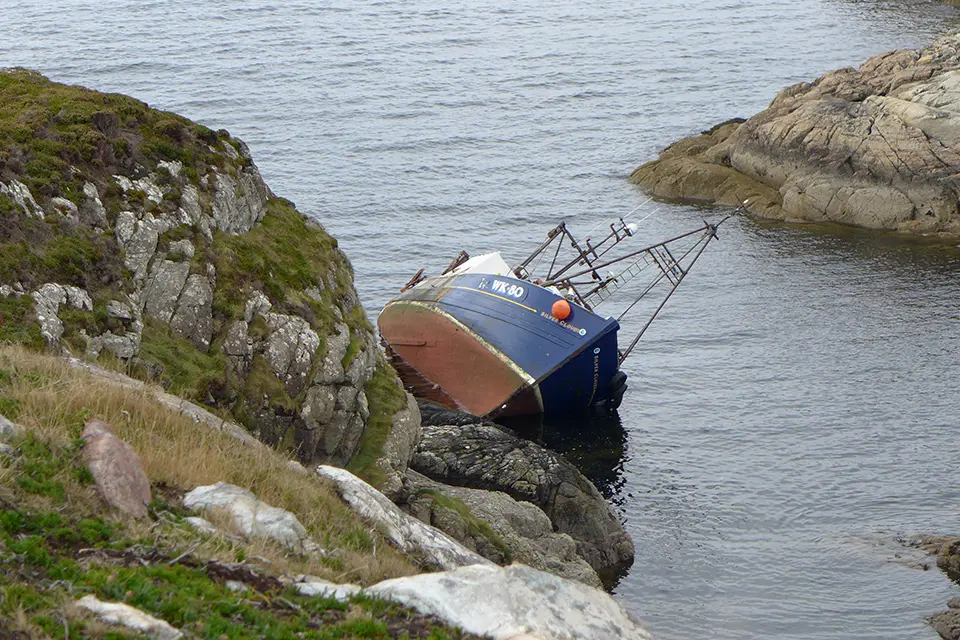
Maritime authorities have officially released their comprehensive safety investigation report concerning the harrowing grounding and ultimate total loss of the commercial fishing vessel Silver Cloud II (WK 80). The incident, which unfolded in the treacherous coastal waters off Rubha Rodha, near Lochinver, Scotland, took place on October 14, 2025. While the crew managed to escape immediate physical catastrophe, the catastrophic breach of the vessel’s hull and its subsequent sinking underscore the relentless hazards faced by commercial mariners operating along the rugged British coastline.
The Marine Accident Investigation Branch (MAIB)—the independent government body tasked with investigating marine accidents and incidents within UK territorial waters—published its findings today, following a ten-month rigorous inquiry. The report meticulously reconstructs the chain of events that led the Silver Cloud II to stray off course, examining human factors, navigational technology utilization, bridge resource management, and local environmental conditions at the time of the casualty.
For the fishing community along the Scottish Highlands and the wider UK maritime sector, the loss of the Silver Cloud II serves as a stark reminder of the thin margin for error when navigating dynamic coastal zones. This detailed investigative overview explores the operational background of the vessel, the minute-by-minute progression of the accident, the systemic safety issues highlighted by the MAIB, and the pivotal recommendations issued to prevent similar maritime disasters in the future.
Detailed Chronology: The Final Voyage of the Silver Cloud II
Departure and Routine Operations
On the morning of October 14, 2025, the Silver Cloud II (WK 80), a modern and well-equipped whitefish trawler registered in the UK, set out on what was intended to be a routine commercial fishing expedition. Weather conditions across the northwest coast of Scotland were typical for mid-autumn—variable winds, moderate swells, and patches of coastal mist that periodically reduced visibility across the rugged sea lochs and rocky headlands characteristic of the region.
The vessel, manned by an experienced crew familiar with the local fishing grounds, proceeded away from its port of departure to execute operations in designated offshore sectors. Throughout the early phases of the voyage, all primary engineering and navigational systems functioned normally. Bridge watches were maintained, and the vessel’s skipper, alongside crew members sharing navigation duties, monitored the vessel’s position using standard electronic charting systems.
The Approach to Rubha Rodha
As the fishing operation concluded and the vessel prepared to transit back toward safe haven, the Silver Cloud II navigated the intricate coastal waters near Lochinver. Rubha Rodha, a prominent and hazardous headland known to local mariners for its submerged rocks, strong tidal streams, and broken ground, lay directly along the vessel’s intended return vector.

According to the MAIB report, the critical breakdown in the voyage occurred during this transition phase. As darkness and localized sea mist began to close in, reducing visual reference points along the shoreline, the vessel’s navigation plan was subjected to unforeseen disruptions. The bridge team experienced a critical lapse in situational awareness, compounded by heavy reliance on secondary electronic navigation screens without adequate cross-verification from visual bearings or radar monitoring.
Grounding and Immediate Crisis Response
At approximately local evening hours, the Silver Cloud II impacted the jagged underwater shelf of Rubha Rodha at cruising speed. The initial collision was violent, instantly bringing the vessel to a dead stop and breaching the forward hull compartments.
The impact triggered immediate alarms throughout the ship. Water began flooding the forward spaces at an alarming rate, overwhelming the vessel’s bilge pumping capacity. Recognizing the imminent danger of capsinking or rapid inundation, the skipper sounded the general emergency alarm, instructing the crew to don lifejackets and prepare for abandonment while simultaneously issuing a distress call (Mayday) via VHF radio.
The local HM Coastguard rescue coordination center in Stornoway immediately responded, vectoring local lifeboats and Coastguard rescue helicopters to the scene. Despite the freezing water temperatures and the perilous, wave-beaten rocks surrounding Rubha Rodha, the crew executed a disciplined evacuation into the vessel’s lifraft, where they were successfully picked up by emergency responders shortly thereafter, thankfully sustaining only minor injuries and severe shock.
Sinking and Post-Accident Status
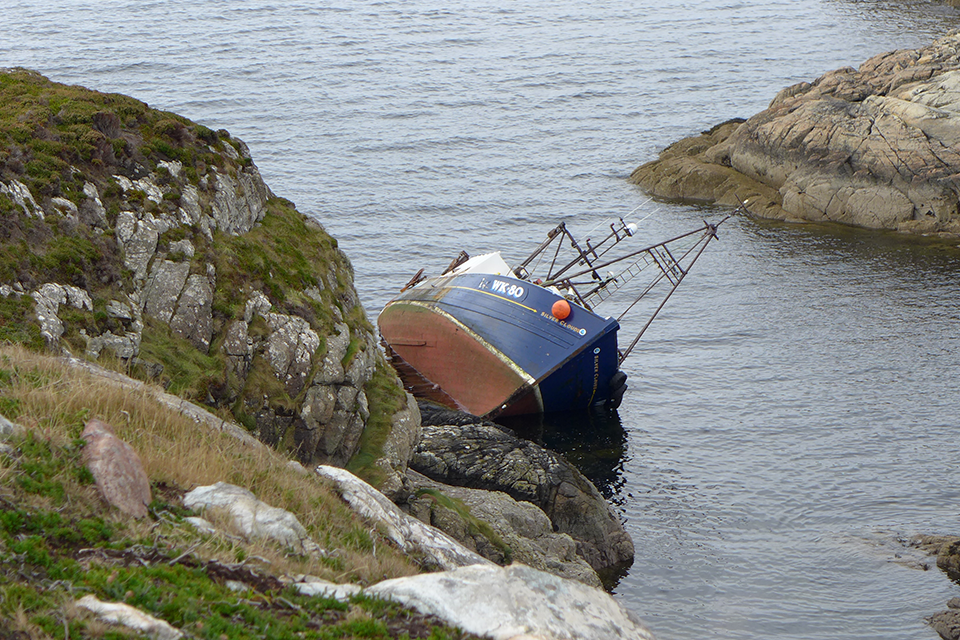
Despite the prompt arrival of marine salvage assets, the damage sustained during the initial impact was far too severe. As the tide turned and weather conditions worsened, the Silver Cloud II slipped off the rocky ledge into deeper water, eventually sinking entirely beneath the surface. The vessel now rests on the seabed off Rubha Rodha, constituting a total financial write-off and an environmental monitoring point for local authorities.
Supporting Context & Metrics
To fully comprehend the gravity of the Silver Cloud II incident, it is essential to examine the broader context of marine safety within the UK commercial fishing sector, as well as the specific geographic and environmental profile of the Lochinver coastline.
+-------------------------------------------------------------------+
|               KEY METRICS & INCIDENT PARAMETERS                   |
+-------------------------------------------------------------------+
| Vessel Name:               Silver Cloud II (WK 80)                |
| Vessel Type:               Commercial Fishing Trawler             |
| Incident Date:             14 October 2025                        |
| Incident Location:         Rubha Rodha, near Lochinver, Scotland  |
| Primary Cause Category:    Navigational Grounding / Flooding      |
| Human Casualties:          Zero (All crew safely rescued)         |
| Outcome:                   Total Vessel Loss (Sunk)               |
| Report Publication Date:   13 August 2026                         |
+-------------------------------------------------------------------+
The Hazards of the Northwest Scottish Coastline
The waters surrounding Lochinver and the broader northwest Highlands of Scotland represent some of the most demanding maritime operating environments in Northern Europe. Characterized by deep-water sea lochs bordered by shallow, rocky ledges, submerged reefs, and unpredictable tidal races, this coastline demands absolute precision from navigators.
Local fishermen operate under immense commercial pressure, often working long, grueling hours in extreme weather conditions. Fatigue, combined with the cognitive load of managing fish processing decks alongside bridge watchkeeping duties, frequently contributes to latent human error—a factor deeply analyzed in the MAIB’s findings.
Fishing Vessel Safety Trends
Commercial fishing consistently ranks as one of the most hazardous land- or sea-based occupations globally. Statistically, groundings and subsequent foundering events remain a primary driver of vessel loss within the UK fleet. While search and rescue infrastructure in Scotland—bolstered by the RNLI and HM Coastguard—is world-class, the prevention of structural loss through enhanced bridge resource management remains a critical frontier for maritime regulators.
Official Statements and MAIB Findings
The release of the formal accident report marks the culmination of an exhaustive technical and human-factors investigation. The Marine Accident Investigation Branch has emphasized that the goal of its reports is strictly safety promotion rather than the apportionment of blame or liability.
Summary of MAIB Conclusions
The investigation identified several critical contributing factors that led to the grounding of the Silver Cloud II:
- Failure of Passage Planning and Execution: The bridge team failed to maintain a sufficiently wide berth around the known navigational hazards of Rubha Rodha. The electronic chart system (ECDIS) was not properly configured to sound automated grounding alarms for the chosen scale of transit.
- Bridge Resource Management (BRM) Breakdown: Communication between the skipper and watchkeeping crew deteriorated during the final stages of the approach, leading to a dangerous diffusion of responsibility and a failure to cross-check GPS positions against visual and radar data.
- Fatigue and Workload: Cumulative fatigue among the crew, driven by intensive fishing schedules prior to the casualty, degraded situational awareness and slowed reaction times during the critical minutes preceding the impact.
- Effectiveness of Lifesaving Appliances: Conversely, the MAIB report explicitly commended the crew for their exemplary adherence to emergency drills. The rapid donning of personal flotation devices (PFDs) and the efficient deployment of life rafts directly prevented loss of life during the abandonment phase.
Contact Information for Media Inquiries
For accredited journalists, broadcasters, and maritime industry professionals seeking further clarification regarding the Silver Cloud II report, the Marine Accident Investigation Branch has made designated representatives available:
- Office Hours Inquiries (Monday–Friday): 01932 440015
- Out-of-Hours Inquiries (Emergency / Weekend): 0300 7777878
- Official Web Portal: MAIB Investigation Reports
Future Outlook and Industry Recommendations
The sinking of the Silver Cloud II is not merely an isolated insurance loss; it is a catalyst for regulatory introspection and voluntary safety reform across the British fishing fleet. In light of the findings detailed in the August 2026 report, the MAIB has issued a series of safety recommendations aimed at vessel owners, skippers, training providers, and maritime authorities.
Key Recommendations Issued
- Mandatory Electronic Chart Audits: Vessel operators must ensure that all electronic navigation systems are regularly updated, and that officers are thoroughly trained in setting up safety contour lines and boundary alarms tailored to local coastal topographies.
- Refresher Training in Bridge Resource Management (BRM): The report stresses that BRM principles must not be restricted to large merchant vessels; commercial fishing skippers and deck officers must undergo regular, practical training in workload management, challenge-and-response navigation, and error-chain recognition.
- Fatigue Management Protocols: Fishery associations and vessel owners are urged to review working hours and crew rotation policies to mitigate the severe safety risks posed by chronic exhaustion at sea.
- Enhanced Hull Integrity Standards: Discussions continue between naval architects and maritime regulators regarding the subdivision of smaller fishing vessels to improve survivability in the event of minor-to-moderate hull breaches.
Moving Forward
As the maritime community absorbs the lessons of the Silver Cloud II disaster, the ultimate tribute to the vessel and its unfortunate demise will be the widespread adoption of the safety measures recommended by the MAIB. For the skippers navigating the dark, rocky waters off Lochinver and beyond, the report serves as an authoritative manual on what can go wrong when vigilance slips—and a vital roadmap for ensuring that every mariner returns safely to port.