





Executive Overview
For generations, the rhythmic churning of ferry engines against the icy, mineral-blue waters of Casco Bay has served as the literal and figurative heartbeat of coastal Maine. Connecting Portland to the rugged, tight-knit island communities of Peaks, Chebeague, Long, Great Diamond, and Little Diamond, Casco Bay Lines is far more than a transit provider; it is an indispensable lifeline. It hauls groceries, mail, school children, commuters, and wide-eyed tourists across the glistening swells, embedding itself deeply into the regional consciousness.
Now, the historic transit authority is leaning into its cultural footprint with a brand-new, thoughtfully curated merchandise line. Featuring apparel and accessories designed around the idiosyncratic rhythms of "island time," the adrenaline rush of mad terminal dashes, and the unmistakable bite of salty ocean air, this new collection gives locals and visitors alike a tangible way to wear their love for the bay. Far from ordinary souvenir shop fare, these items are crafted to withstand the elements—from bio-washed cotton twill caps to heavy, comforting crewneck sweatshirts.
This comprehensive report examines the launch of the new Casco Bay Lines merchandise collection, placing it within the broader context of the ferry service’s rich history, its operational significance to Maine’s economy, and the evolving intersection of local transit branding and community identity.
Detailed Chronology: The Evolution of Casco Bay Transit and Culture
To understand the significance of Casco Bay Lines’ latest lifestyle branding effort, one must trace the long arc of maritime transportation that shaped Greater Portland.
The Early Era of Steam and Sail (Late 19th Century)
Before the consolidation of ferry routes, the islands of Casco Bay were serviced by a fragmented flotilla of privately owned wooden steamers. Throughout the mid-to-late 1800s, as Portland transformed into a booming industrial port city, summer tourism began to blossom. Wealthy mainlanders sought refuge from inland heat on the cool, pine-scented shores of the islands, sparking the construction of grand hotels and summer colonies. By the 1870s and 1880s, rival steamboat companies competed fiercely for passengers and cargo, leading to rate wars and a chaotic scheduling landscape across the bay.
Consolidation and the Birth of Casco Bay Lines (1919)
Recognizing the need for a unified, dependable system, local investors and maritime operators consolidated the competing lines. In 1919, the Casco Bay Lines (officially operating under various corporate structures over the decades, including the Casco Bay and Harpswell Lines) emerged as the dominant public-facing entity. This unification stabilized routes, standardized fares, and ensured that year-round island residents could rely on a consistent connection to the mainland regardless of shifting economic tides or harsh New England winters.
Municipal Transition and Modernization (Late 20th Century)
As the 20th century progressed, the economic viability of private ferry operations wavered, particularly with the rise of the automobile and the post-World War II suburban exodus. To protect the vital interests of island residents, the Maine Legislature established the Casco Bay Island Transit District (ITD) in 1981 as a quasi-municipal entity. This ensured that the ferries would remain publicly accountable and permanently dedicated to public service. Over the subsequent decades, the fleet underwent modernization, introducing rugged, high-capacity vessels capable of handling heavy vehicular and passenger loads year-round.
The Contemporary Era: Merchandising Heritage (21st Century)
In recent years, public transit agencies worldwide have recognized the power of brand affinity. Systems like the Chicago CTA, New York’s MTA, and San Francisco’s BART have successfully transformed their operational logos and historical motifs into high-demand lifestyle apparel. Casco Bay Lines’ latest merchandise drop represents a sophisticated evolution of this trend. By tapping into the specific emotional nuances of commuting in Maine—the panic of a missed departure, the tranquility of a sunset crossing, and the pride of island residency—the organization has turned practical transit gear into a cultural badge of honor.
Supporting Context & Metrics: The Lifeline of the Bay
To appreciate why a hoodie or a dad hat bearing the Casco Bay Lines logo resonates so deeply, one must examine the staggering operational footprint of the transit district.
Operational Scale and Ridership
Casco Bay Lines operates a fleet of robust, multi-purpose vessels—including the iconic Machigonne II, Maquoit II, Bay Mist, Ausable, and Salacia—that run 365 days a year, weathering blizzards, nor’easters, and dense summer fog.
- Annual Passengers: The system transports over one million passengers annually, fluctuating with seasonal tourism peaks.
- Freight Volume: Beyond human cargo, the ferries are the sole conduit for heavy freight to islands without bridge access. This includes fuel trucks, construction materials, commercial inventory, and municipal vehicles.
- Geographic Reach: The regular passenger and freight runs serve Peaks Island, Little Diamond Island, Great Diamond Island,ructive Cushing Island, Long Island, and Chebeague Island, weaving a complex maritime web across miles of open Atlantic water.
The Economics of Island Life
For the hundreds of year-round residents who call the islands home, the ferry is not a recreational novelty; it is an absolute necessity. Children take the morning boat to mainland schools; doctors, tradespeople, and remote workers navigate the daily timetable to earn their livelihoods. Consequently, the cultural identity of Casco Bay is inextricably linked to the operational reliability of the fleet. Wearing Casco Bay Lines apparel is an acknowledgment of this unique, interdependent ecosystem.
Official Statements: Celebrating Community and Heritage
The launch of the new collection is accompanied by a reflective look at the organization’s enduring legacy. Representatives from Casco Bay Lines emphasize that while the gear is playful and stylish, it is fundamentally grounded in a deep sense of gratitude for the people who sustain the network.
"Our ferries are more than an excuse for good merch," leadership noted in a statement accompanying the rollout. "For many, they’re a dependable part of daily life, connecting island communities to work, school, family, and one another. For others, a trip across the bay becomes an unforgettable part of their time in Maine. Casco Bay Lines is proud to carry forward a long tradition of ferry service on Casco Bay, connecting people and islands for generations. And after all that time on the water, we’ve picked up a little style along the way."
As the organization marks decades of continuous public-facing operation under its modern structural framework, leadership frequently underscores the human element of maritime transit. From the seasoned captains navigating tricky tides and winter gales to the deckhands tossing mooring lines and the loyal commuters who know every inch of the passenger cabin, the system’s story is written collectively.
The Collection Breakdown: Style Meets Maritime Utility
The newly released merchandise collection is thoughtfully curated to reflect different facets of the Casco Bay experience. Every item balances aesthetic appeal with rugged, practical utility suited for coastal living.
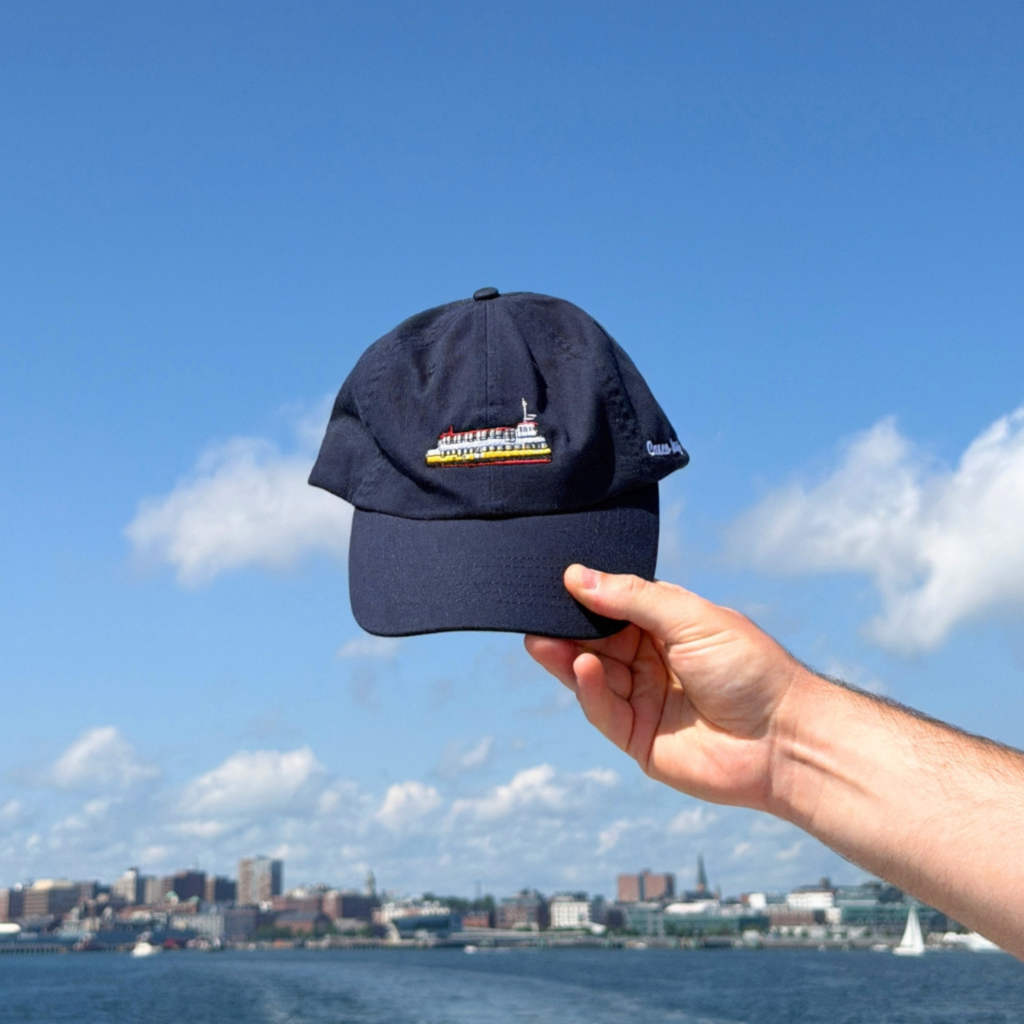
1. The Ferry Dad Hat ($35)
- Material: 100% bio-washed cotton chino twill.
- Design & Utility: Engineered for sun protection during dock strolls, island hopping, and casual wear. It features a soft, broken-in feel right out of the box.
- Vibe: Ready for nautical adventures—even if the wearer’s knot-tying skills are entirely fictional. It instantly shifts the wearer into vacation mode, regardless of whether they are on a boat or stuck in mainland traffic.
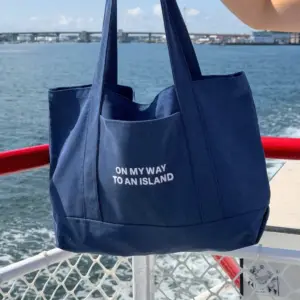
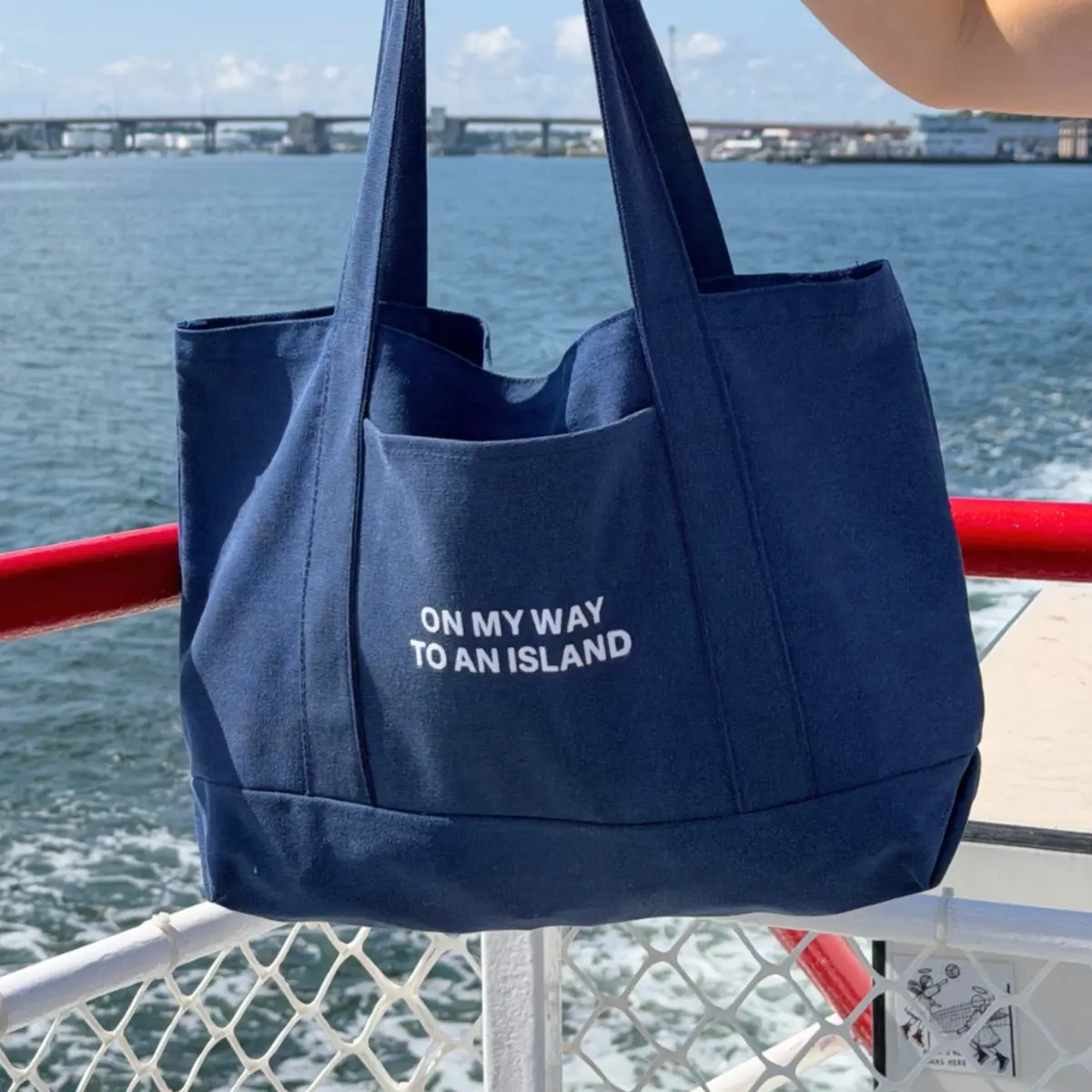
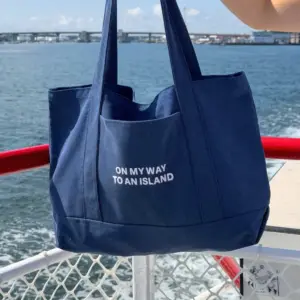
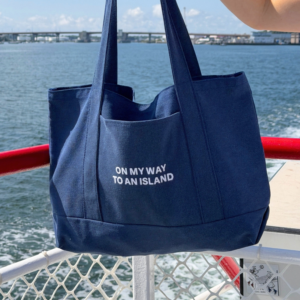
2. The Island Time Tote ($30)
- Material: Lightweight, highly durable canvas weave.
- Design & Utility: Designed to swallow up beach towels, sunscreen, paperbacks, and day-trip snacks with ease.
- Vibe: The quintessential Maine companion. Whether embarking on a day trip to Peaks Island, visiting Chebeague, or simply elevating a mundane grocery run into an imagined island excursion, this tote delivers classic coastal utility.
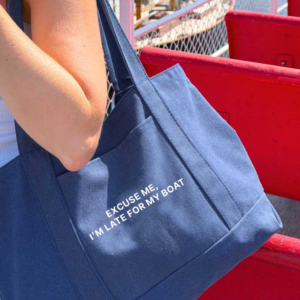
3. The Running Late Tote ($30)
- Material: Heavy-duty, deep navy canvas.
- Design & Utility: Roomy, resilient, and unapologetically practical for commuters who push departure times to the absolute limit.
- Vibe Acknowledgment: Tailored specifically for the "fashionably ferry-late" crowd—those who know the vessel waits for no one yet consistently find themselves speedwalking down Commercial Street with five minutes to spare.
4. The Coastal Crew Sweatshirt ($45)
- Material: Premium, ultra-soft cotton-poly fleece blend; available in sizes Small through Extra-Large.
- Design & Utility: Built to combat chilly ocean breezes and brisk Maine evenings. Timeless in cut and color, it transitions seamlessly from the open deck of a ferry to an island porch or a cozy living room couch.
- Vibe: Described by designers as "like a warm hug from Casco Bay," it is destined to become the undisputed uniform for early morning commuters and late-night return travelers alike.
Future Outlook: Preserving History While Embracing Modernity
Looking ahead, Casco Bay Lines faces the dual challenge of honoring its rich maritime heritage while modernizing for a sustainable future. As coastal waters warm and transportation demands evolve, the district is continuously evaluating fleet efficiency, exploring hybrid or electric propulsion technologies to reduce environmental impact, and upgrading terminal infrastructure to better serve growing passenger volumes.
Yet, amidst these high-tech operational adaptations, initiatives like the new merchandise collection prove that Casco Bay Lines remains deeply anchored in its cultural roots. By celebrating the quirks of island commuting—the frantic terminal dashes, the restorative solitude of a salty breeze, and the unwavering reliability of the boats—the organization reinforces its bond with the community.
For those eager to update their wardrobe with a true piece of Maine maritime culture, the entire collection is available exclusively at the Casco Bay Lines Ferry Terminal, located at 56 Commercial Street in Portland.
All that remains is to pick a favorite, check the timetable, catch the ferry, and wear it well.