








Executive Overview
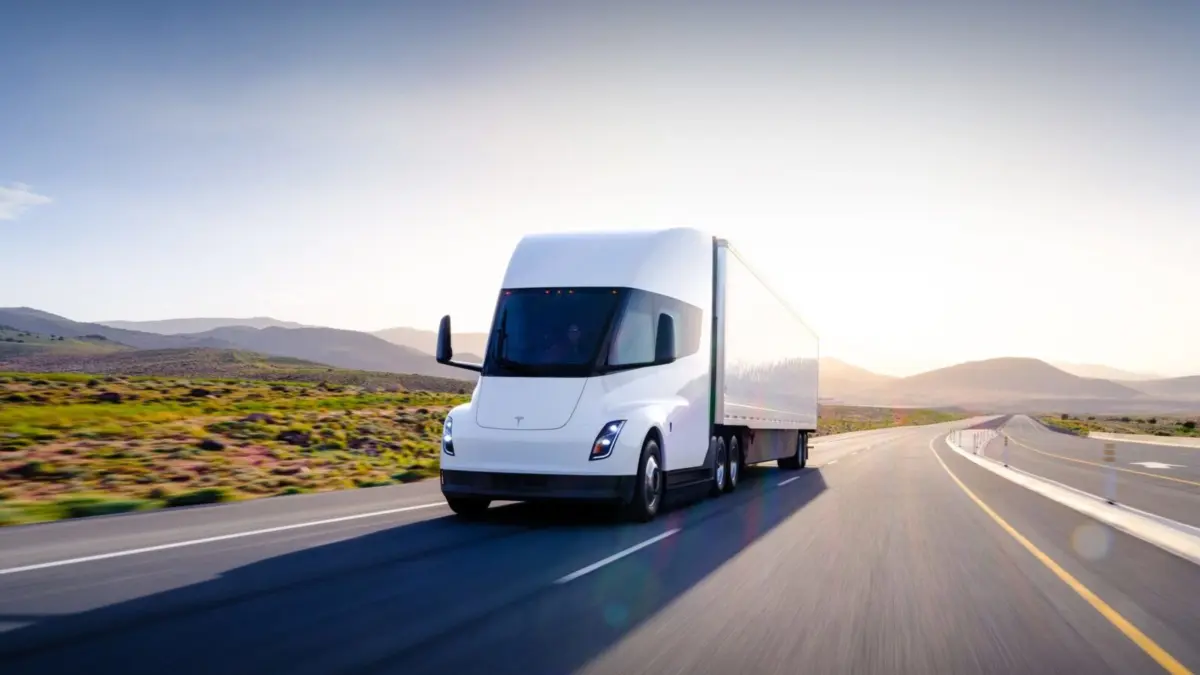
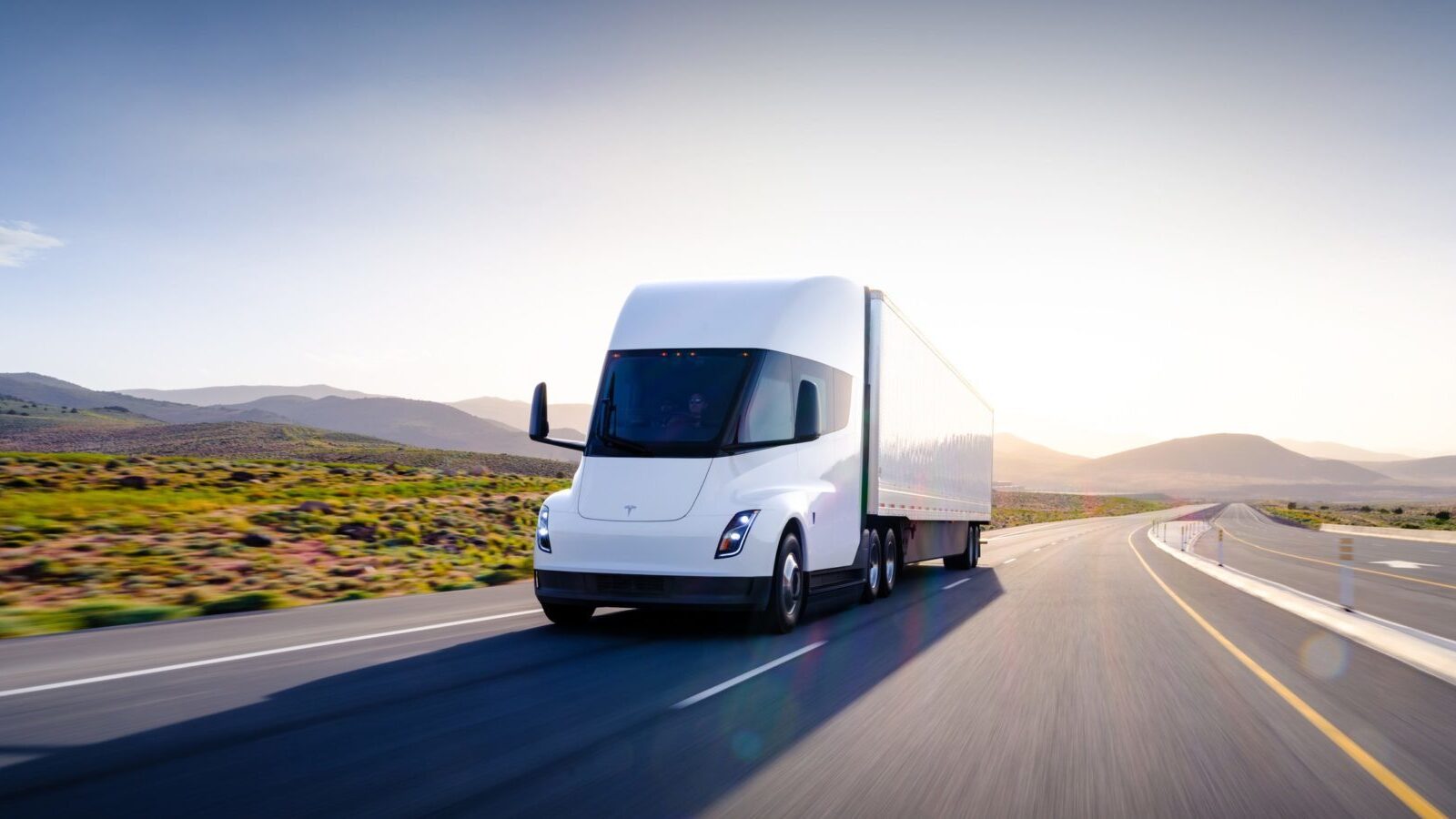
Nearly a decade after its initial high-profile unveiling in late 2017, the Tesla Semi has transitioned from a speculative design concept into a tangible commercial heavyweight. What began as a polarizing, frequently delayed prototype program has officially graduated to high-volume manufacturing at Tesla’s Nevada Gigafactory. This milestone marks a critical pivot for the heavy-duty electric vehicle (EV) sector, crossing the chasm from experimental pilot projects to scaled, mainstream deployment.
The momentum behind the Semi is further underscored by a massive commercial breakthrough: a landmark order of 500 electric trucks from Swedish freight technology firm Einride. Designed to support major enterprise supply chains—including retail titan Amazon—across critical U.S. freight corridors in California, New Jersey, Texas, Illinois, and Georgia, this deal represents the largest single order in the Semi’s history.
As Tesla prepares to take the vehicle global, with European pricing and technical specifications slated for official release at the upcoming IAA Transportation conference in Hannover, Germany, the commercial trucking landscape is fundamentally changing. The era of zero-emission Class 8 hauling is no longer a distant promise; it is rapidly becoming an operational standard.
Detailed Chronology: From Concept to Mass Production
The journey of the Tesla Semi has been nothing short of an endurance test—both for the automotive manufacturer and the logistics industry eagerly watching from the sidelines.
1. The 2017 Unveiling: Setting Ambitious Benchmarks
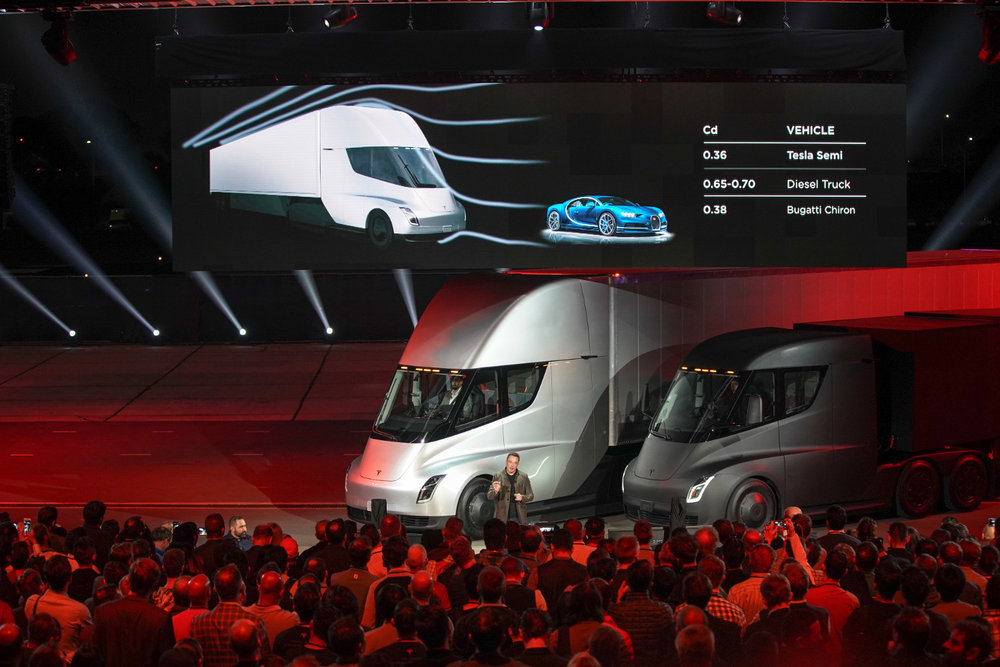
When Tesla first pulled the Semi onto a stage in Hawthorne, California, in November 2017, it captured the global imagination. Equipped with jaw-dropping performance specs—including a 0-to-60 mph time of 20 seconds with a full 80,000-pound load and promised ranges of up to 500 miles—the vehicle looked poised to disrupt a diesel-dominated industry that had seen little fundamental mechanical innovation in decades.
2. The Development Era and Leadership Shifts
Behind closed doors, bringing a Class 8 electric truck to life proved immensely challenging. In 2019, industry veterans and EV enthusiasts alike looked to key architects of the program, such as former Tesla President Jerome Guillen, who spearheaded early engineering and pilot development out of Tesla’s Fremont, California offices. However, as production deadlines slipped past 2019, 2020, and 2021, the program faced persistent skepticism from Wall Street and legacy fleet operators alike. Frustrated by systemic delays, key leadership figures eventually moved on, leaving the project’s ultimate fate temporarily in question.
3. Pilot Production and Early Fleet Testing (2022–2025)
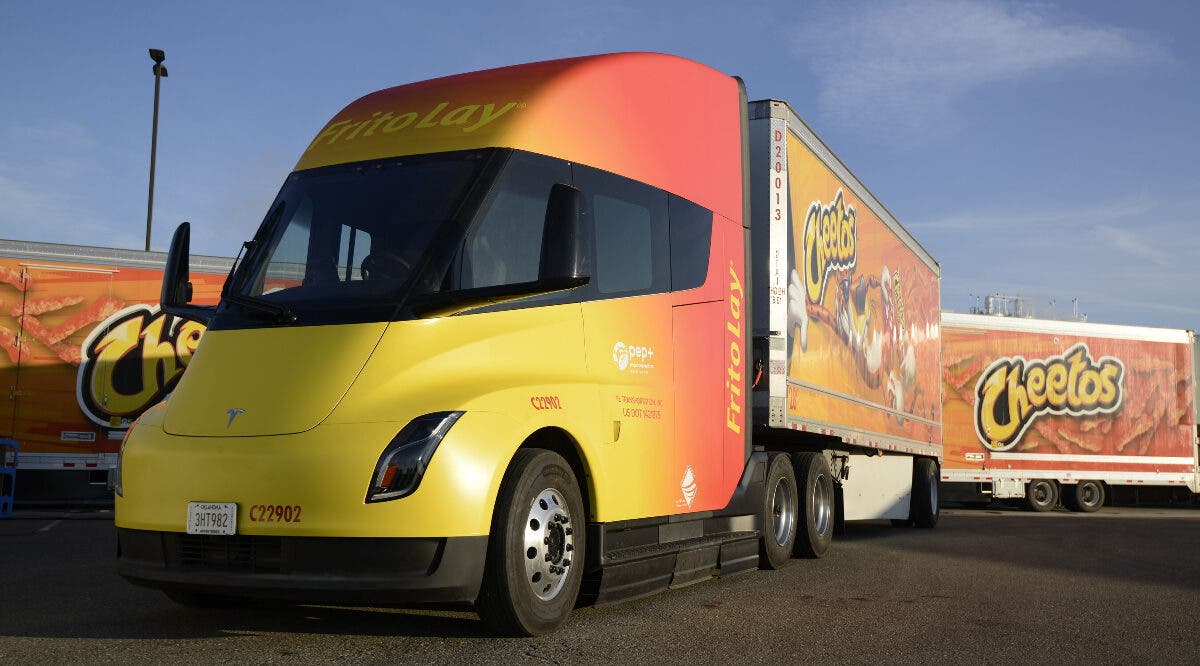
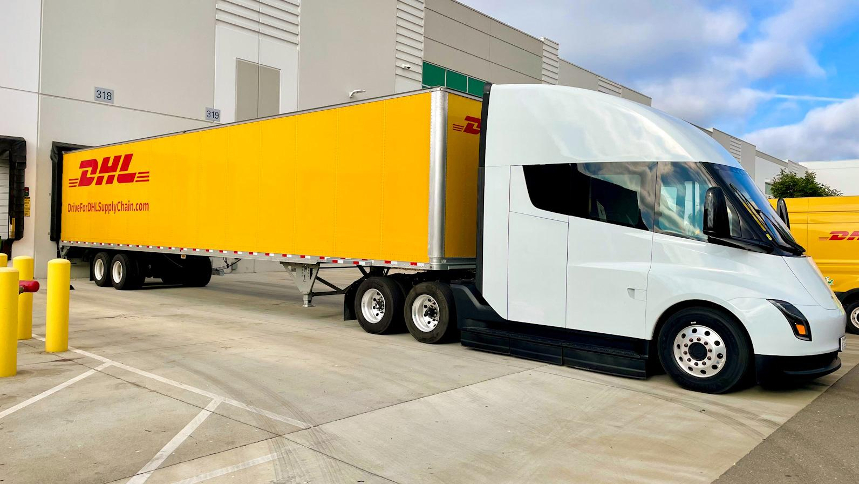
Despite organizational turbulence, the engineering team pressed forward. Pilot production officially commenced in late 2022—five full years after the vehicle’s debut. Rather than diving straight into mass production, Tesla adopted a calculated pilot deployment strategy, embedding small fleets of Semis directly into the operations of early adopters. Companies like PepsiCo, Frito-Lay, and DHL became real-world testing grounds, logging thousands of miles under grueling commercial conditions. These early trials provided invaluable telemetry data, helping Tesla refine the truck’s thermal management, regenerative braking, and powertrain durability.

4. High-Volume Manufacturing at Gigafactory Nevada (2026)
Following nearly four years of iterative pilot manufacturing, the program cleared its most significant hurdle to date. On April 29, 2026, Tesla officially initiated high-volume manufacturing of the electric truck at Gigafactory 1 in Nevada. This transition shifted the narrative from limited, boutique availability to true industrial scaling, allowing the company to satisfy the pent-up demand of major logistics firms.
Supporting Context & Metrics: Pricing, Specs, and the Einride Partnership
To understand why the logistics sector is finally embracing the Tesla Semi en masse, one must examine the hard economics and specifications governing Class 8 freight.
Financial and Technical Specifications
In the U.S. market, the Tesla Semi is currently structured around two primary variants, tailored to distinct operational profiles:
- Standard Range Variant: Starting at approximately $260,000, this model features a 548 kWh battery pack, delivering an estimated range of 325 miles per charge. It is ideally suited for regional distribution, port drayage, and return-to-base multi-shift operations.
- Long Range Variant: Starting at around $290,000, this heavy-hitter packs an impressive 822 kWh battery pack, pushing its operational range to roughly 500 miles. This version unlocks lucrative long-haul corridors previously thought unviable for heavy battery-electric trucks.
The Einride Deal: A Watershed Moment
The commercial validity of these specifications was thrust into the spotlight following Tesla’s agreement with Einride. As the largest Semi order to date, the 500-truck procurement signals immense confidence from a tech-forward shipping pioneer.
While Einride is headquartered in Stockholm, Sweden, these newly ordered Semis will be deployed directly into domestic American shipping lanes. Operating across high-volume states—California, New Jersey, Texas, Illinois, and Georgia—these trucks will handle heavy freight for corporate giants like Amazon. Deliveries under this historic contract are slated to commence as early as September.
Official Statements and Industry Perspective
The convergence of technological maturity and corporate climate commitments has created a synergistic environment for heavy-duty electrification. Leadership from both Tesla and Einride have emphasized that the transition is no longer theoretical—it is driven by cold, hard operational logic.
Roozbeh Charli, CEO of Einride, highlighted the collaborative nature of the rollout and its broader industry implications:
"This deployment is yet another proof point that we can execute at the scale our customers demand. Working closely with Tesla to bring next-generation Semis into active operations quickly and at scale is a testament to the strength of that partnership, and how quickly this technology is maturing from promise to daily operations."
Echoing this sentiment, Dan Priestley, Director of the Tesla Semi program, underscored the financial advantages that fleet operators can expect when scaling electric logistics:
"Einride is at the forefront of sustainable freight, and we are thrilled to deepen our relationship with them through this order of 500 Semis. EV heavy trucks provide lower costs per mile from fuel savings, reduced maintenance, and better uptime over diesel trucks. These savings increase further through operational efficiency when deploying EV trucks at scale, and we are excited that Einride recognizes this and look forward to supporting their deployments."
Future Outlook: The European Horizon and Market Dominance
As the dust settles on the domestic manufacturing ramp-up, Tesla’s sights are firmly set on international expansion. For years, the Semi was viewed as an exclusively North American product due to dimensional regulations, road infrastructure, and production constraints. However, that perception is about to change.
Tesla has officially confirmed that the Semi is heading to Europe. While specific pricing details and localized technical specifications remain tightly under wraps, the company has announced that a formal European debut will take place at the prestigious IAA Transportation conference, running from September 15–20 in Hannover, Germany.
What Lies Ahead
Entering the European market presents unique challenges and opportunities. European truck regulations differ significantly from North American standards regarding overall length and cab design, meaning the Semi may require subtle aerodynamic or structural adjustments to comply with EU directives. Nevertheless, Europe’s aggressive carbon reduction targets and high diesel taxes make it one of the most receptive global markets for heavy-duty electrification.

Furthermore, industry analysts anticipate that the successful deployment of the Einride fleet will trigger a domino effect among Tesla’s other legacy partners. Early validators of the truck—such as PepsiCo, Frito-Lay, and DHL—are widely expected to transition their pilot commitments into similarly massive, multi-hundred-unit commercial orders in the near future.
The Tesla Semi’s path from a futuristic concept drawing board to an international commercial juggernaut has been unconventional, filled with delays and formidable engineering obstacles. Yet, with high-volume production humming in Nevada, major fleet orders scaling up, and a European debut on the horizon, the electric semi-truck has firmly arrived—ready to haul the global supply chain into a cleaner, more efficient future.