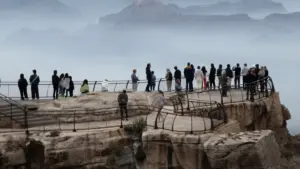
Across the United States, state and national parks continue to experience unprecedented, record-breaking surges in tourism. While this influx serves as a glowing testament to the profound public appreciation for the nation’s untamed landscapes, it has fundamentally transformed the day-to-day realities of park rangers. Far from spending their entire shifts delivering fireside chats or tracking wildlife, modern rangers increasingly double as crowd-controllers, traffic directors, and emergency rescue coordinators.
Because wilderness environments are inherently unforgiving, rangers must master the art of rapid human assessment. Within moments of interacting with an arriving visitor—whether at an entrance kiosk, a trailhead parking lot, or a visitor center desk—a trained ranger can instantly gauge whether that individual is a prepared steward of the environment or an accident waiting to happen. By scanning apparel, assessing equipment, reading body language, and listening to opening inquiries, professionals on the ground can predict trail behavior with uncanny accuracy. This investigative report explores the five subtle yet glaring details park rangers notice immediately, offering a behind-the-scenes look at wilderness psychology, park safety, and the invisible lines that separate a successful outdoor excursion from a high-stakes search and rescue operation.
Detailed Chronology: The Anatomy of a Visitor’s Arrival
To understand how park rangers process incoming travelers, it is helpful to trace the chronological timeline of a visitor’s arrival and the distinct phases of observation rangers undergo.
Phase 1: The Gate-Check Impression (0 to 60 Seconds)
The interaction begins the moment a vehicle pulls up to the park gates or a hiker steps off the pavement into the staging area. During this micro-window, rangers look for baseline orientation. First-time visitors are often visually distinct; they exhibit a characteristic "deer-in-the-headlights" posture, frequently jamming traffic lanes, idling awkwardly, or brandishing expressions of total disorientation.
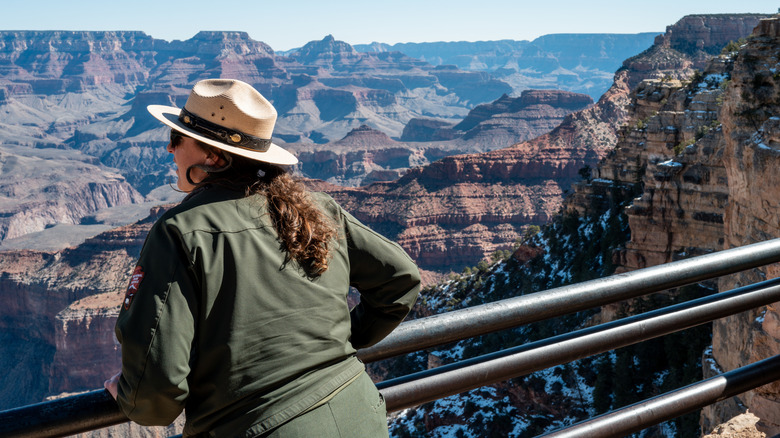
A classic historical example of this disorientation played out at the Grand Canyon, where a flustered visitor learned she had driven to the incorrect rim. Upon being told that reaching the opposite side required a five-and-a-half-hour drive, the visitor burst into tears, incredulously asking, "There’s no bridge?!" Rangers note these initial reactions instantly, recognizing that geographical naivety is the primary precursor to navigation errors.
Phase 2: The Gear Audit (Minute 2 to 5)
Once the vehicle is parked or the hiker approaches the trailhead kiosk, rangers conduct a swift visual audit of gear. This includes checking footwear, water storage, and emergency packs. A lack of preparation is rarely concealed; it manifests as single, disposable plastic water bottles on grueling desert treks, complete absences of maps, or footwear entirely unsuited for the terrain. Rangers have routinely logged encounters with visitors attempting steep, gravel-strewn mountain trails in platform wedges, high heels, or smooth-soled fashion sneakers.
Phase 3: The Inquiry and Intent Evaluation (Minute 5 Onward)
The final diagnostic phase occurs when the visitor opens their mouth to ask a question. While rangers deeply appreciate curious travelers, the phrasing of initial questions immediately exposes the depth—or profound lack—of pre-trip research. Queries such as "What is there to do here?" or "What did I just pay for?" signal to the ranger that the traveler embarked on a costly journey with zero baseline understanding of the ecosystem they are entering. Conversely, targeted questions about trail conditions, weather shifts, or water availability signal a responsible mindset.
Supporting Context & Metrics: The Hidden Toll of Unprepared Tourism
The casual observer might view a poorly prepared hiker as a harmless anomaly, but the broader data surrounding outdoor recreation paints a sobering picture of systemic strain and preventable tragedies.
The Surge in Wilderness Incidents
With national parks drawing hundreds of millions of recreational visits annually, emergency search and rescue (SAR) teams are pushed to their absolute limits. According to consensus data across federal land management agencies, a staggering percentage of wilderness rescues stem entirely from basic visitor error: dehydration, exhaustion from overestimating physical fitness, venturing off-trail for photography, or failing to pack the "Ten Essentials" (such as navigation tools, extra clothing, illumination, and first-aid supplies).
Incident Category
Primary Underlying Cause
Preventability Rating
Severe Dehydration
Inadequate water supply / underestimating climate
100% Preventable
Cliff/Waterfall Falls
Distracted photography / risky selfie positioning
100% Preventable
Trail Disorientation
Lack of physical maps / relying solely on failing smartphone batteries
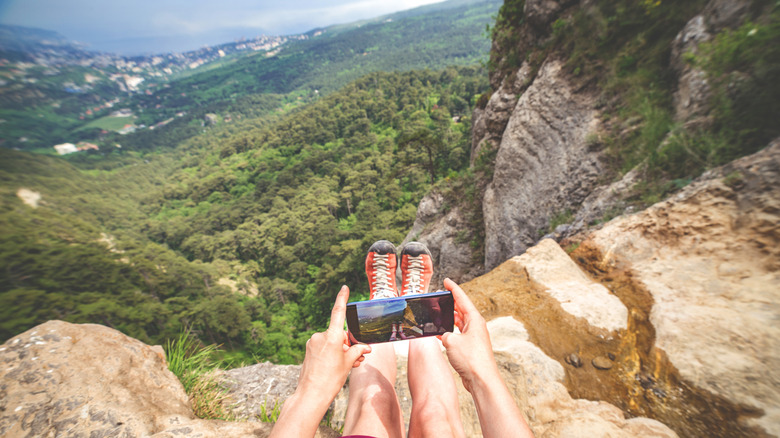
The cultural obsession with social media validation has drastically altered wilderness behavior. A comprehensive 2022 study published in the Journal of Travel Medicine revealed that between 2008 and 2021, an alarming 379 people worldwide died due to accidents incurred while attempting to capture a selfie.
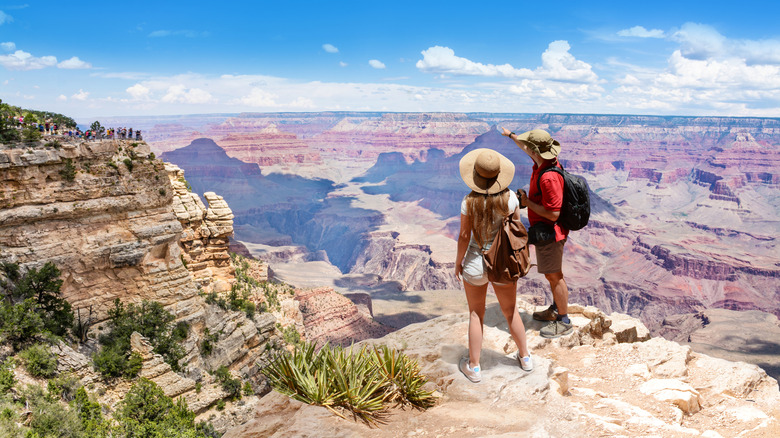
While American park systems do not officially isolate "selfie statistics" in a distinct reporting category, rangers on the ground report an epidemic of reckless photography. Visitors routinely vault over protective guardrails, scale precarious rock pillars, block active roadways to film wildlife, and creep to the absolute precipice of sheer canyon drops—all for the sake of a digital snapshot. Rangers observe this frantic energy instantly, noting when a visitor’s primary objective is content creation rather than experiential connection with nature.
Official Perspectives: Inside the Mind of the Ranger
Park rangers occupy a unique cross-section of law enforcement, environmental science, education, and emergency medicine. Their observations are forged through years of high-stress encounters and backcountry operations.
Dealing with the "Code W" Phenomenon
Physical exhaustion is a natural byproduct of outdoor recreation, but it does not automatically constitute a medical emergency. However, rangers frequently encounter visitors who demand emergency evacuations simply because they are tired, sore, or mildly inconvenienced.
Within ranger culture, these non-emergent calls for help have birthed a telling piece of internal jargon: "Code W," shorthand for "Code Wimp." When a ranger clocks a visitor who is under-equipped, overdressed for the weather, and visibly whining about minor fatigue before a trail even begins, they immediately flag that individual as a high probability for a future rescue call.
As one veteran ranger noted in a wilderness conservation blog:
"Please pack some common sense along with your gear. I’ve seen people attempting serious backcountry routes in designer shoes. When you don’t respect the scale of the environment, you aren’t just putting yourself at risk—you are risking the lives of rescue personnel who have to haul you out."
Frustrations Over Lack of Basic Research
Reddit forums and ranger confessions frequently highlight the sheer bewilderment professionals feel when interacting with deeply uninformed tourists. Another common grievance involves visitors demanding wildlife sightings as if visiting a localized zoo rather than a wild, untamed ecosystem.
"We get complaints and even bad reviews online because animals were not made available to the public or didn’t appear in areas where we recommended," shared a national park ranger via online professional boards. "I want to ask visitors: Did you look at a map at all before driving six hours into grizzly bear territory expecting a petting zoo experience?"
Future Outlook: Bridging the Gap Between Visitors and Wilderness
As public interest in the great outdoors shows no signs of slowing down, federal, state, and local park agencies are actively pivoting their strategies to address the friction between mass tourism and ecological preservation.
1. Shift Toward Digital Integration and Mandatory Education
To combat the "deer-in-the-headlights" syndrome at park gates, many major national parks—including Glacier, Rocky Mountain, and Zion—have successfully implemented timed-entry reservation systems. These digital portals are designed not only to curb severe traffic congestion and protect fragile ecosystems from over-visitation, but also to force visitors to engage in baseline pre-trip planning before they ever turn their ignition keys.
2. Enhanced Ranger-Led Outreach Programs
Rather than relying purely on punitive enforcement or reactive rescue missions, park agencies are investing heavily in proactive education. Mobile visitor kiosks, digital trail apps with offline mapping capabilities, and ranger-staffed orientation hubs positioned directly at primary parking lots are helping bridge the knowledge gap. By intercepting unprepared visitors before they hit the dangerous backcountry, parks are seeing incremental drops in preventable injuries.
3. A Call for Responsible Stewardship
Ultimately, a park ranger’s initial impression of you is a reflection of your mindset. Stepping into a national or state park requires a psychological shift from passive consumer to active steward. By respecting trail boundaries, investing in proper equipment, doing foundational research, and prioritizing safety over social media aesthetics, visitors can transform themselves from potential "rescue statistics" into mindful stewards of America’s greatest natural treasures.